Curly hair has a personality all its own, and the right cut can turn that texture into your best accessory. The shift is toward softer, face-framing layers and lived-in color that lets your natural curl pattern do the talking, no flat iron required.
This collection of 32 Classy Curly Hair Cutting ideas spans the spectrum from short, sassy pixies to long, layered looks that move with you. Whether your curls are fine and need a gentle hand or thick and crave weight removal, there’s a silhouette here that works with your texture, not against it. We’ve solved the eternal curly hair struggle: finding a cut that looks polished without demanding hours of styling.
Short Shag With Textured Bangs
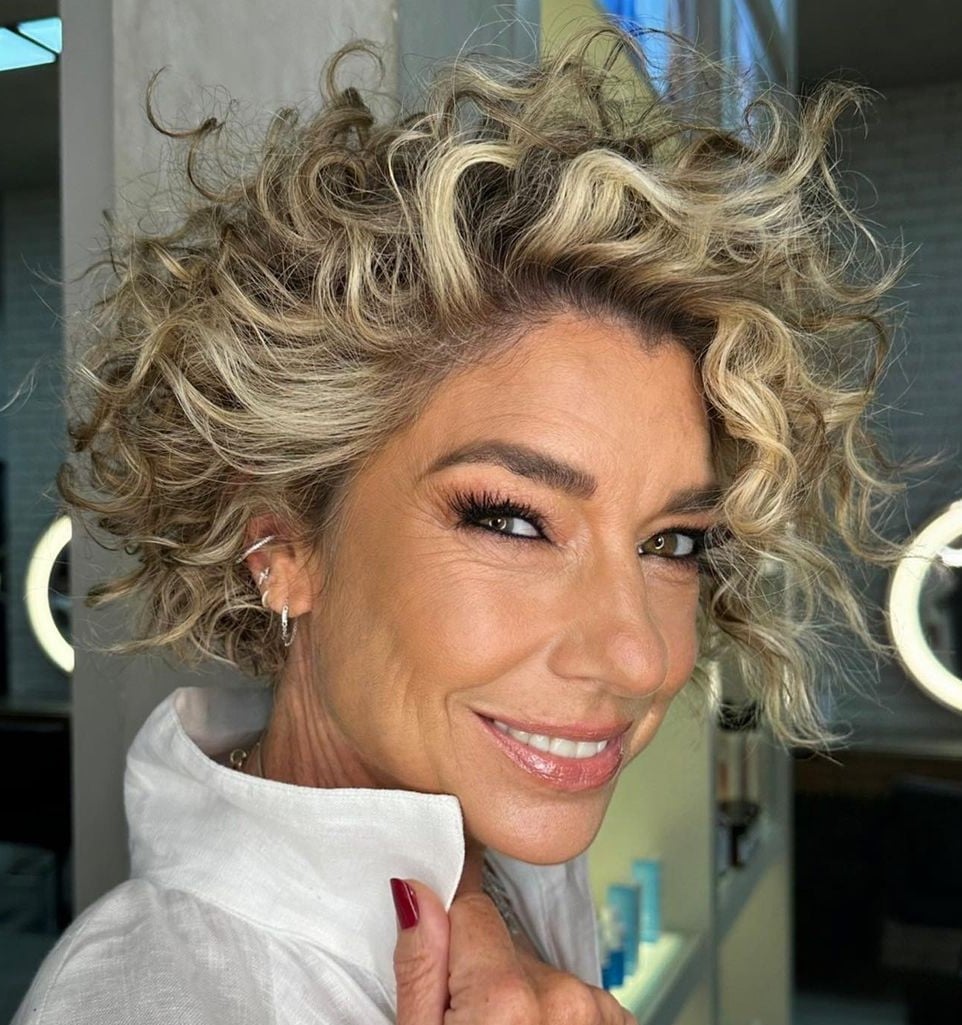
A short shag earns its keep on fine curly hair because the layers do the volume work for you, lifting the texture into piecey, defined curls instead of letting it fall flat. The ear-length cut with short, textured bangs suits oval and long faces, giving shape where fine strands can otherwise read as sparse. Ask your stylist for: a short shag with textured bangs, ear length. A curl cream on damp hair and a scrunch keeps the piecey look going, with a trim every six to eight weeks to hold the shape.
Fine Curly Pixie Cut With Short Bangs
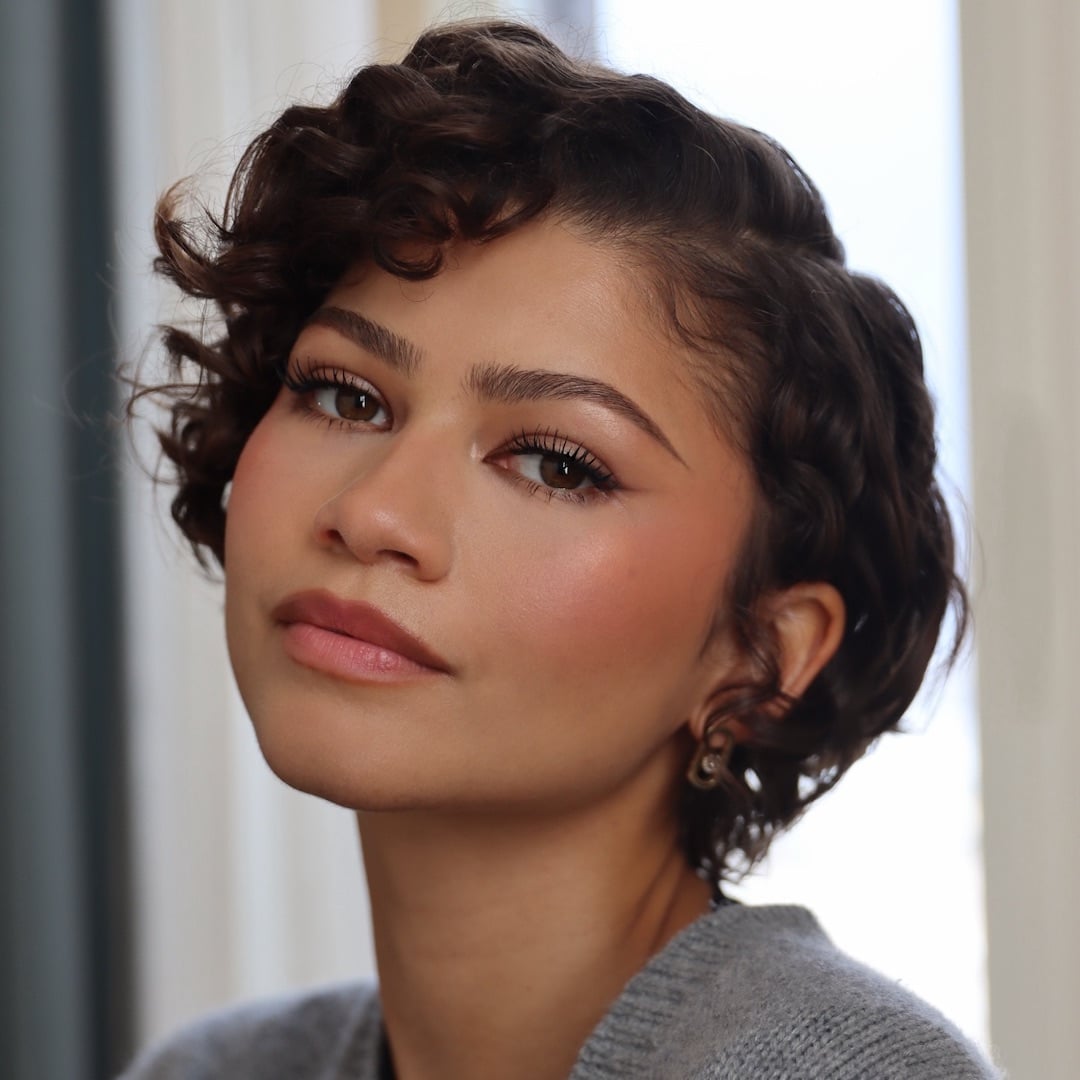
Can fine curly hair hold a pixie without looking like a helmet? Yes, if the cut is cropped to ear length with short bangs and the texture is left to do its natural thing, as this black, fine curly pixie shows. The trade-off is upkeep: fine strands lose volume fast, so expect to refresh the shape every four to six weeks and use a small amount of pomade to keep the curls defined. It suits most face shapes, but if you are not ready for regular trims, this one will test your patience.
Textured Light Brown Pixie With Side Part
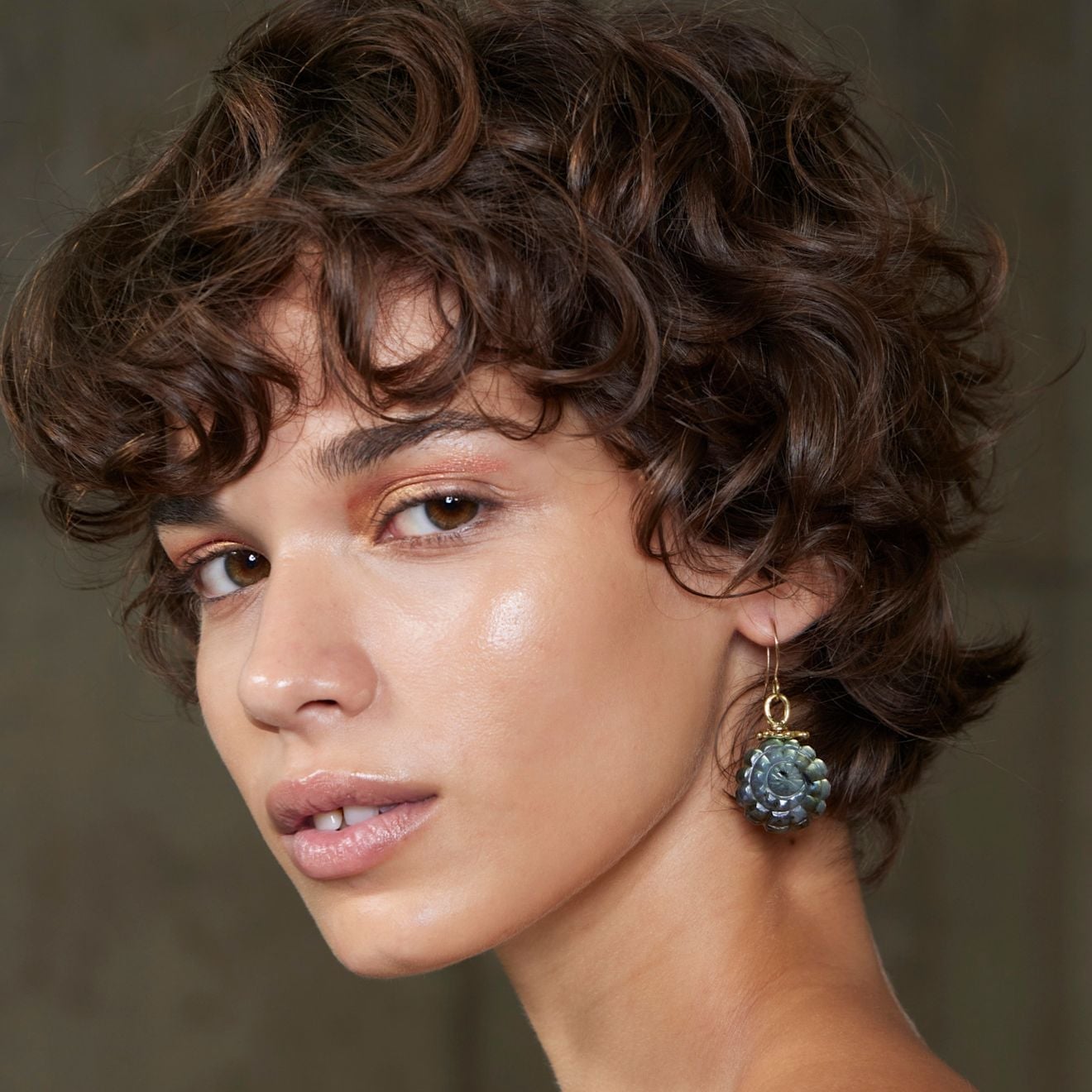
The side part is the quiet workhorse of this light brown pixie, adding asymmetry that softens angular faces while the short, piecey bangs keep the front from feeling heavy. Cut to ear length with a textured finish, the style relies on fine curly hair that can hold a tousled shape without extra product weight. Ask your stylist for a textured light brown pixie, short piecey bangs, side part. A texturizing spray on dry hair will boost the piecey effect, and a trim every four to six weeks keeps the silhouette sharp.
Platinum Blonde Pixie With Dark Roots
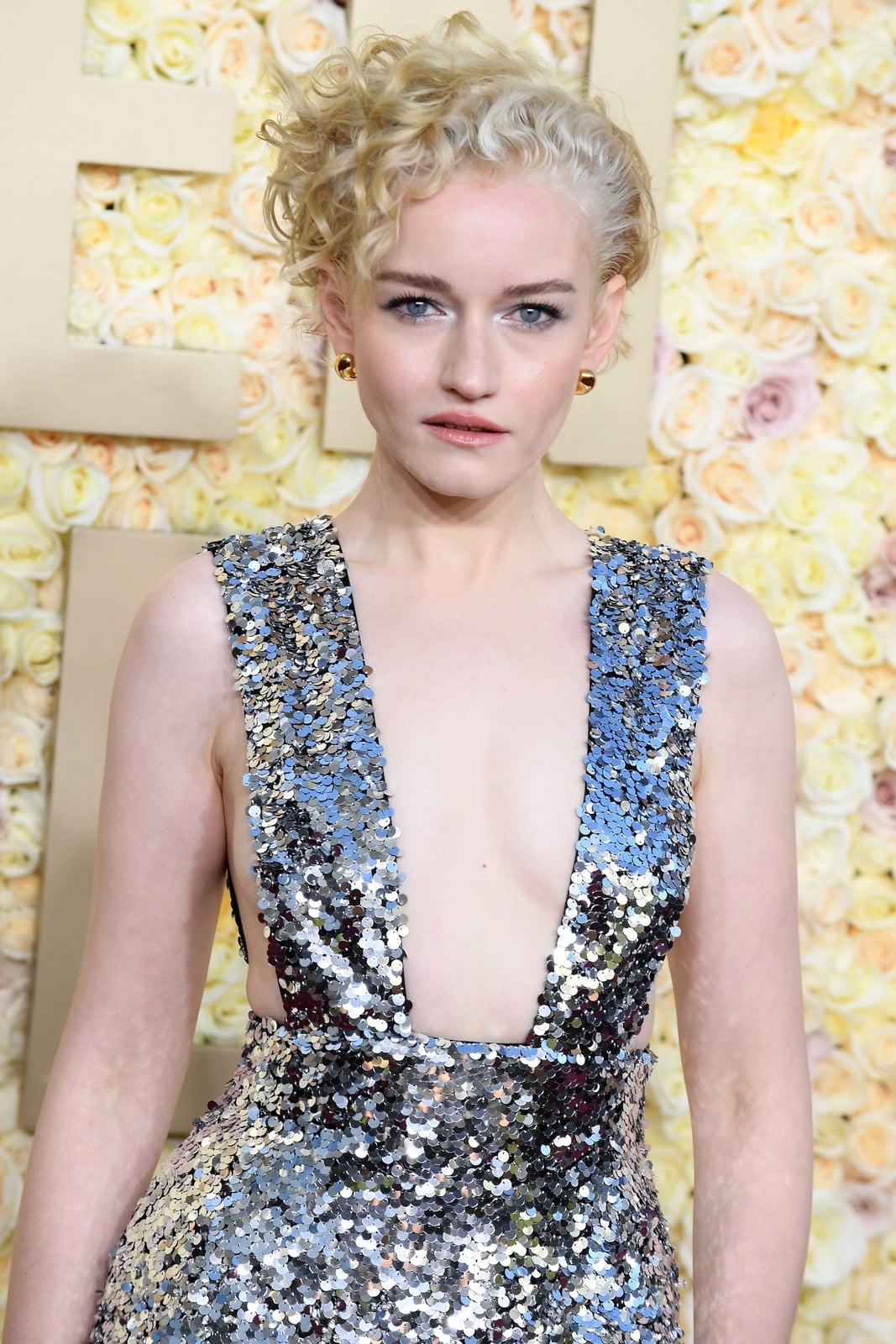
Set this platinum blonde pixie against a uniform blonde and the difference is maintenance: the dark roots here are a feature, not a grow-out accident, buying you time between color appointments. The fine curly texture, styled into defined curls with short wispy bangs and a side part, makes the ear-length cut feel softer than a blunt crop. Ask your stylist for a platinum blonde pixie, short wispy bangs, dark roots. A purple shampoo keeps the blonde from turning brassy, and a trim every four to six weeks holds the shape. If you prefer zero root maintenance, a solid blonde is the lower-effort alternative.
Copper Pixie With Textured Bangs
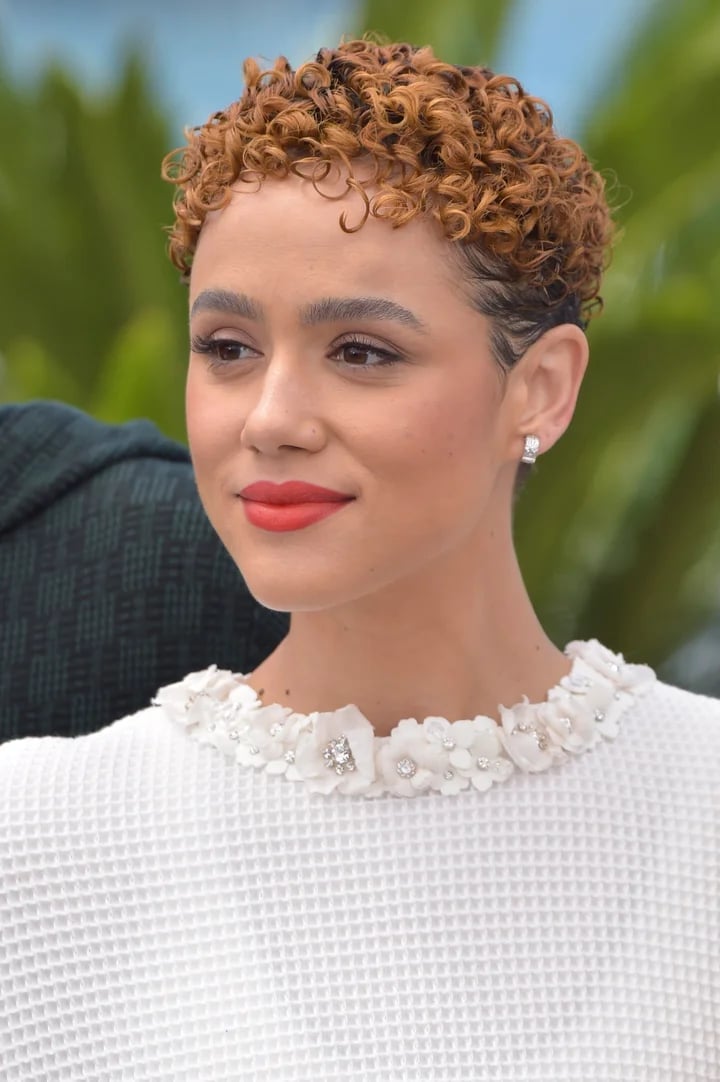
A vibrant copper pixie with lighter blonde highlights is the rare cut that looks like it belongs at a holiday party without trying too hard, the dense curly texture giving it a richness that flat styles cannot match. The short, textured bangs and side part keep the ear-length cut modern, while the defined curls add movement. Ask your stylist for a copper pixie cut, short textured bangs, blonde highlights. Use color-safe products to protect the copper, and plan a trim every four to six weeks to keep the shape crisp through winter events.
Jaw-Length Bob With Natural Texture
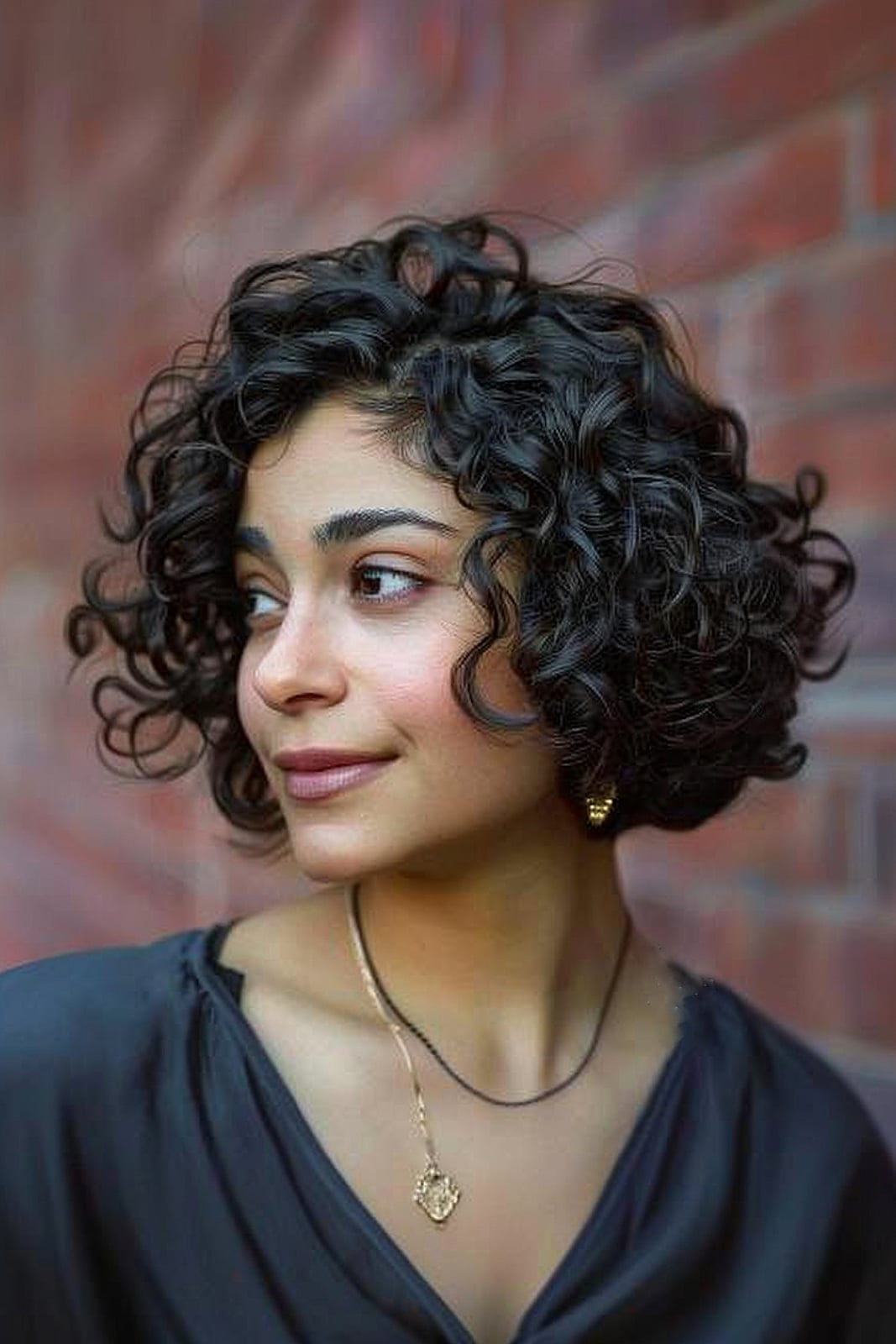
A jaw-length bob on medium-density curly hair is a lesson in trusting the cut. The layers are cut while the hair is dry, so each curl lands exactly where it should, and the side part adds a little asymmetry to keep things interesting. There are no bangs here, which means the shape relies entirely on the bob’s clean perimeter and the natural spring of the hair.
Ask your stylist for: jaw-length layered bob, natural air-dried texture. This is a cut that rewards a low-effort routine: a leave-in conditioner on damp hair, a quick scrunch, and you are done. Plan on a trim every six to eight weeks, because the jaw line is merciless with any uneven growth.
Air-Dried Jaw Bob With Side Part
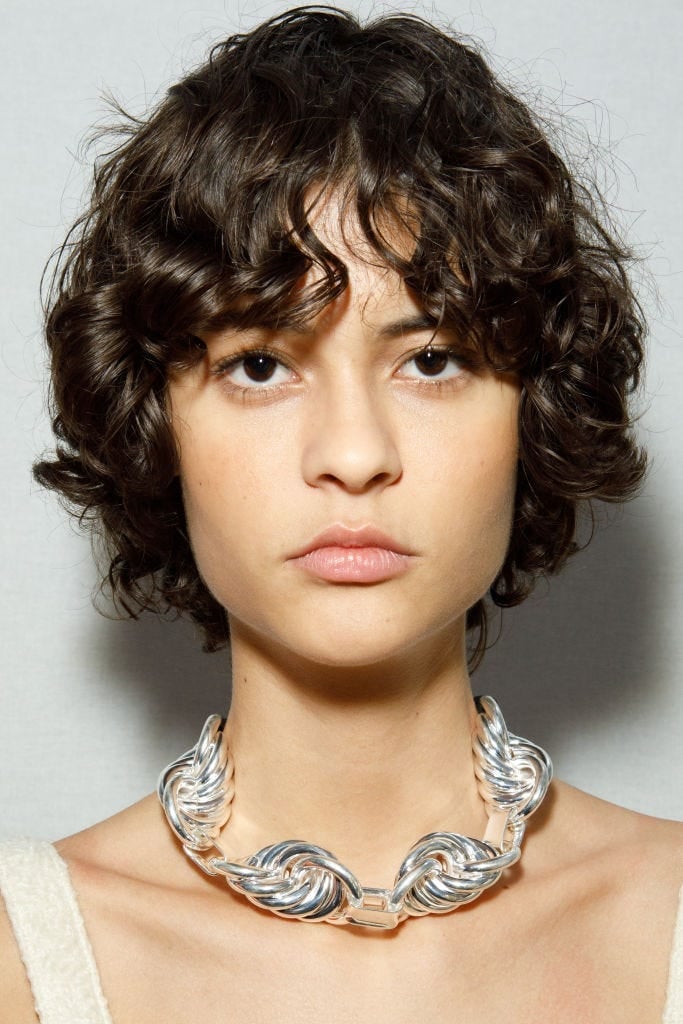
The technique for a polished air-dried jaw bob starts in the shower. A curl-friendly conditioner is rinsed out, then the hair is sectioned and a lightweight mousse is applied from mid-length to ends. The side part is set immediately, and the hair is left to air dry without touching it. The result is a shape that relies on the cut’s internal layers rather than heat tools, so the curls fall in a controlled, intentional way around the jaw.
Textured Chin-Length Bob With Bangs
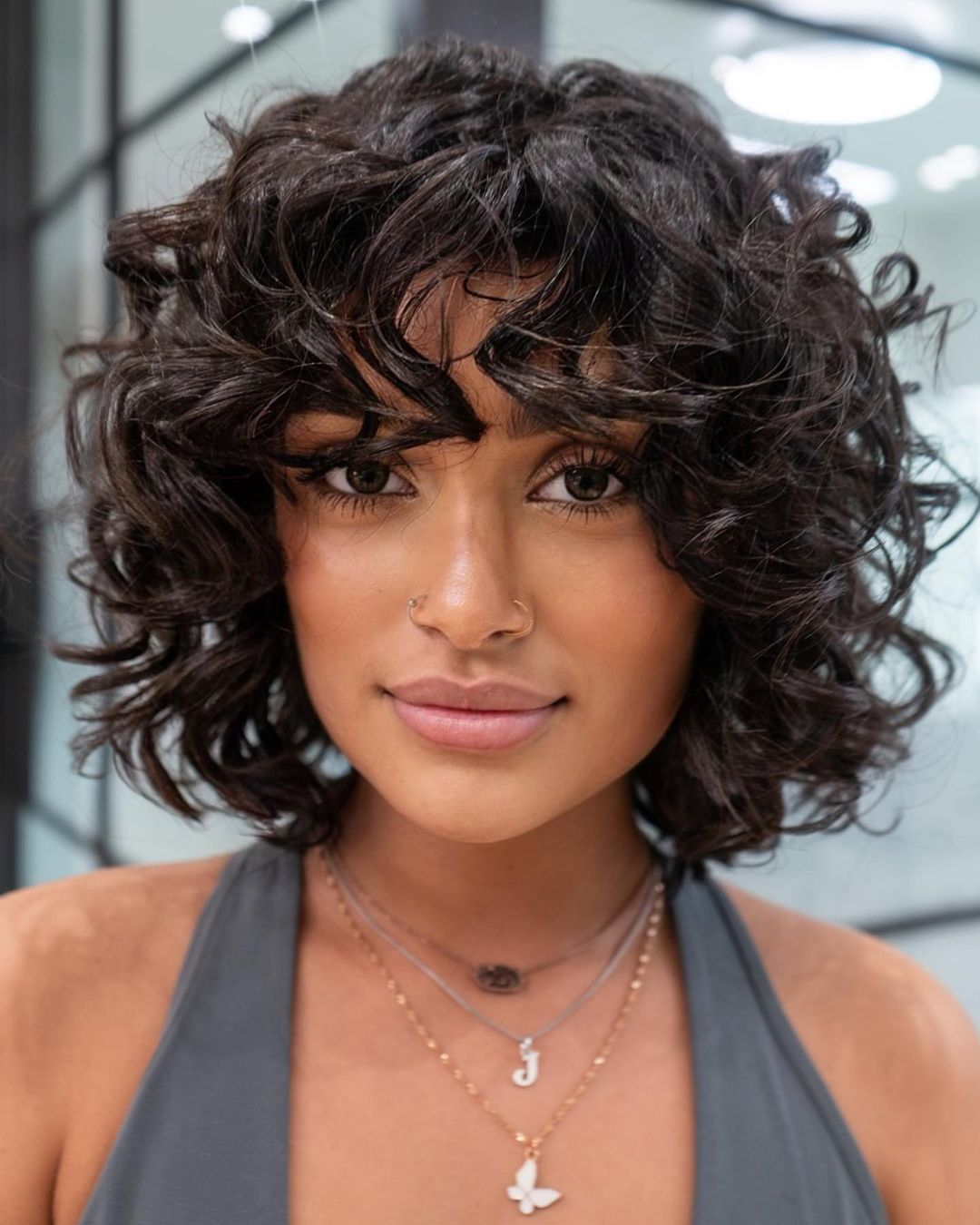
Does a chin-length bob with short bangs actually work on fine curly hair? Yes, if the texture is built into the cut. The layers remove weight so the curls do not collapse, and the short bangs add density where fine hair often looks thin. The side part breaks up the roundness that a blunt chin-length shape can create. Ask your stylist for: chin-length bob, short textured bangs, side part. This combination suits square and round faces best, since the bangs soften the jaw and the length elongates the face.
Layered Chin Bob With Wispy Bangs
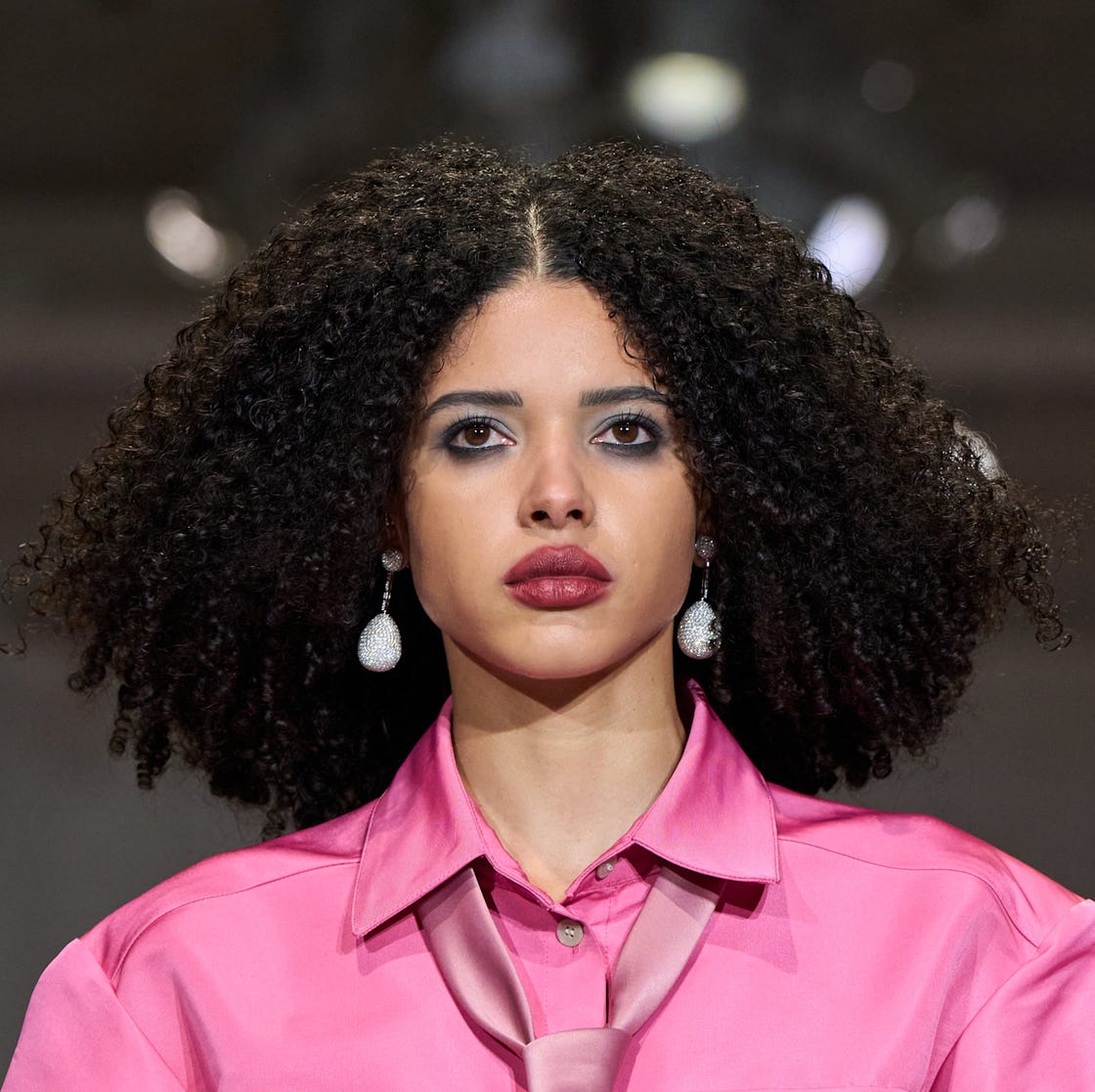
A chin-length layered bob with wispy bangs is a salon-only proposition. The wispy bangs require precision cutting to land at the right weight, and the layers need to be tailored to the curl pattern so the volume lands evenly. A DIY attempt with scissors usually ends in regret. Ask your stylist for: chin-length layered bob, wispy bangs, side part. The payoff is a shape that frames the face without hiding it, and the wispy ends keep the bangs from looking like a solid block of hair.
Chin Bob With Curtain Bangs and Highlights
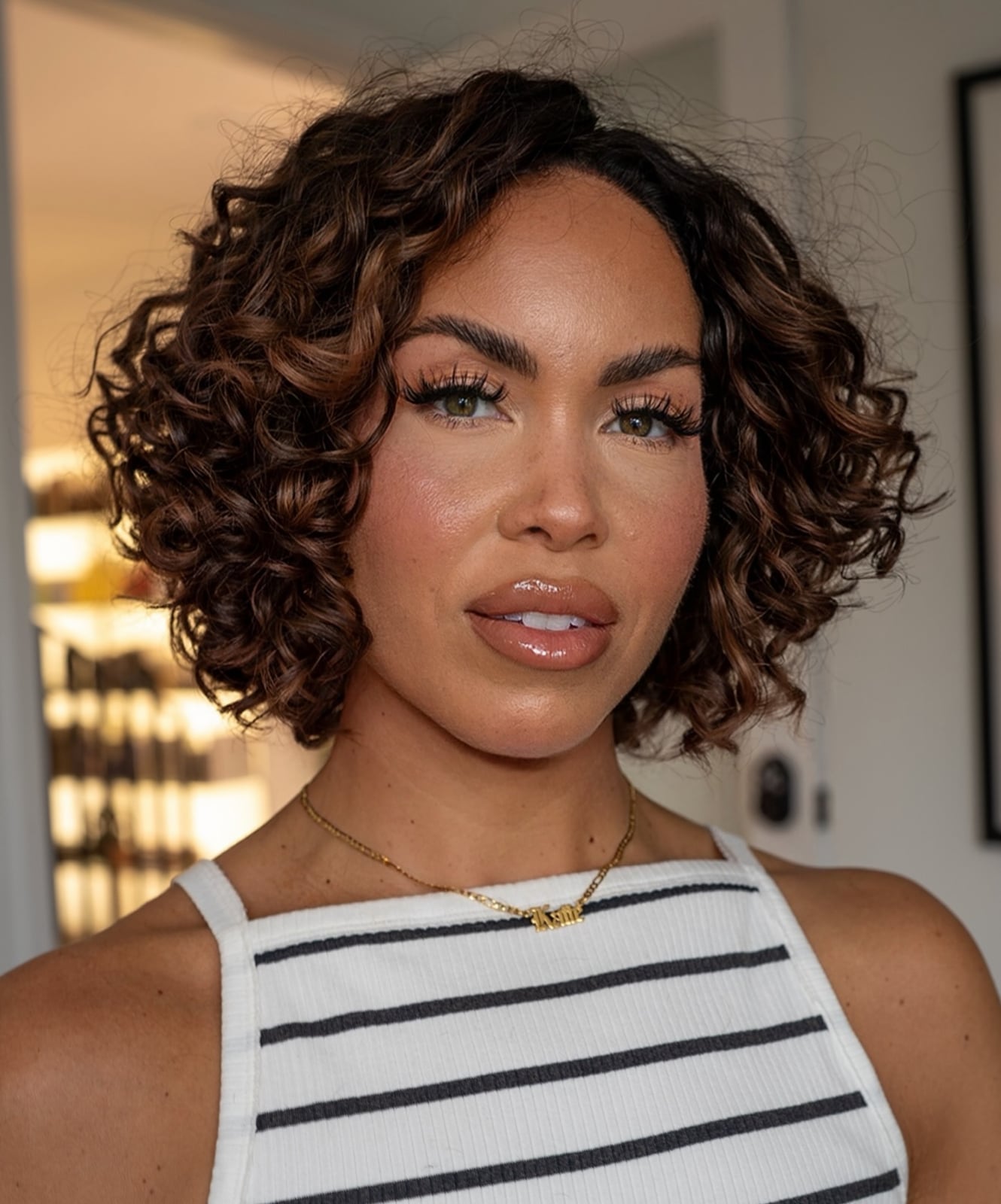
This chin bob with curtain bangs and lighter highlights is close to a standard blunt bob, but the curtain bangs change the whole equation. The bangs sweep to the sides, so the face is visible and the bob feels softer. The honest trade-off: on fine curly hair, curtain bangs can get weighed down by the longer pieces, requiring a blowout with a round brush to keep them from drooping. Ask your stylist for: chin-length bob, curtain bangs, side part. If you prefer a truly wash-and-wear routine, this might not be your first choice.
Short Shag With Textured Bangs and темно-каштановый с мелированием
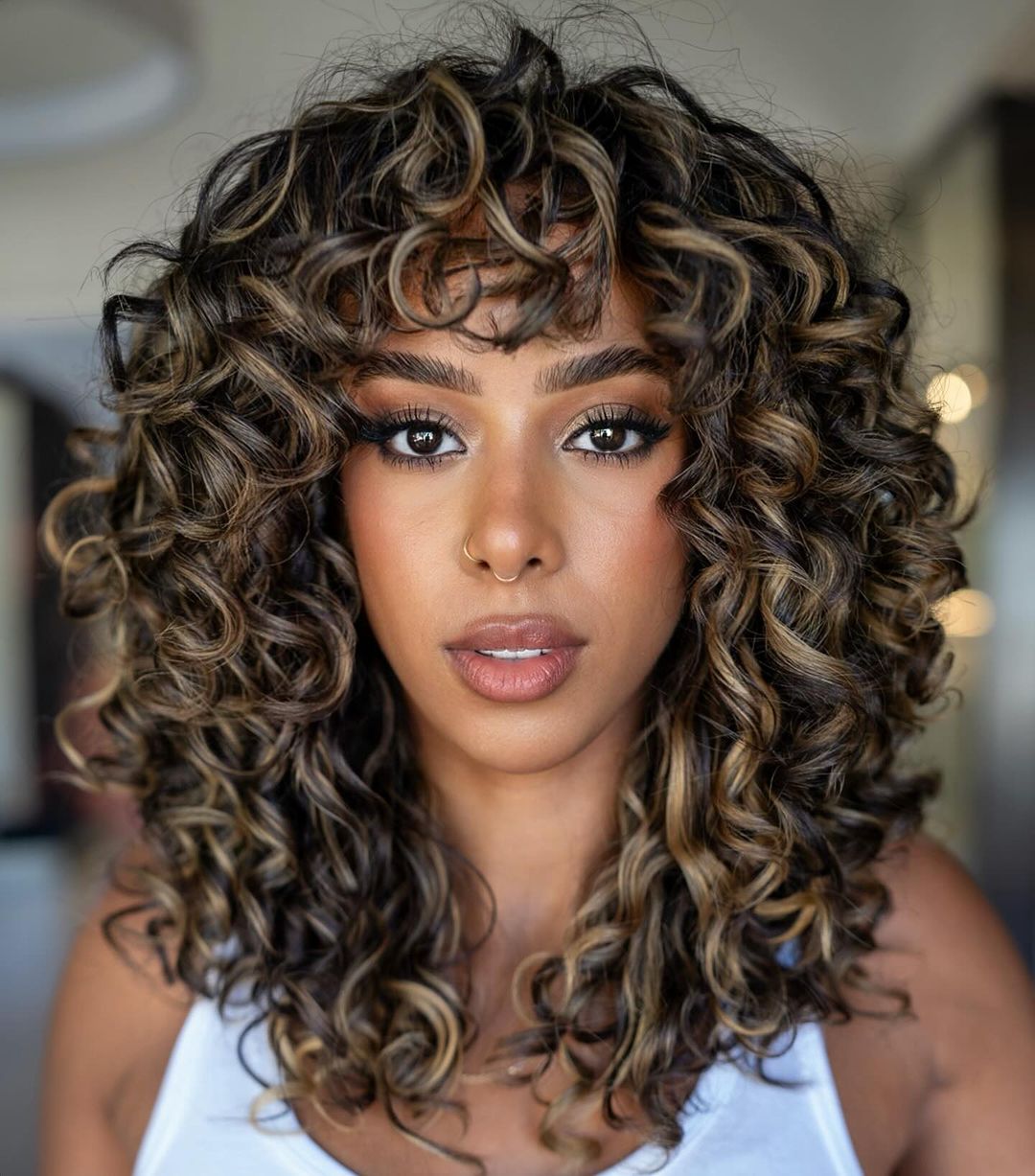
A straight fringe on dense curly hair is a design choice that requires a specific kind of commitment. This short shag lands at the shoulder with layers cut throughout to prevent the texture from forming a single, heavy wedge. The dark brown base gets dimension from highlighted strands that break up the density visually.
Ask your stylist for: shoulder-length layered shag, straight fringe. The bangs need a flat iron every morning to sit straight, while other hair air-dries with a curl cream scrunched in. Plan on a trim every six to eight weeks to keep the fringe from grazing your lashes and the layers from losing their shape.
Shoulder-Length Cut With Highlighted Strands
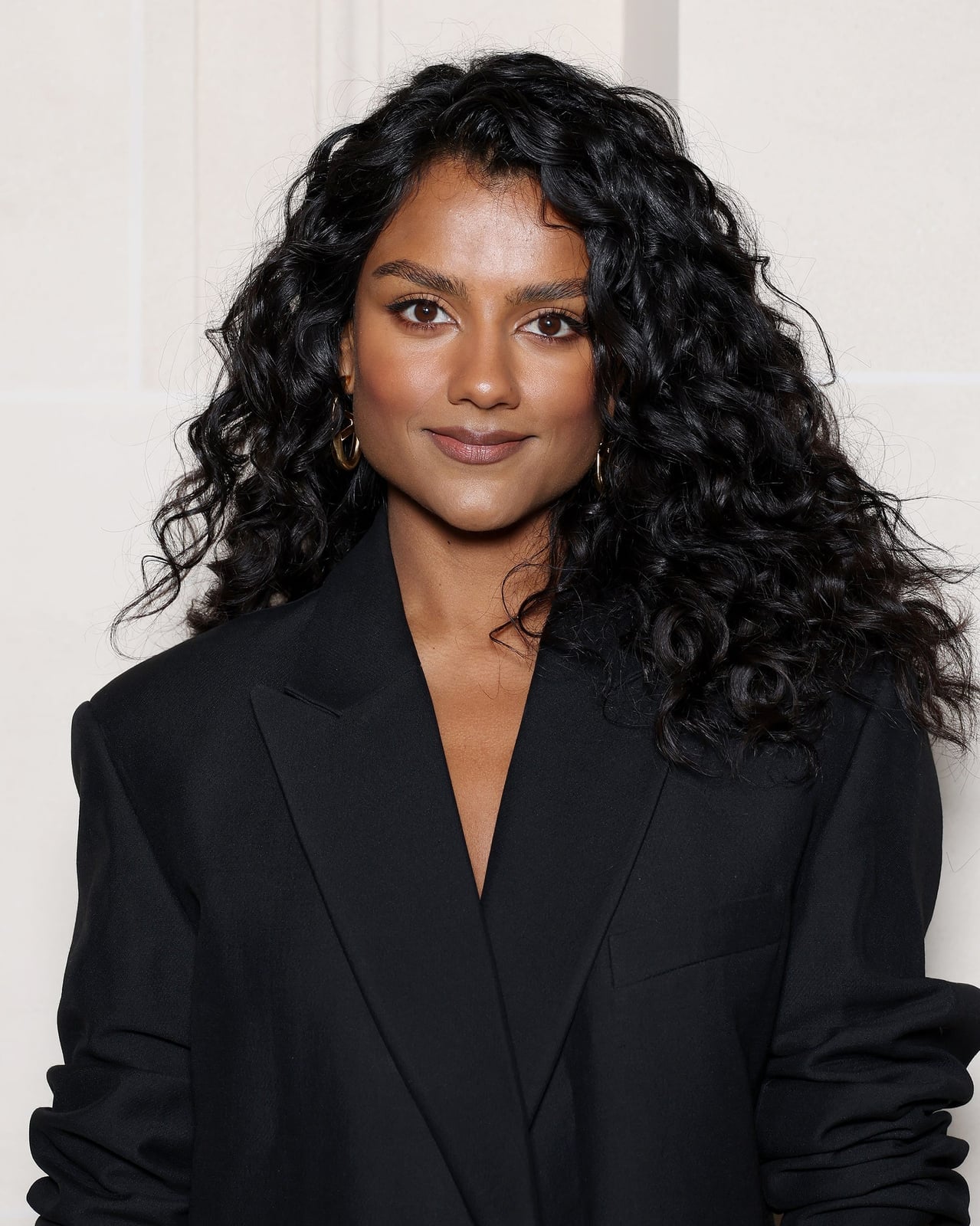
How do you ask for dimension without looking like you walked out of 2003? Start with the cut. This mid-back length keeps the dense dark brown base intact while layers are carved through the interior to let the natural curl stack. Lighter pieces are woven in as subtle highlights, not chunky ribbons, so the contrast reads as sunlit rather than stripey.
Ask your stylist for: mid-back layered cut, subtle highlights. The middle part keeps the weight balanced, and the air-dried finish means zero heat styling. A trim every eight weeks preserves the shape and keeps the ends from thinning out.
Collarbone Bob With Honey Highlights
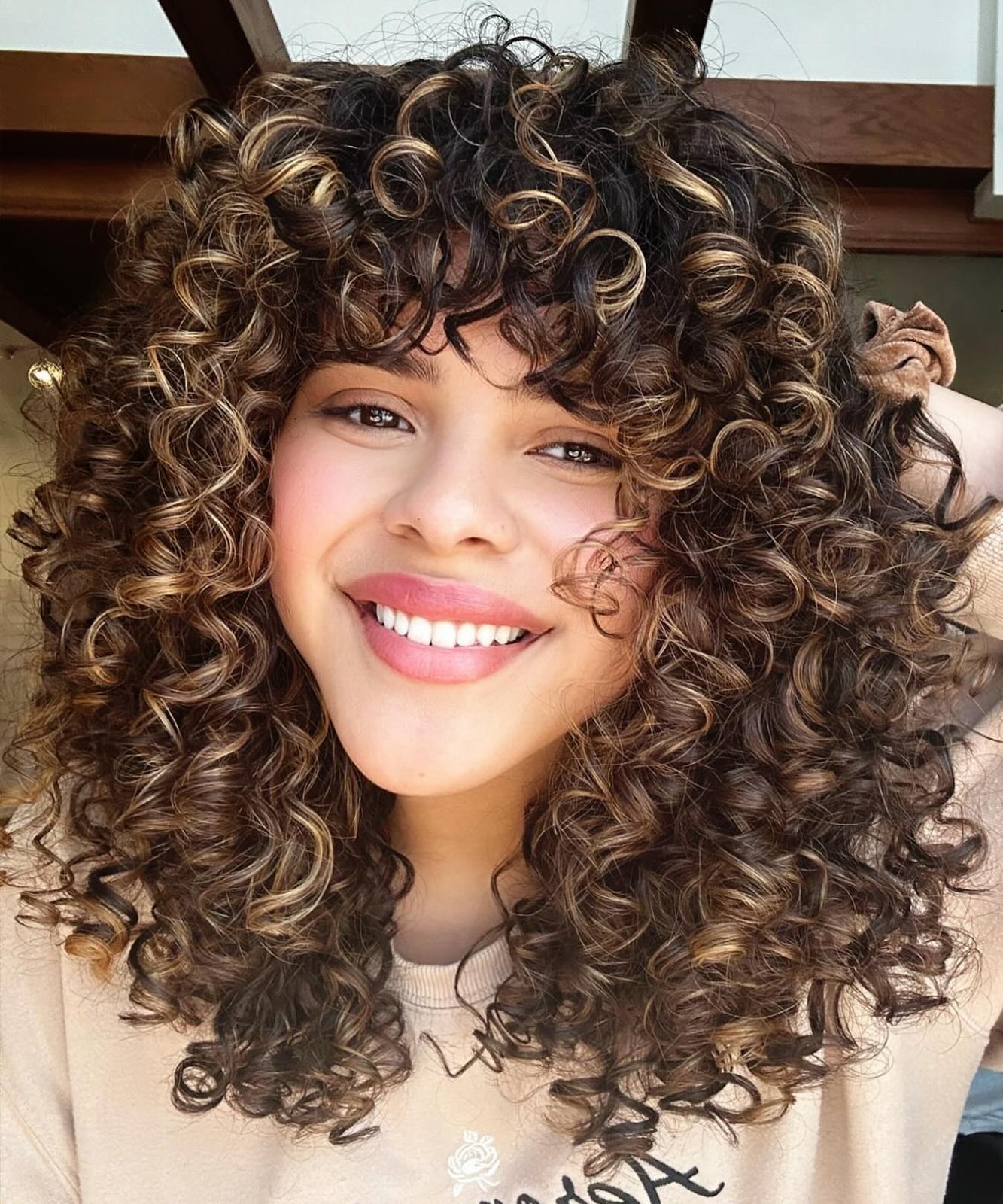
A collarbone bob with curtain bangs works because the face-framing layers follow the curve of the jaw. The medium density curly texture gets a blowout that pushes the honey highlights forward where they become visible. The dark brown base grounds the warmth so the blonde reads as an accent.
Shoulder Layers With Curtain Bangs
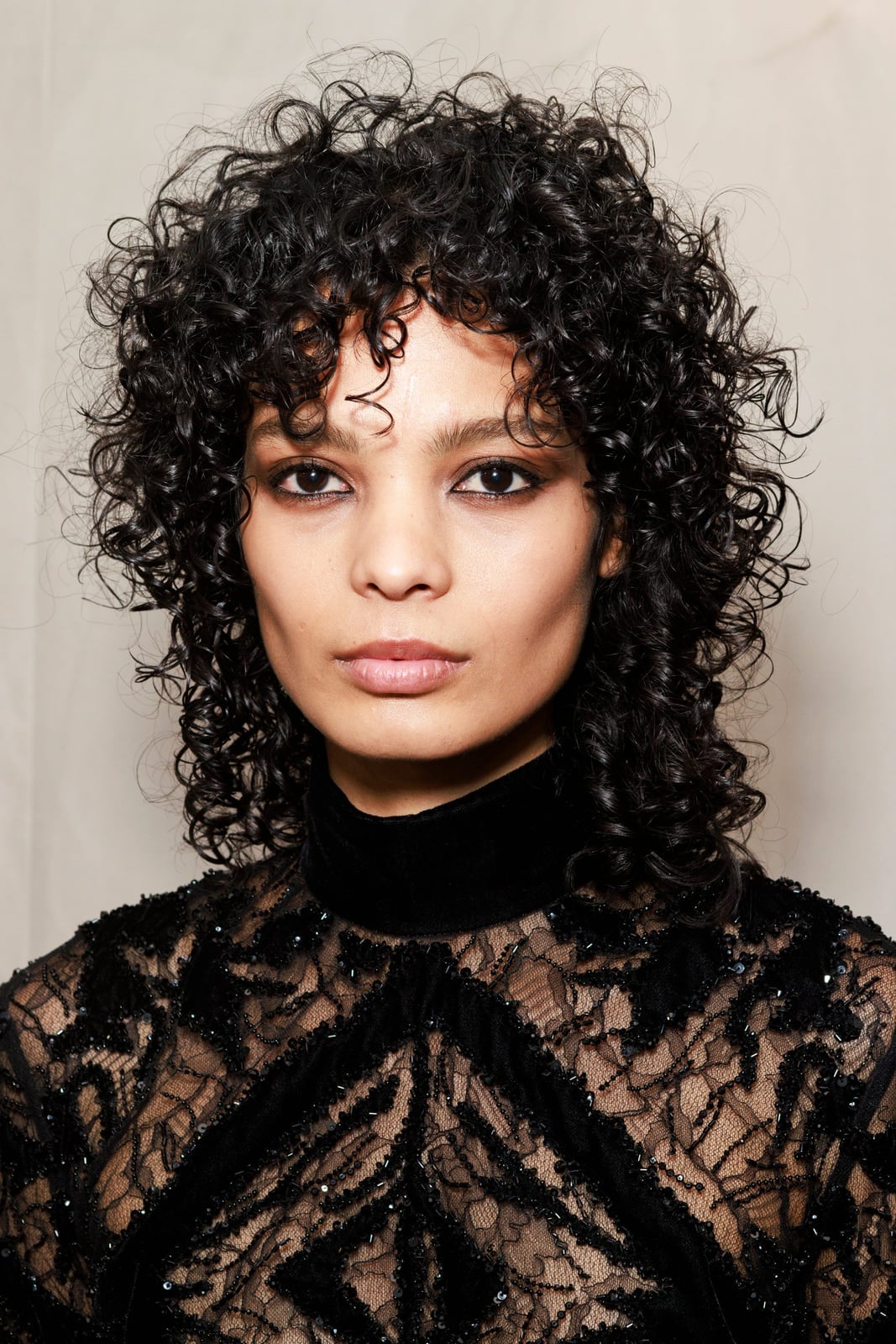
Fine curly hair needs a cut that adds perceived density without removing too much weight. Shoulder-length layers with curtain bangs achieve this by keeping the bulk at the perimeter while the face-framing pieces soften the transition. The middle part and subtle highlights on the dark brown base give the fine texture a fuller appearance. This combination suits oval and round faces best, as the curtain bangs draw the eye outward rather than straight down.
Collarbone Layers With Auburn Undertones
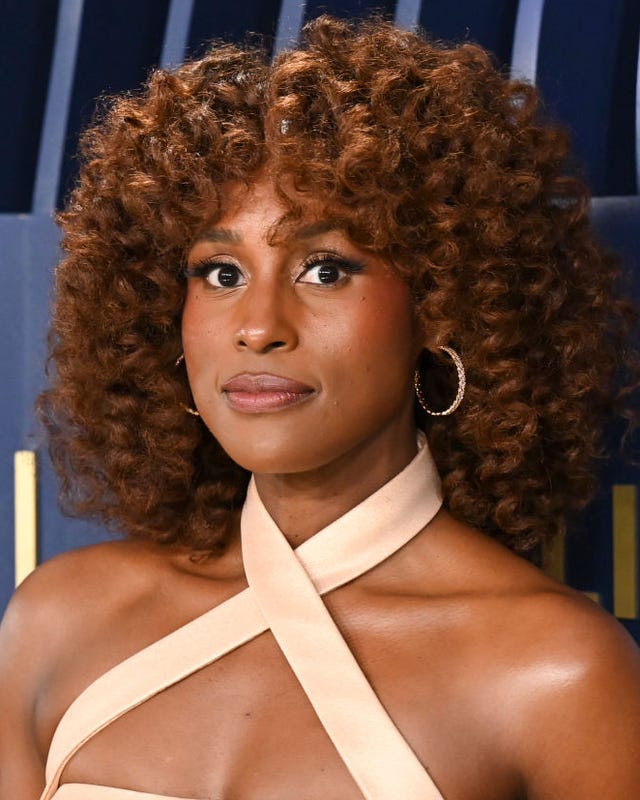
It is not quite copper and not quite chestnut. The medium brown base with auburn undertones lands somewhere in the middle, which makes it a natural fit for the transition from summer to fall. The thick curly texture is cut in collarbone-length layers with curtain bangs, creating a voluminous blowout that shows off the rich color. The auburn undertones are richer and warmer than a flat brown, so the cut works best when the curls are fully defined.
Shoulder Blowout With Curtain Bangs, Middle
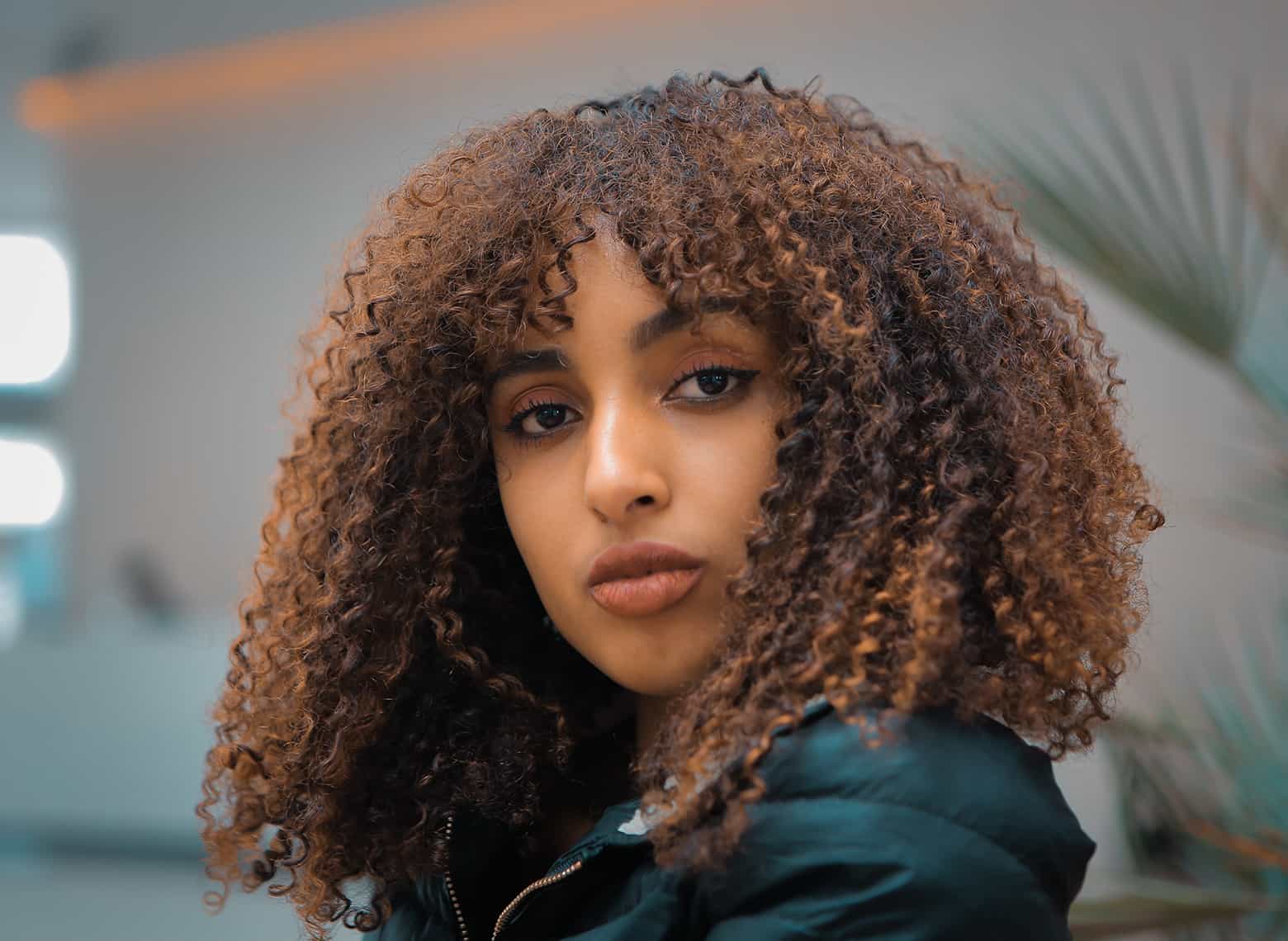
Is a blowout on curly hair worth the 45 minutes with a round brush? With curtain bangs and face-framing layers in a warm brown with subtle highlights, this polished shoulder-length shape holds for a full day. Medium density curls take the heat well, and the curtain bangs soften square and round faces. Ask your stylist for: shoulder-length blowout, curtain bangs, face-framing layers. A smoothing serum on the lengths keeps flyaways at bay. The real drawback: you will need a trim every six to eight weeks, and the blowout is a wash-day commitment, not a refresh.
Bright Blonde Shoulder Cut With Bouncy Curls

A bright blonde on dense curly hair creates a level of volume that darker shades can only envy. This shoulder-length cut uses layers and curtain bangs to frame the face while the bouncy curls provide the shape. The air-dried finish keeps it from looking overstyled, and the bright blonde looks deliberate. Ask your stylist for: shoulder-length layered cut, curtain bangs, bright blonde. The trade-off: that shade needs a toning appointment every four to six weeks to stay cool, while a warmer blonde stretches the time between salon visits.
Shoulder-Length Layers With Subtle Highlights

Air-dried shoulder-length hair with subtle highlights rewards patience. The layers encourage medium density curls to form their own shape, and a side part adds asymmetry. A styling cream helps the definition hold through a workday. Ask your stylist for: shoulder-length layered cut, side part, subtle highlights. A trim every six to eight weeks keeps the ends from looking ragged, and the highlights grow out softly without demanding an immediate root touch-up.
Layered Shoulder Cut With Defined Curls
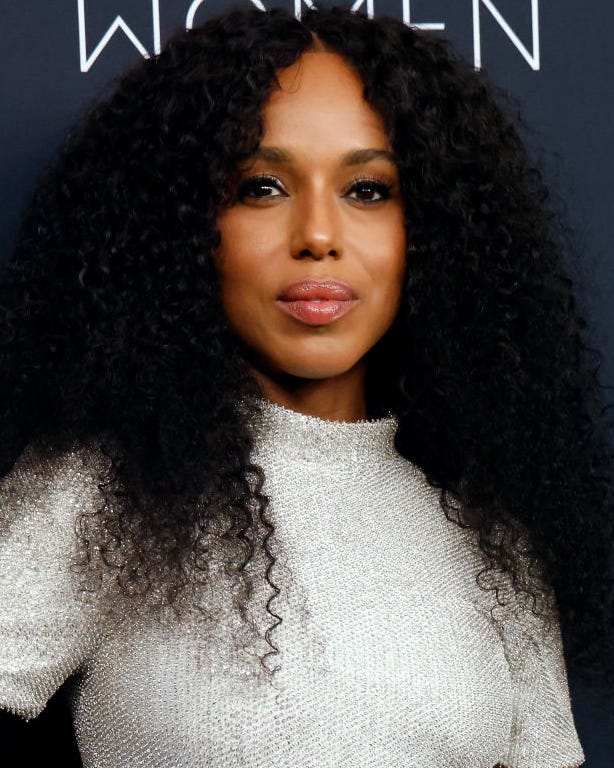
To get a stylist to cut curls that actually look like curls and not a triangle, ask for defined layers cut on dry hair. This shoulder-length cut uses a blowout to show off the dark brown base with subtle lighter pieces, and the layers are cut to follow the curl pattern. Ask your stylist for: shoulder-length layered cut, middle part, subtle highlights. The layers create shape without sacrificing length, so the curls bounce.
Collarbone Bob With Defined Curls

A collarbone bob is deceptively simple to describe and surprisingly tricky to cut. The back view reveals how the layers stack to support the dark brown curls, giving the bob a rounded shape that sits just above the collarbone. The air-dried finish with defined curls means this is a wash-and-go cut for medium density hair. Ask your stylist for: collarbone bob, layers, defined curls, middle part. Leave this one to a salon: a DIY attempt on curly hair often results in an accidental mullet rather than a polished bob.
Collarbone Layers With Subtle Highlights
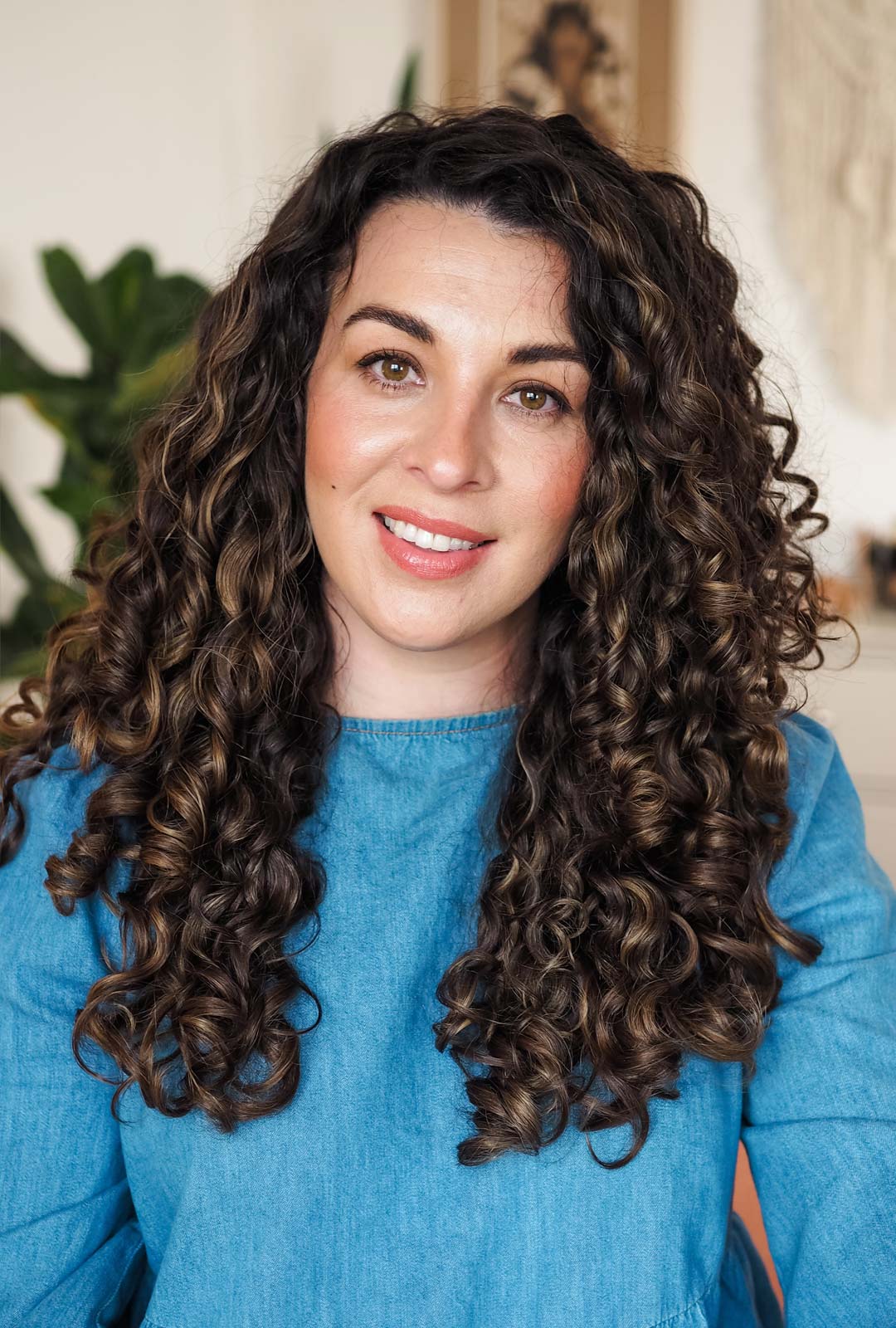
Before you ask for a full balayage, consider this quieter version. Medium-density curly hair cut to collarbone length with layers keeps the shape balanced, and subtle highlights add dimension without a dramatic regrowth line. Ask your stylist for: collarbone layered cut, middle part, subtle highlights. On medium-density curly hair, those lighter pieces can pull brassy after about six weeks, so a toning shampoo every other wash becomes part of the routine. A trim every six to eight weeks preserves the layer shape, and a leave-in conditioner keeps definition where the cut does the work.
Collarbone Cut With Voluminous Curls
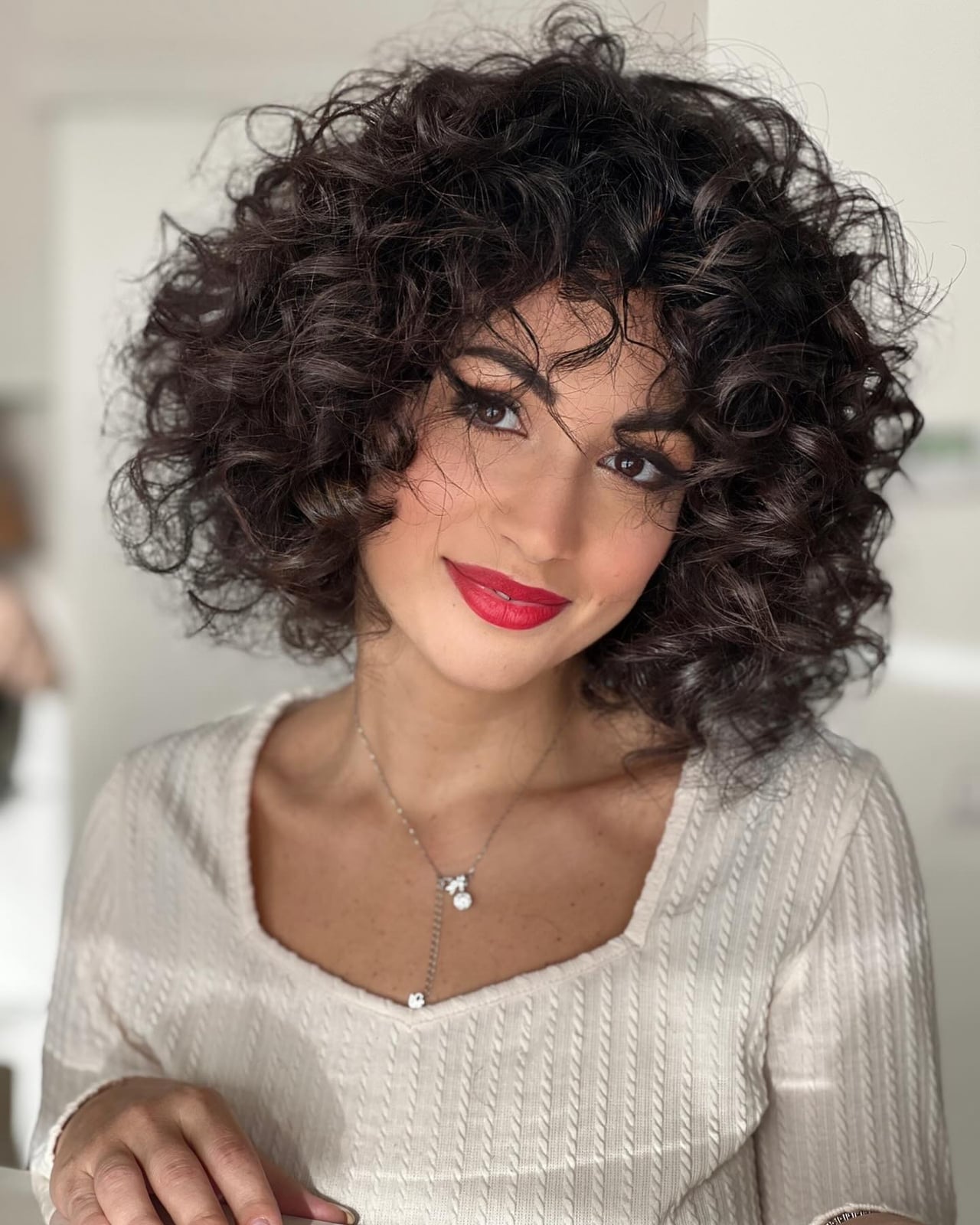
The collarbone length is a sweet spot for thick curly hair: long enough to weigh down the volume a little, short enough that the curls don’t fight each other for space. This cut uses layers throughout to prevent the dreaded triangle effect, and the curtain bangs break up the shape around the face. Ask your stylist for: collarbone cut, voluminous curls, curtain bangs, middle part. The middle parting and curtain bangs work well on round and square face shapes, since the longer side pieces soften the jawline. A curl-defining cream applied to soaking wet hair and left to air-dry gives the most natural finish, and a trim every six to eight weeks keeps the layers hitting at the right point.
Collarbone Lob With Honey Balayage

A collarbone lob with a honey blonde balayage relies on the technique as much as the cut. The colorist paints the lighter pieces onto the ends, leaving the root area darker, so the grow-out is gradual. Ask your colorist for: collarbone lob, loose curls, face-framing pieces, honey blonde balayage. On wavy to curly medium-density hair, the face-framing pieces add a softer outline than a blunt hem would. A side parting adds a little lift at the root, and a texturizing spray on dry hair breaks up the curl clumps for a lived-in finish. The balayage needs a toning appointment every eight to ten weeks to keep the honey tone from turning brassy.
Collarbone Shag With Full Fringe
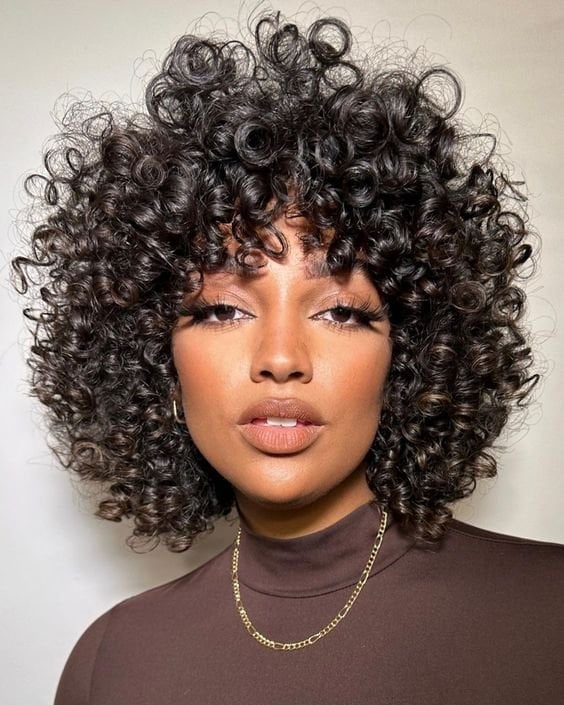
Can a full fringe work on curly hair without looking like a mistake? Yes, if the cut is a shag. The collarbone-length shag uses layers throughout the body to match the density of the fringe, so the whole shape moves together. Ask your stylist for: collarbone shag, full textured fringe, middle part. On thick dark brown curly hair, the full fringe hits just above the brows and the layers stack through the crown and sides. This is a versatile look for both casual days and festive occasions, since the texture is clearly shaped by the cut. Air-drying with a curl-defining cream gives the fringe a soft edge, and a trim every six to eight weeks keeps the layers from losing their shape.
Collarbone Bob With Honey Highlights, Mid-Back
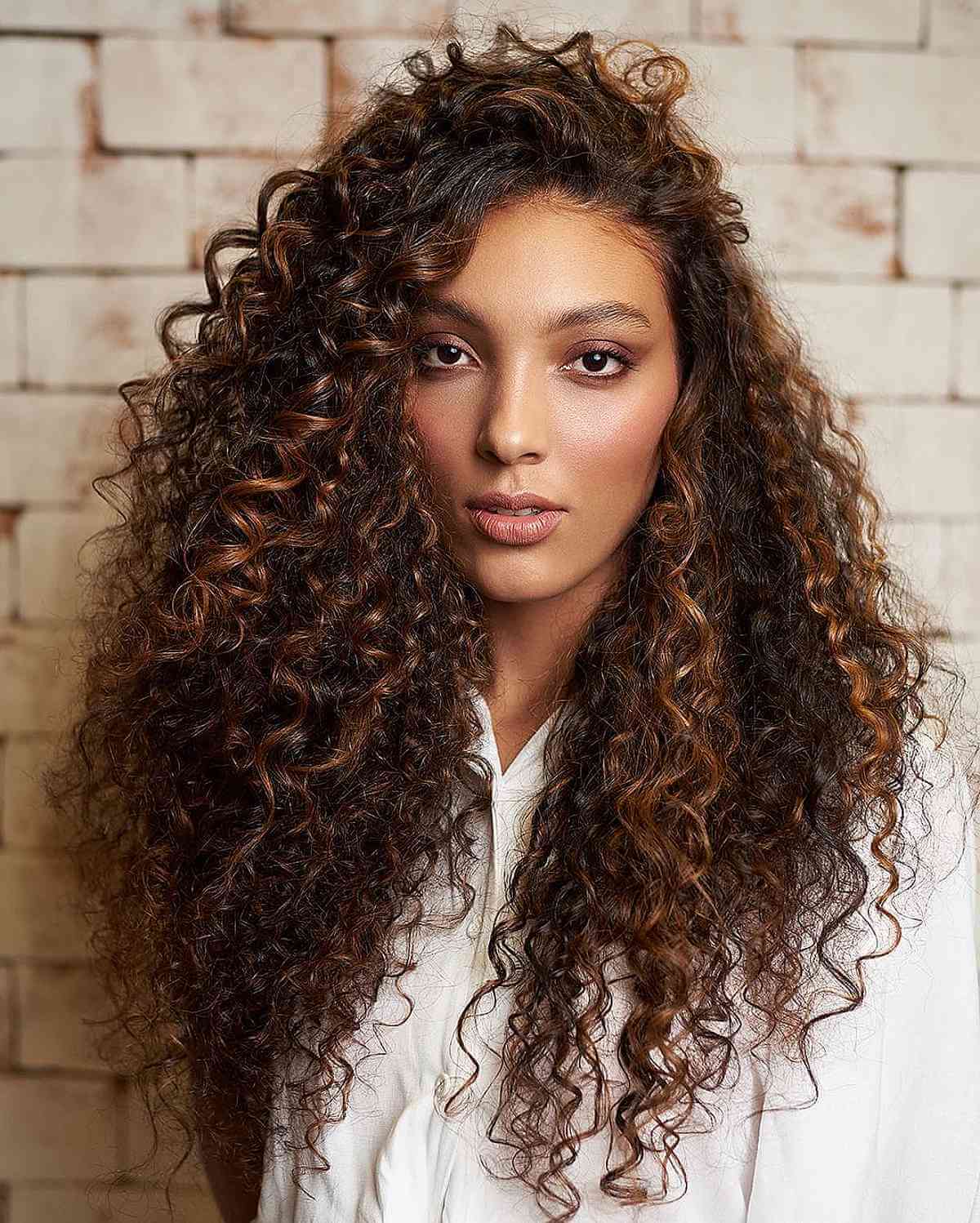
Mid-back length on thick curly hair is a commitment, and the daily reality is that it takes time. This cut uses layers to prevent the weight from pulling the curls flat, and the balayage technique adds honey-toned pieces that break up the dark brown base. Ask your colorist for: mid-back layers, balayage, honey highlights, middle part. The balayage grows out softly, so you can stretch the time between color appointments to about ten weeks, but the length itself needs more frequent attention. A trim every eight weeks keeps the ends from tangling, and a deep conditioner once a week helps maintain curl definition. Air-drying with a leave-in product is the most realistic everyday routine, since diffusing mid-back curly hair takes about twenty minutes.
Mid-Back Layers With Caramel Highlights
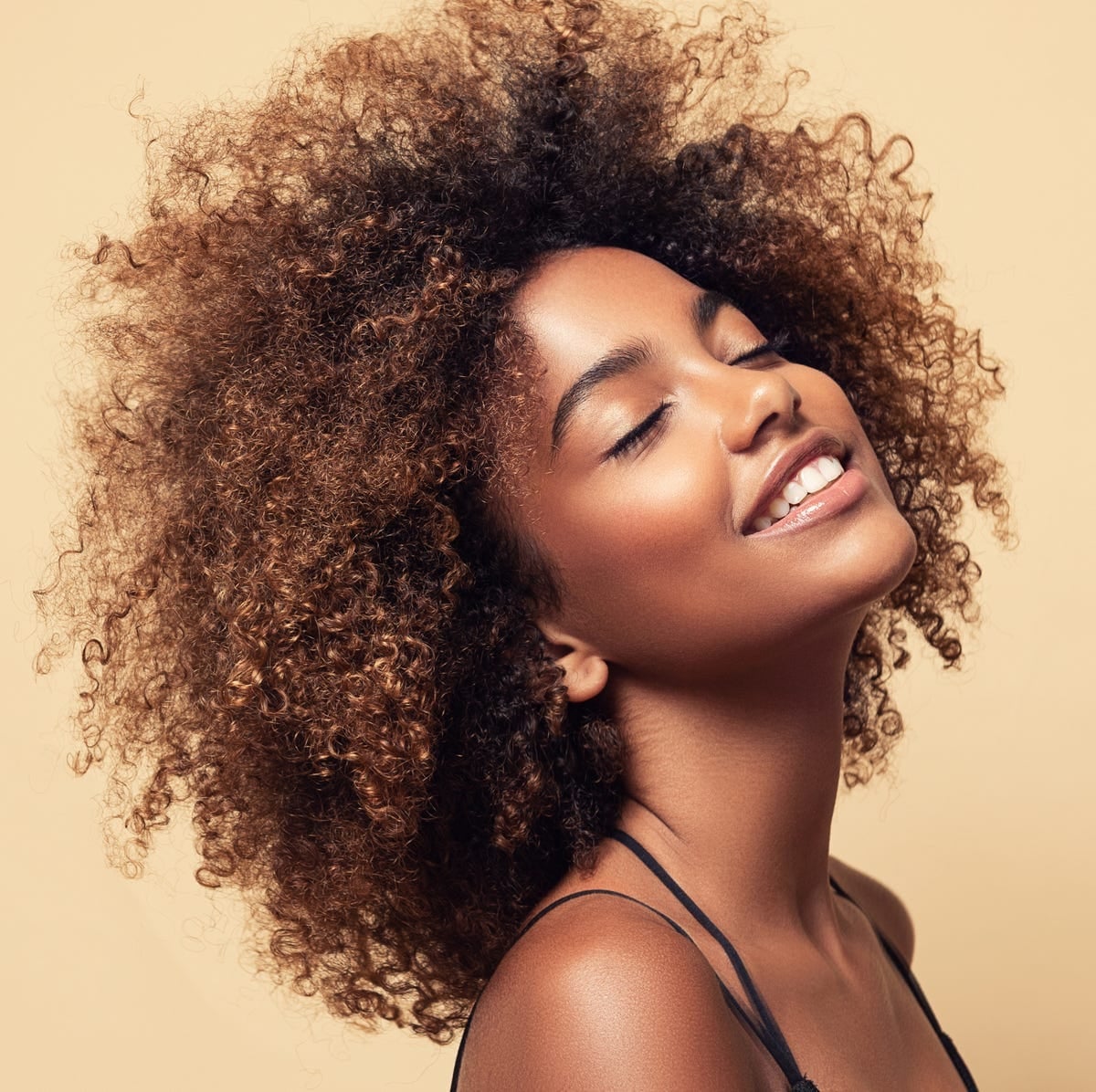
Caramel highlights threaded through dark brown curls catch the light and give the whole cut a glossy lift, even before you touch a styling tool. The layers are cut to move with the curl pattern, so the volume builds naturally rather than sitting flat at the roots. A side parting adds an easy asymmetry that keeps the shape from feeling heavy.
Ask your stylist for: mid-back layered cut, caramel highlights, side part. This suits thick curly hair that already reaches mid-back, and the caramel pieces work best when they start a few inches below the root, which softens the grow-out line. Plan on a trim every eight to ten weeks to keep the layers from turning into one shapeless curtain.
Mid-Back Layers With Lighter Pieces
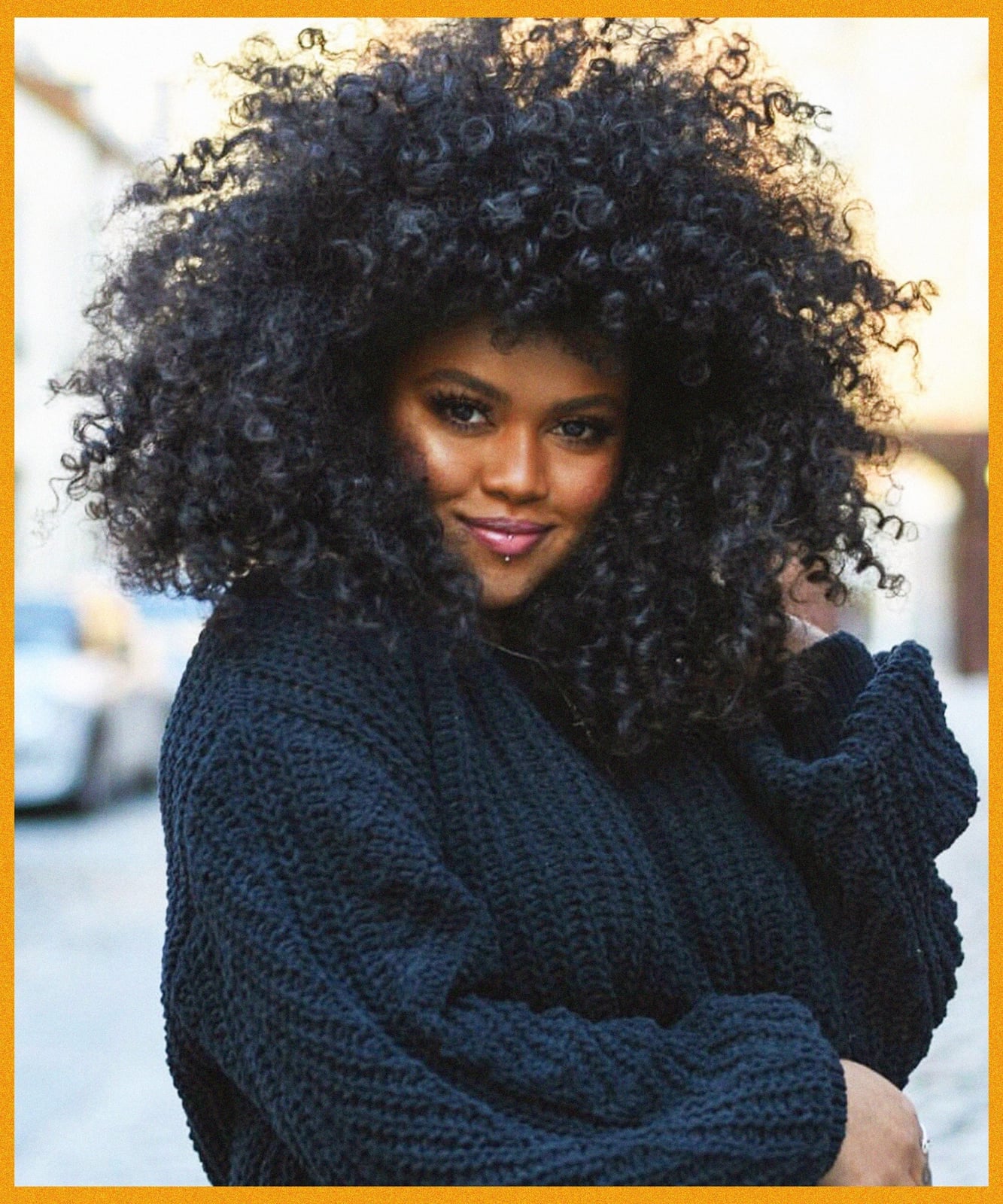
Compared with a solid black base, lighter pieces scattered through the layers give mid-back curly hair a softer, more dimensional look that reads as naturally sun-kissed. The middle parting lets the curls fall evenly on both sides, and the visible layers keep the shape from collapsing into a triangle. Ask your stylist for: mid-back layered cut, lighter pieces, middle part. It flatters most face shapes, though the extra dimension is wasted if you prefer a flat, uniform color. A leave-in conditioner helps define the curl pattern, and a trim every eight to ten weeks maintains the shape.
Mid-Back Black Layers With Volume
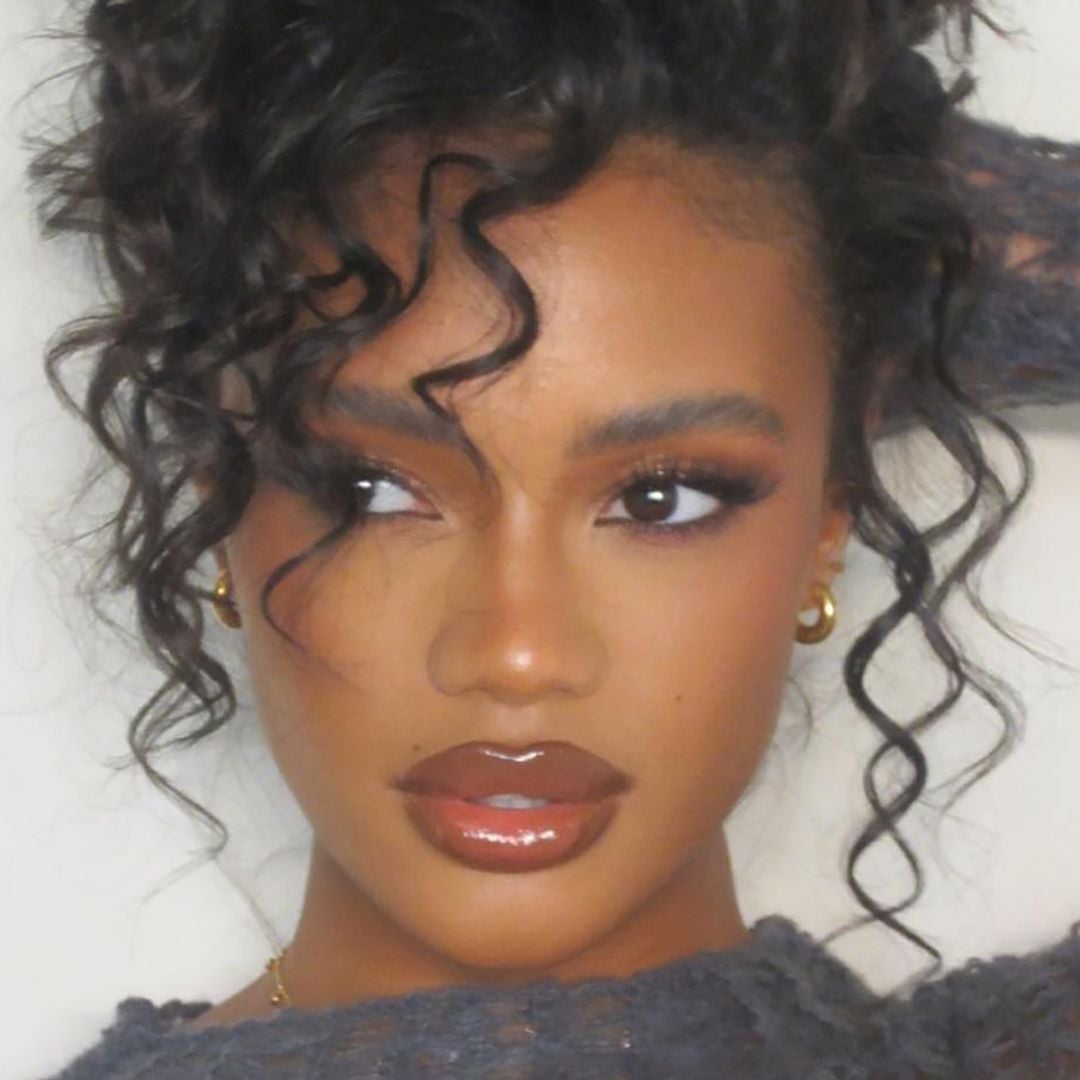
Black curls with visible layers carry serious volume, but the styling here involves pulling the hair up, with loose tendrils escaping around the face. That is a look with a trade-off: the updo shows off the face and the curl texture at the edges, yet it hides the mid-back length and the full shape of the layers underneath. Ask your stylist for: mid-back layered cut, black hair, middle part. If your goal is to display the cut’s volume and movement, an updo is not the way to do it. For days when the hair stays down, a volumizing mousse and a diffuser keep the layers from falling flat by midday.
Mid-Back Layers With Face-Framing Pieces
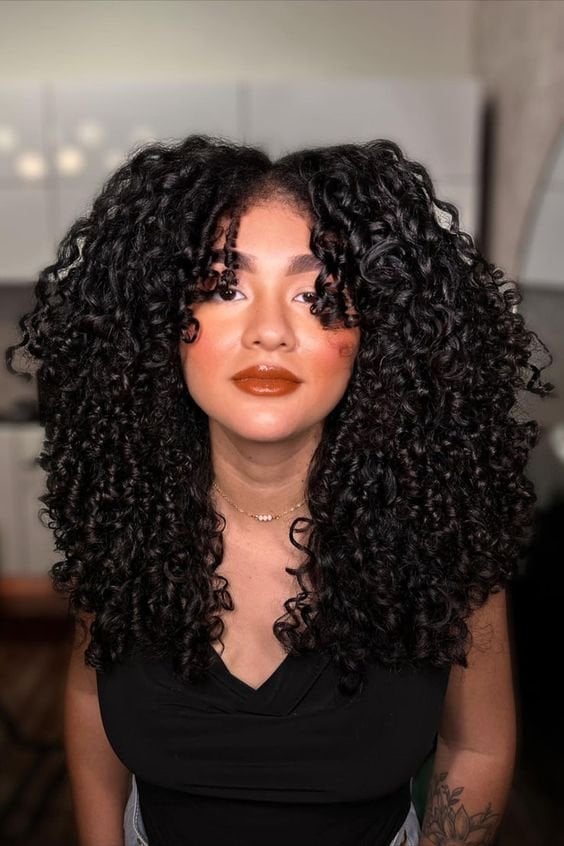
Face-framing layers cut into thick dark brown curls do the work of a contour, softening the jaw and drawing attention to the eyes without needing any product. The layers start around the chin and blend into the mid-back length, so the definition holds from root to tip. A side parting gives the front pieces a natural sweep. Ask your stylist for: mid-back layered cut, face-framing layers, side part. This genuinely suits round and square face shapes, because the soft pieces break up the outline instead of echoing it. A curl-defining cream scrunched through damp hair keeps the shape, and a trim every eight to ten weeks keeps the face-framing pieces from growing past their job.
Mid-Back Long Layers With Volume, Dark Brown
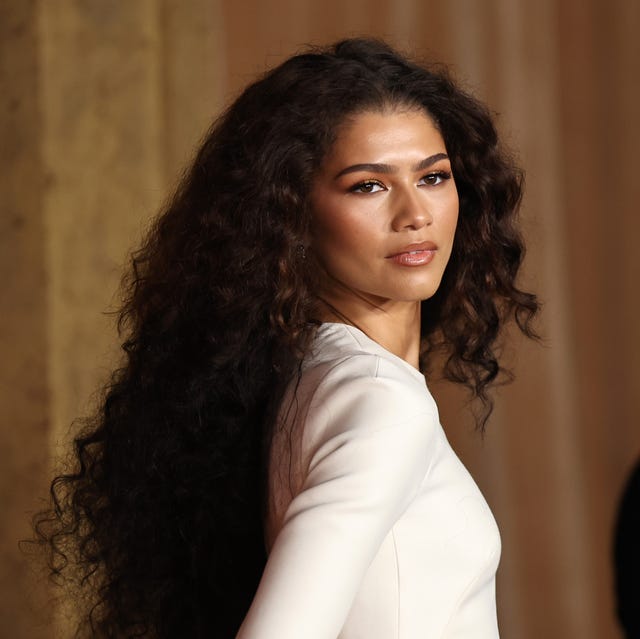
Can air-dried thick curly hair hold volume at mid-back length without a diffuser involved? Yes, if the long layers are cut to remove weight at the interior while keeping the perimeter full. The dark brown base and middle parting let the natural curl pattern stack evenly, so the shape does not collapse into a flat V by midday. Ask your stylist for: mid-back long layered cut, middle part, volume. A volumizing mousse applied to wet hair and left to dry without touching it is the low-effort move here. Plan on a trim every 8 to 10 weeks, because long layers on dense texture grow into a heavy triangle faster than you expect.
Mid-Back Layers With Rounded Shape
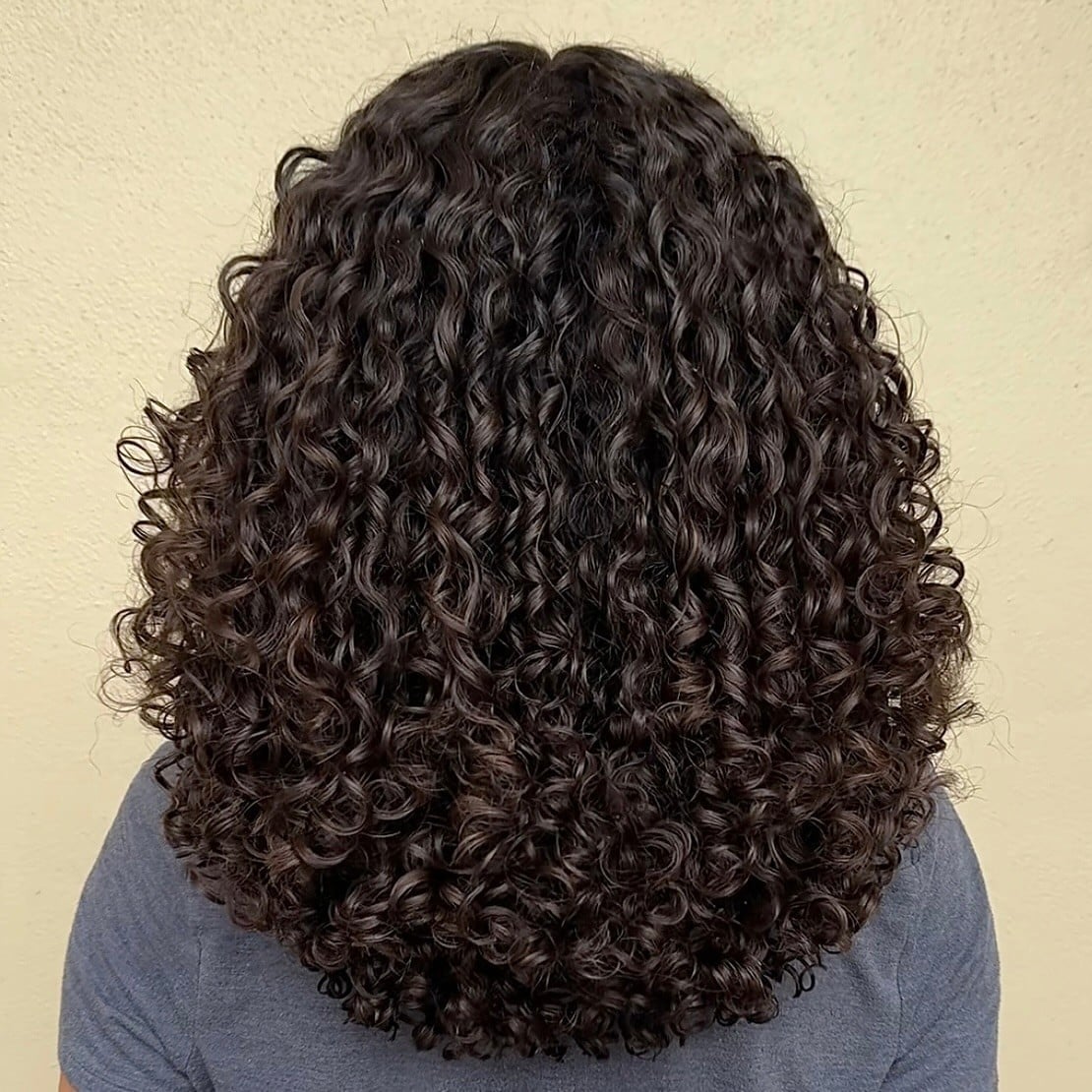
The rounded shape here is not an accident of a good hair day, it’s a cutting decision. On dense curly hair cut in mid-back layers, the stylist works each section so the curls stack into a full, even dome from the back. A medium parting keeps the weight distributed, and the absence of bangs lets the eye travel down the whole silhouette. This is a cut that rewards patience in the chair, because the layering has to be mapped to your curl pattern, not guessed at.
Ask your stylist for: mid-back layered cut, rounded shape, volume. Dense curly texture is the non-negotiable starting point; fine or sparse hair won’t hold the shape. The air-dried finish is the point, so a curl-defining cream scrunched in while wet, then left alone, gets you there. Plan on a trim every 8 to 10 weeks, because the roundness blurs fast once the ends start to feather.
Mid-Back Layers With Voluminous Curls
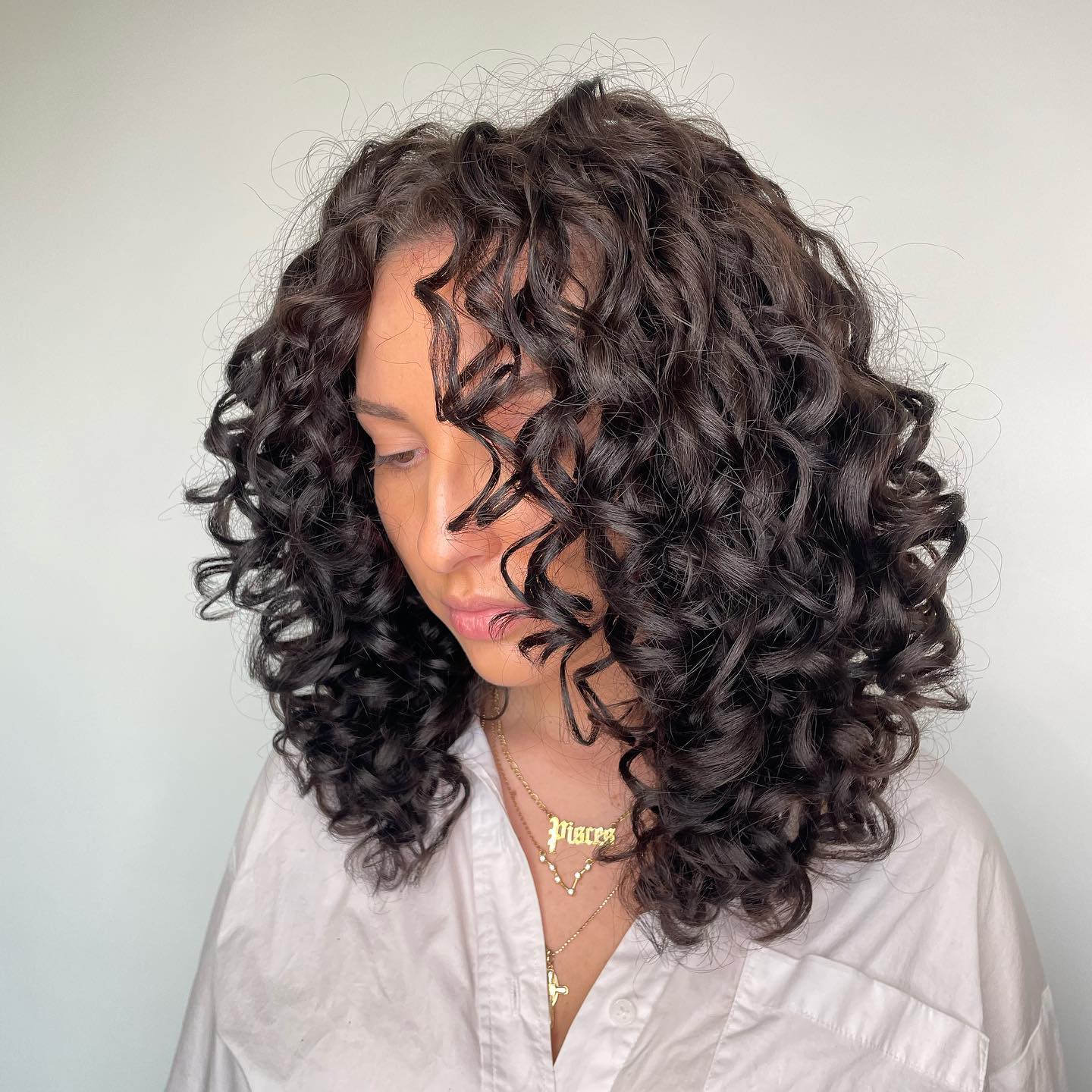
Air-drying dense curls to full volume is a summer move that actually works, and this mid-back layered cut is built for it. With no bangs and a medium parting, the layers lift at the root and spring back into defined, voluminous curls that hold their shape without heat. The side view shows how the weight stays off the ends, so the whole mass feels light even at mid-back length.
Ask your stylist for: mid-back layered cut, no bangs, voluminous curls. A curl-enhancing mousse applied to soaking hair, followed by a diffuser on low, gives the same bouncy finish on days when air-drying feels too slow. This is an everyday, natural look that suits dense curly texture and most face shapes, and it lands best in warm weather when humidity is your ally, not your enemy. Stick to a trim every 8 to 10 weeks to keep the layers from growing into a heavy triangle.
Final Thoughts
For fine curls, prioritize a blunt baseline with minimal layering to keep density. Thick curls benefit from layers that remove bulk and let each coil spring up. Match the cut to your texture, not the latest trend.
- Trim every 6-10 weeks to maintain shape and prevent split ends.
- Use a sulfate-free shampoo and conditioner designed for curly hair.
- Apply curl-defining cream or mousse to damp hair before air-drying or diffusing.
- Avoid excessive heat styling; opt for air-drying or low-heat diffusion.
- Refresh curls between washes with a light leave-in conditioner or curl refresher spray.
Embrace your natural texture with a cut that celebrates your curls.