Curly hair worn down is about working with your natural texture, not against it. Soft face-framing layers and lived-in color have replaced blunt, one-length shapes for a reason: curls move better when they are not fighting weight at the ends.
These 32 Curly Hair Down Ideas cover every length from a chin-skimming bob to mid-back volume, with options for fine coils, thick ringlets, and every density in between. If your fine curls go flat by midday or your deep color shows a visible grow-out line, there is a cut, a fringe, or a tone shift here that solves it without an all-over commitment.
Voluminous Collarbone Cut With Curtain Bangs
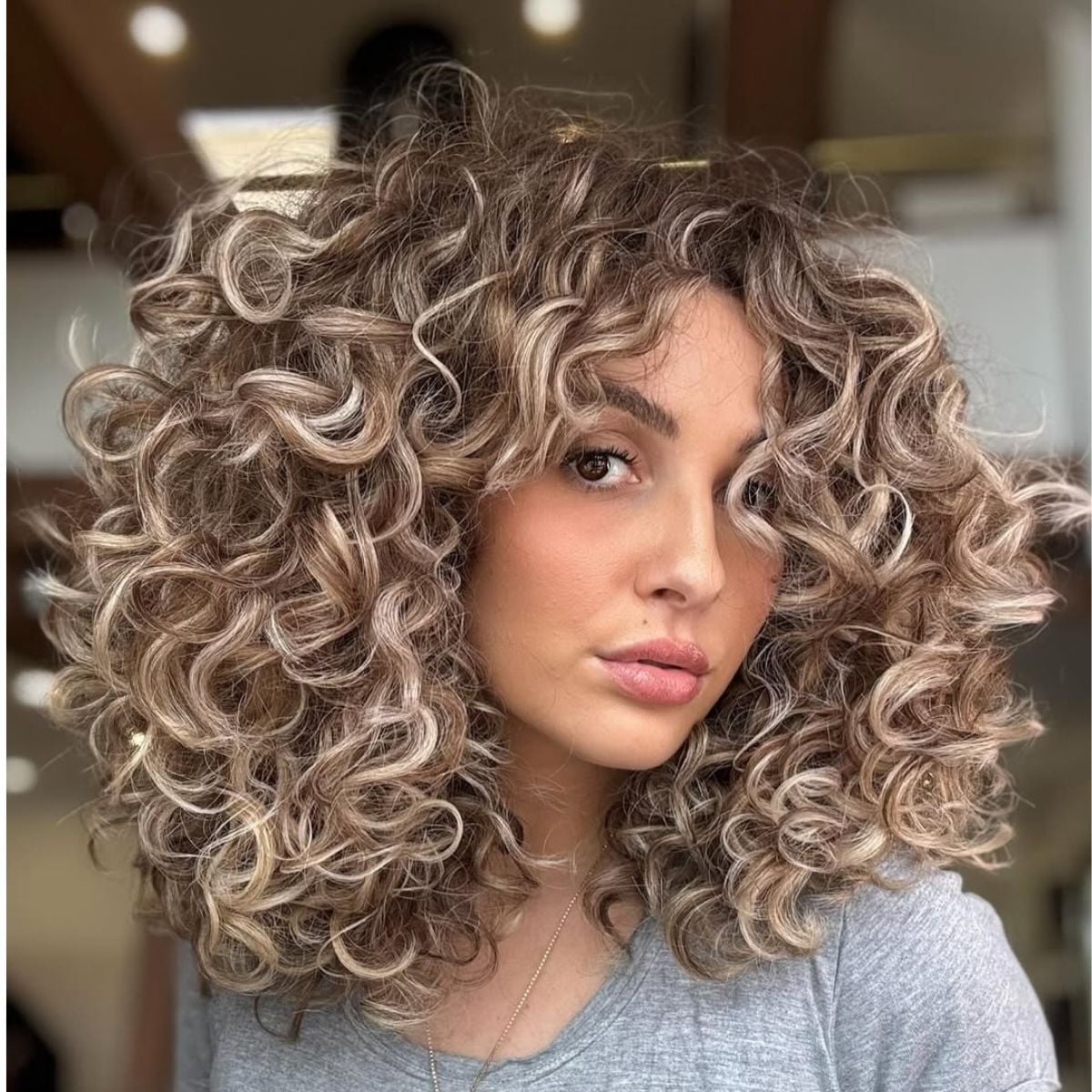
This cut uses a blowout to lift thick curly texture into a rounded shape that starts at the collarbone. The curtain bangs open up around the brows instead of sitting flat, which keeps the volume from reading as top-heavy. It suits thick, naturally curly hair that already reaches the collarbone or longer. Ask your stylist for: collarbone length layered cut with voluminous curls and curtain bangs. A round brush on the bangs during blow-drying sets the curve, and a trim every six to eight weeks keeps the shape from turning into a triangle.
Collarbone Layers With Face-Framing Bangs

Curtain bangs for curly hair depend on the layering. Thick dark brown curls cut to collarbone length with blonde highlights need face-framing layers that start below the cheekbone, so the bangs fall soft rather than dense. This approach works well for softening square or angular jawlines. Ask your stylist for: collarbone length layered cut with soft curtain bangs. Air drying with a curl cream gives definition, and a side part can shift volume to one side when you want it.
Collarbone Blowout With Honey Blonde Curls
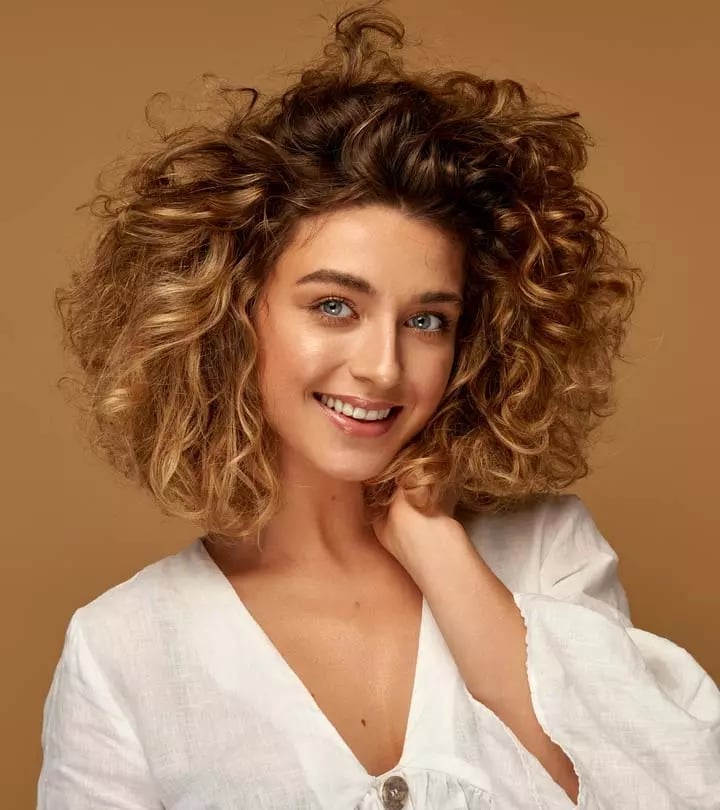
The technique here is balayage on a brown base, painted so the honey blonde highlights sit on the surface of each curl rather than through the whole strand. That placement keeps the curl pattern visible and the dimension subtle. Ask your stylist for: collarbone curly cut with curtain bangs, blowout style. A medium round brush directs the bangs forward during drying, and a trim every six weeks maintains the shape.
Collarbone Curls With Auburn Highlights
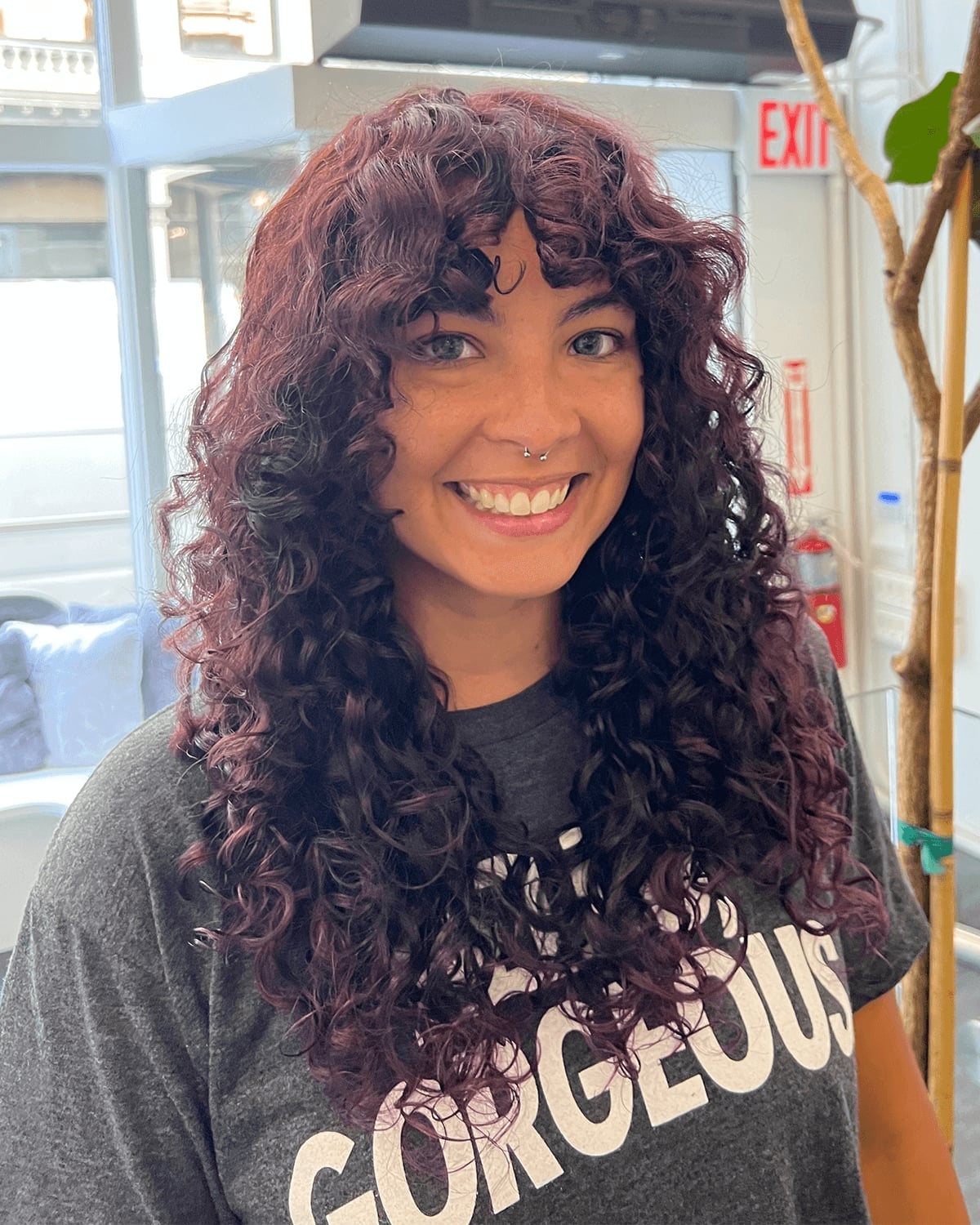
This is the air dried alternative to a salon blowout. Dark brown curls at collarbone length with subtle auburn and blonde highlights rely on the cut itself for shape. The layers and curtain bangs are manageable with a curl cream applied to damp hair, then left alone. Ask your stylist for: collarbone layered cut with curtain bangs and subtle auburn highlights. A trim every six to eight weeks keeps the layers from growing heavy. It takes about ten minutes of hands on time.
Bob With Curtain Bangs And Side Part
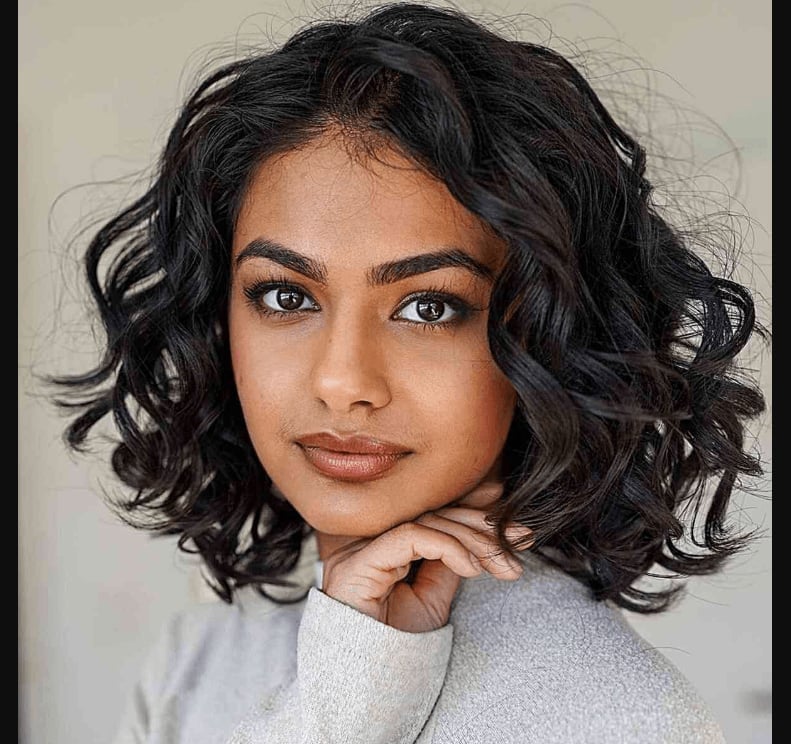
A bob on fine curly hair can collapse by midday, so the side part here does double duty. It shifts the weight off center and lets the curtain bangs fall across the forehead instead of straight down. The collarbone length gives the curls enough room to bounce without pulling the shape wide. Ask your stylist for: collarbone bob with curtain bangs and a side part. A diffuser on low heat sets the curl pattern without disturbing the fine texture, and the bob needs a trim every six to eight weeks to hold its line.
Shoulder Layers With Face-Framing Bangs, Side
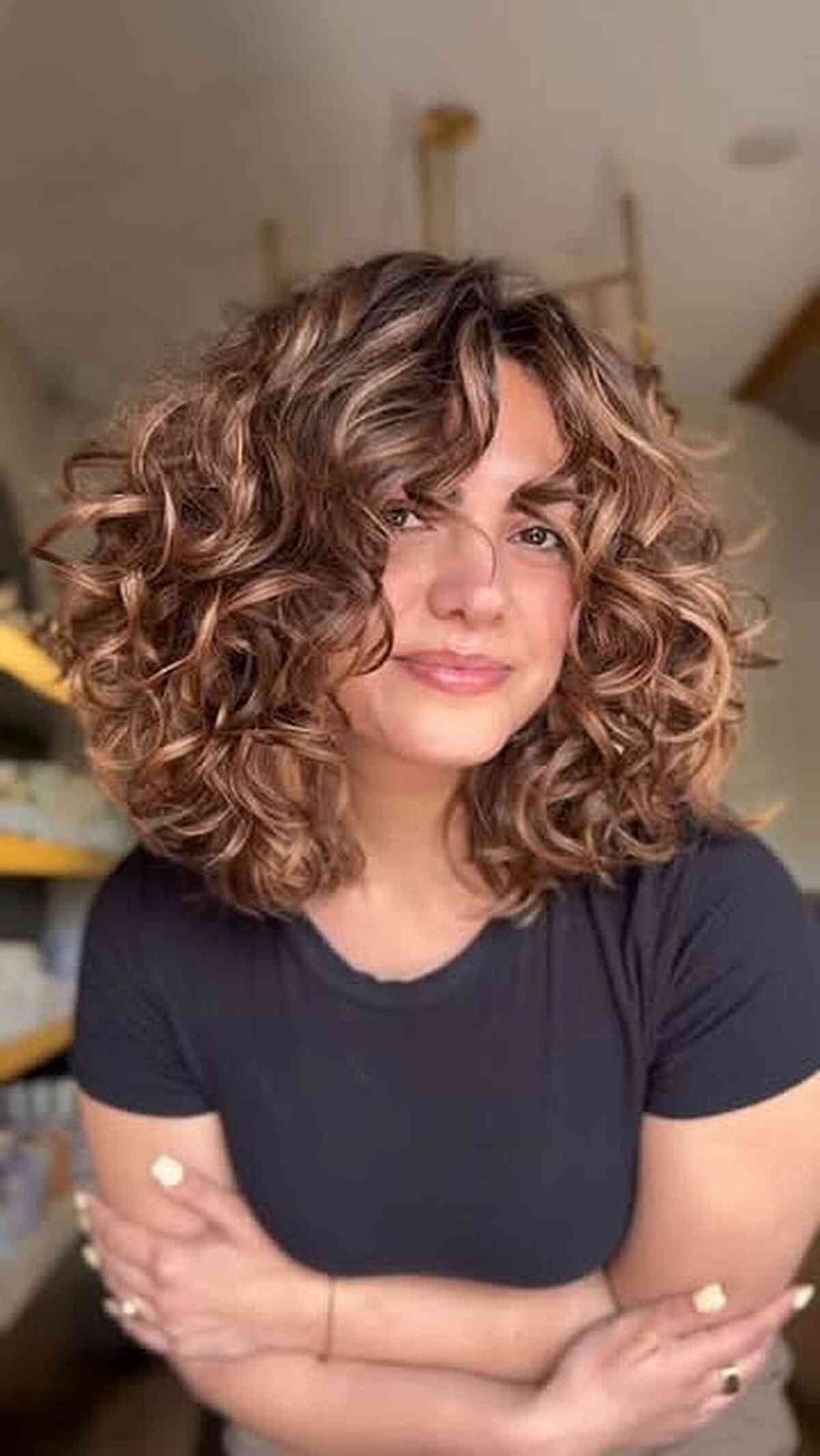
Curtain bangs on curly hair need length to land correctly, which is where most people go wrong. Ask your stylist for a shoulder length layered cut with curtain bangs and a side part, and insist the bangs hit just below the brows when dry. Too short and they bounce up to mid-forehead, and too blunt and they sit like a heavy helmet. The layers here do the real work, lifting the curl pattern around the cheekbones while the side part sweeps the weight off one side. A fringe that short means a trim every four to six weeks, no negotiation.
Shoulder Curls With Face-Framing Bangs
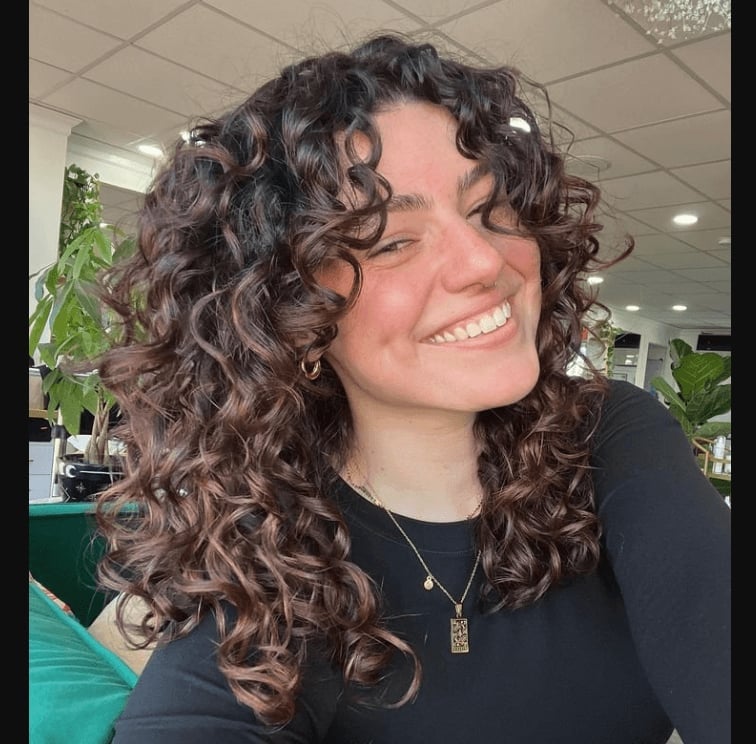
This is not a loose wave you can rough-dry and forget. These are defined, thick curls with face-framing bangs, and the difference is in the shaping. Ask your stylist for a shoulder length layered cut with face-framing bangs and lighter brown highlights, which gives each curl a clear boundary instead of a blended curtain. The side part adds a little lift at the root, but the real payoff is the framing around oval and heart faces. If your hair is medium density instead of thick, the same cut looks softer and less structured, which is worth knowing before you book.
The darker base with lighter brown highlights creates dimension, not contrast, so the curls hold their shape without looking piecey. The usual routine involves a leave-in conditioner and a diffuser on low heat, and the trim rhythm sits at six to eight weeks to keep the bangs from turning into a separate species.
Shoulder Length With Defined Curly Bangs
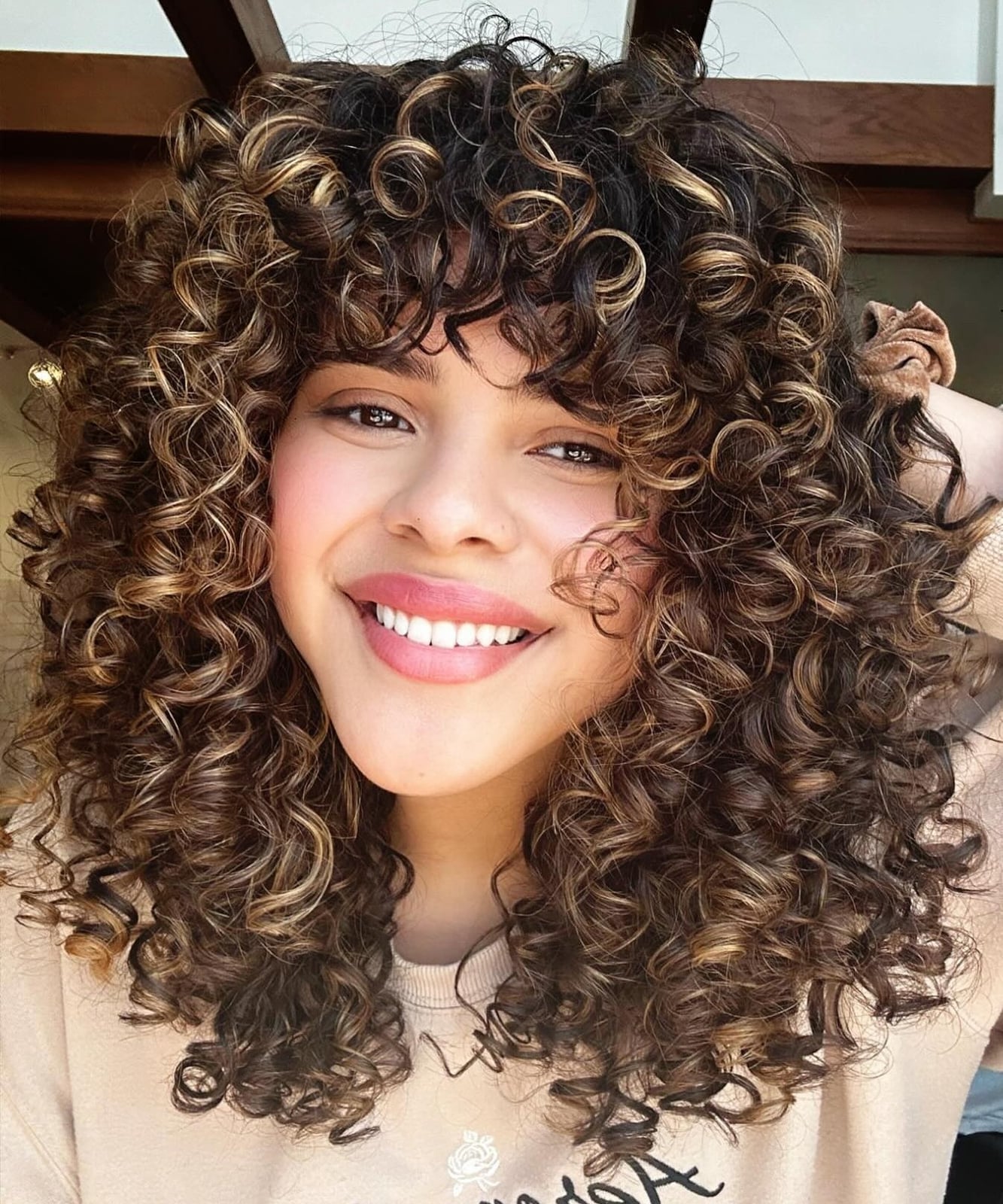
Curly bangs are their own small project, and this cut only works if your curl pattern is consistent from root to tip. Ask your stylist for a shoulder length cut with defined curly bangs, and be prepared to style them separately. The styling steps are simple: dampen the bangs, apply a curl cream, and use a diffuser while the rest air dries. A middle parting keeps the bangs centered and the shoulder length prevents them from disappearing into the hair. This is a DIY-friendly option for medium to thick density, and it suits most face shapes as long as the bangs are cut to sit just above the brows when dry.
Shoulder Layers With Honey Blonde Highlights
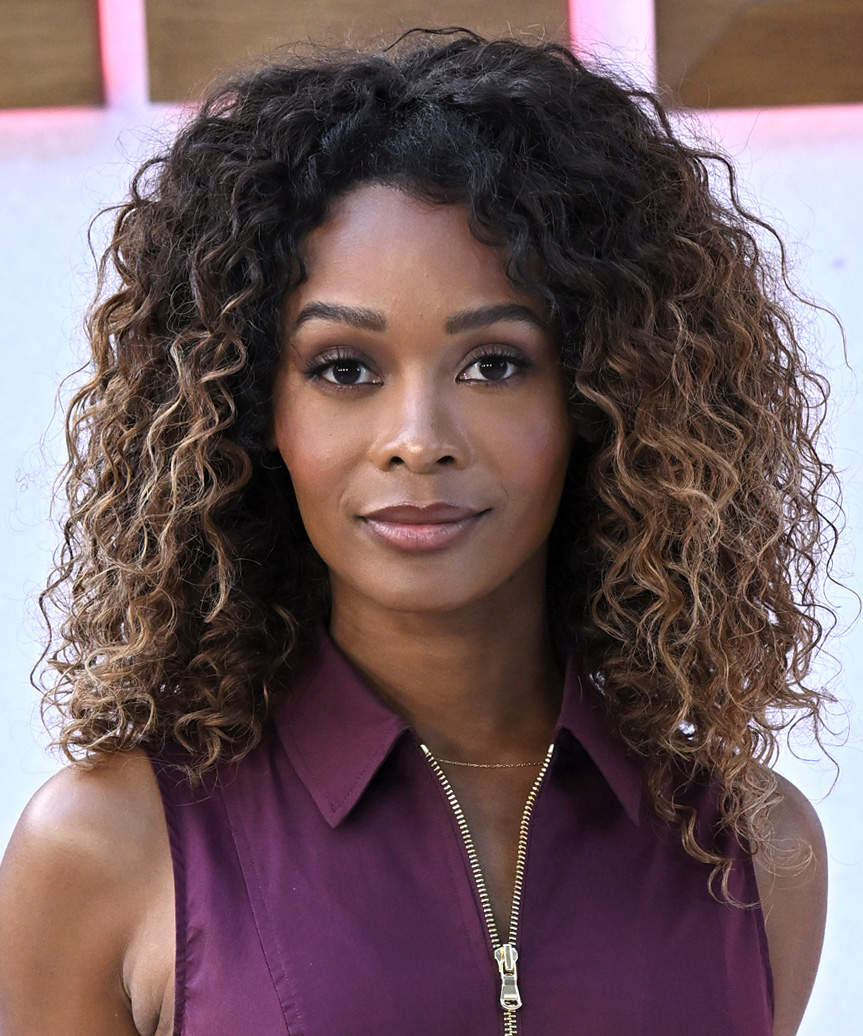
How do you ask for blonde highlights that don’t turn brassy against dark brown curls? The answer is in the placement and the tone. Ask your stylist for a shoulder length layered cut with blonde highlights, specifying a honey blonde rather than a cool ash, which warms the dark base without fighting it. The highlights here are scattered through the layers, so the curls catch light at different points rather than one solid stripe. A middle parting and a blowout with a round brush gives a polished finish that holds for about two days, and the trim interval is every six to eight weeks to keep the layers from growing into an uneven blob.
Shoulder Layers With Depth
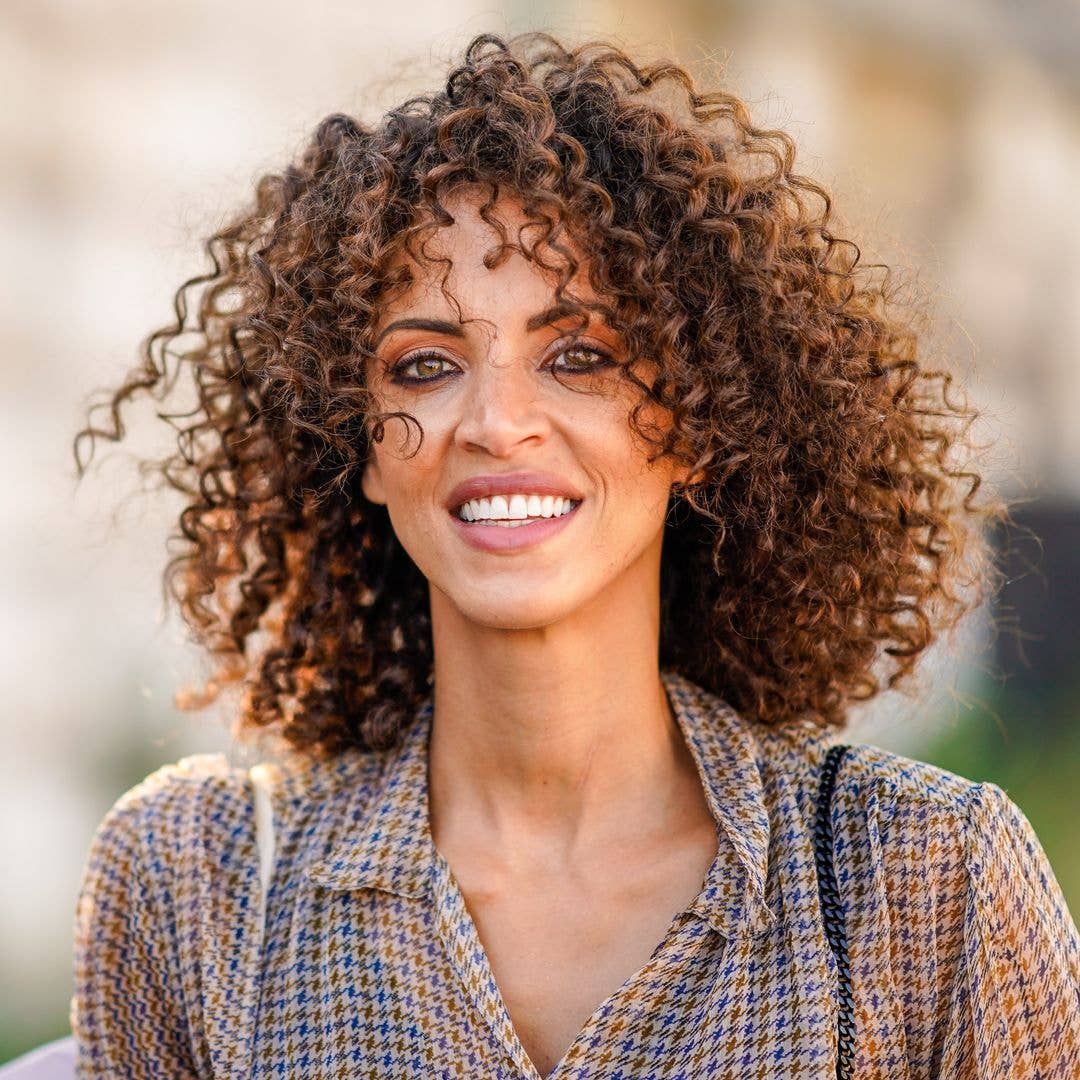
Layers on curly hair are a double-edged sword: they create shape and movement, but they also expose every strand to air, which can mean frizz on a humid day. Ask your stylist for a shoulder length layered cut with depth, using the lighter blonde highlights to give the curls a visual structure that the air-dried texture alone won’t provide. The middle parting lets the layers fall evenly on both sides, and the medium-density curl pattern holds the shape without needing a blowout. A curl enhancer applied to damp hair and left to air-dry is the standard approach, and a trim every six to eight weeks keeps the layers from turning into a shapeless mass.
Shoulder Layers With Dramatic Side Part
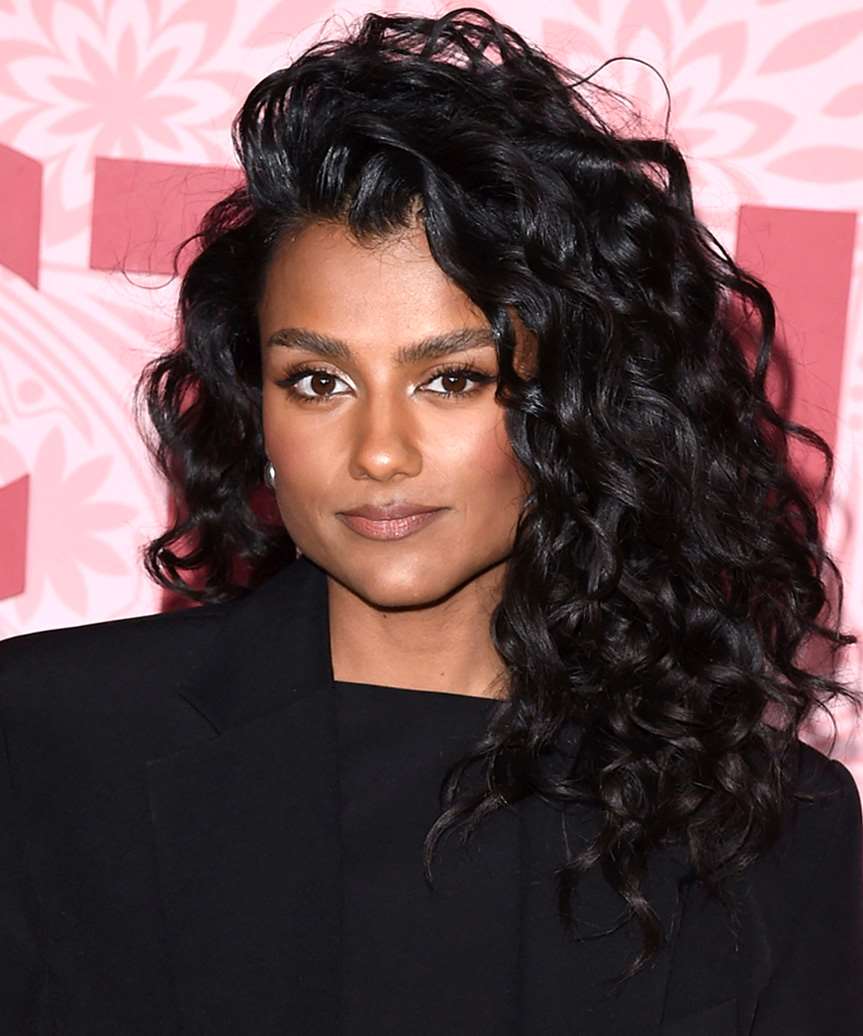
A dramatic side part on shoulder-length layered curls is less about the part itself and more about the volume it creates on top. Sweeping thick, dark brown curls to one side lifts the root on the other, which instantly adds height and shifts the whole silhouette from round to asymmetrical. The blowout finish smooths the cuticle, so the layers read clearly instead of blending into one mass. Ask your stylist for: shoulder length layered cut with a dramatic side part. This works best on thick, curly hair that can hold the shape without collapsing. Set the part with a strong-hold hairspray and plan on a trim every six to eight weeks to keep the layers from growing heavy.
Shoulder Curls Natural Pattern
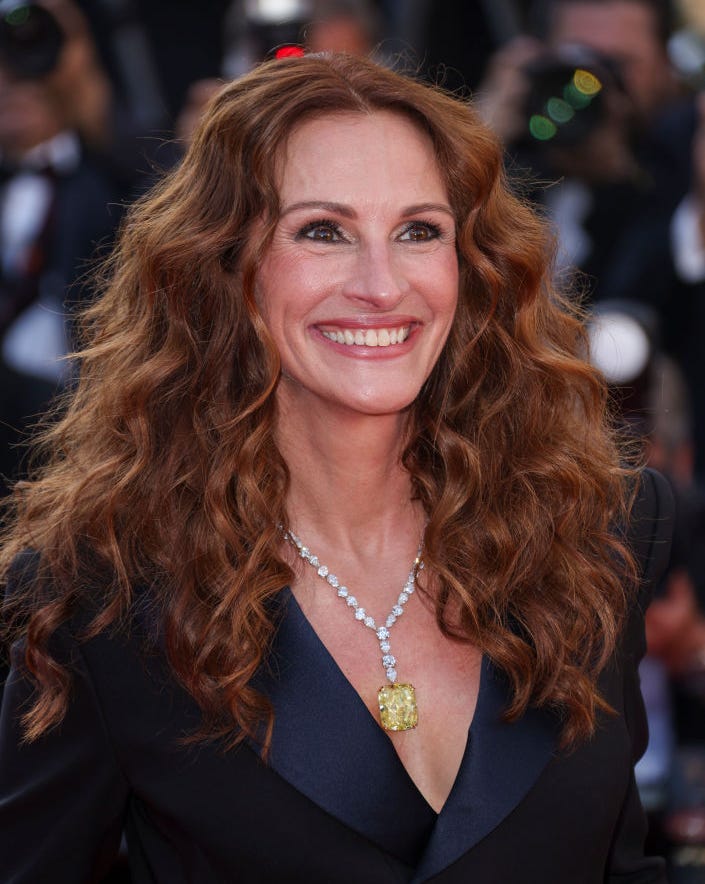
Air-dried shoulder-length curls with a side parting and no bangs are the lowest-maintenance version of this length, but they come with a trade-off. Medium-density hair in its natural pattern does what it wants, which means some days the curls sit perfectly and other days they fluff out in odd directions. That unpredictability is the honest drawback, and it is why this cut suits people who do not need their hair to behave on cue. Ask your stylist for: shoulder length cut to enhance natural curl pattern. A curl-defining serum on damp hair keeps the shape consistent, and a trim every six to eight weeks prevents the ends from splitting. Skip this if you prefer a polished, uniform finish.
Shoulder Defined Curls With Subtle Highlights
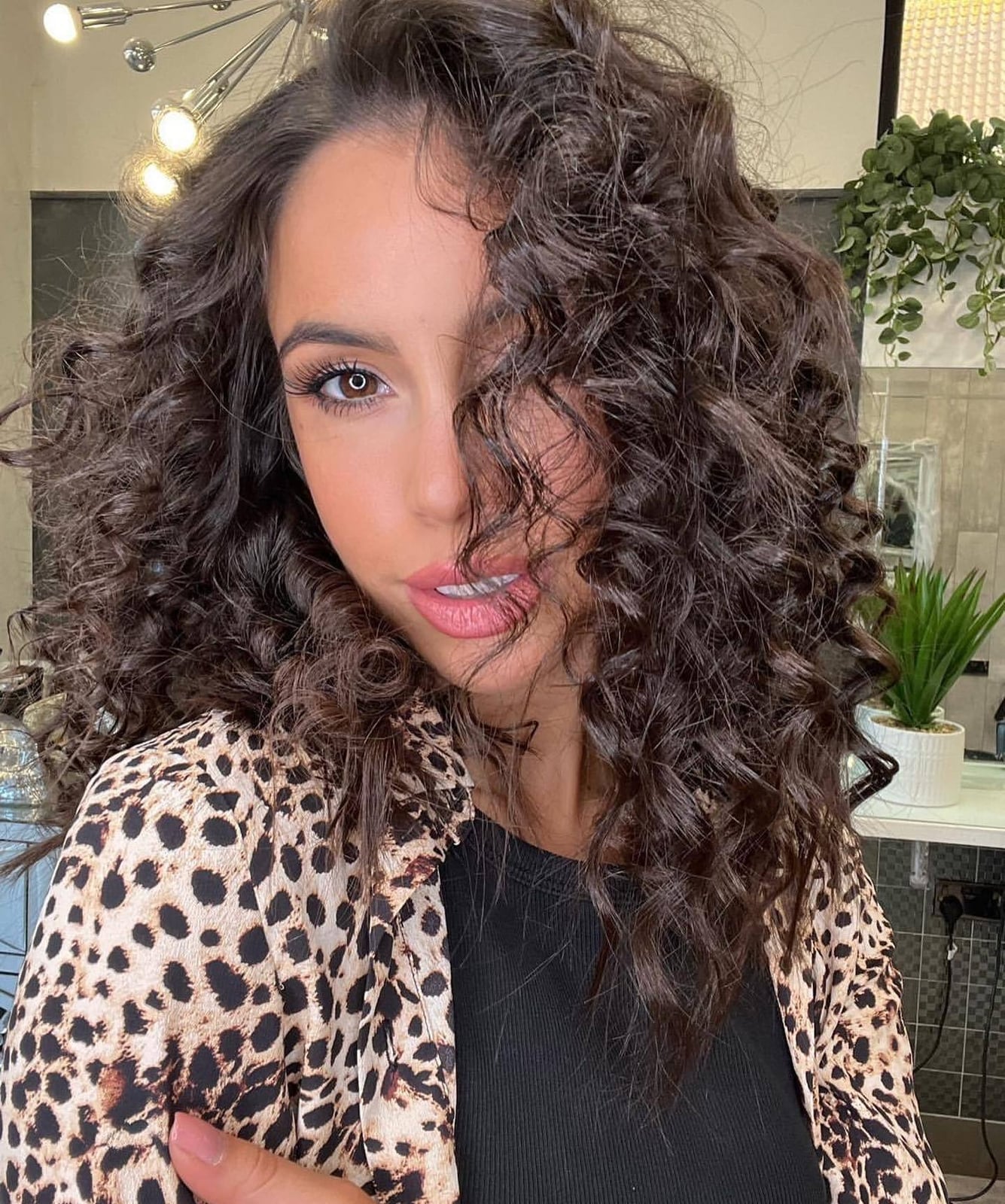
The mistake most people make with defined curls and subtle highlights is over-styling until the texture looks stiff and the color disappears. Thick, collarbone-length curls air-dried with a side parting already have enough shape, so the job is to let the highlights show through, not to fight the pattern. Ask your colorist for: shoulder length layered cut with subtle highlights. Keep the styling minimal: a microfiber towel to blot, then a light curl cream to seal the ends. The highlights add dimension without turning the hair brassy, and a trim every six to eight weeks keeps the layers from tangling. If you over-scrunch, you will lose the softness that makes this look work.
Short Bob With Fine Tight Curls
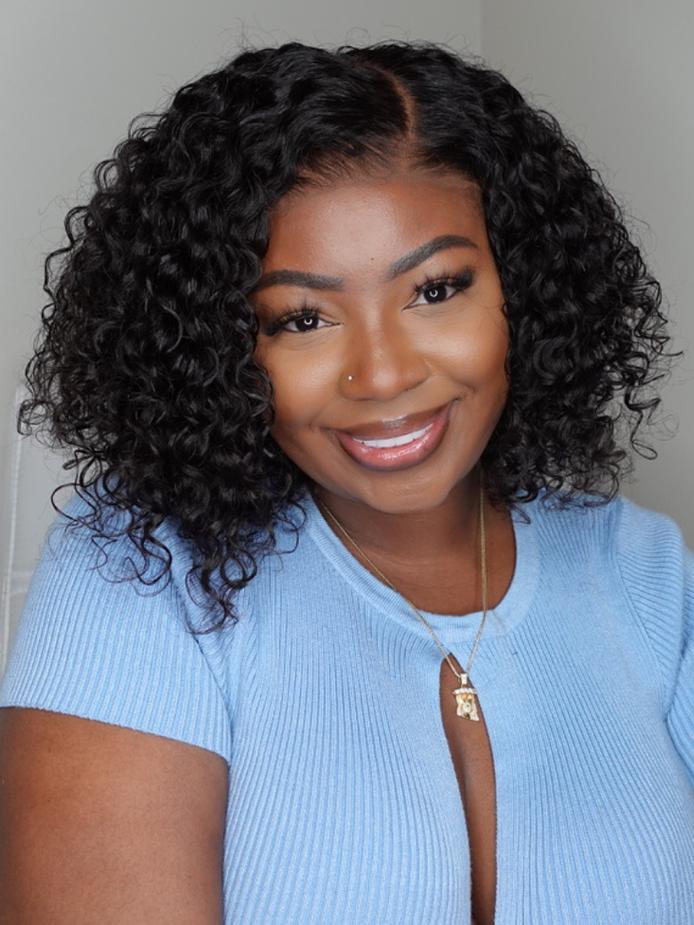
An ear-length bob with fine, tight black curls is a bold move that pays off for anyone with this texture who wants a neat, defined shape. The short length removes most of the weight, so the curls spring up instead of drooping, and the middle parting keeps the face open. Ask your stylist for: short bob with tight fine curls. This cut is genuinely flattering for fine curly hair because it does not rely on volume that the texture cannot deliver. A small amount of styling cream on damp hair, then air dry, and you are done. Plan on a trim every four to six weeks, since the bob loses its shape faster than longer cuts.
Chin Length Bob With Defined Curls
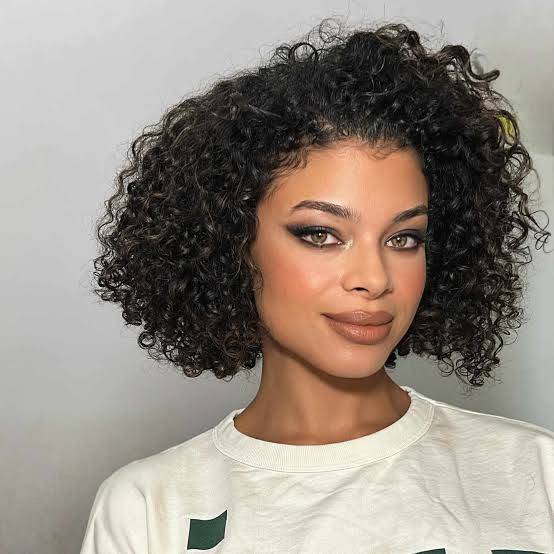
A chin-length bob with defined fine curls is a shape that demands daily attention, but the result is a glossy, polished finish. The short length means every curl is visible, so definition is not optional. Ask your stylist for: chin length bob with defined curls. Use a diffuser attachment on your blow dryer to set the curls without frizz, then leave them alone. Fine hair at this length tends to lose its shape by the end of the day, so a quick refresh with a water mist is part of the routine. A trim every six to eight weeks keeps the bob from turning into a shapeless wedge.
Chin Length Layers With Fine Curls
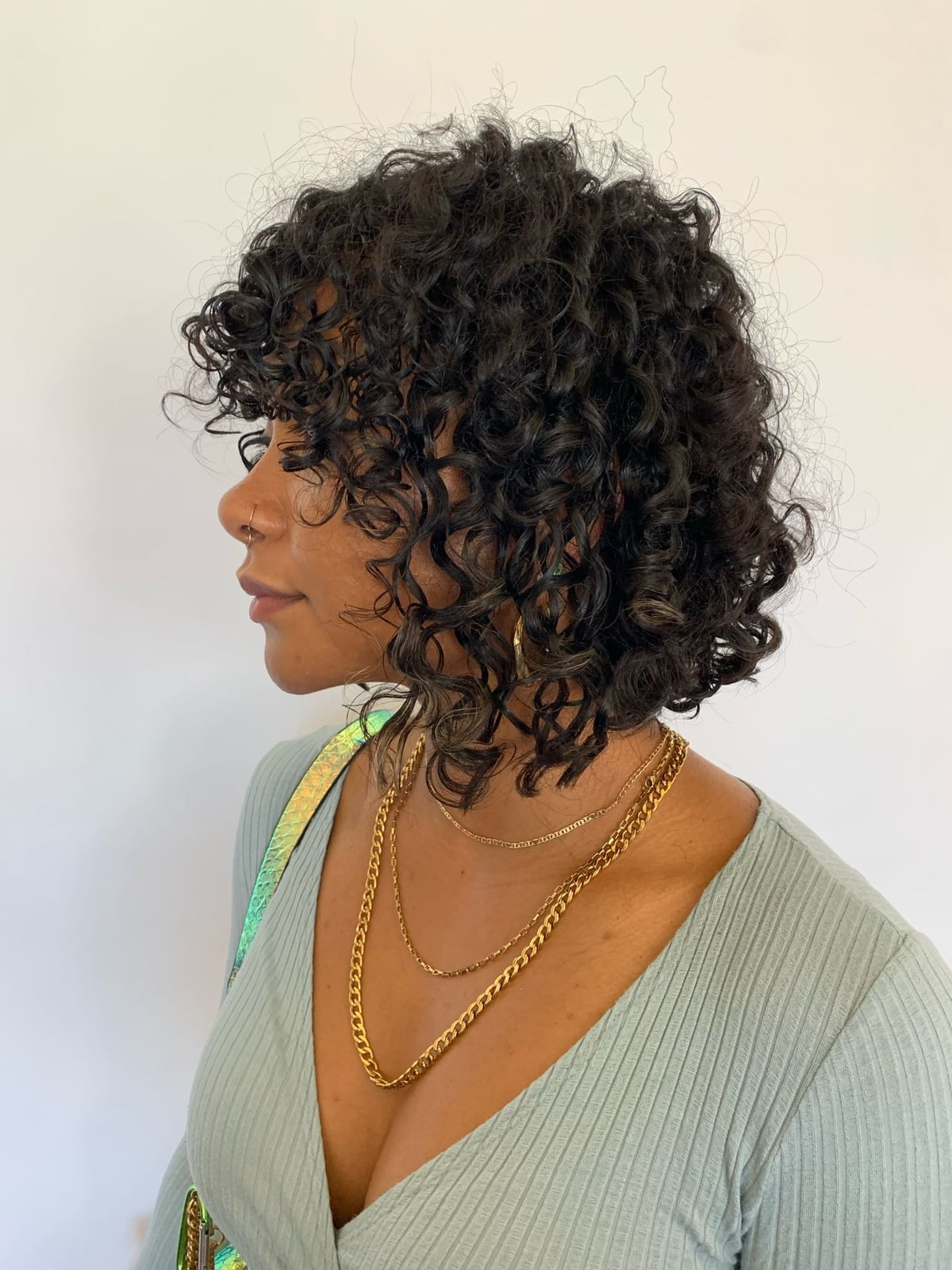
What do you ask for when your curls are fine and you don’t want them to go flat? A chin-length cut with defined layers, cut while the hair is dry and curly, so each layer lands exactly where it should. The middle parting keeps the weight distributed evenly, and the dark brown base looks like one solid piece instead of a collection of sparse strands. Ask your stylist for: chin length layered cut for fine curly hair. A volumizing spray at the roots before air-drying gives the shape somewhere to go, and a trim every six to eight weeks keeps the layers from growing out into a single heavy triangle.
Collarbone Layers For Fine Curly Hair
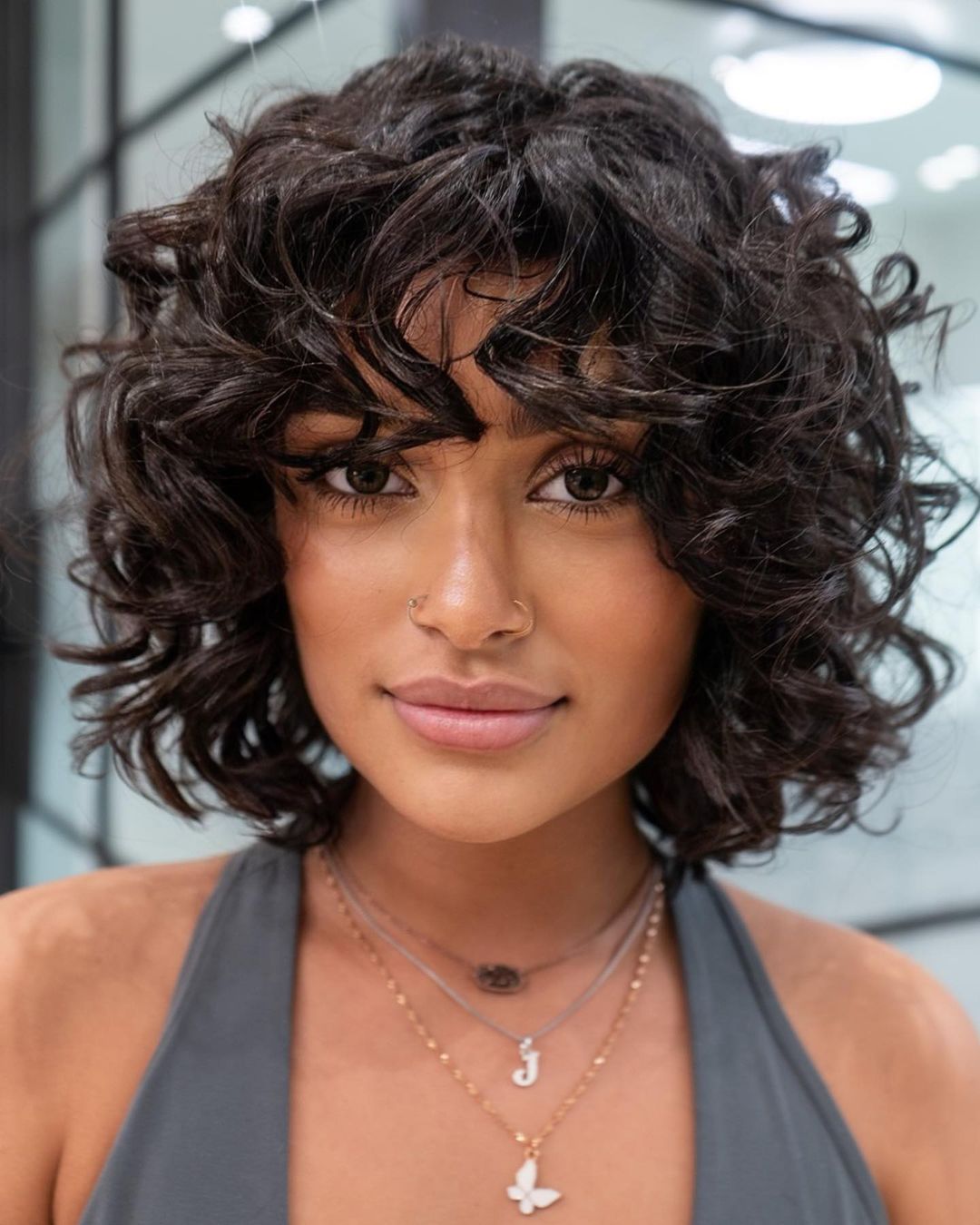
The trick with fine curly hair at collarbone length is that the layers need to be cut into the curl, not against it. This one uses a middle parting and defined curls that land just above the shoulder, with subtle lighter highlights that add the illusion of density without the weight of extra hair. Ask your stylist for: collarbone length layered cut for fine curly hair.
A lightweight curl cream worked through soaking-wet hair, then left alone to air-dry, gives the most consistent result. The shape holds best when the stylist cuts the interior layers shorter than the perimeter, so the curl stack lifts rather than drags. Trim rhythm stays at every six to eight weeks to preserve the collarbone line.
Shoulder Volume With Subtle Lighter Tones
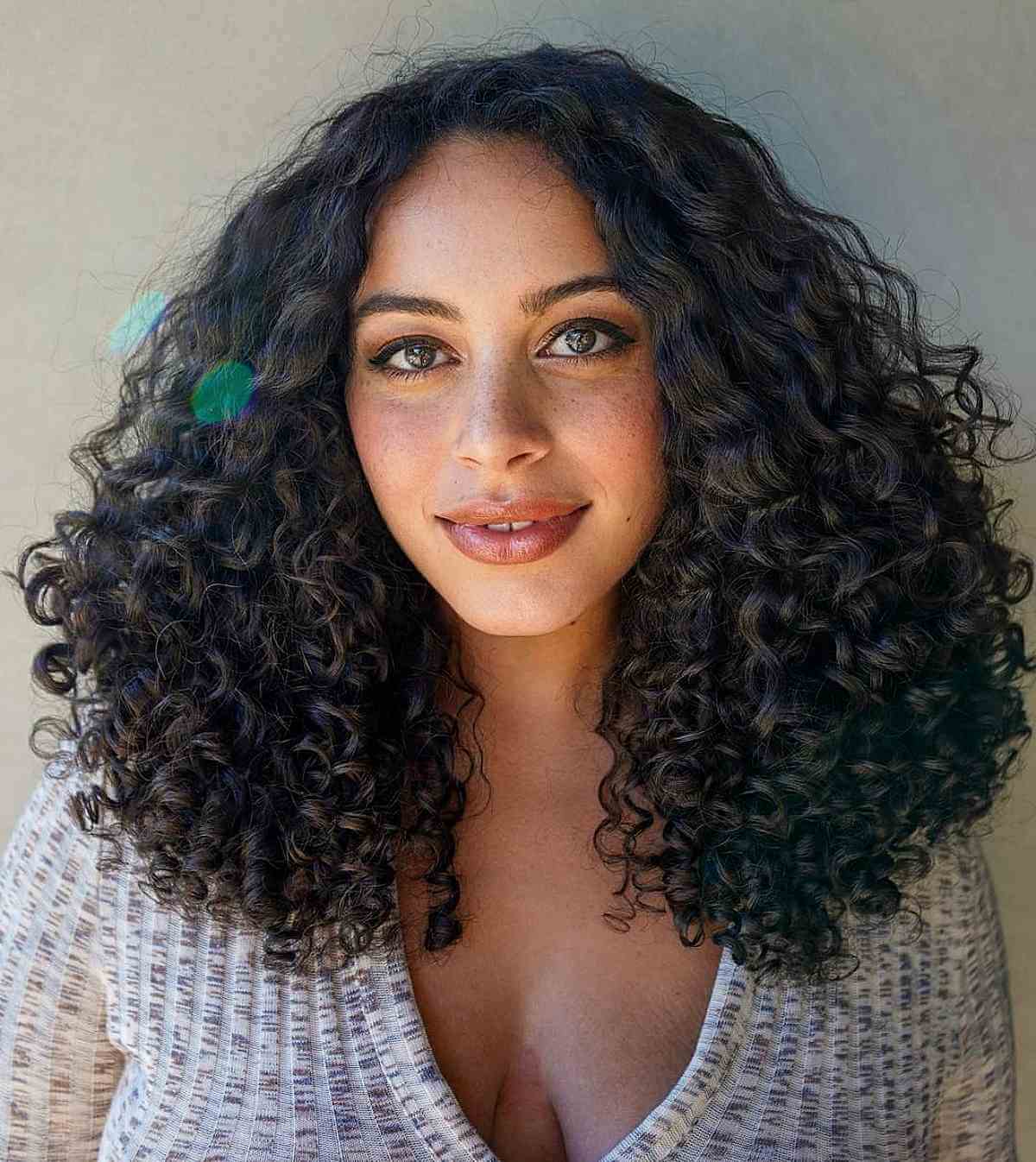
This is the cut you choose when your hair is thick and you want it to look like it, not tamed into something smaller. The shoulder length keeps the weight manageable while the subtle lighter tones on the dark brown base add a soft dimension that mimics natural sun exposure. No bangs let the volume speak for itself. Ask your stylist for: shoulder length cut with volume and subtle lighter tones. Where a blunt cut on thick curly hair can create a mushroom shape, this one uses internal layering to release the volume upward. A volumizing mousse on damp roots, then air-dry, is all the styling it needs.
Mid-Back Layers With Blonde Dimension
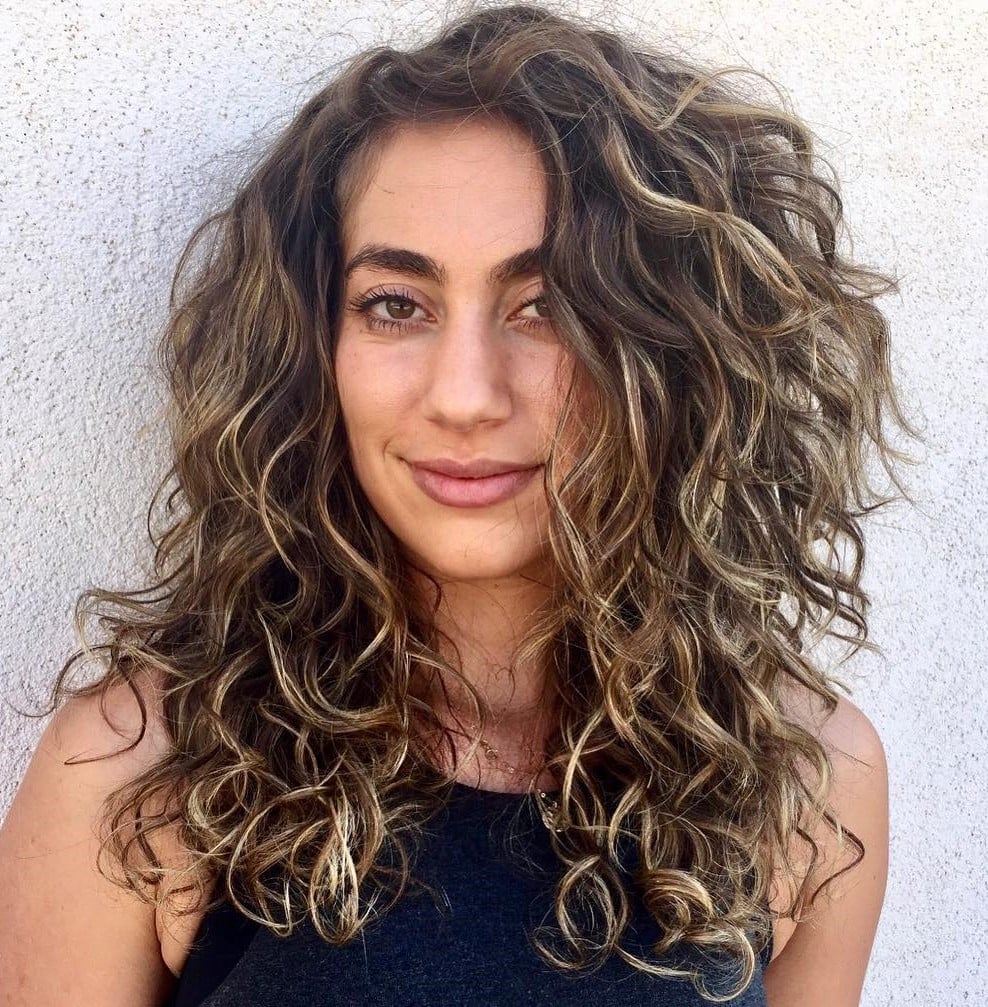
The brown base with blonde highlights here provides the dimension that a complicated curl routine would otherwise have to create. The blonde pieces are placed at different points along the length, so the hair looks dimensional even when it is simply air dried. The mid-back length and side parting keep the weight on one side, and the layers are cut to fall with the curl pattern instead of fighting it. Ask your stylist for: mid-back layered cut with blonde highlights.
The DIY appeal is real: you wash, apply a conditioner, detangle with a wide-tooth comb, and walk away. No diffuser, no hover-hands. The upkeep is split between a trim every eight to ten weeks and a glossing appointment every six to eight weeks to keep the blonde from pulling brassy against the brown base.
Mid-Back Curls With Subtle Highlights
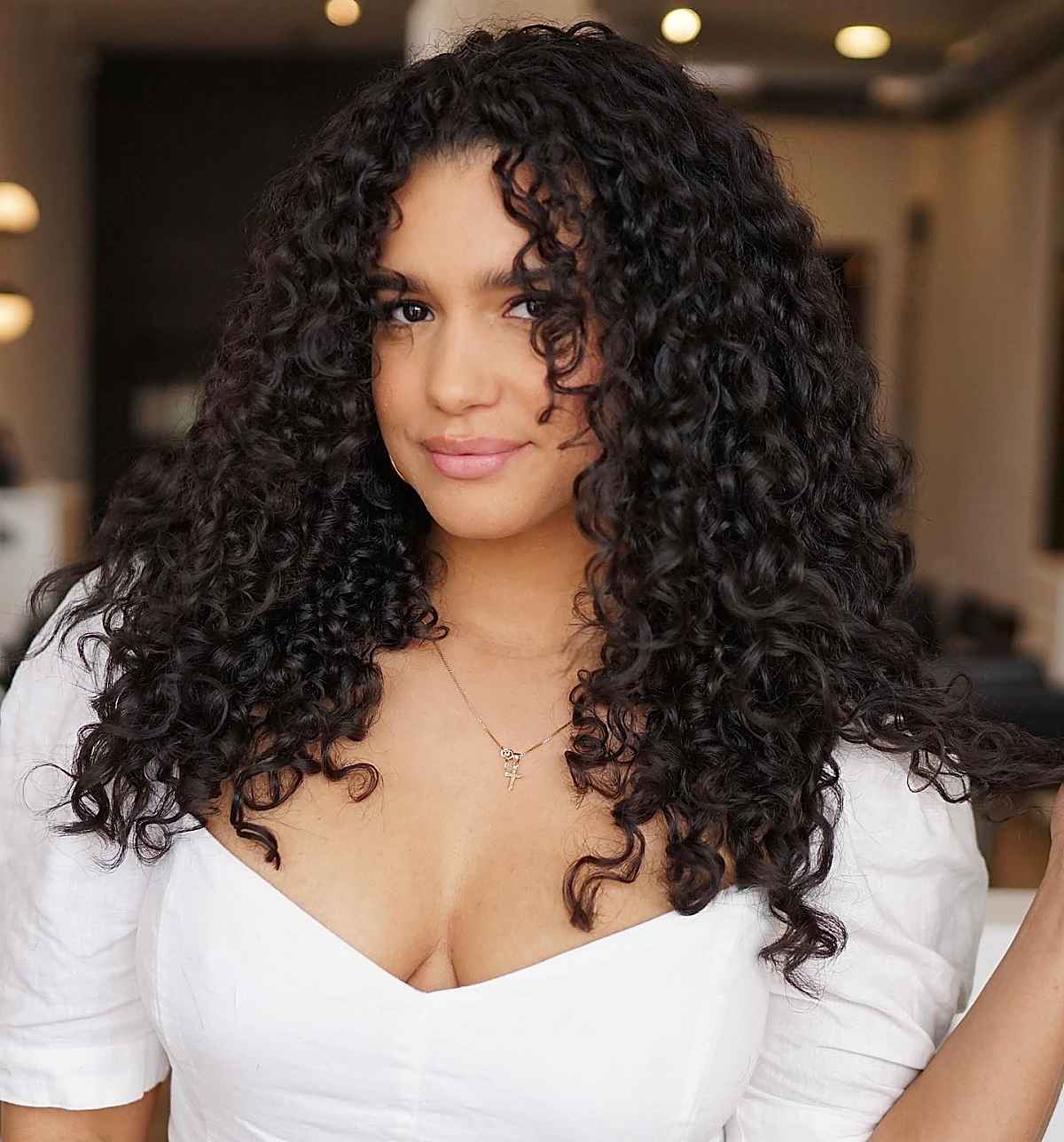
Voluminous curls at mid-back length have a wear reality that shorter cuts do not: they need structure to keep from turning into one big bell shape. The subtle highlights here do the job of breaking up the mass, so the eye travels through the hair instead of stopping at the outline. No bangs keep the front clean, and the layers are cut to stack volume at the crown and taper gently through the ends. Ask your stylist for: mid-back layered cut with subtle highlights.
Standard maintenance involves a leave-in conditioner applied to damp hair, then air-dried or diffused on low. The trim cycle runs every eight to ten weeks, and the highlights need a toning refresh every six to eight weeks to stay subtle. This length demands patience with drying time, but the shape moves instead of just hanging.
Mid-Back Layers With Honey Balayage
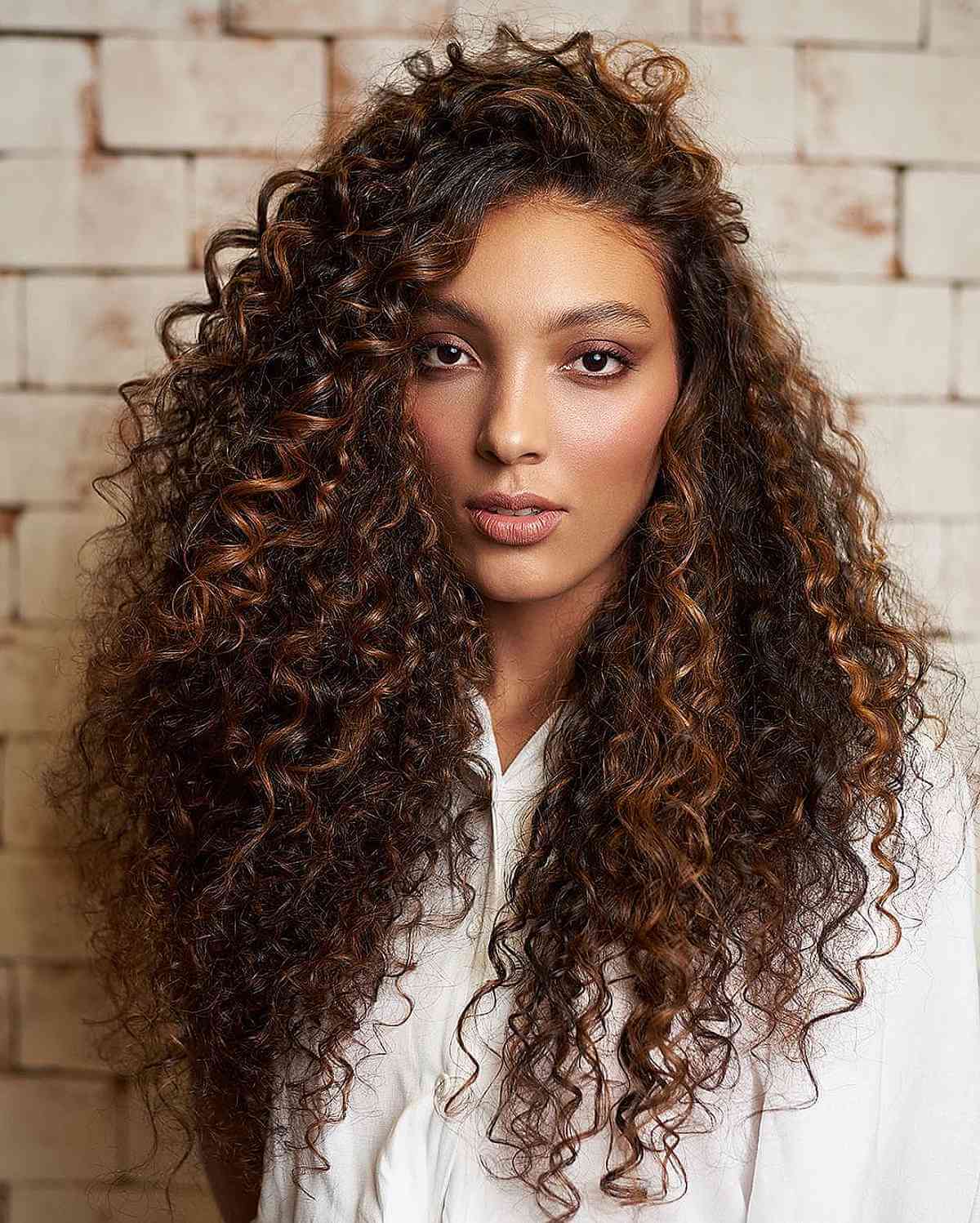
The dark brown base and warm honey balayage create a dimension that moves with the curl, not against it. This cut works best on thick, curly hair that is at least mid-back; the long layers keep the shape without sacrificing volume. Ask your stylist for a mid-back layered cut with honey balayage. The honest drawback: that richness needs a toning appointment roughly every eight weeks, or the honey can shift brassy against the dark base.
Mid-Back Fullness With Lighter Highlights
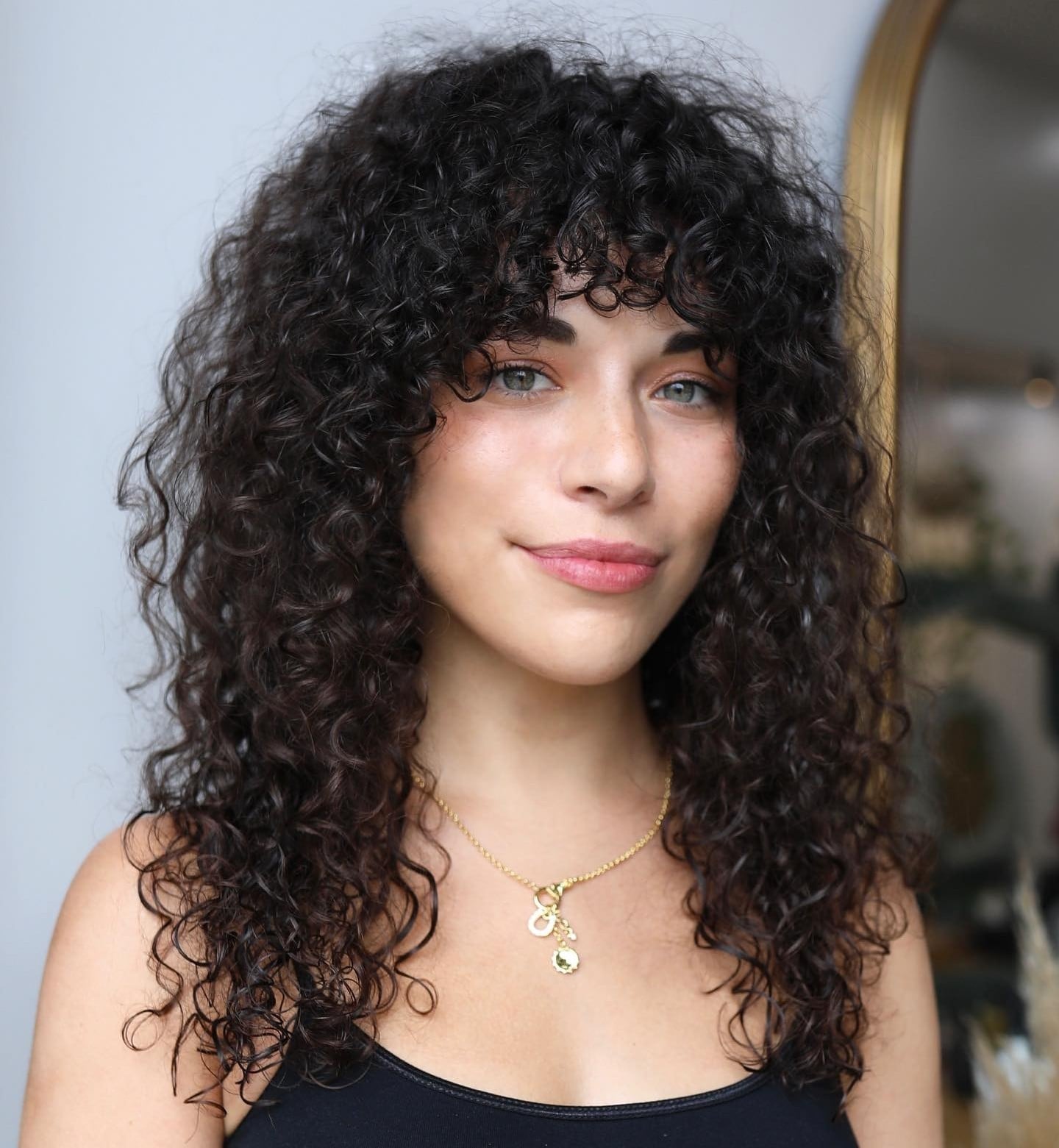
This mid-back cut uses layers to support the curl’s natural lift, especially around the crown, so the shape stays round instead of flat. The approach suits thick, curly hair of mid-back length. Ask your stylist for a mid-back layered cut with lighter brown highlights. A curl-defining cream applied to wet hair, then air dried or diffused, keeps the texture springy and the highlights visible.
Mid-Back Curls With Curly Bangs
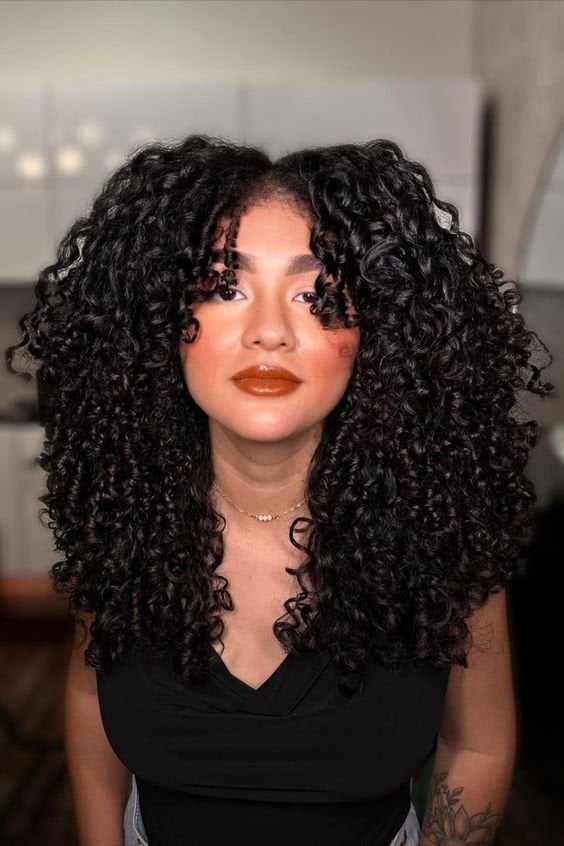
Curly bangs frame the face, but the common mistake is cutting them too straight or too short, which breaks the natural curl pattern and leaves an awkward wedge. These bangs are cut dry, curl by curl, so each one lands where it should. Thick, mid-back-length curly hair is the right starting point. Ask your stylist for a mid-back layered cut with curly bangs. A curl-defining paste on the bangs keeps them separated, and a trim every six to eight weeks prevents them from turning into a solid curtain.
Mid-Back Loose Curls Half Updo
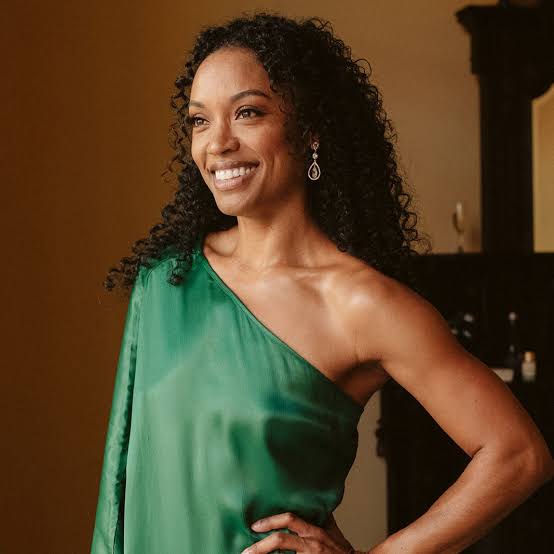
The half updo here relies on a twisted section pinned at the crown, which lifts the volume without pulling the curls out of shape. Loose curls below keep the look relaxed, not rigid. This works on thick, mid-back-length curly hair. Ask your stylist for a mid-back layered cut styled in a half updo. A side view shows the contrast between the gathered top and the free-falling lower section.
Mid-Back Half Up Half Down Braided Style
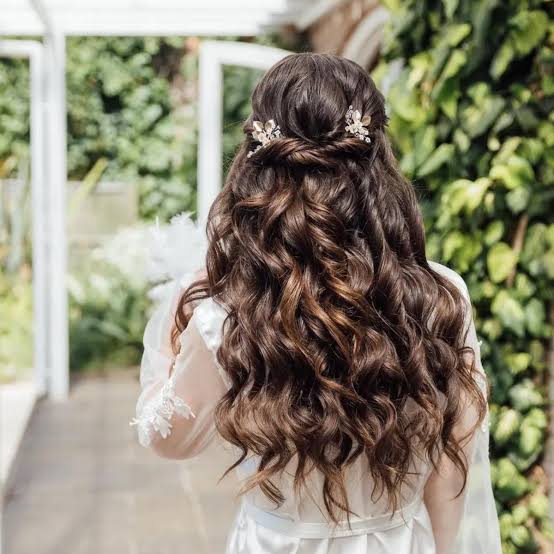
The mistake with a braided half up is pulling the top section too tight, which flattens the crown and fights the curl pattern. Here the braid is woven loosely, allowing the natural texture to blend into the pinned section. This works best on thick, mid-back-length curly hair and suits weddings or formal events. Ask your stylist for a mid-back curly style with a half up half down braided updo. A fine-tooth comb helps section the braid cleanly before pinning.
Mid-Back Bridal Updo With Ringlets
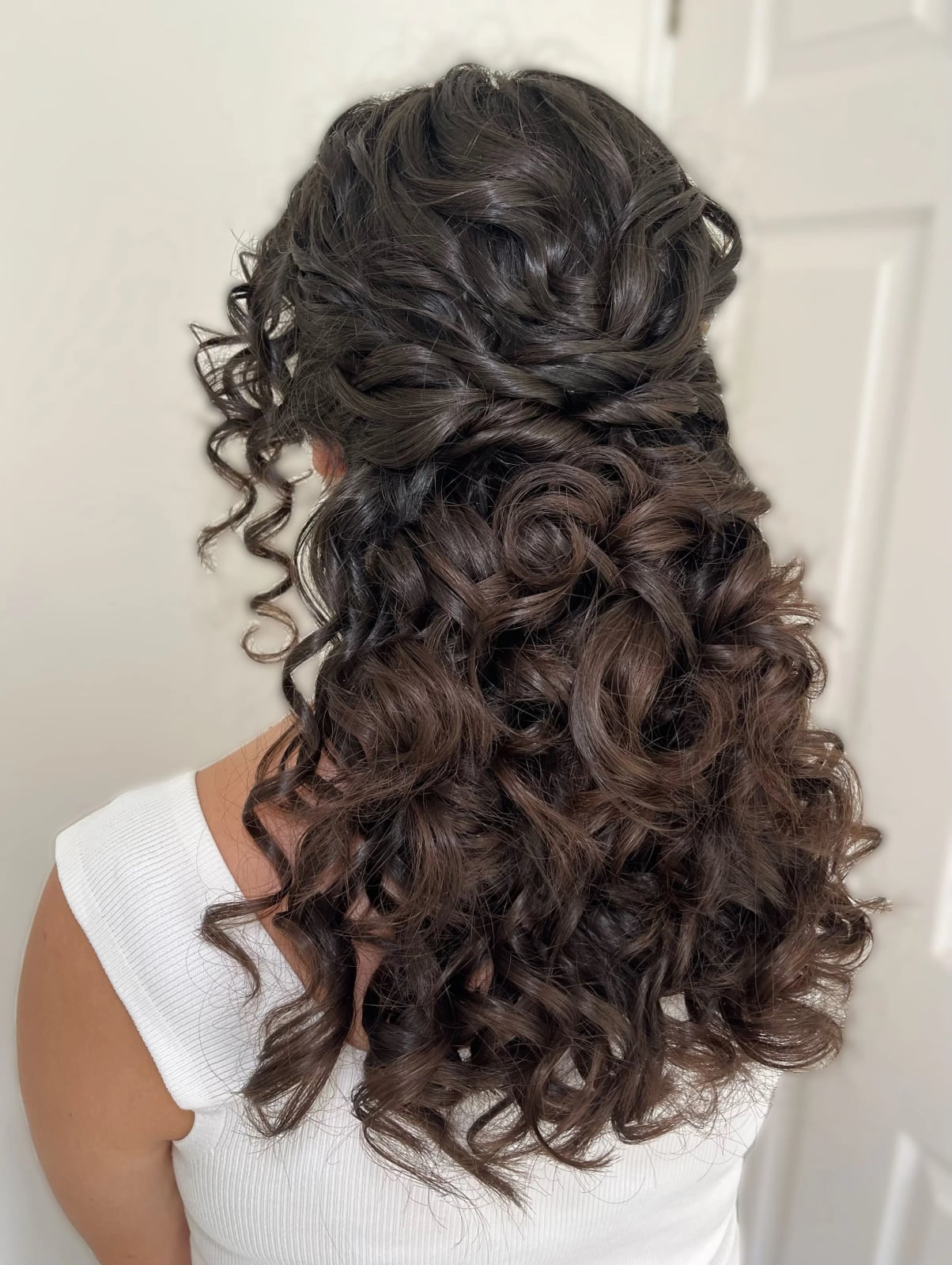
A half-up, half-down bridal updo on thick, mid-back curly hair is a different beast from a simple ponytail or a full chignon. The top section is twisted and pinned into an intricate crown, while the rest falls in defined ringlets, giving you both structure and the freedom of loose curls. Ask your stylist for: mid-back curly hair half up half down bridal updo.
This design suits thick, curly hair that holds a pin well and can handle the weight of the pinned section. The contrast is clear: a full updo hides your curl pattern, while this style puts it on display. If you want the security of an updo but refuse to lose your length, this is the version that delivers both. A flexible hold hairspray keeps the pins in place without crunching the ringlets below.
Very Long Curls With Warm Highlights
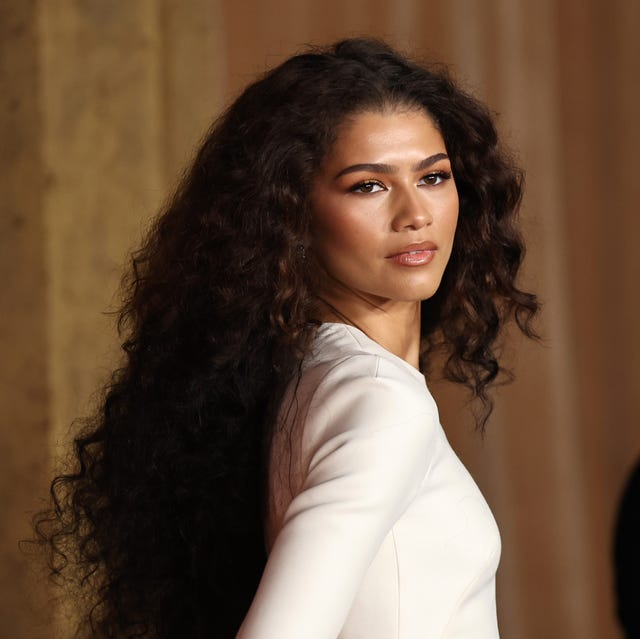
Very long, thick dark brown curls with warm highlights running through them rely on the sheer weight of the hair for their impact. The middle parting and air-dried texture keep it from looking overstyled, which is the entire point. Ask your stylist for: very long layered cut with warm highlights. This works best if your hair is already this dense and long, because the highlights need mass to read as dimension rather than a few scattered streaks. A silk pillowcase is a practical investment here, and plan for a trim every 10 to 12 weeks to keep the ends from thinning out.
Mid-Back Full Volume With Dark Brown Curls
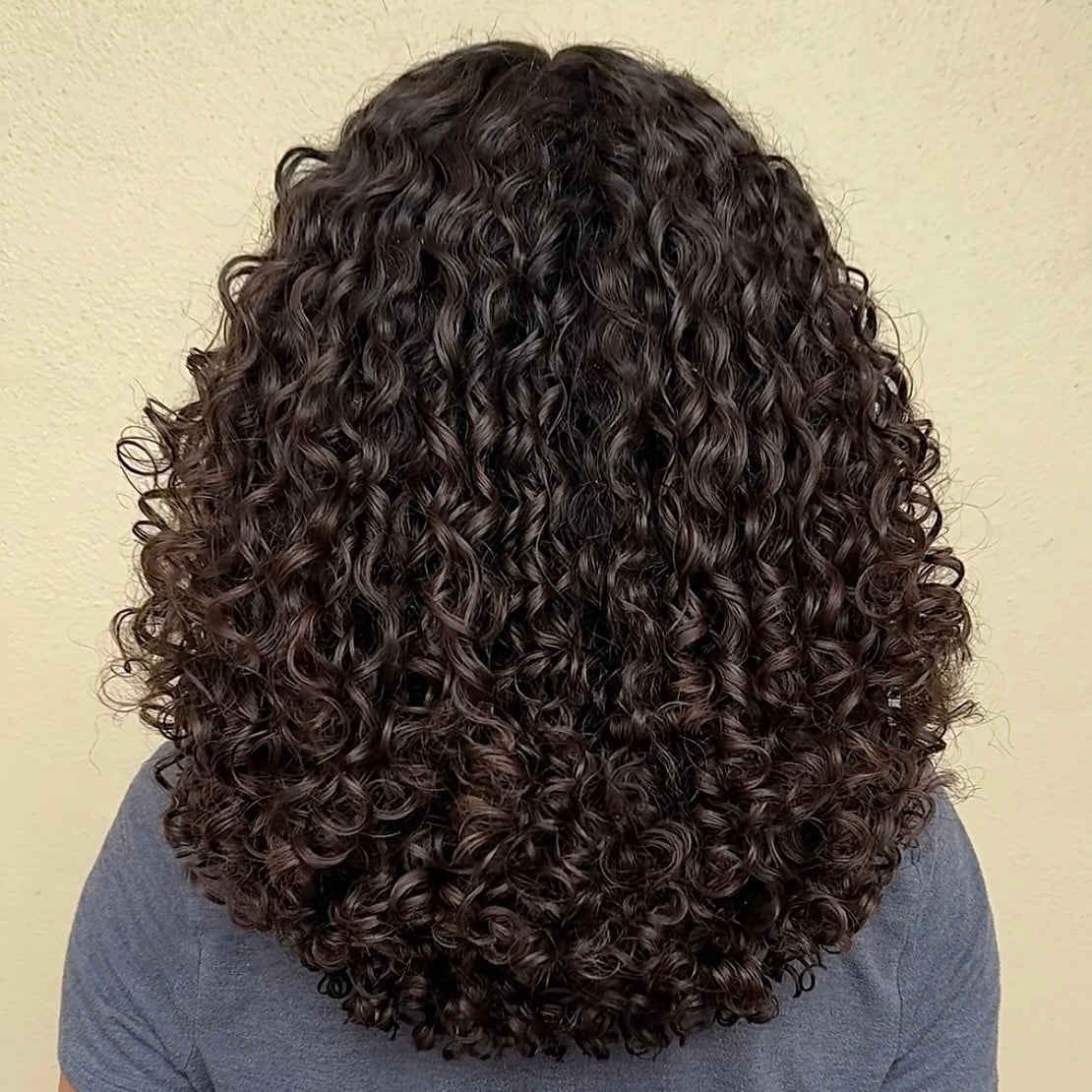
The daily reality of full volume on mid-back, dark brown curls is that it does not just happen on its own. The layers in this cut are doing the heavy lifting, removing enough weight so the curls spring up rather than hang flat. A middle parting keeps the distribution even, and the air-dried finish means you are not fighting your texture into submission.
Ask your stylist for: mid-back layered cut for full volume. The honest part: that much volume at the root can feel top-heavy by the end of the day if the layers are cut too short. A volumizing root lifter applied to damp hair before air drying gives the lift a longer lifespan. Plan for a trim every 8 to 10 weeks to maintain the shape, because once the layers grow out, the volume turns into bulk.
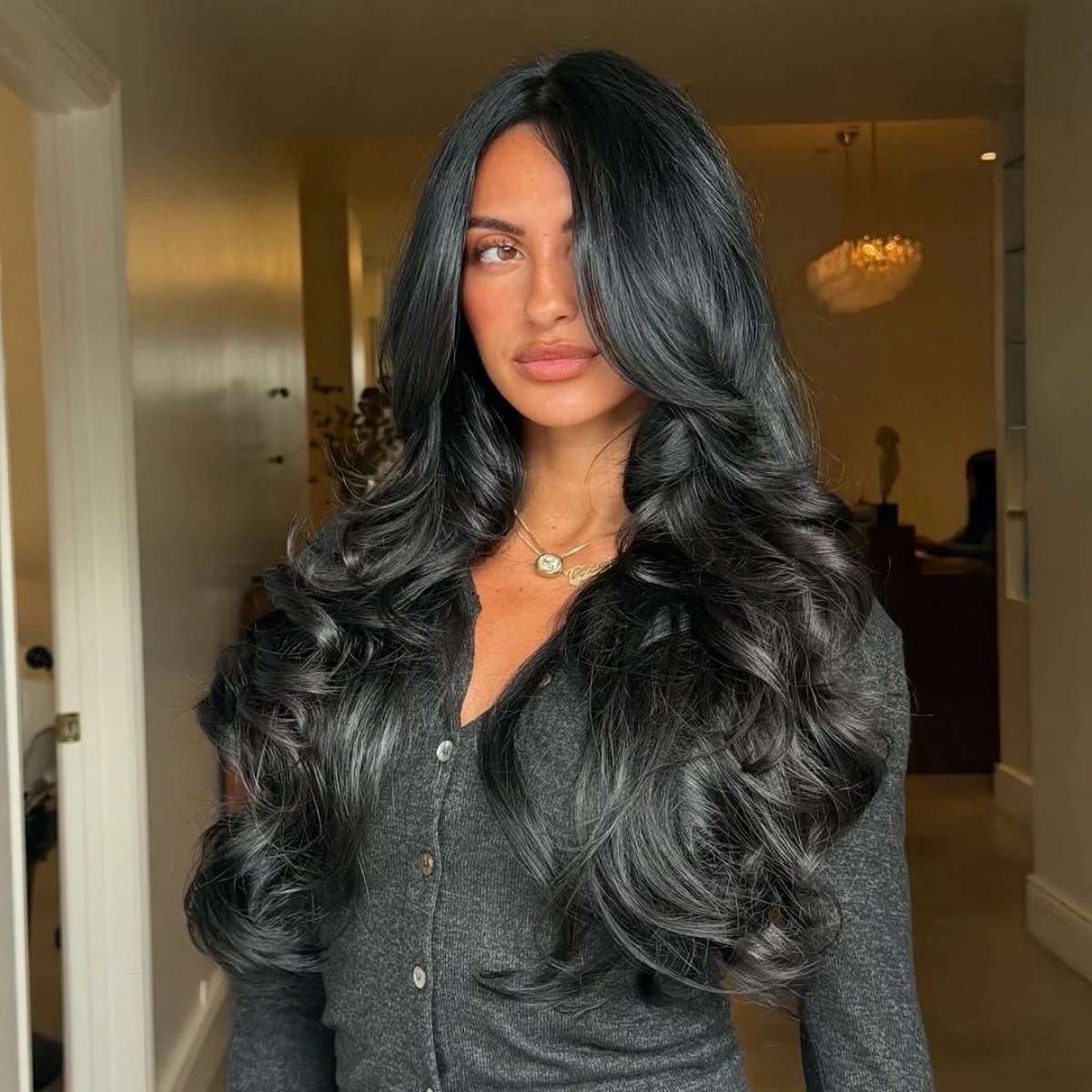
Mid-Back Black Curls With Abundant Volume
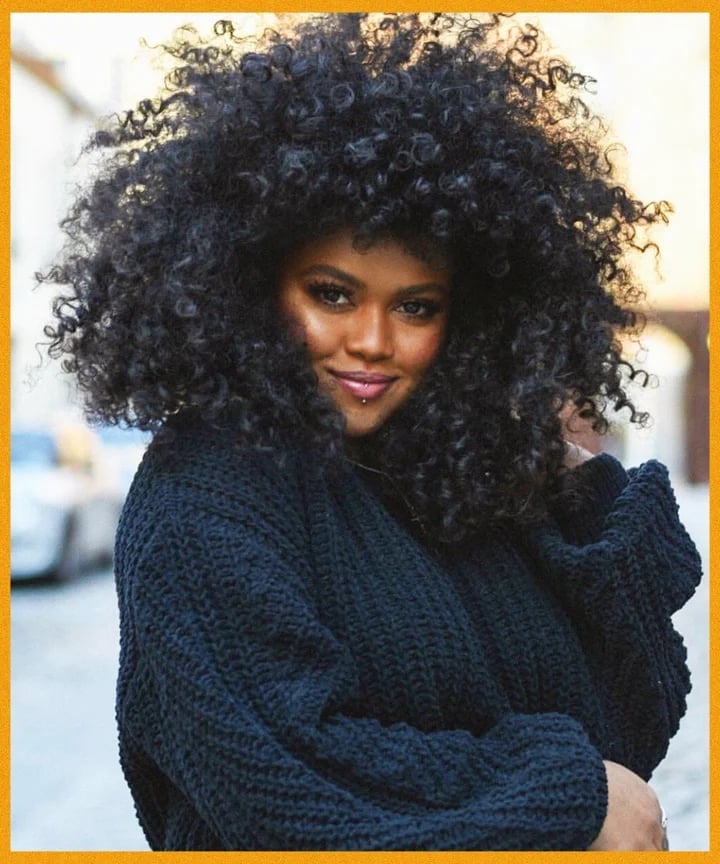
Abundant volume on mid-back black curls is a feature, not a side effect. The middle parting and air-dried styling let the hair do exactly what it wants, which is to expand outward and upward. The solid black color adds to the optical density, making the shape read as one solid, powerful mass. Ask your stylist for: mid-back layered cut for abundant volume in black hair.
The trade-off is real: that much volume can feel heavy by midday, and the density means tangles form faster than they do on looser textures. A lightweight oil applied from the mid-lengths down adds shine without collapsing the volume, and a trim every 8 to 10 weeks keeps the ends from matting. If your hair is on the finer side of curly, this cut may look more flat than full, so density matters here.
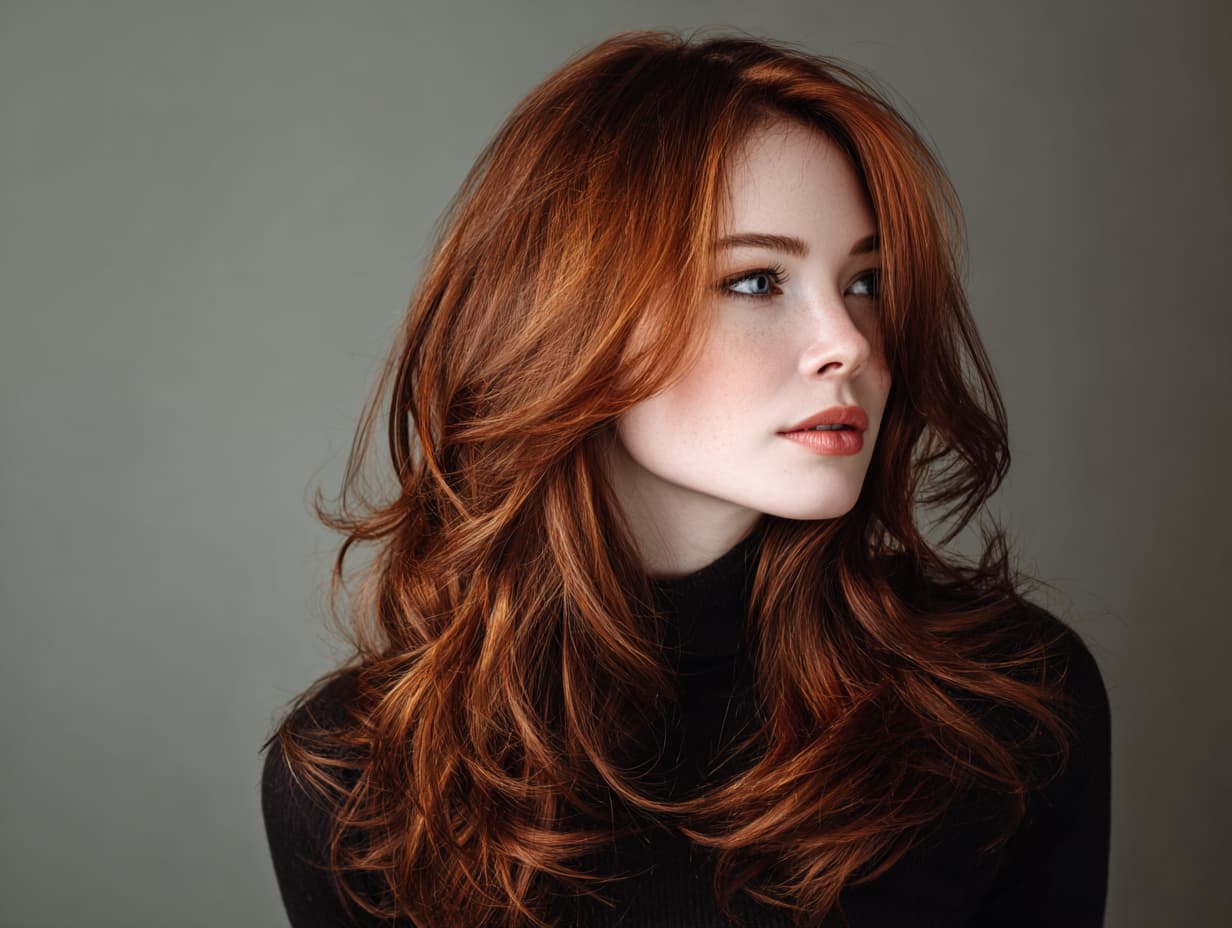
Mid-Back Copper Curls With Volume
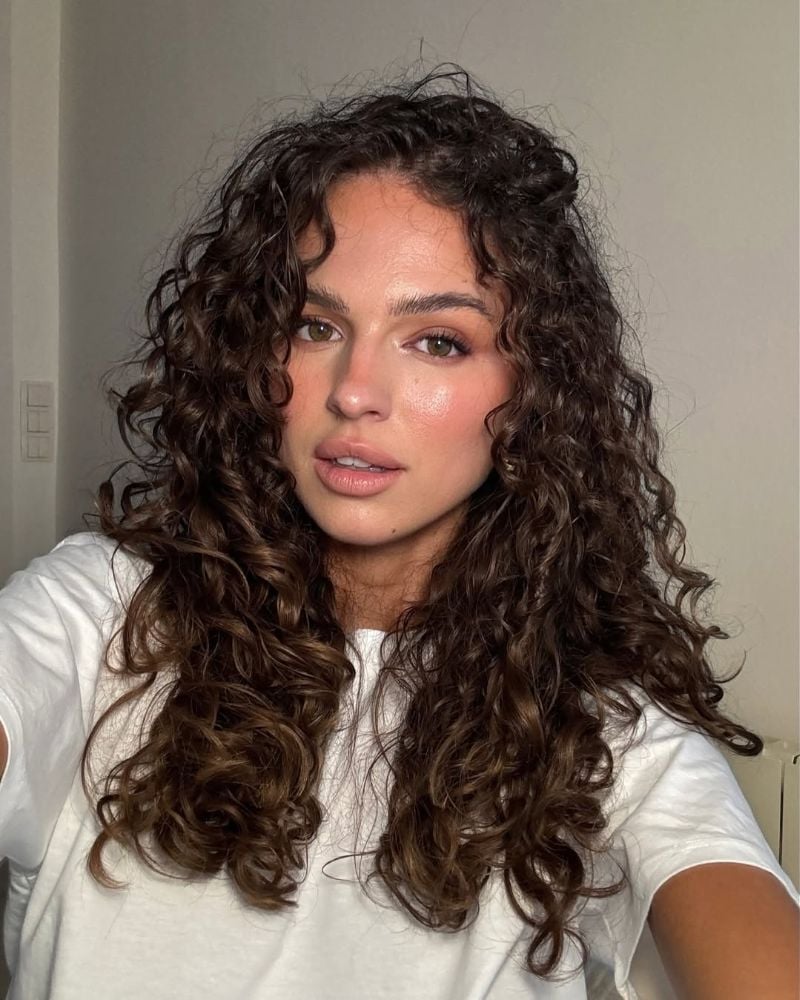
Want a vibrant copper that looks deliberate? Ask your stylist for: mid-back layered cut in a rich copper shade. The key is the side parting, which breaks up the roundness that a middle part can create on very voluminous curls. The copper color needs to be a true, warm shade, not an orange-red, and it relies on the thickness of the hair to make the color look saturated without streaks. A color-depositing conditioner used every second wash keeps the copper from fading into brassy territory, and a trim every 8 to 10 weeks prevents the ends from looking dry against the bright shade.
Mid-Back With Two Space Buns
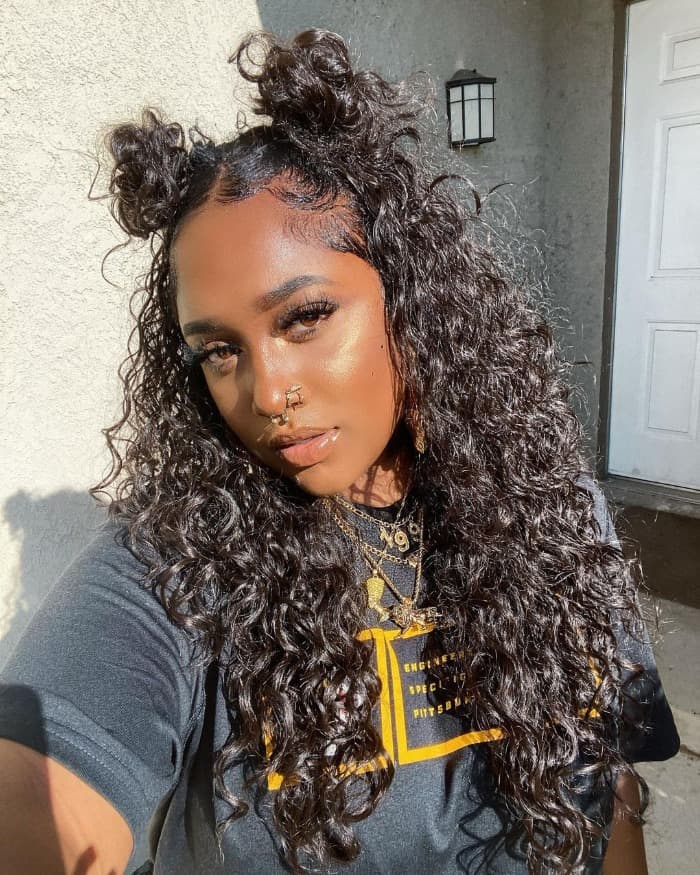
The two space buns sit high on the head, each one a tight, rounded knot that balances the volume of the dark brown curls left loose below. A middle parting keeps the front clean, letting the thick texture do the talking from mid-back down. This styling suits thick curly hair that already has some length to work with, since shorter layers tend to escape the buns and turn the whole thing into a fuzzy halo. Ask your stylist for: mid-back curly hair styled with two space buns. To build it, section the top half of the hair from ear to ear, twist each side into a coil, and secure with a strong-hold gel before pinning. Leave the bottom half to air dry so the defined curls keep their shape, and the buns stay put without the loose hair looking like an afterthought.
The contrast is the point: playful knots on top, natural volume below. If your curls are on the finer side, skip the gel and use a texturizing spray at the roots of each bun instead, which gives them grip without weighing down the lengths. This is a salon-leaning look in the sense that getting the buns even takes a mirror and a bit of patience, but the finish is a balanced shape that looks deliberately placed.
Mid-Back Voluminous Curls With Curly Bangs, Collarbone

Collarbone-length layers with a middle parting give these voluminous curls their shape, while honey blonde highlights add depth to the rich dark brown base and keep the mass of hair from looking like a single solid block. The curly bangs frame the face without hiding it, which makes this cut a practical choice for thick hair that tends to pyramid at the ends. Ask your stylist for: mid-back layered cut with voluminous curls and curly bangs. You can get close to this at home by applying a curl cream to soaking wet hair, scrunching from the ends up, and letting it air dry, but the precision of the layering is where a salon earns its keep. A stylist knows exactly how much weight to remove from the interior so the curls spring up rather than droop, and they will shape the bangs to sit at the right angle. Expect to trim those bangs every four to six weeks to keep them from sliding into your eyes.
Final Thoughts
Fine curls: keep one blunt baseline and add soft internal layers so the shape holds without going flat. Thicker curls: use long layers to remove bulk at the sides and let the ringlets define themselves. Either way, the cut does the work.
- Trim every eight to twelve weeks to maintain shape and prevent split ends.
- Use a sulfate-free shampoo and a hydrating conditioner.
- Apply curl-defining cream or gel to damp hair, then air dry or diffuse.
- Refresh curls on non-wash days with water and a leave-in conditioner.
- Protect curls from friction at night with a silk scarf or bonnet.
Find your signature style and let your curls shine.