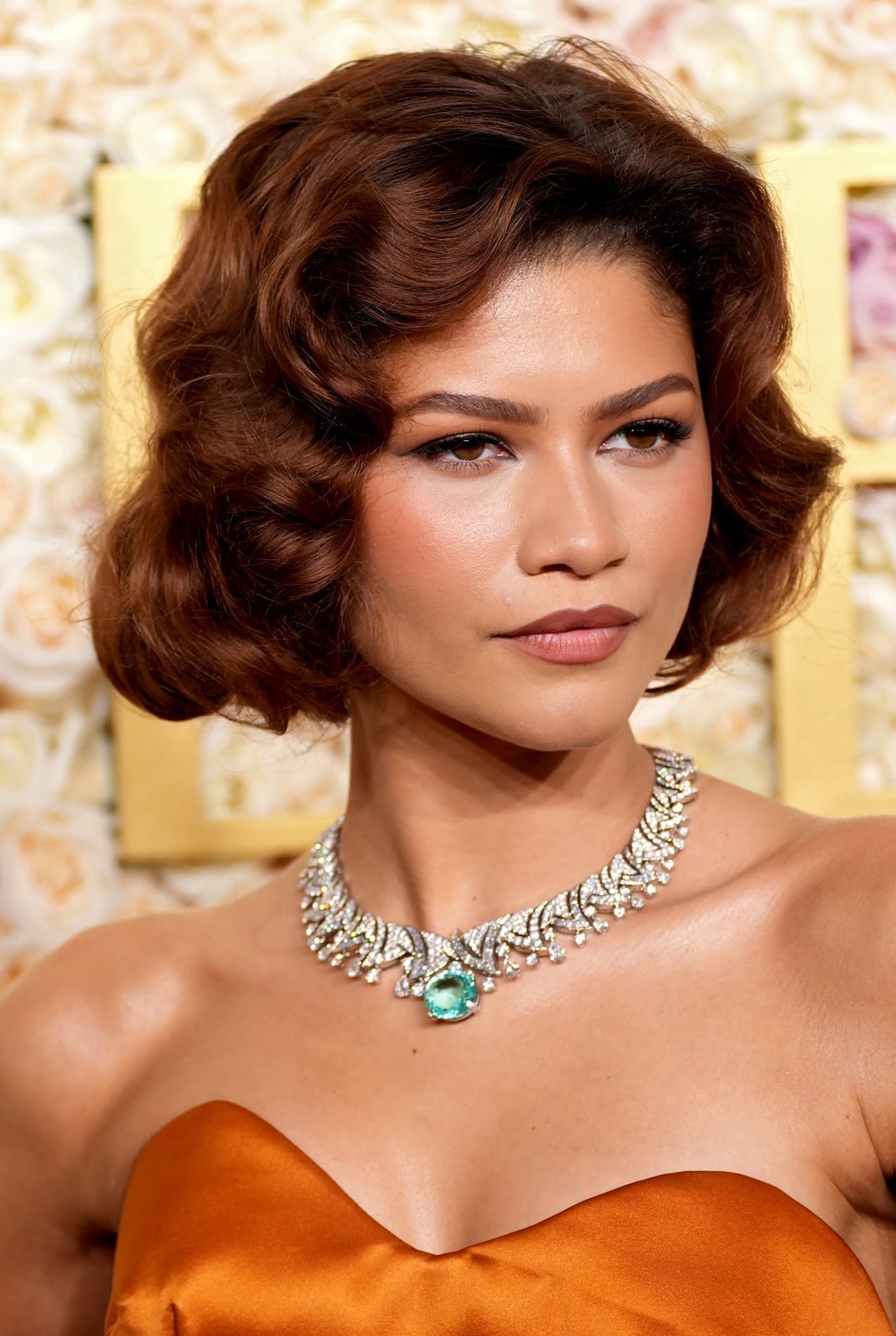
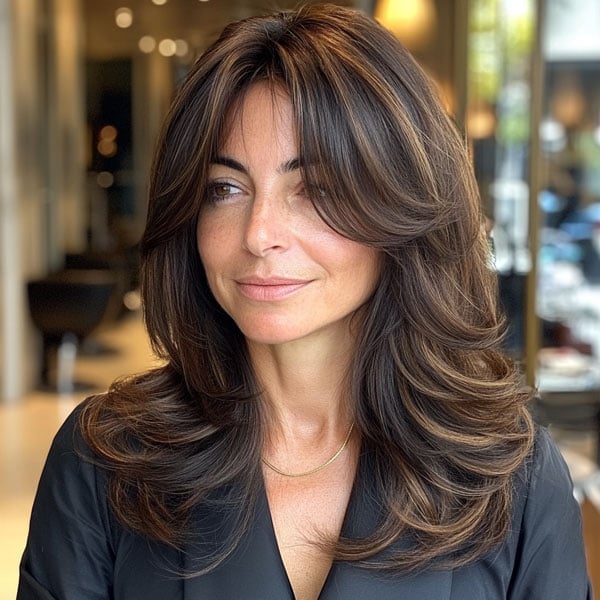
Soft face-framing layers are the workhorse of a fine-hair haircut, adding the appearance of density where you need it most. The biggest shift right now is that texture is coming back: glossy natural movement over rigid, flat-ironed shapes.
These 29 Trendy Fine Hair ideas run from quick trims to full restyles, for straight, wavy and curly textures alike. Whether your struggle is a fringe that won’t sit or a bob that falls flat by two in the afternoon, each cut here uses a specific combination of length, layers and bangs to solve it.
Textured Black Curly Pixie Cut
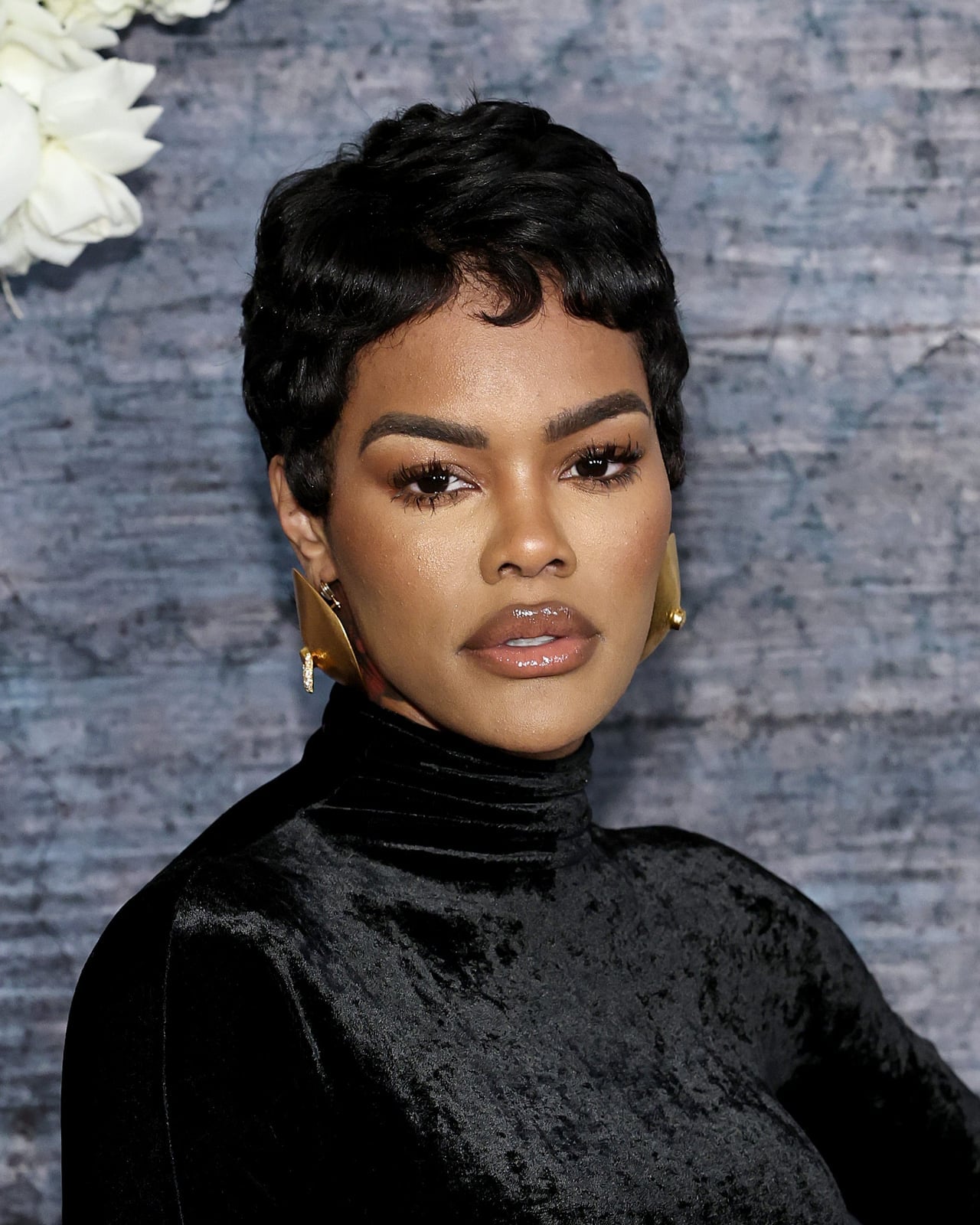
Can a curly pixie actually look fuller on fine hair? When the curl pattern is compact and the cut lands at ear length, the answer is yes. The natural spring of each coil creates built-in volume that a straight pixie has to fake with product. Short textured bangs keep the shape from feeling heavy, and the lack of a defined parting lets the curls fall where they want. Ask your stylist for a short textured curly pixie with short bangs. It works best for oval and round faces, since the height on top lengthens the profile.
Short Layered Blonde Cut With Wispy Bangs
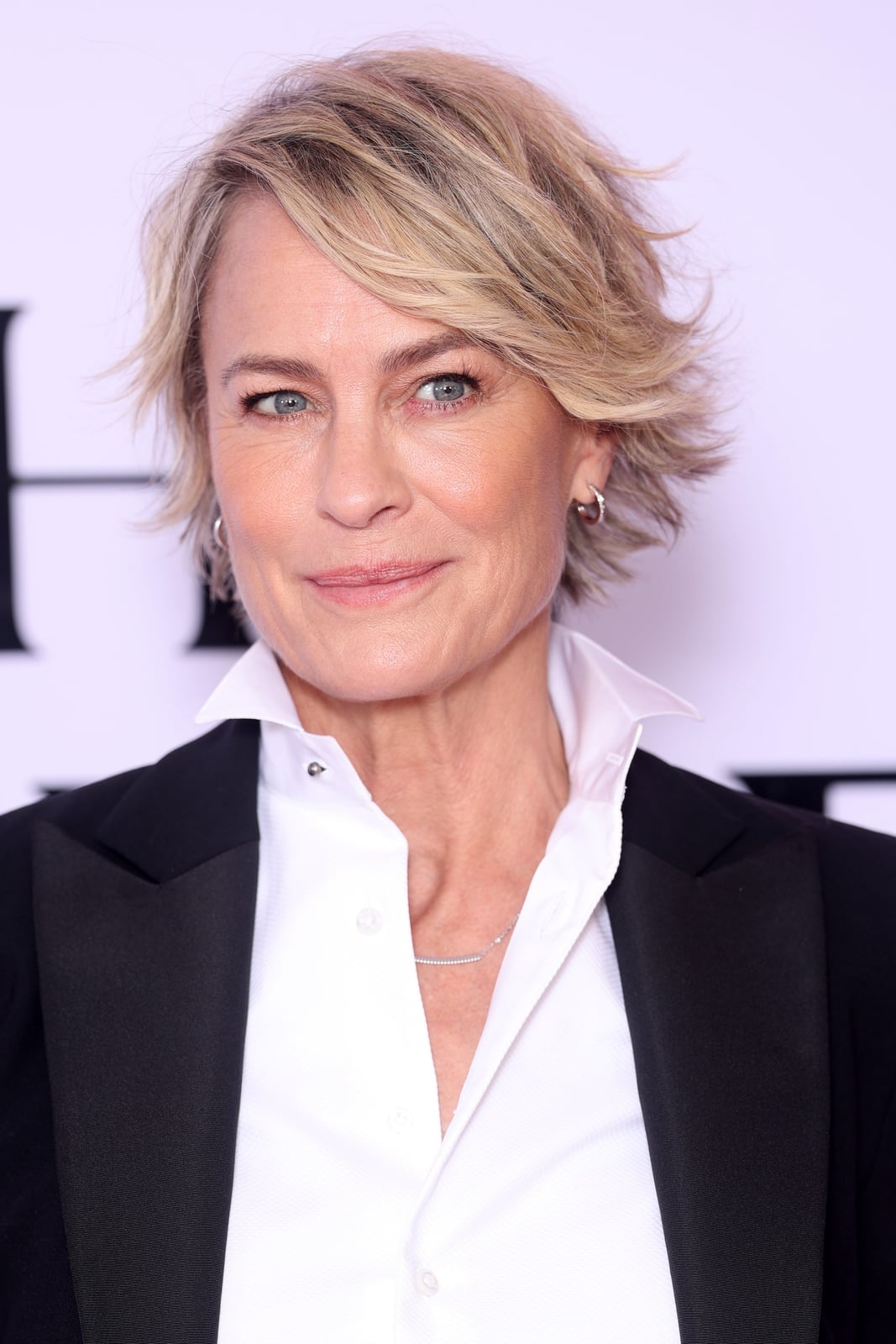
The trick here is that the layers are cut short enough to lift at the root but long enough to sweep into a side part. Wispy bangs skim the forehead without weighing it down, and the piecey finish keeps fine straight hair from looking flat. Ask your stylist for a short ear-length layered cut with side-swept wispy bangs. This design suits oval and square faces, since the soft fringe balances a stronger jawline.
Textured Blonde Pixie With Short Bangs
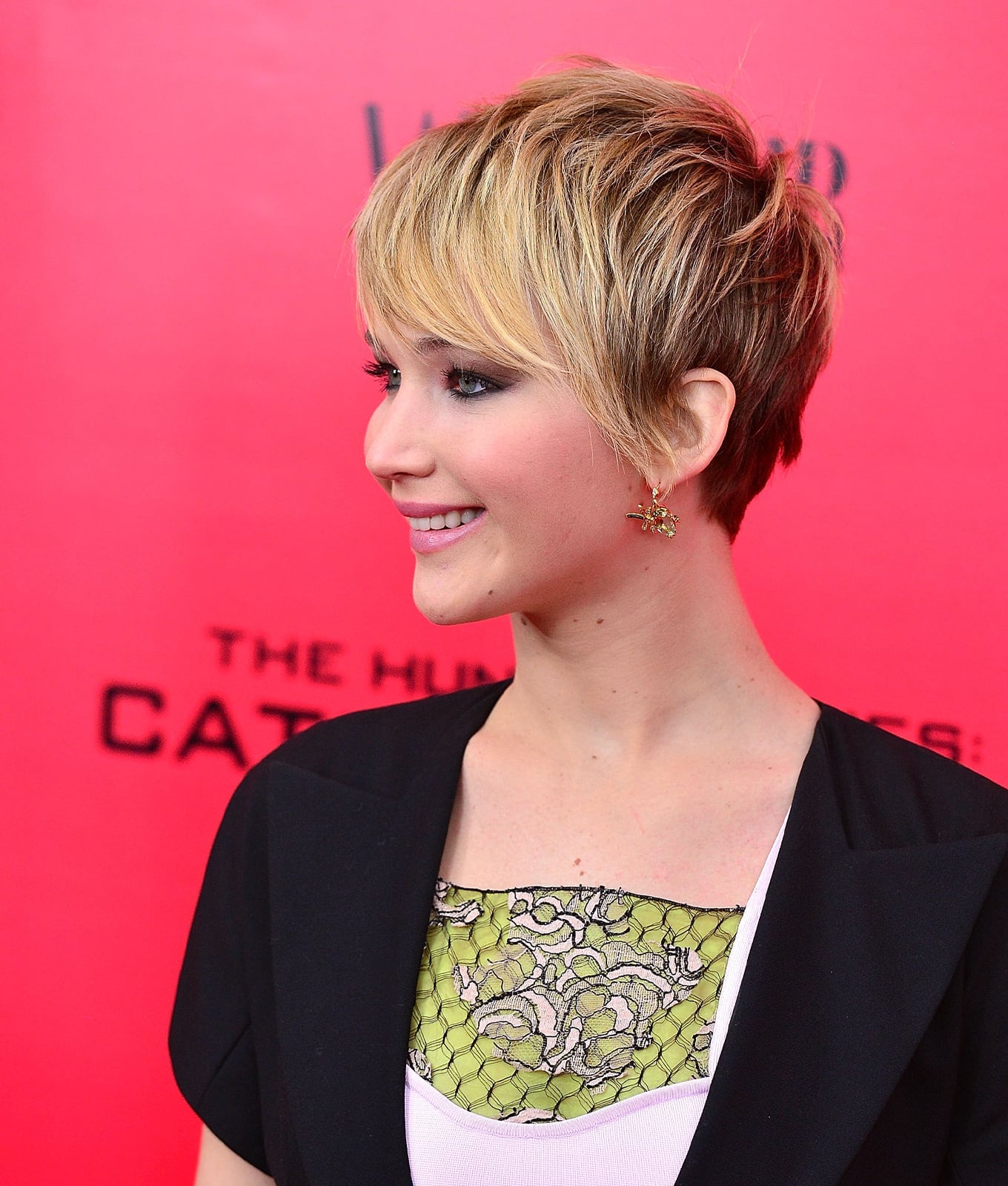
A side view tells you everything about a pixie’s architecture. Here, the highlights are placed on the top layers to create the illusion of depth, so fine straight hair reads as denser than it is. Short bangs keep the forehead open, and the textured crown adds height without extra bulk. Ask your stylist for a textured ear-length pixie with short bangs. The technique suits oval and heart faces, as the volume at the crown balances a narrower chin.
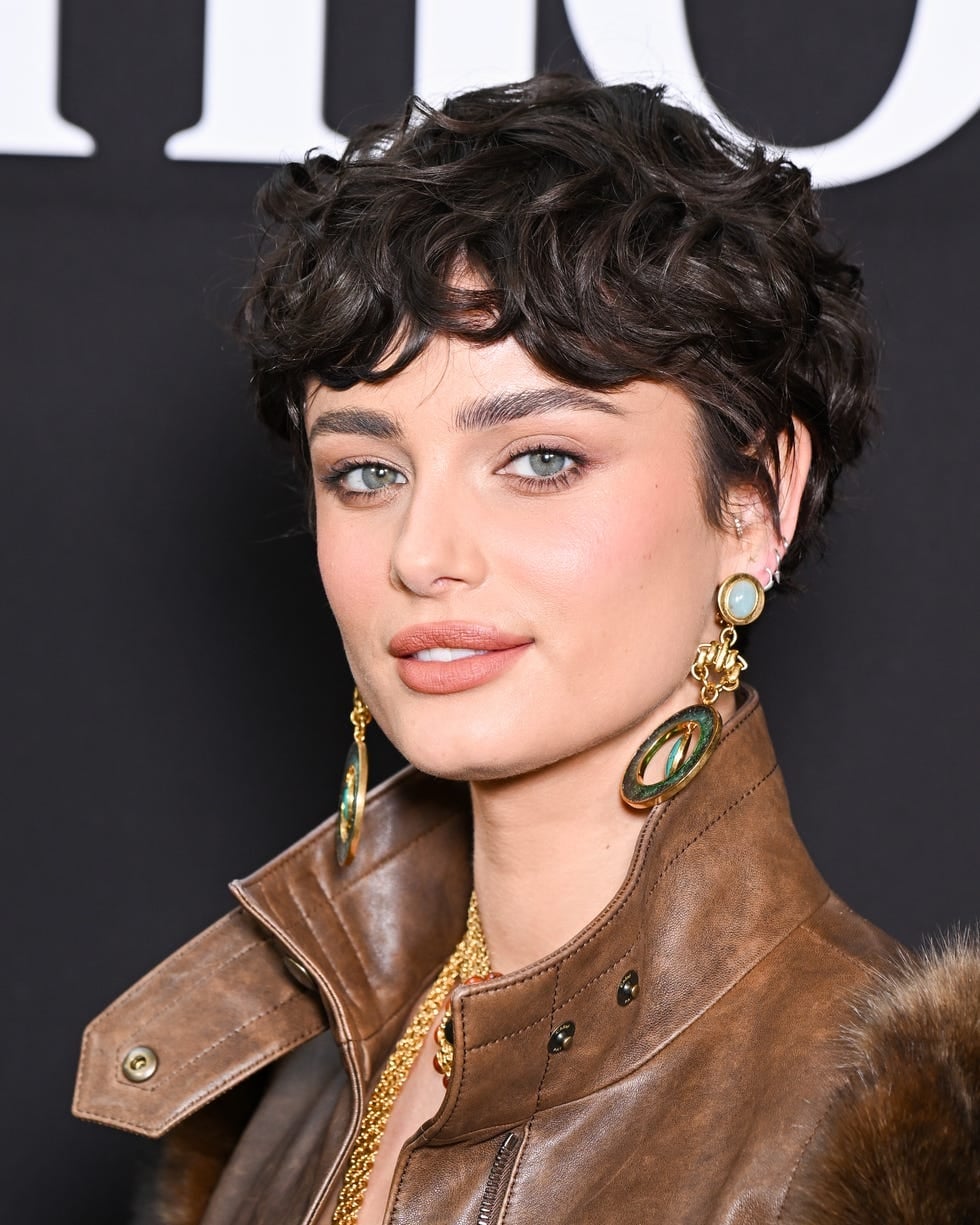
Dark Brown Pixie With Textured Layers
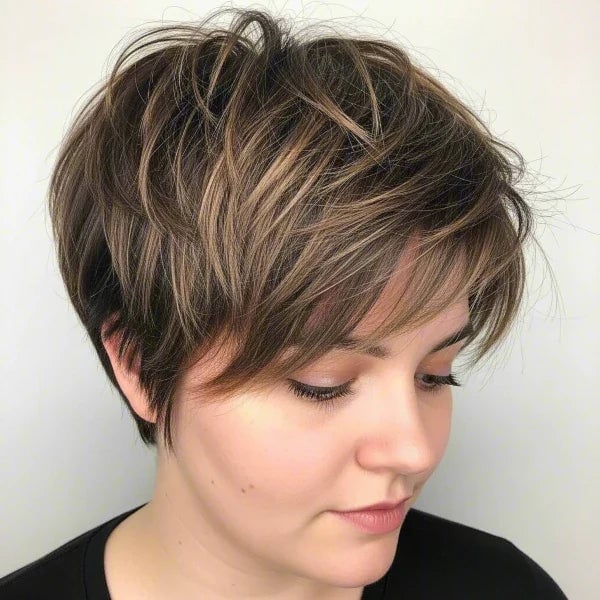
It is not a classic pixie and it is not a shag; it falls somewhere between, with textured layers that move independently. On fine straight hair, static layers tend to collapse, so the movement comes from the cut itself. The side-swept bangs frame the forehead, and the subtle blonde highlights add contrast without a heavy root line. Ask your stylist for an ear-length pixie with textured layers and side-swept bangs. A styling paste worked through damp hair defines the pieces, and a trim every four to six weeks keeps the shape sharp.
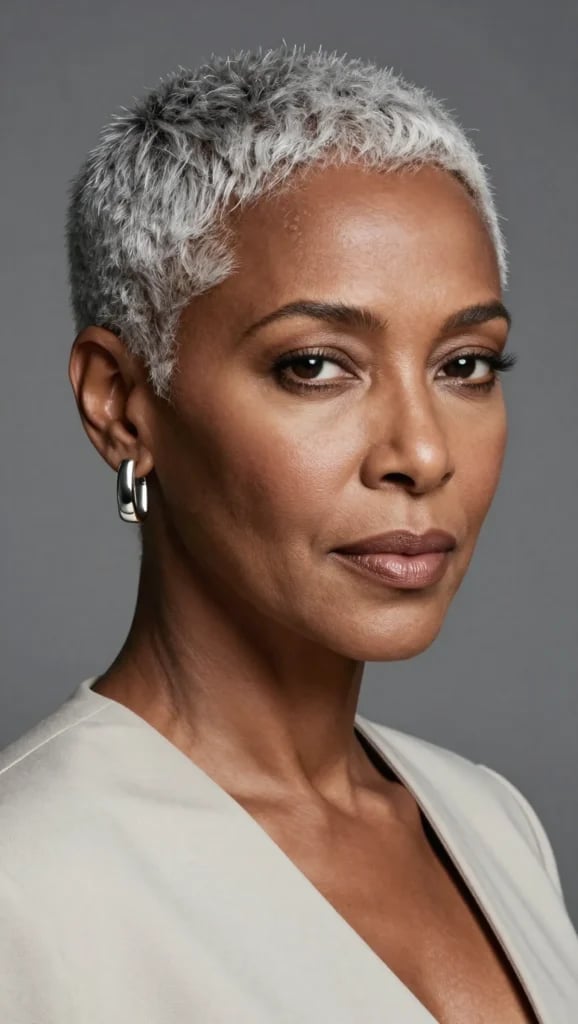
Textured Gray Pixie With Side Part
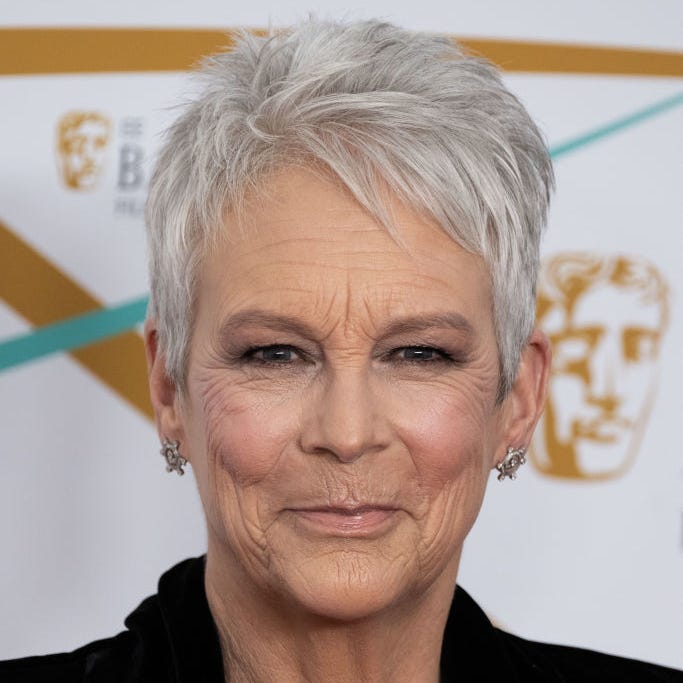
A gray pixie has the advantage of natural contrast against the scalp, which makes fine strands look more substantial. The side part here directs volume to one side, and the subtle layers keep the shape from looking uniform. Short bangs graze the forehead lightly, so the cut reads as soft rather than severe. Ask your stylist for a short textured gray pixie with side-swept bangs. This is one of the easier pixies to maintain at home: a dry texture spray and a quick finger comb are usually enough. It suits oval and angular faces, since the side-swept shape softens sharper features.
Asymmetrical Ash Blonde Pixie

A pixie cut with a deliberately uneven shape and a deep side part adds instant volume to fine hair, if you take the side-swept bangs seriously. The asymmetry works best on fine, straight texture because the shorter side lifts visually. Ask your stylist for: asymmetrical pixie with side-swept bangs. The real drawback: the longer side needs trimming every four weeks or the whole balance shifts. A styling paste on the shorter side keeps the contrast sharp.
Textured Dark Brown Bob With Curtain Bangs
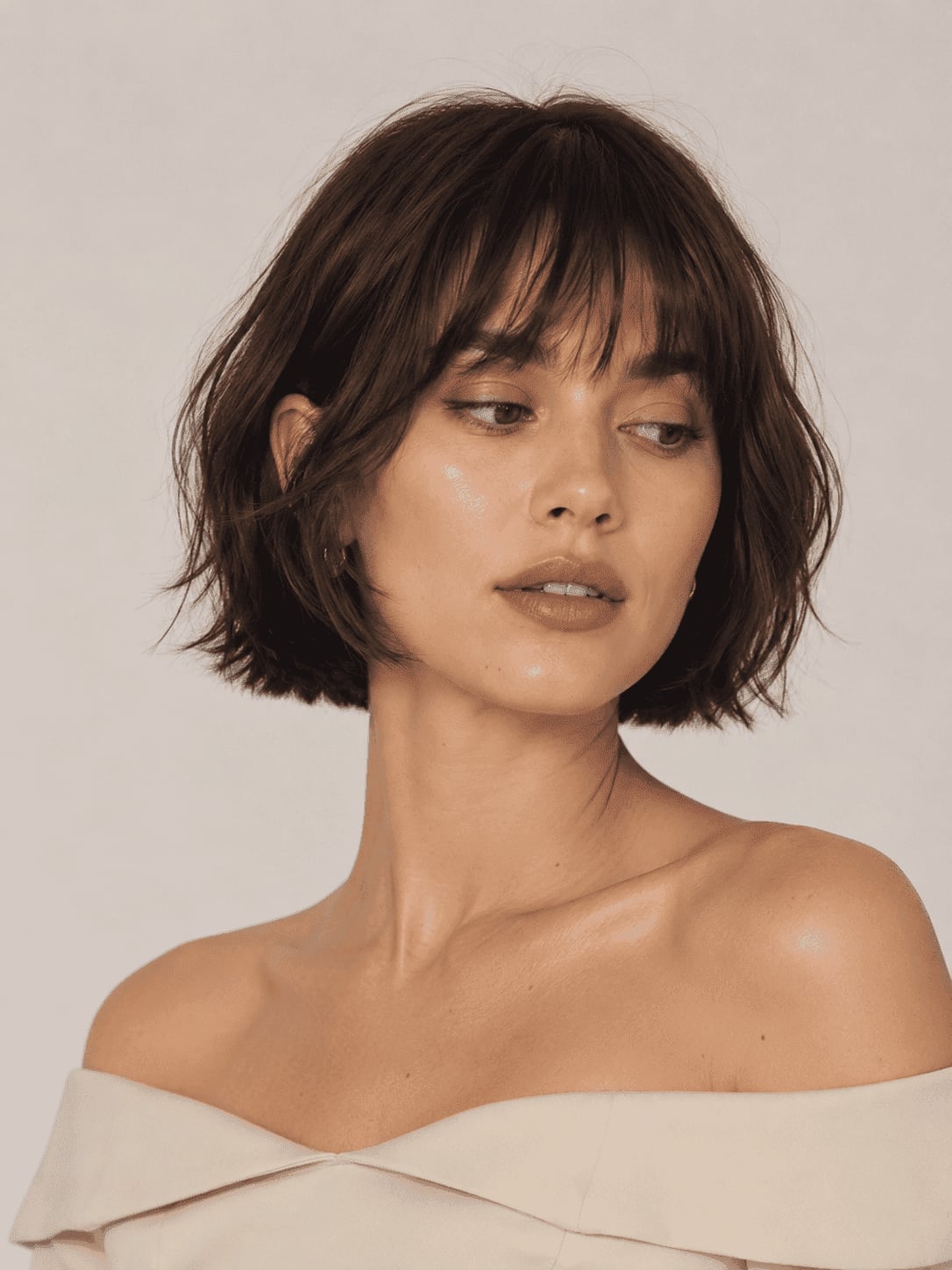
Does a chin-length bob with curtain bangs work on fine, wavy hair? It does, provided the layers are cut into the interior, not the perimeter. The dark brown base keeps the texture grounded while the curtain bangs clear the center of the face. Ask your stylist for: chin-length bob with soft curtain bangs, air-dried texture. Use a small amount of mousse, then tuck the bangs behind each ear as they dry. Trim every six to eight weeks to keep the bangs from swallowing the bob.
This cut flatters oval and round faces because the curtain bangs pull diagonally across the forehead. A side part adds more lift on top, which matters when the hair is fine and wavy. Skip this if your hair is very dense or straight. The air-dried texture won’t look deliberate without some natural wave.
Chin Length Bob With Wispy Fringe
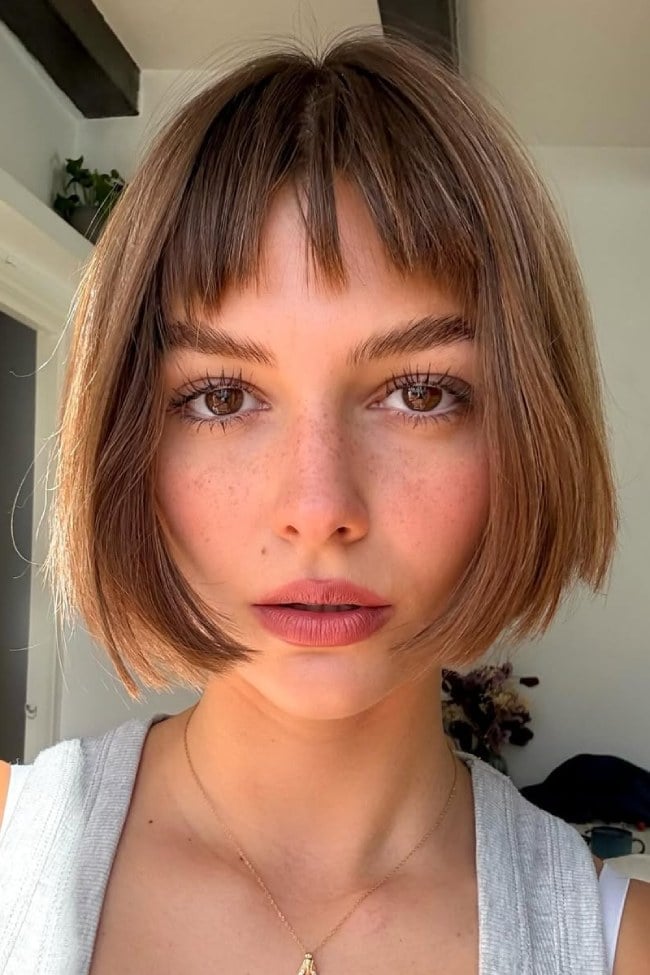
The side part and air-dried finish keep the silhouette clean without tools. Ask your stylist for: chin-length bob with a wispy fringe, air-dried finish. This is a natural, everyday cut that also works for a casual outdoor event, the shine from the caramel brown shade compensates for the lack of styling effort.
Glossy Red Bob With Side Swept Bangs
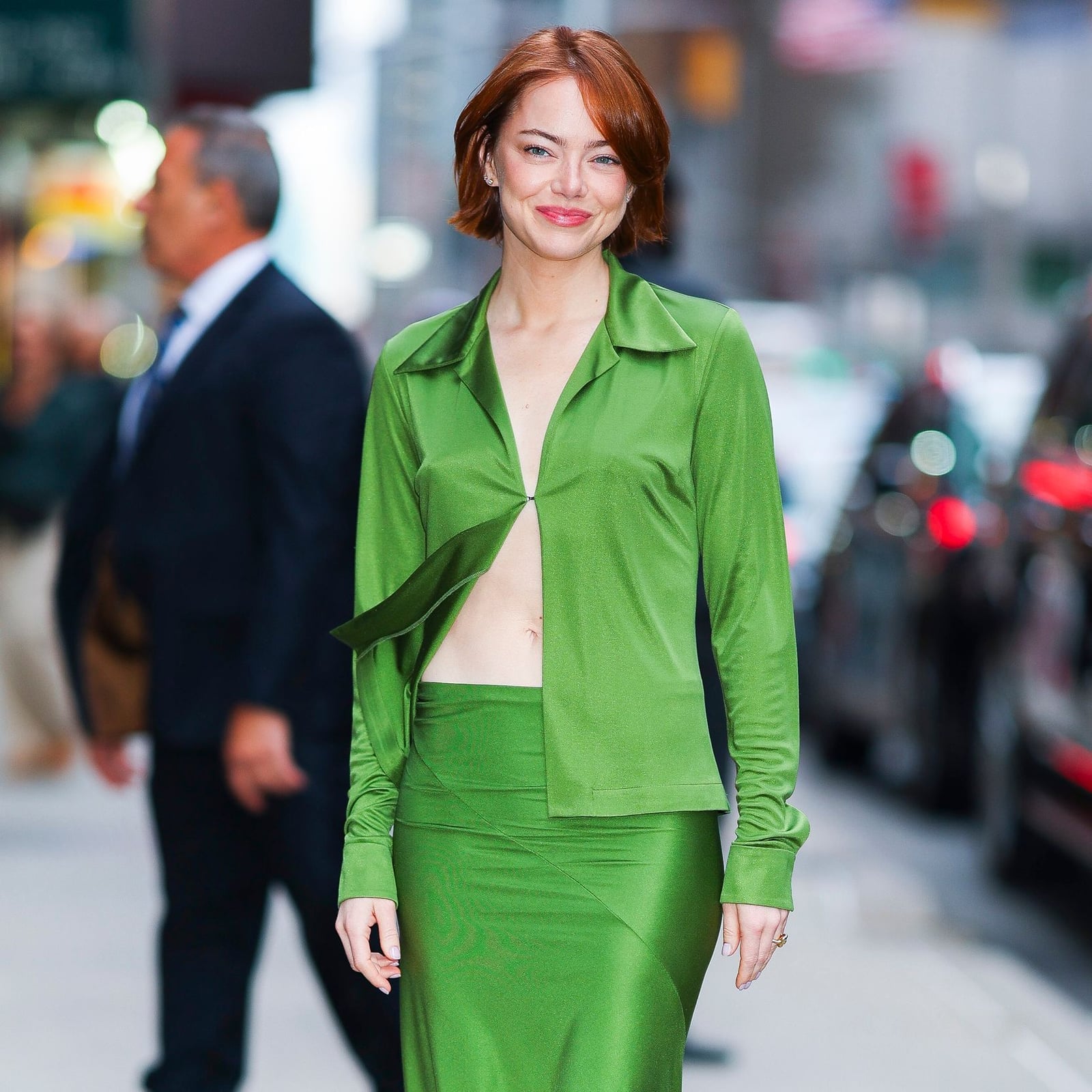
The glossy finish on this chin-length red bob comes from a blow-drying technique that uses a boar bristle brush on fine, straight hair. The side-swept bangs blend into the length rather than sitting as a separate piece, which keeps the silhouette polished. Ask your stylist for: chin-length red bob with smooth blowout and side-swept bangs. A round brush at the root gives lift without layers, and the red color adds depth that fine hair often lacks. Trim every six to eight weeks to maintain the blunt edge.
Textured Blonde Bob With Blunt Bangs
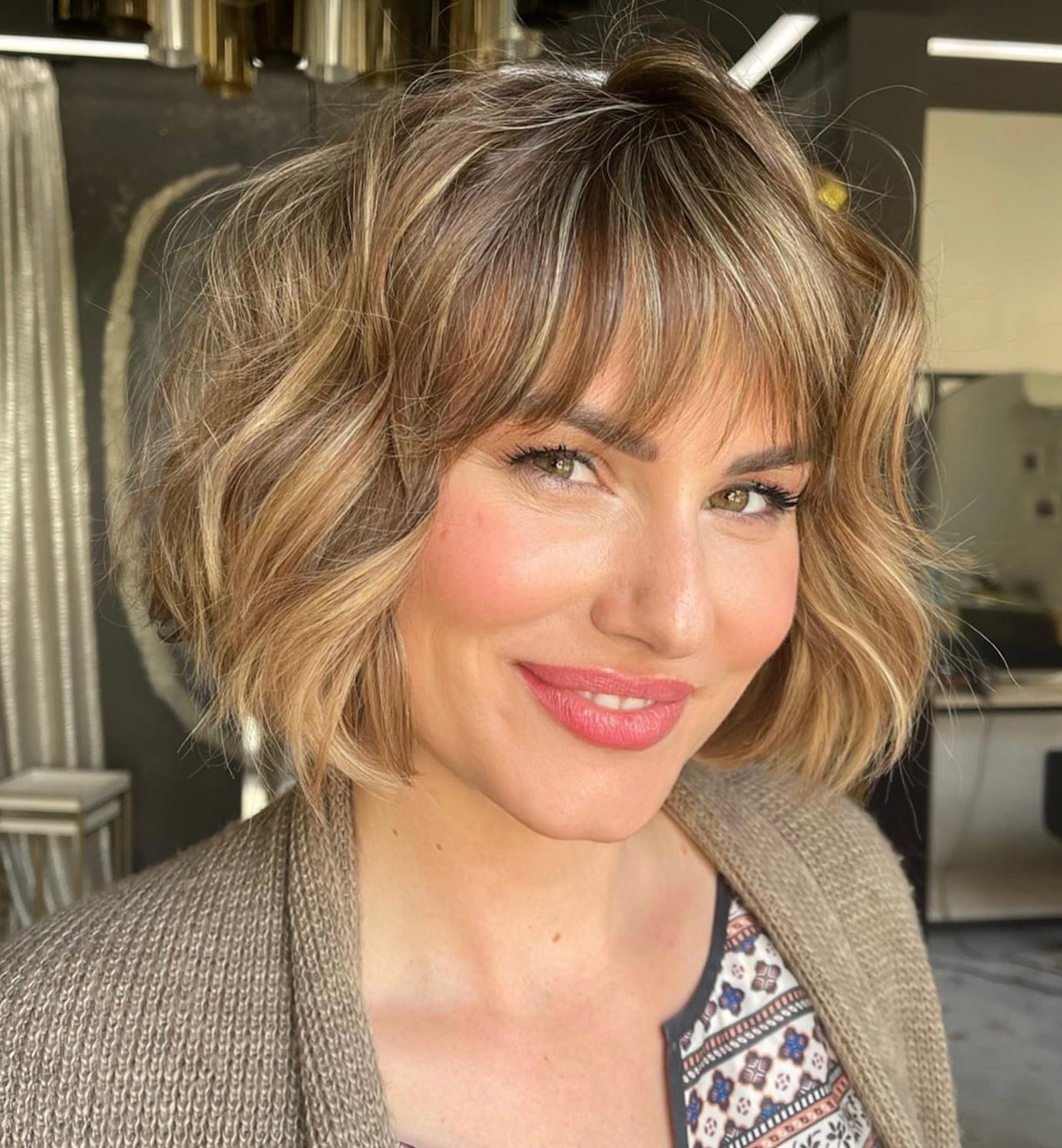
This is not a sleek, polished bob. It is a chin-length cut with blunt bangs and a deliberately wavy texture that adds body to fine hair. The blonde balayage adds dimension without weighing the ends down. Ask your stylist for: chin-length bob with blunt bangs and wavy texture. A sea salt spray on damp hair before blow-drying creates the wave pattern. The real drawback: blunt bangs on fine hair show oil faster than any other fringe, so a quick dry shampoo touch-up mid-day is almost guaranteed. Trim every six to eight weeks to keep the blunt edge clean and the bangs out of your eyes.
This cut suits oval and heart faces because the blunt bangs shorten the forehead and the wavy bob widens the lower face slightly. The balayage tone should be a few shades lighter than your base so it looks like a planned highlight, not regrowth.
Textured Ash Brown Bob With Layers
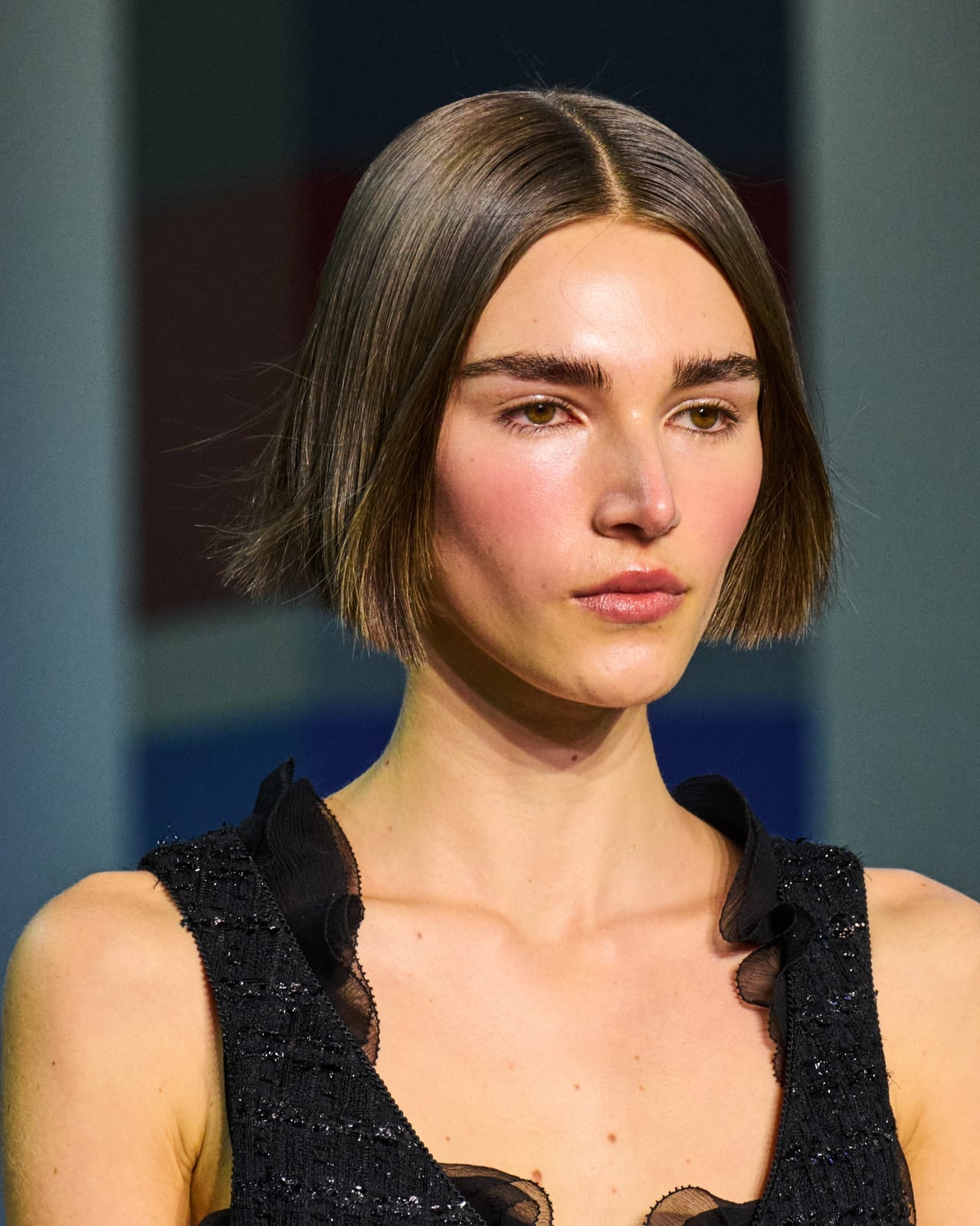
A chin-length bob with subtle layers and textured ends, this cut banks on wavy fine hair to deliver the fullness it promises. The ash brown base with lighter highlights adds dimension without overwhelming the fine texture. Ask your stylist for a chin-length bob with subtle layers and textured ends.
Fine, wavy hair accepts this shape well because the layers create movement without adding weight. The side parting helps distribute volume evenly across the crown. A texturizing paste worked into the ends keeps the shape defined between trims, which should land every six to eight weeks to maintain the bob’s clean line.
Angled Bob With Side Swept Bangs
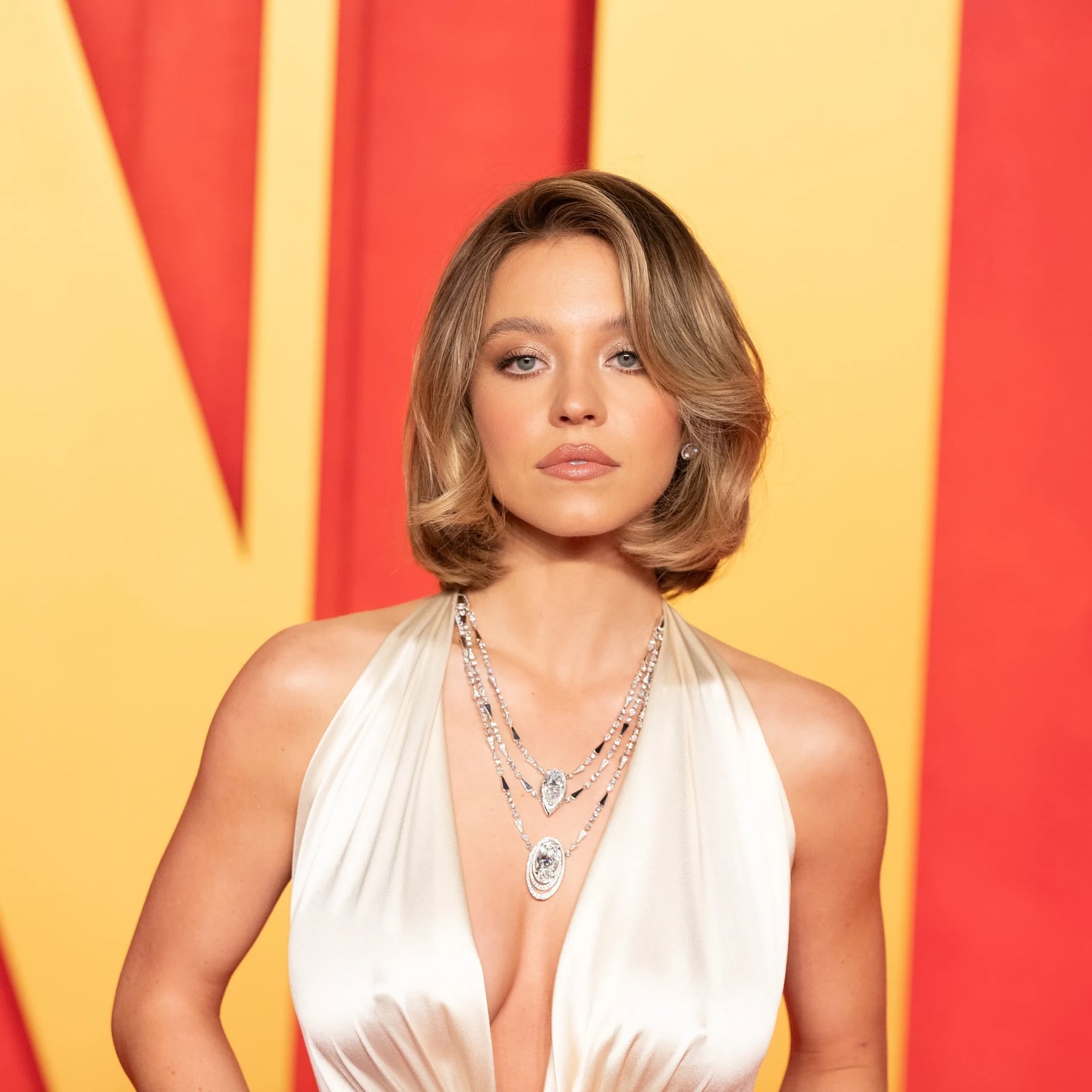
What happens when the angle of a bob meets fine hair? The sharp line can weigh down the top if the stylist cuts it too aggressively. This chin-length angled bob with side-swept bangs and a dark blonde base with subtle highlights avoids that trap by keeping the front longer and the back short. Ask your stylist for a chin-length angled bob with side-swept bangs.
The blowout styling lifts the roots and softens the geometric shift, so the angle creates deliberate volume instead of a flat wedge. One real drawback: the bangs require a trim every three weeks or they slide past the ideal grazing point and lose their purpose.
Layered Medium Brown Bob With Volume
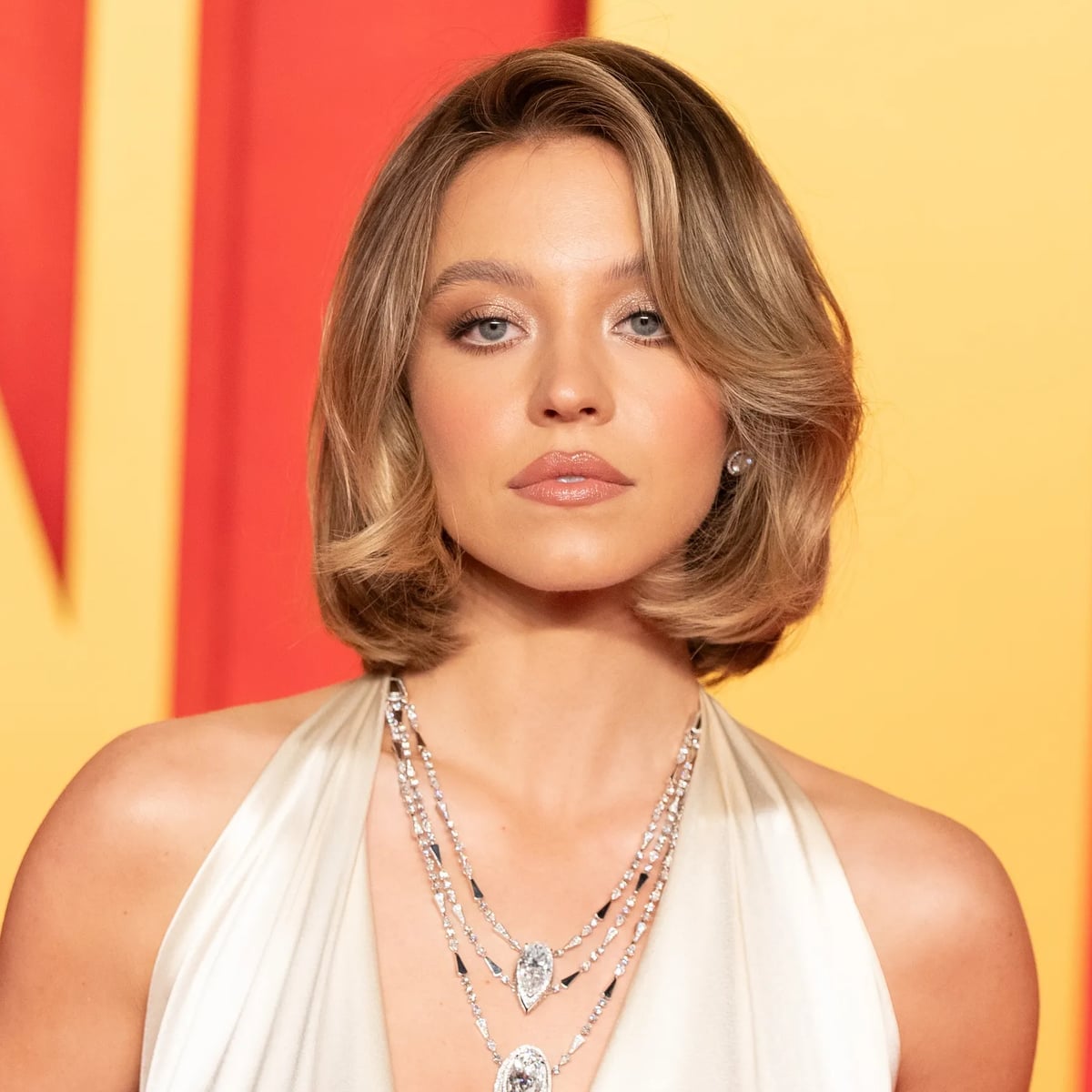
Fine, straight hair cut to a chin-length layered bob gains the volume it lacks at longer lengths. The medium brown color looks solid and glossy, which helps the layers appear as deliberate shape, not thin ends. Ask your stylist for a chin-length layered bob with volume.
This cut works well on oval and round faces because the side parting and blowout styling lift the roots at the crown, creating a visual balance. Anyone with very coarse or thick hair should pass: the layers will create too much bulk and the bob will lose its clean structure.
Wavy Blonde Bob With Root Shadow
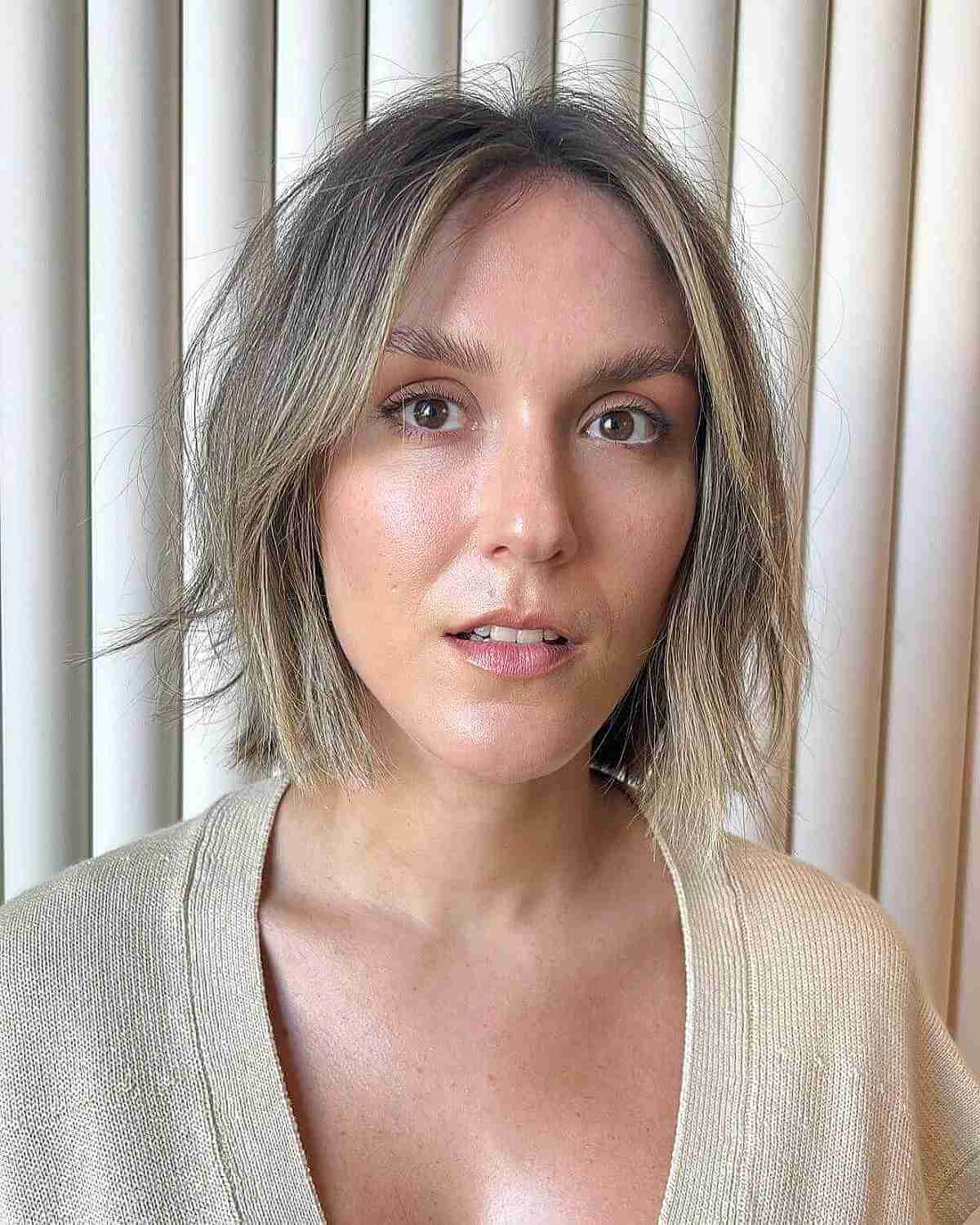
A chin-length bob in blonde with a subtle root shadow solves the seasonal problem of visible regrowth on fine hair. The wavy texture, air-dried with a middle parting, keeps the shape soft and the root shadow blends naturally as the blonde grows out. Ask your colorist for a chin-length wavy blonde bob with root shadow.
This is a late-spring into summer cut: the root shadow handles the contrast between natural roots and sun-lightened lengths, so you can stretch the interval between salon visits. The air-dried styling works because fine waves hold their movement without heat, which also means less daily effort during warmer months.
Layered Shoulder Length Lob
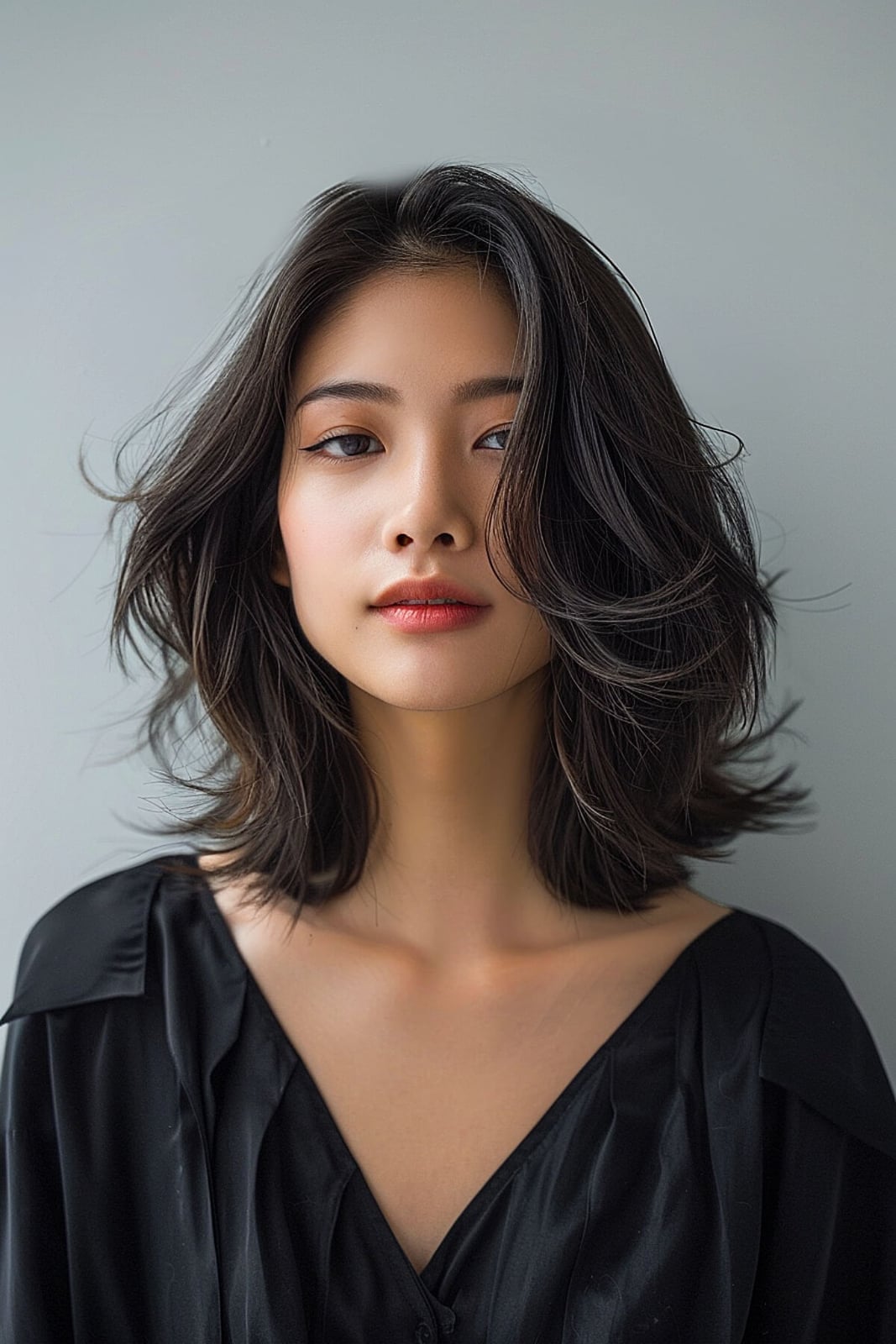
A shoulder-length lob with subtle layers built through the interior creates movement without sacrificing density. The dark brown base with lighter pieces adds depth, while the wavy texture gives the layers enough grip to hold their shape. Ask your stylist for a shoulder-length lob with subtle layers and loose waves.
The layering technique here is graduated: shorter pieces sit at the crown to lift, and longer pieces frame the perimeter to preserve weight. This works for all face shapes because the shoulder length sits below the jawline but above the collarbone, so it elongates a round face and softens a square one. A texturizing spray applied to damp hair before scrunching sets the wave pattern without stiffness.
Blunt Medium Brown Lob
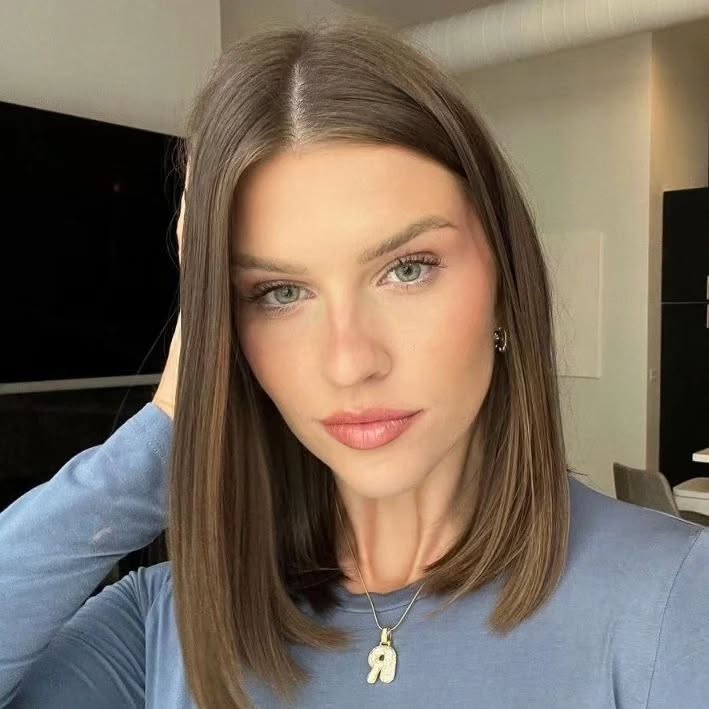
A blunt lob is not a soft lob. The ends are cut straight across, which tricks the eye into seeing more density in fine, straight hair. This one lands at the collarbone with a middle part and no bangs, so the weight sits evenly.
Ask your stylist for: shoulder-length lob with blunt ends. The trade-off is that a blunt cut shows every uneven strand, so be specific about the line. Request a clean, horizontal finish with no texturizing at the hemline. The subtle lighter tones in the brown add a little dimension without breaking the solid shape. Fine, straight hair that is at least shoulder length benefits most from this approach.
Dark Brown Lob With Volume Blowout
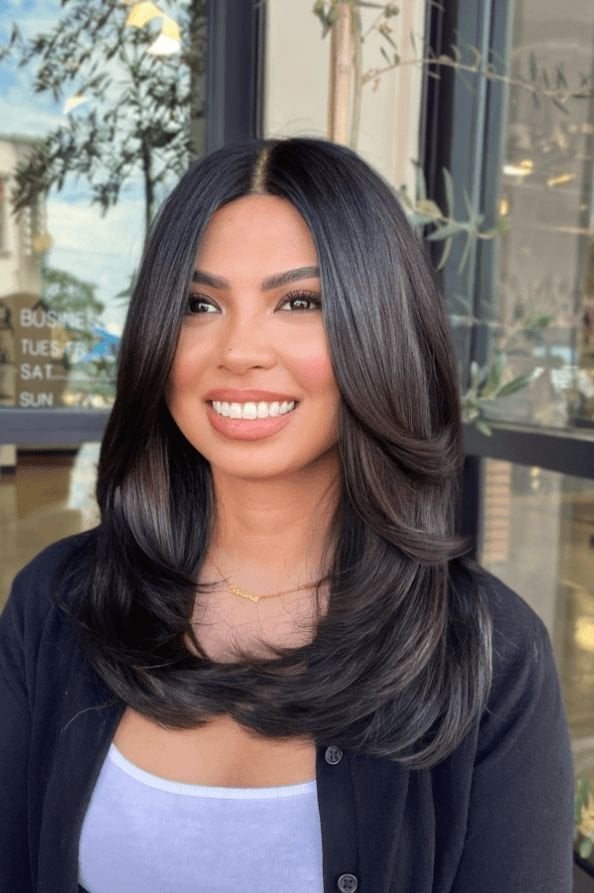
The design relies on long layers and curtain bangs to lift fine, straight hair without removing bulk. A middle part and a blowout with root lift push the volume higher than a simple air-dry can manage.
Ask your stylist for: collarbone length lob with long layers and curtain bangs. The ash highlights are subtle, so they add dimension without contrast. To keep the shape, use a round brush, lifting at the roots first and then curving the ends under. A trim every eight to ten weeks preserves the curtain bangs and the layer placement. This lob suits oval and heart faces best, as the side-swept opening of the bangs balances a wider forehead.
Brunette Lob With Glossy Blowout
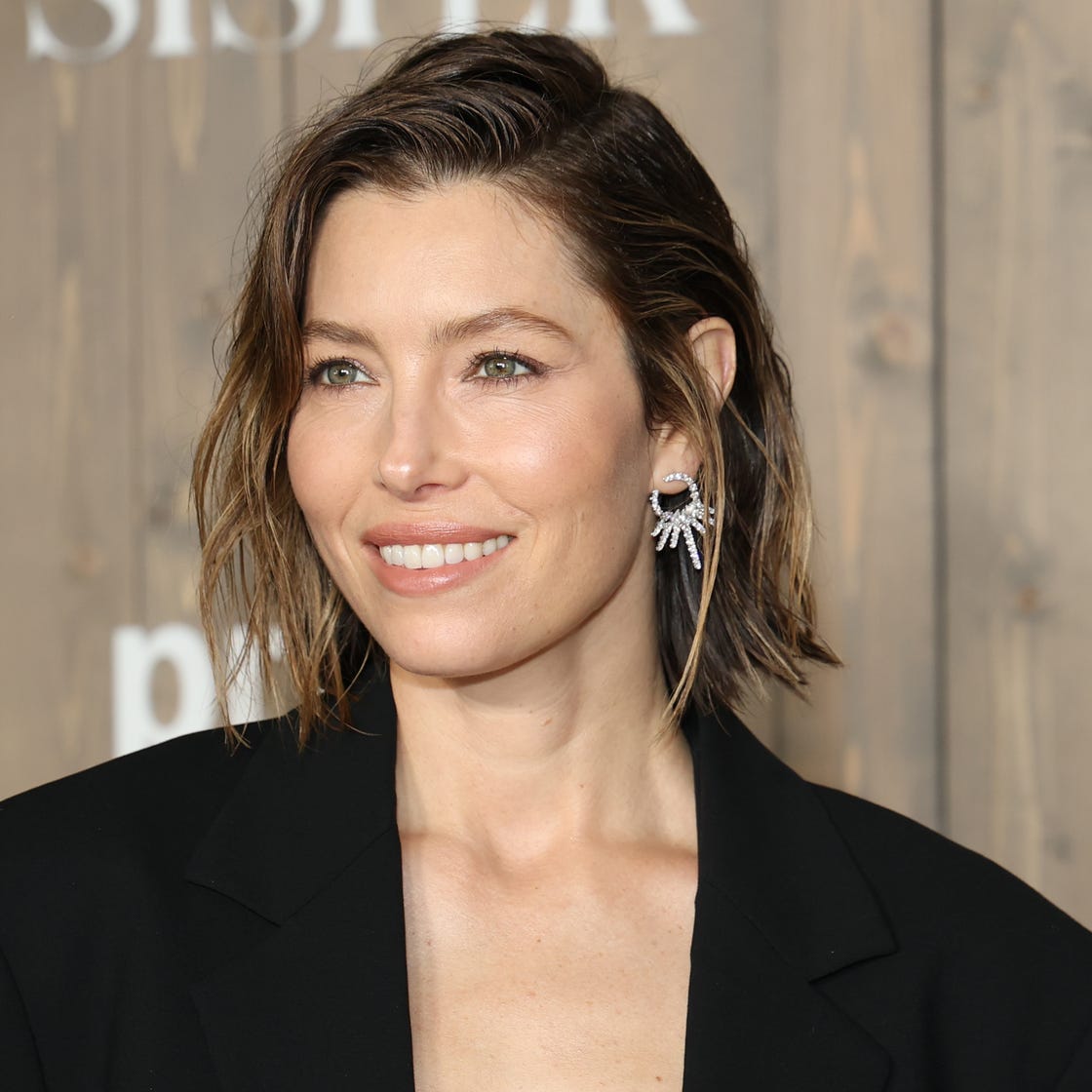
Why does this glossy lob sometimes fall flat? The mistake is treating fine, wavy hair the same as thick hair during a blowout. Over-brushing stretches out the wave, and without enough tension at the roots, the volume collapses by midday.
Ask your stylist for: collarbone length lob with soft curtain bangs and glossy blowout. The look needs a lightweight smoothing serum applied to damp hair before drying, not after. The curtain bangs here are cut to skim the cheekbones, which softens a round face. The downside is that this lob is a wash-and-blow-dry cut, not an air-dry cut. If you skip the round brush, expect a flatter result.
Collarbone Layered Lob With Volume
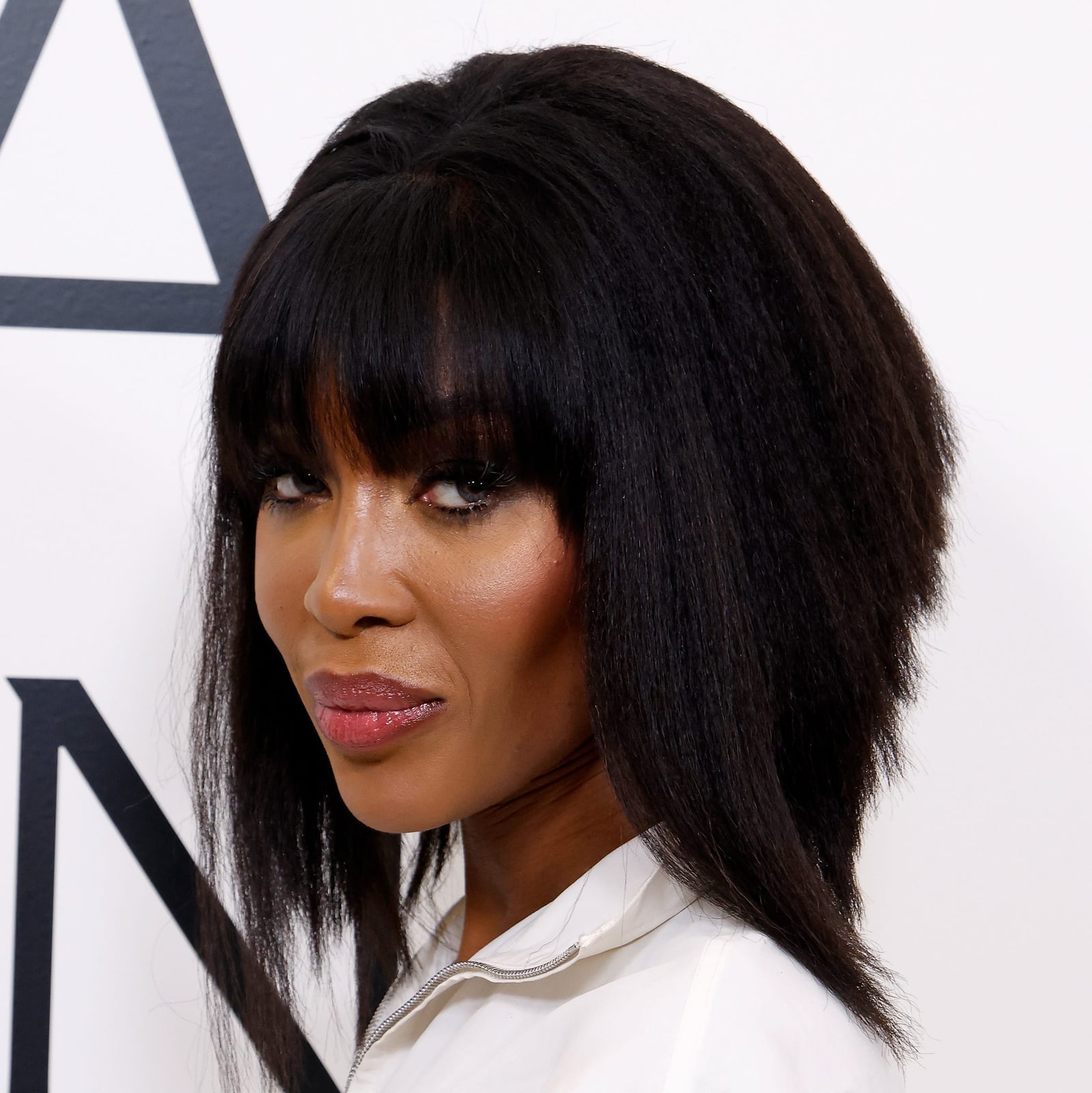
Visible layers create the illusion of movement in fine, straight hair by breaking up the solid length. This collarbone cut uses subtle blonde highlights to emphasize each layer, so the eye registers texture even when the hair is straight.
Ask your stylist for: collarbone length layered lob with root and end volume. The layers are cut throughout, not just at the ends, which prevents the triangle shape that happens when fine hair is over-layered at the hemline only. A middle part keeps the distribution even. This lob works on all face shapes because the length lands below the jaw and the layers add width at the sides. Fine hair that is naturally straight or barely wavy gets the most from this structure.
Face Framing Layered Brunette Lob
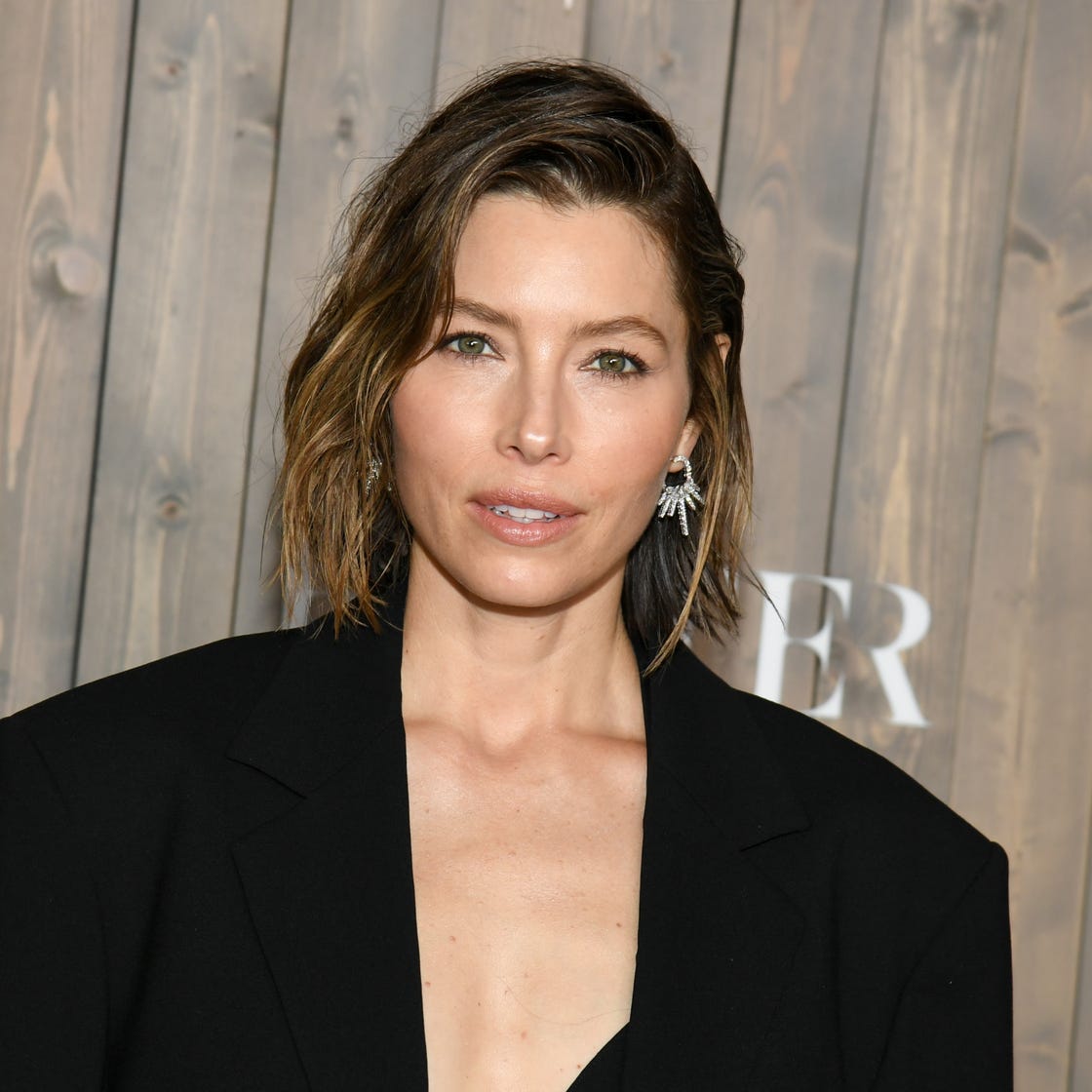
Face-framing layers shorten the visual weight of a collarbone lob by tapering the front sections shorter than the back. On fine, wavy hair, this creates a soft A-line shape that moves with the natural wave rather than fighting it.
Ask your stylist for: collarbone length layered lob with face-framing layers, air-dried. The middle part and the highlights add depth without needing a blowout. This cut is built for warmer months when air-drying is the default, because the layers catch air and encourage the wave pattern. It suits all face shapes, but the front layers hit just below the chin, which elongates a round face. The brunette base with lighter pieces keeps the dimension seasonal without a high-maintenance root line.
Platinum Lob With Curtain Bangs And Root Shadow

A root shadow is a clever bit of engineering for fine hair: it anchors the lighter lengths visually so the platinum doesn’t appear see-through. This collarbone lob keeps a middle part and curtain bangs, with the darker base at the roots creating an instant density illusion. The wavy blowout bends around the face, and the fine texture benefits from that color depth. Ask your colorist for collarbone length lob with curtain bangs and root shadow. A mousse at the roots before blow-drying lifts the crown, and the whole look needs a trim every eight to ten weeks.
Collarbone Layers With Curtain Bangs
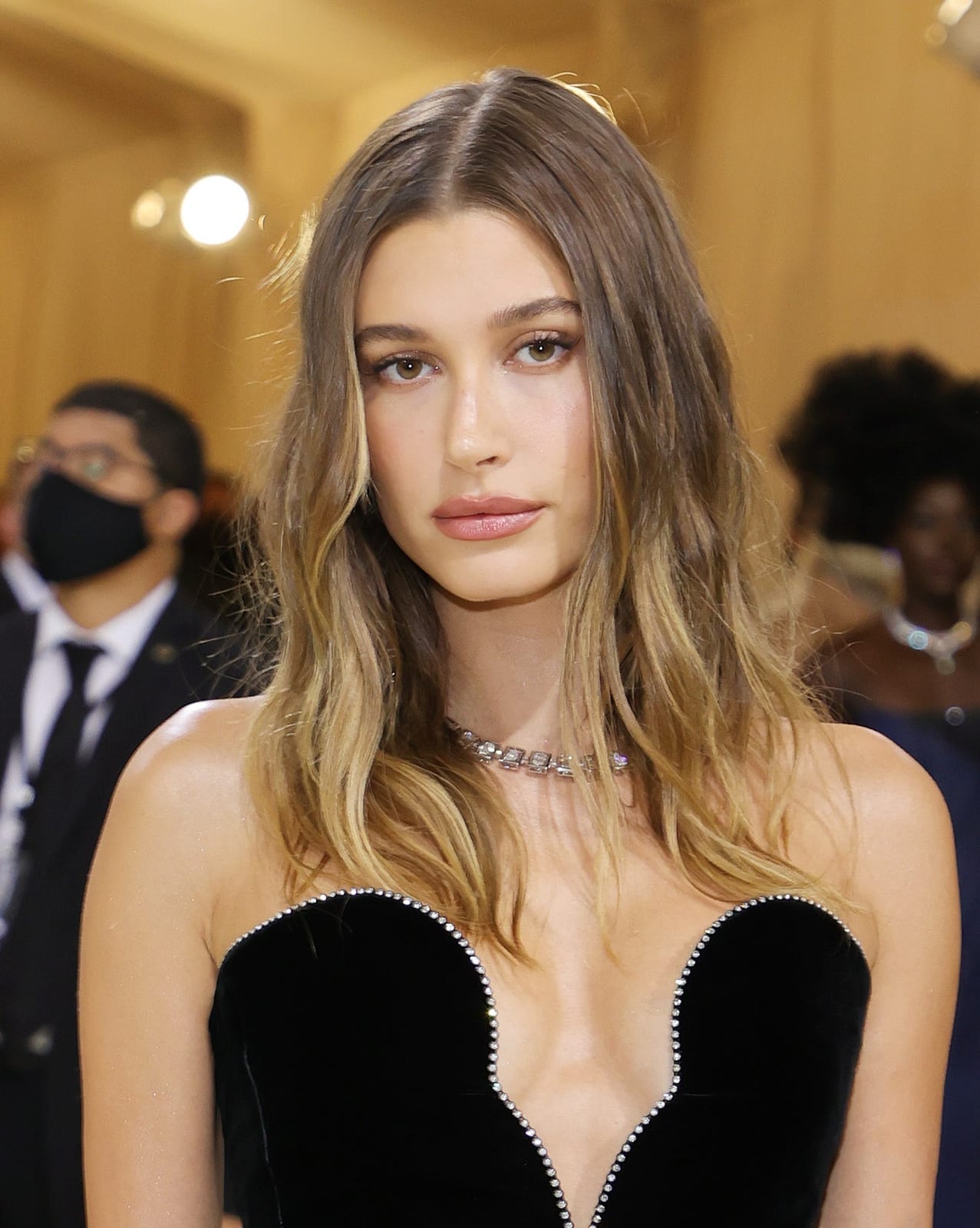
This is not a one-length lob. The soft layers and curtain bangs here are cut to skim the cheekbones and jaw, which gives fine hair a shape that holds even when the curl drops out by midday. The medium brown base with subtle blonde balayage adds dimension without the weight of solid color, and the wavy blowout finishes with a glossy, natural texture.
Ask your stylist for collarbone length cut with soft layers and curtain bangs. Be specific about the face-framing effect: you want the shortest layer to hit around the chin. The honest downside is that those wispy ends can look thin if you skip trims, so book a maintenance appointment every eight to ten weeks.
Choppy Collarbone Shag With Bangs

A collarbone shag on fine hair wears its texture honestly: the choppy bangs and heavily layered waves rely on a middle part and air-dried finish to land that lived-in feel. The medium brown base with subtle highlights keeps the cut from looking flat, because the lighter pieces catch the eye between the layers.
Ask your stylist for collarbone length choppy shag with textured bangs. To maintain the shape, work a texturizing paste through the ends on damp hair and let it dry without touching it. The cut will soften over about two weeks, so if you want that day-one sharpness, a trim every eight to ten weeks is the rhythm.
Dark Brown Shag With Textured Layers, Collarbone
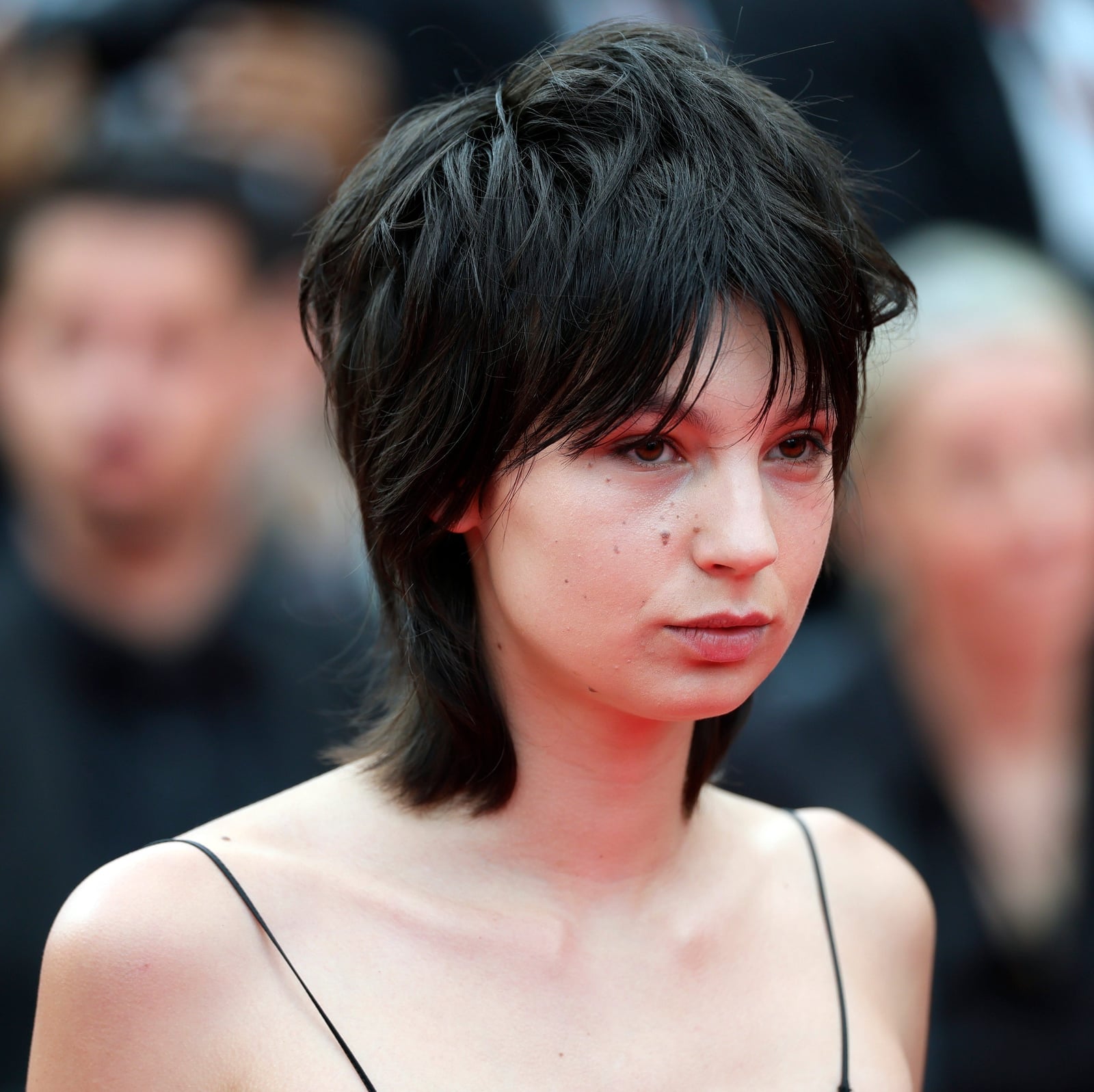
Does your shag look like a triangle after a month? The mistake is skipping the texturizing step that makes the layers separate. This dark brown shag with curtain bangs and a middle part needs a product that breaks up the ends, because fine hair in a solid color like this can read as one flat wedge without it. Ask your stylist for collarbone length shag with textured layers and curtain bangs. The real drawback is that the shape relies on those layers staying distinct; once they grow past collarbone, the shag loses its lift and starts to droop.
Ash Blonde Shag With Choppy Layers
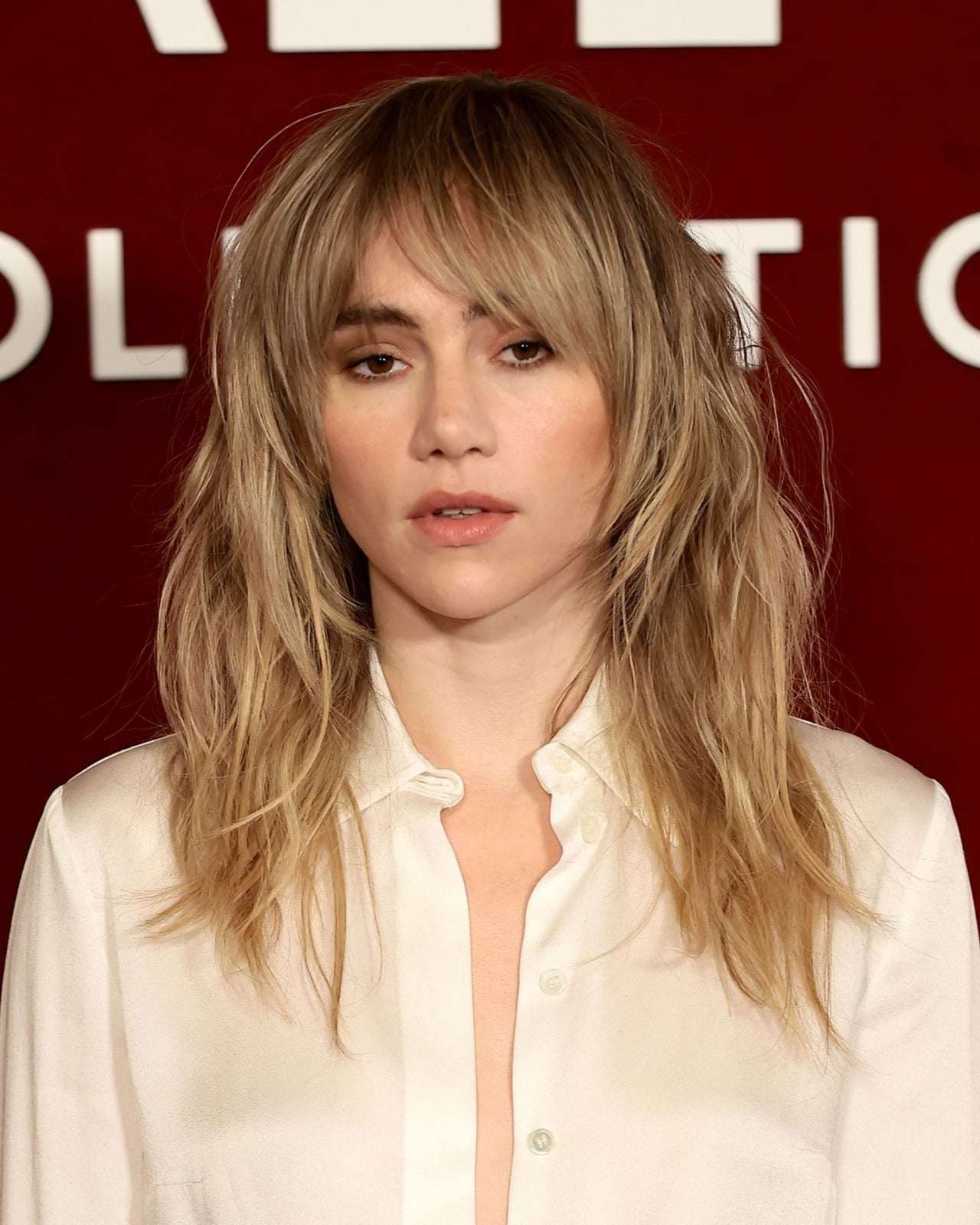
The ash blonde shag works because the choppy layers and wispy curtain bangs are cut to move independently, and the subtle highlights in the lighter base prevent the fine texture from looking like one solid sheet. This collarbone length with a middle part suits oval and heart-shaped faces best, since the volume sits around the ears and jaw, not the crown.
Ask your stylist for collarbone length shag with choppy layers and wispy curtain bangs. The air-dried styling with a texturizing spray gives it a casual, non-precious finish. If your hair is very fine, skip heavy oils and stick to a sea salt spray to keep the pieces defined and free of excess weight.
Collarbone Layers With Honey Blonde Highlights
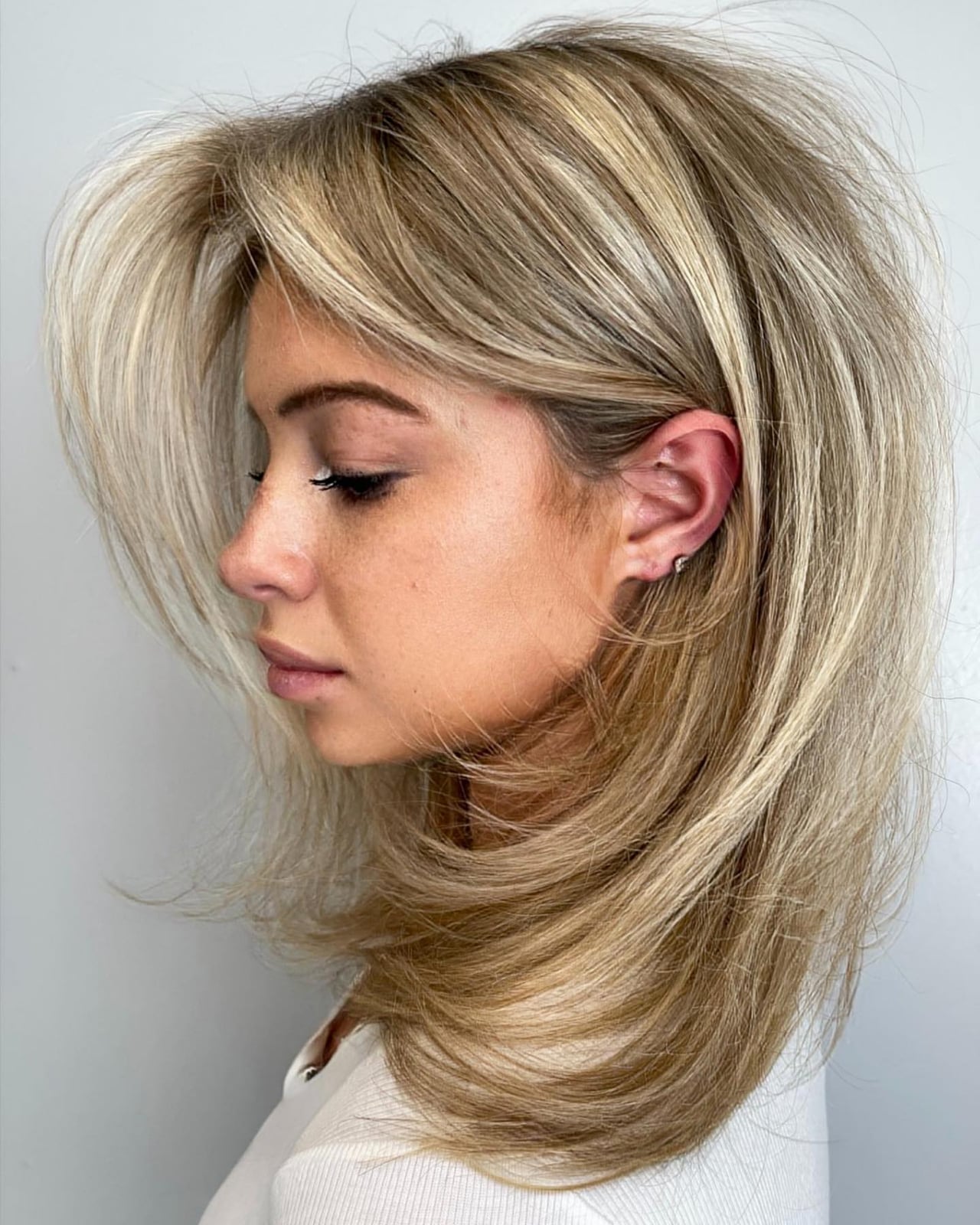
The long layers here start a few inches below the ear and graduate down to the collarbone, with face-framing pieces that catch the honey blonde highlights. Fine, wavy hair benefits from this structure, because the visual weight sits at the ends rather than the roots. Ask your stylist for: collarbone length hair with long layers and face-framing pieces.
A round brush and a blow-dryer are the main tools here, lifting the roots to build volume. The honey-blonde highlights add dimension, which is especially useful during the darker months when fine hair can look flat. A trim every eight to ten weeks keeps the shape clean and the ends healthy.
Textured Collarbone Layers Dark Blonde
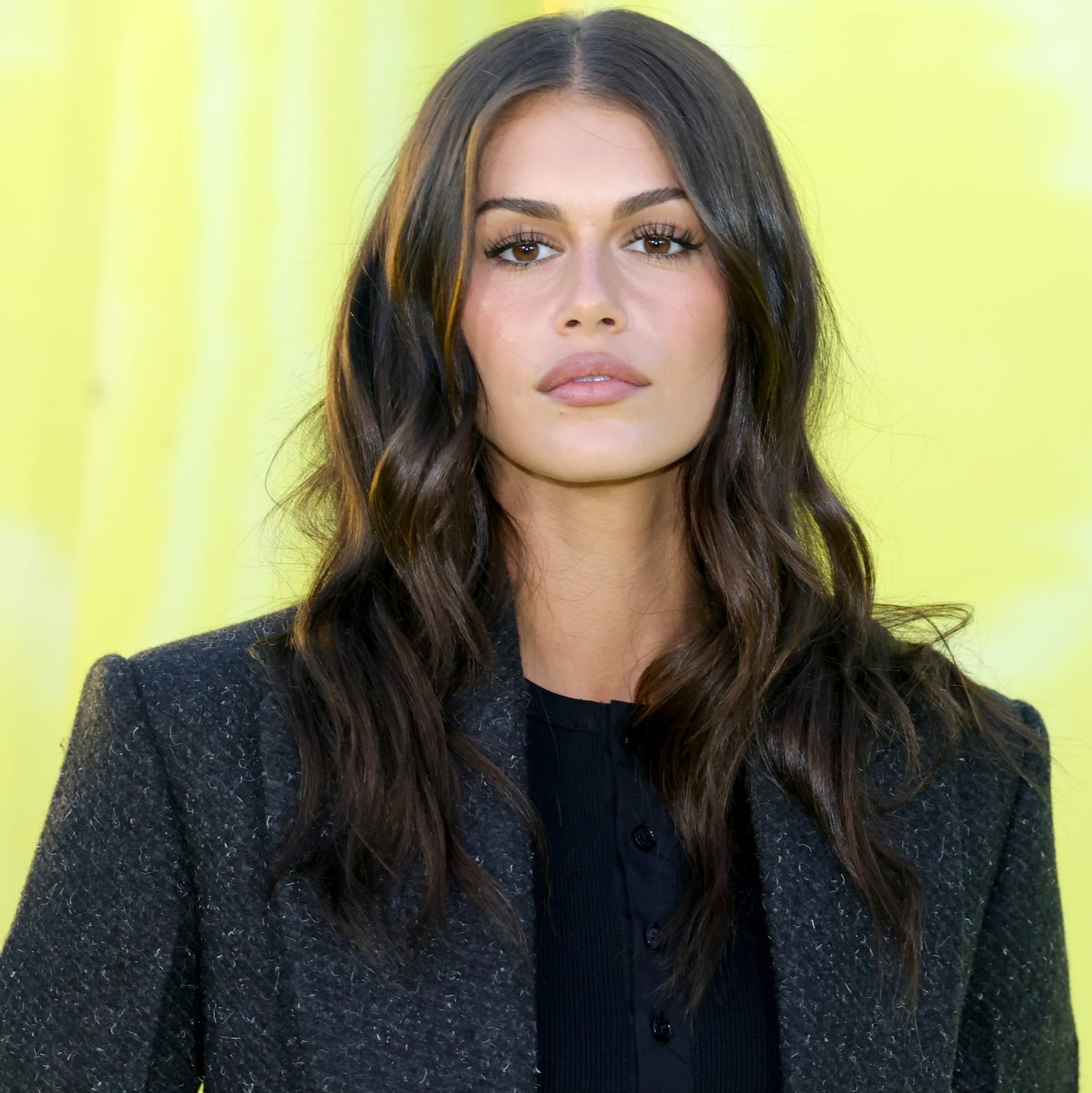
The layers run through the full length here, cut to remove density without losing the collarbone length. Fine, wavy hair takes to this shape because the balayage adds depth without needing a high-maintenance root line. Ask your stylist for: collarbone length hair with textured layers, air-dried finish. A texturizing spray on damp hair and a quick scrunch is all the styling this cut requires.
Angled Wavy Blonde Bob
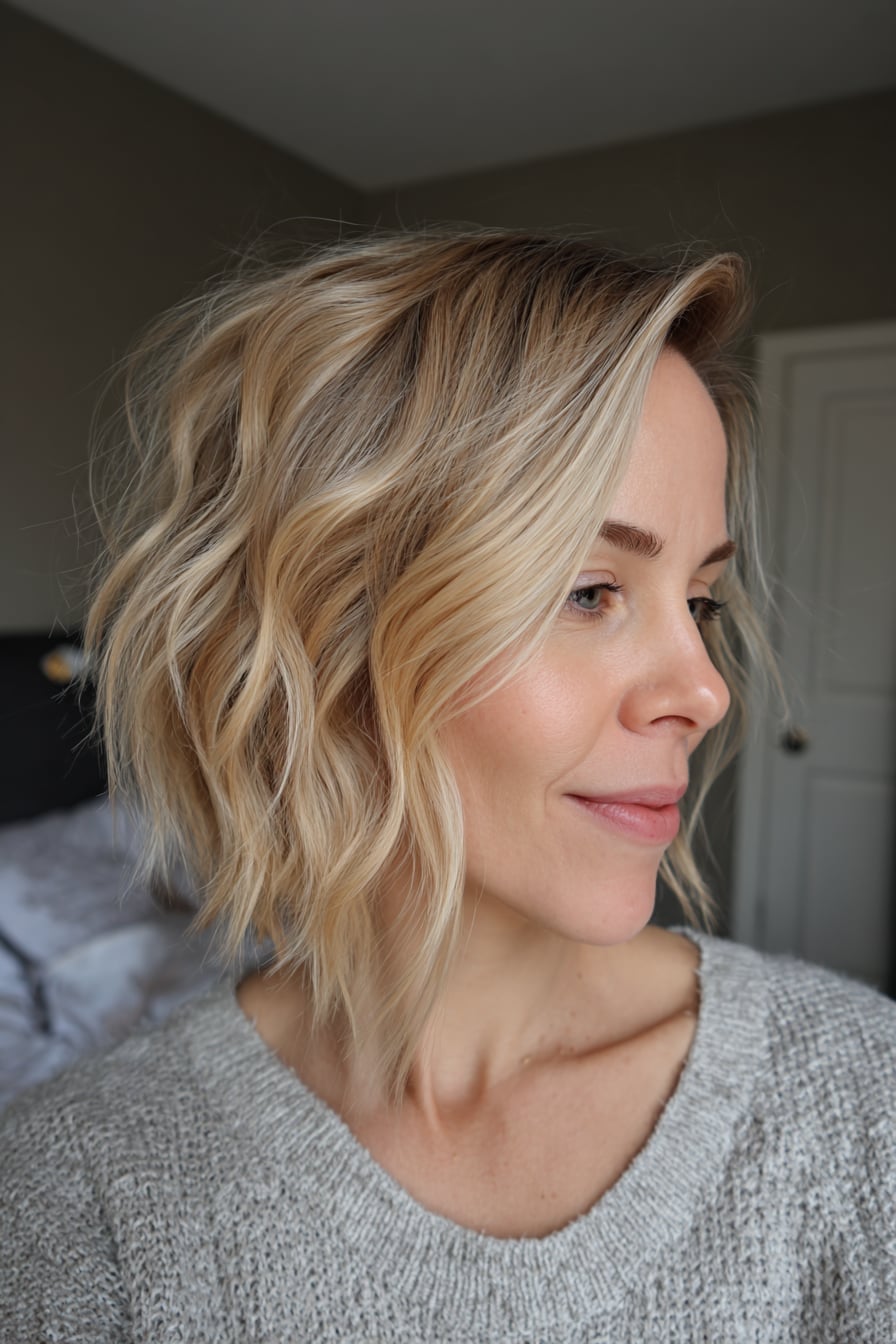
This is not a blunt bob, it is an angled one, with the front hitting the collarbone and the back sitting shorter. Fine, wavy hair gains movement from the angle, and the side part adds volume. A soft blowout with a round brush sets the loose waves, while the balayage prevents the blonde from becoming a solid block of color.
An angled bob needs a precise cut to hold its shape. Fine hair shows uneven lines more than thick hair does, so a skilled stylist matters. Ask your stylist for: collarbone length angled bob with loose waves. Trim every eight weeks to keep the geometry intact.
Mid-Back Layers With Honey Blonde Highlights
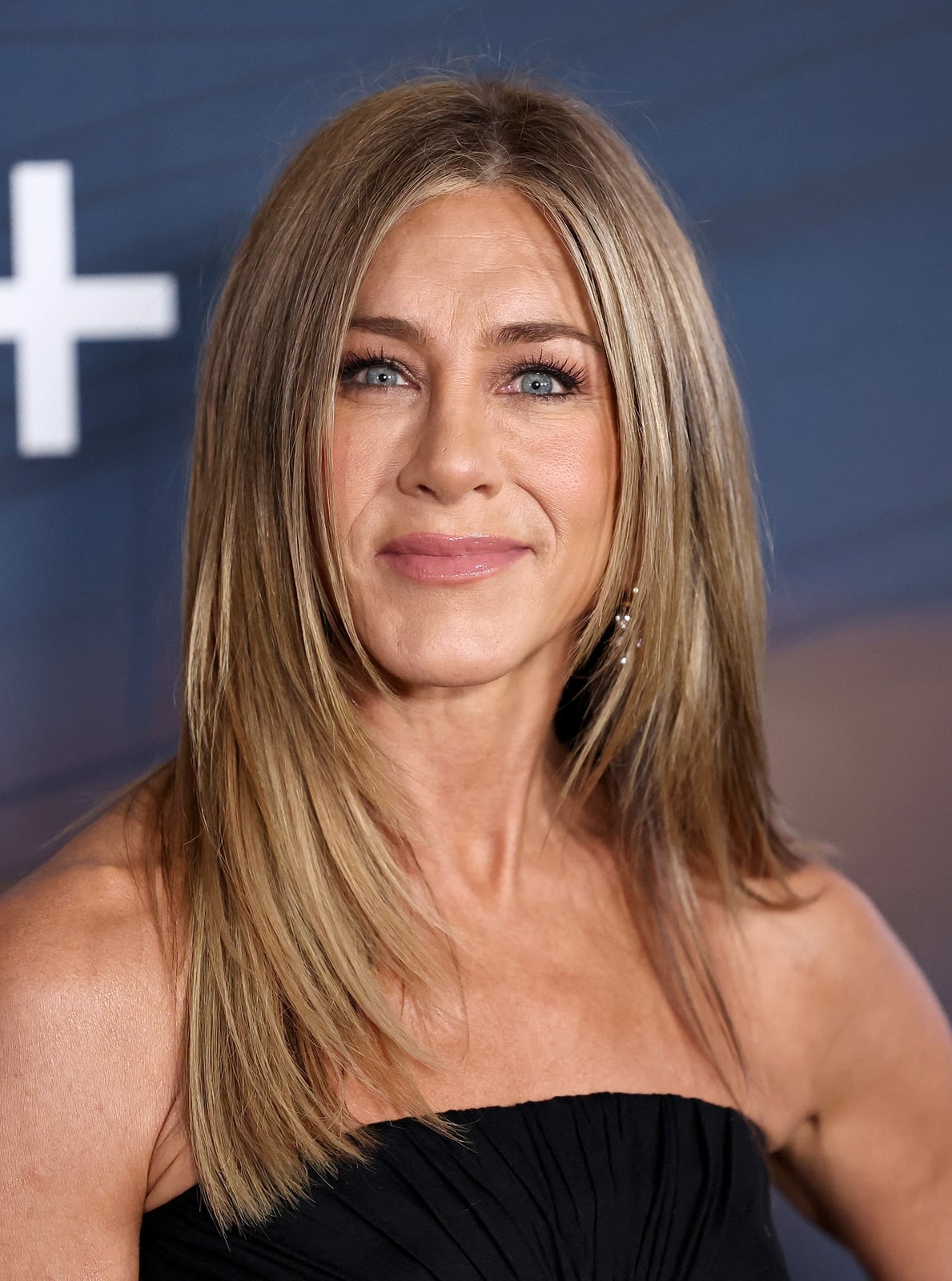
Long layers here run from the chin down to mid-back, keeping the hemline full while removing enough weight to let the hair move. Fine, wavy hair needs this balance, because too much layering makes the ends look scraggly, and too little leaves it flat. Ask your stylist for: mid-back length hair with long layers and soft waves.
Root volume and a blow-dry with a large round brush build the shape. The honey blonde highlights work with the layers to spread light through the length. A trim every ten to twelve weeks prevents split ends from traveling up the hair shaft.
Final Thoughts
For fine hair, prioritize a cut with a clean baseline and strategic layers that build movement without removing density. Blunt ends on a bob or lob create an instant illusion of thickness, while curtain bangs keep the front light.
- Trim every six to eight weeks to maintain shape and remove split ends.
- Use a volumizing shampoo at the roots only.
- Apply a texturizing spray to damp hair for grip.
- Refresh color with a gloss or toner every eight to ten weeks.
- Minimize heat styling; always use a protectant when you do.
Find the fine hair cut that makes you feel anything but delicate.