Braids are the rare hairstyle that works for a quick morning and a long wedding day, and the 2027 versions lean softer, with lived-in color and glossy natural texture. Shorter styles and DIY looks sit alongside more intricate salon braids, so there is a starting point for every skill level.
This collection of 26 Braids Easy Ideas covers everything from chin-length box braids to mid-back French plaits, with options for fine hair that needs volume and thick hair that needs taming. The wry truth: a braid is only as easy as the technique you pick, so these picks balance polish with actual effort.
Short Box Braids With Side Swept Bangs
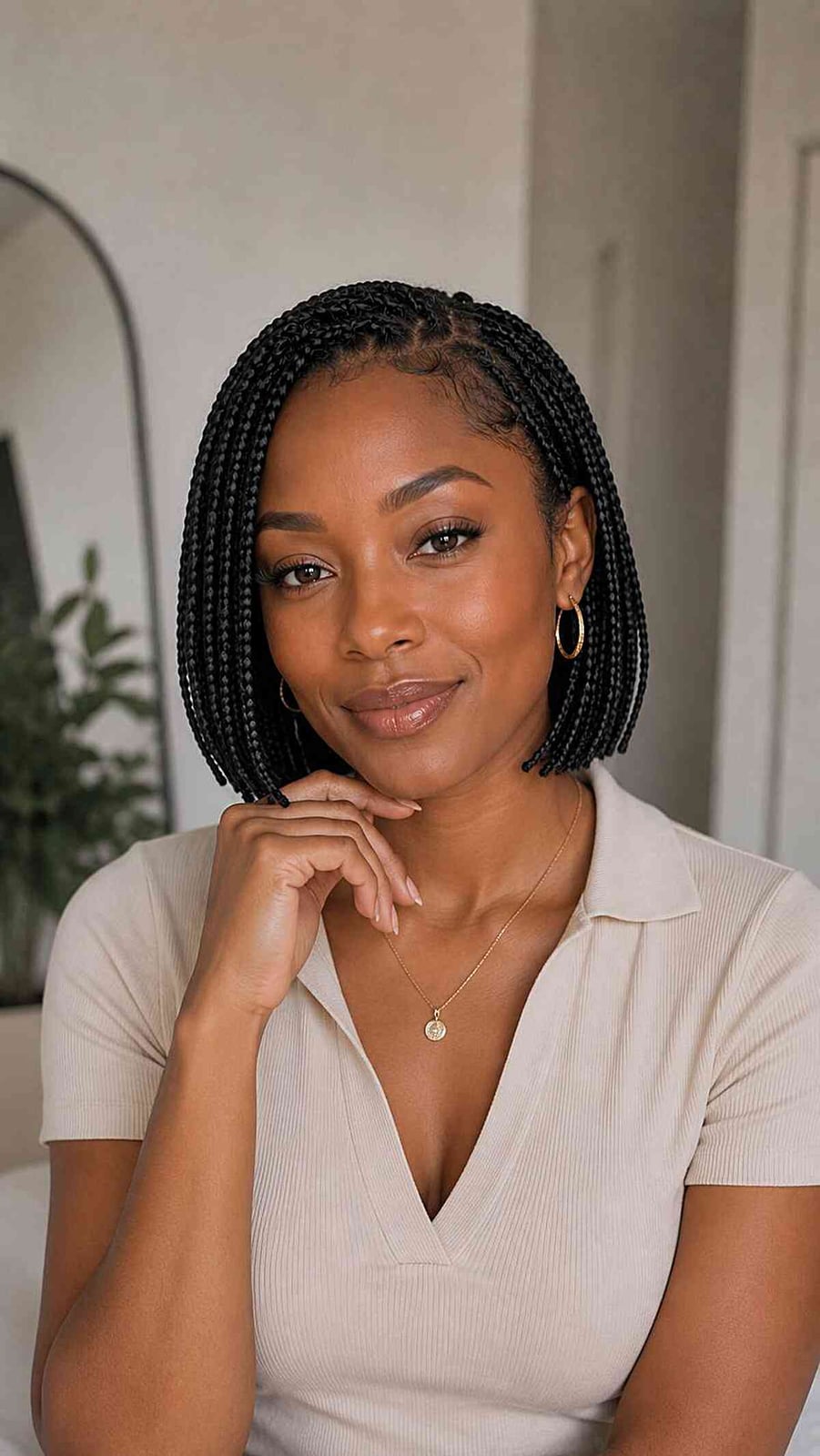
Chin-length box braids with side-swept bangs create a strong, graphic silhouette. The coily, thick texture holds the shape cleanly, and the black base keeps the lines sharp. Ask your stylist for: short box braids to the chin with side-swept bangs. This works best if your hair starts at chin length or longer, and the volume at the sides helps soften a square or round face. Keep the braids moisturized with a light spray to maintain the neatness, and trim any frizz at the ends every six to eight weeks.
Short Hair With A Small Accent Braid
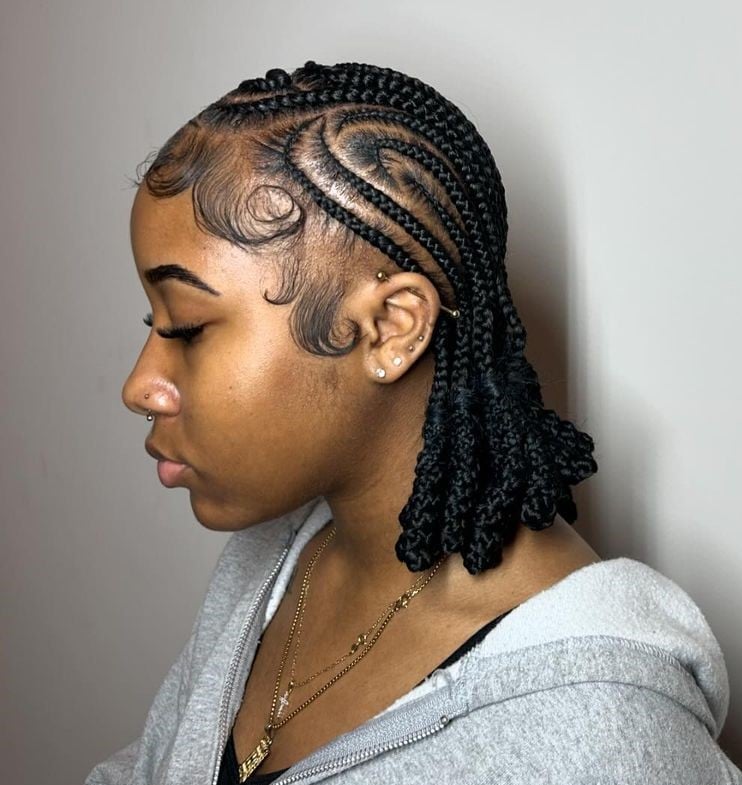
How do you add detail to short hair without a full head of braids? A small, neat braid along the side parting does the job. It works on thick, straight black hair that falls around the ear, and it takes about ten minutes to section and braid from the temple back. Ask your stylist for: a small braid along the side parting. Keep the rest of the hair straight so the accent reads as a deliberate detail. Secure the end with a small elastic and refresh the style daily with a light mist. This one is a true DIY: no salon visit required.
Shoulder Length Box Braids
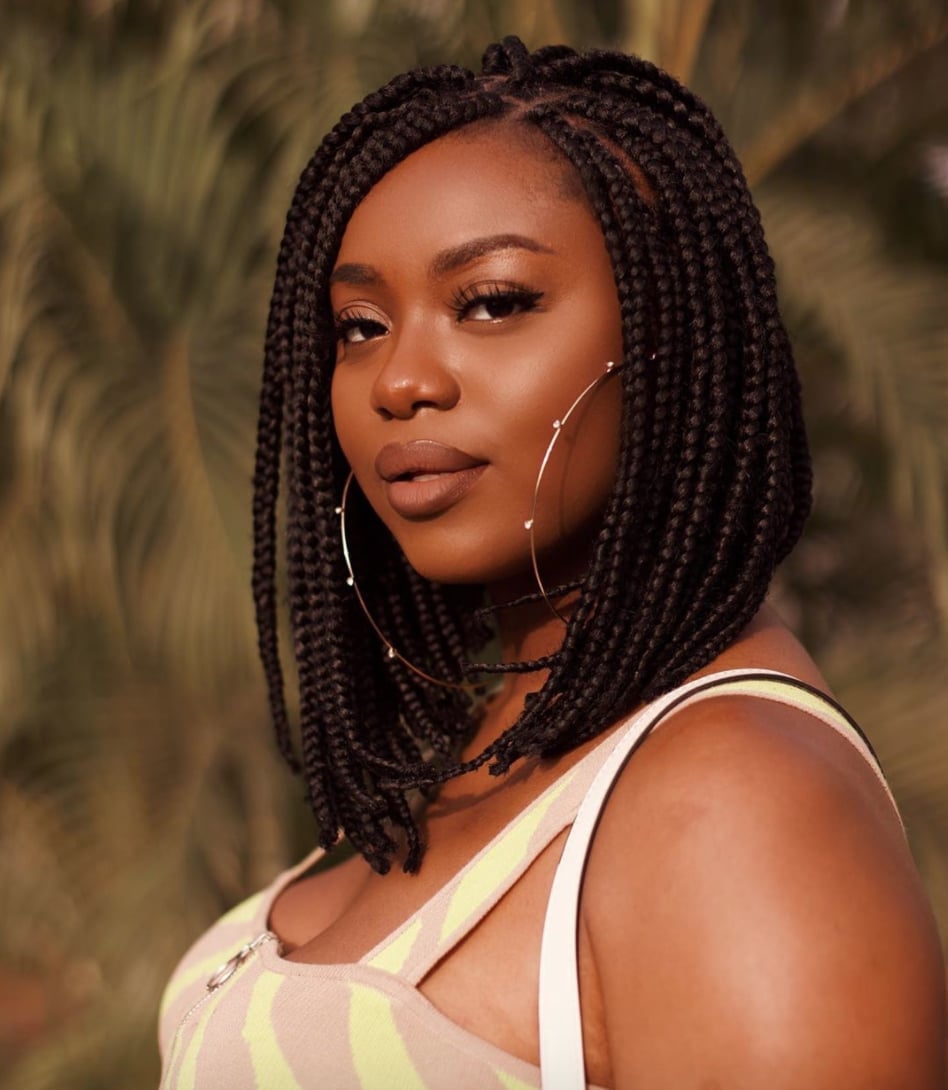
Collarbone-length box braids sit in a sweet spot between too short to pull back and too long to manage quickly. The middle parting and uniform braids give a polished finish without feeling severe, and the straight, medium texture keeps the ends from fluffing up. Ask your stylist for: shoulder-length box braids, middle part. Compared to chin-length braids, this length still allows a low ponytail or half-up style. Compared to mid-back braids, it weighs less and takes less time to install. A braid balm at the roots will tame any frizz, and a trim every six to eight weeks keeps the ends crisp.
Collarbone Box Braids With Silver Beads
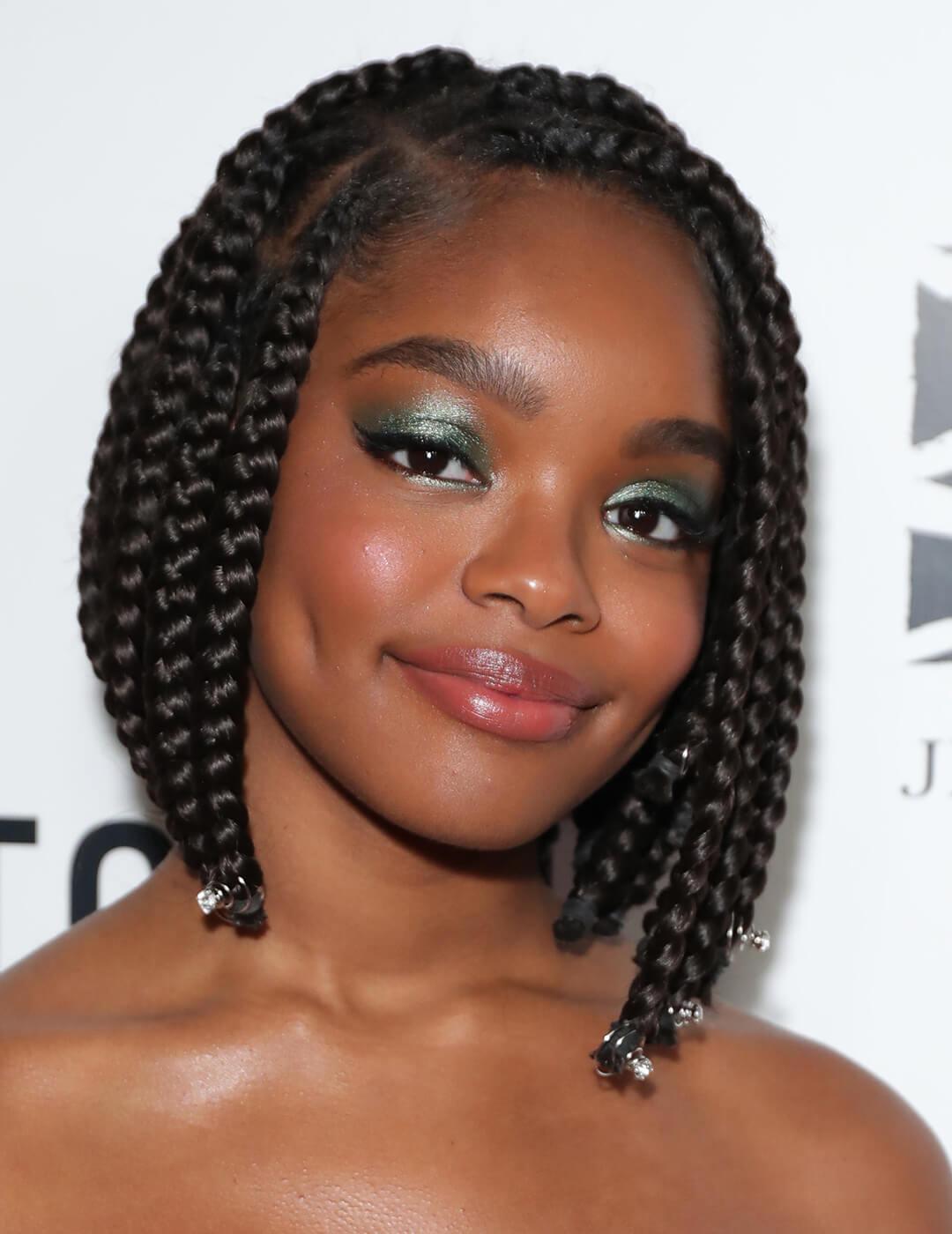
Uniform box braids ending at the collarbone get a dose of sparkle from small silver beads at the ends. The dark brown base and straight, thick texture keep the braids looking dense, and the beads add movement without pulling the hair down. Ask your stylist for: box braids to the collarbone with small silver beads.
Each bead is secured with a small elastic at the end of the braid, so nothing slides off during the day. The real wear note: avoid snagging beads on clothing when you dress. A satin pillowcase at night also helps the beads and the braids stay intact longer. Expect to refresh the style every four to six weeks as new growth appears at the roots.
Wavy Shoulder Length Side Braid
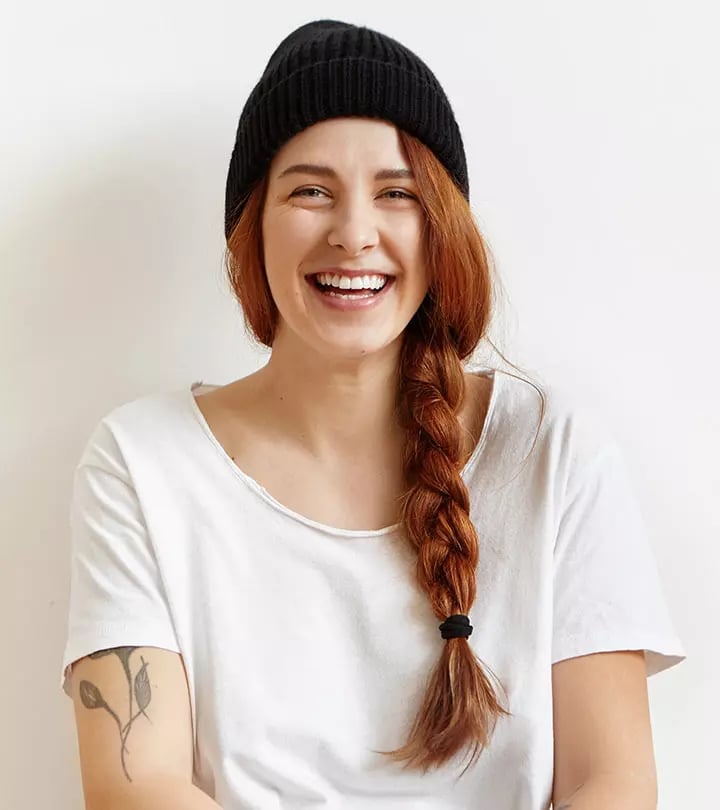
A single side braid over the shoulder on wavy, shoulder-length hair is a case of the simplest technique delivering the most payoff. The vibrant red base color stands out; the braid just keeps it organized. Ask your stylist for: simple shoulder length side braid in red. A middle parting and wavy, medium-density texture give the braid natural volume without backcombing, and the length means the braid lands at the front of the shoulder, not tucked behind an ear. It suits most face shapes because the diagonal line of the braid draws the eye across rather than down. A trim every eight weeks keeps the ends clean.
Blonde Braided Shoulder Length With Bow
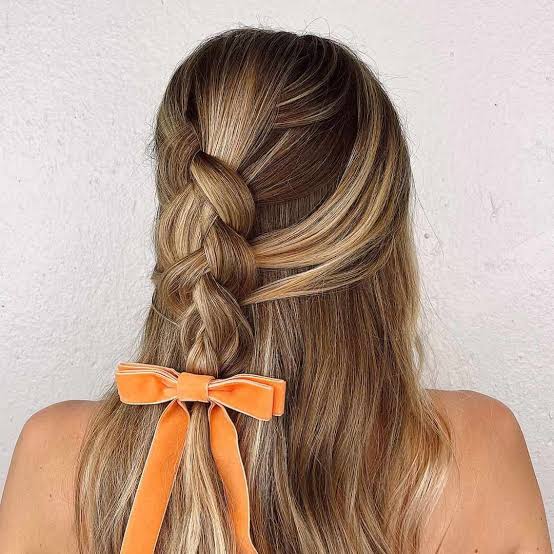
Ask your stylist for a shoulder-length braid with a velvet bow. The orange velvet adds a pop against wavy blonde highlights. Wavy, medium-density hair at shoulder length has enough grip to hold the braid without slipping. Secure the bow with a bobby pin through the center knot, then give the braid a spritz of texturizing spray for texture. This look is charming, not fussy. A velvet bow collects dust and lint if you store it loose, so keep it in a small bag between wears.
Brown Box Braids With Grid Parting
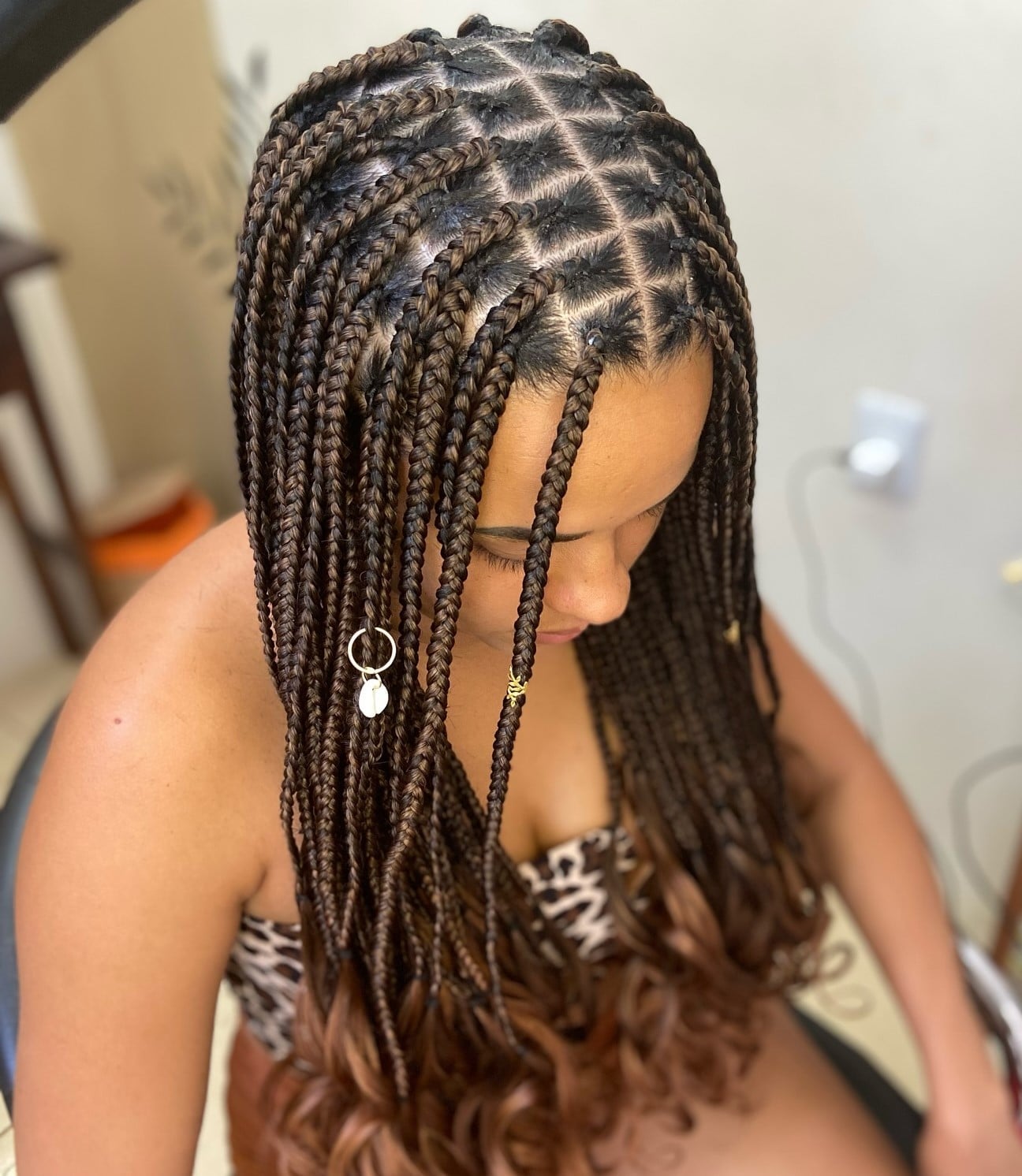
The geometry of a grid parting demands precision. Each section is mapped out before braiding begins, creating a clean, intentional pattern at the scalp. Ask your stylist for box braids with a grid parting pattern. On thick, straight mid-back length hair, the grid holds its shape and the braids hang evenly. This is a salon-only technique, given the time it takes to map and part each square. The one real drawback: any new growth blurs the grid lines faster than a standard parting, so you will want a touch-up every four to five weeks if the crisp look matters to you.
Thick, straight brown hair carries the pattern well. The overhead view shows how the grid creates visual structure from root to end. The braids themselves are uniform and straight, which lets the parting do the talking.
Collarbone Box Braids
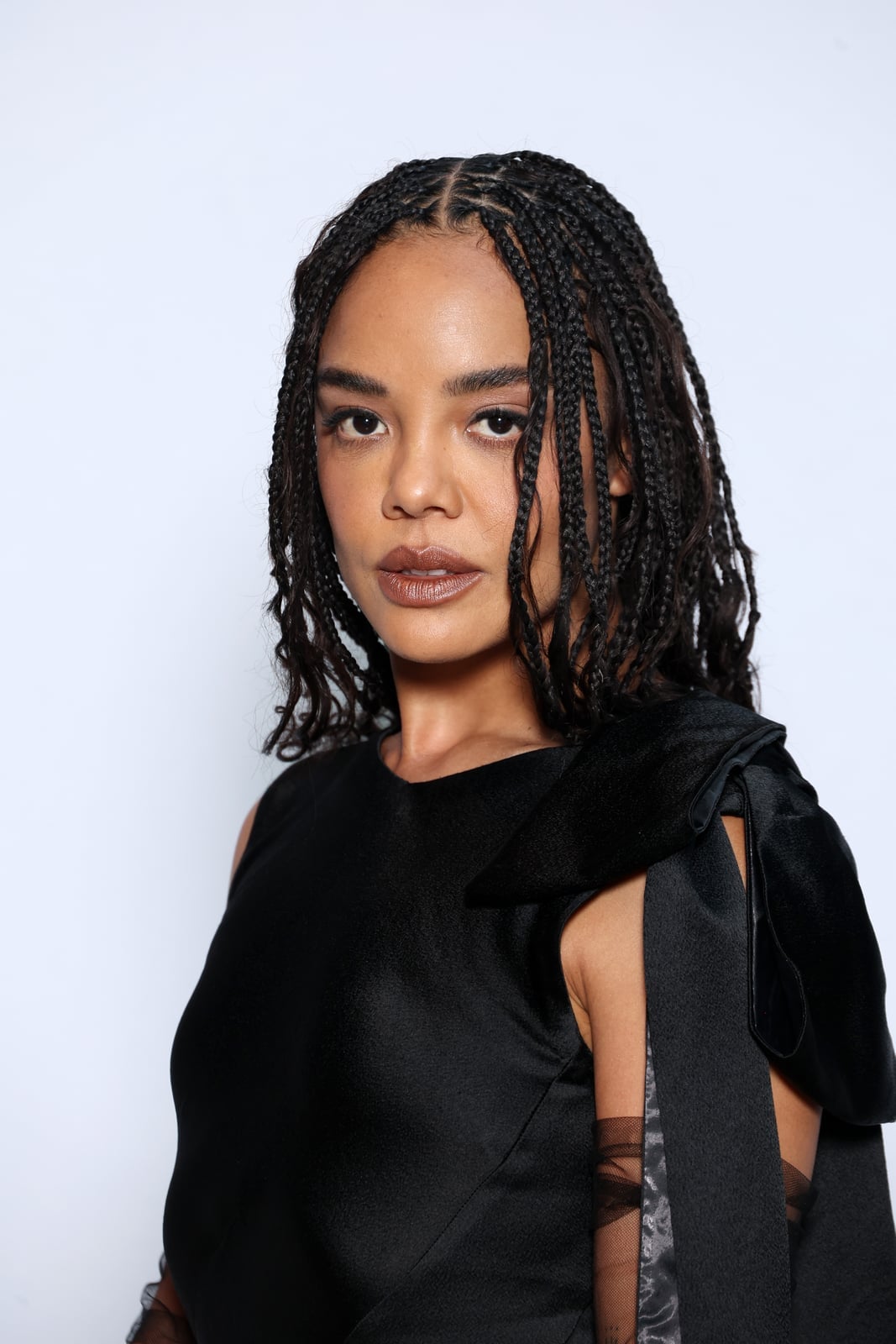
Collarbone-length box braids sit at a practical midpoint. They clear the shoulders enough to stay out of the way but land long enough for a middle part to elongate the face. Ask your stylist for box braids to the collarbone with a middle part. On thick, coily black hair, the braids have a substantial weight that keeps them from frizzing at the ends. A leave-in conditioner applied every few days maintains softness. Plan for a trim every six to eight weeks, as the ends can fray sooner than a longer set. The braids work for daily wear without requiring constant redoing.
Short Flat Twists Updo
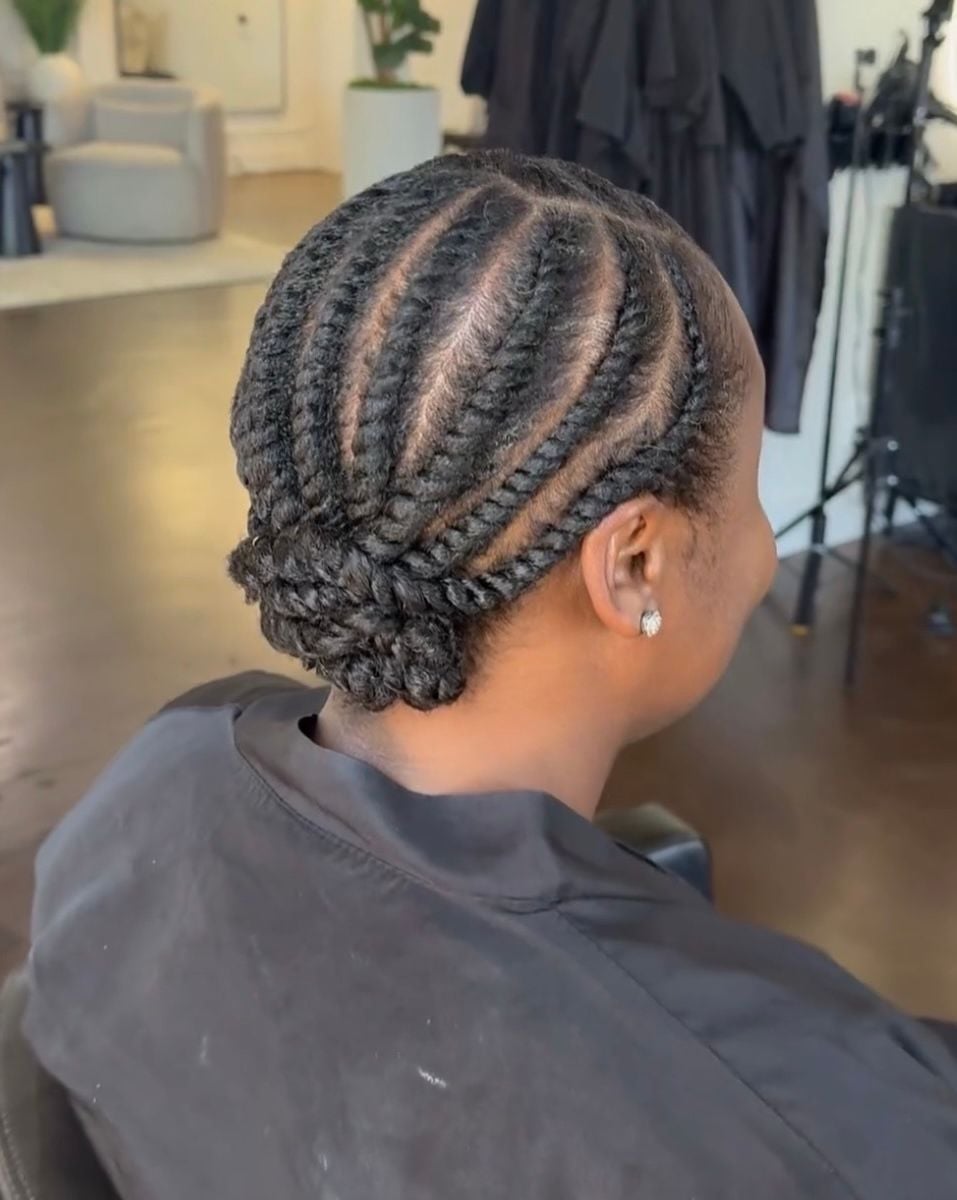
Short, thick, coily hair often fights against staying styled past lunch. Flat twists wrapped into a low updo at the nape solve that by locking each twist close to the scalp. Ask your stylist for short flat twists styled into a low updo. The side parting adds a soft break against the neat rows. This style suits round and oval face shapes because the volume stays at the crown rather than the sides. A satin scarf at night preserves the twist pattern, and a light leave-in conditioner keeps the coils defined. No heat, no fuss, just a collarbone-free zone that stays put.
Sculpted Flat Twists
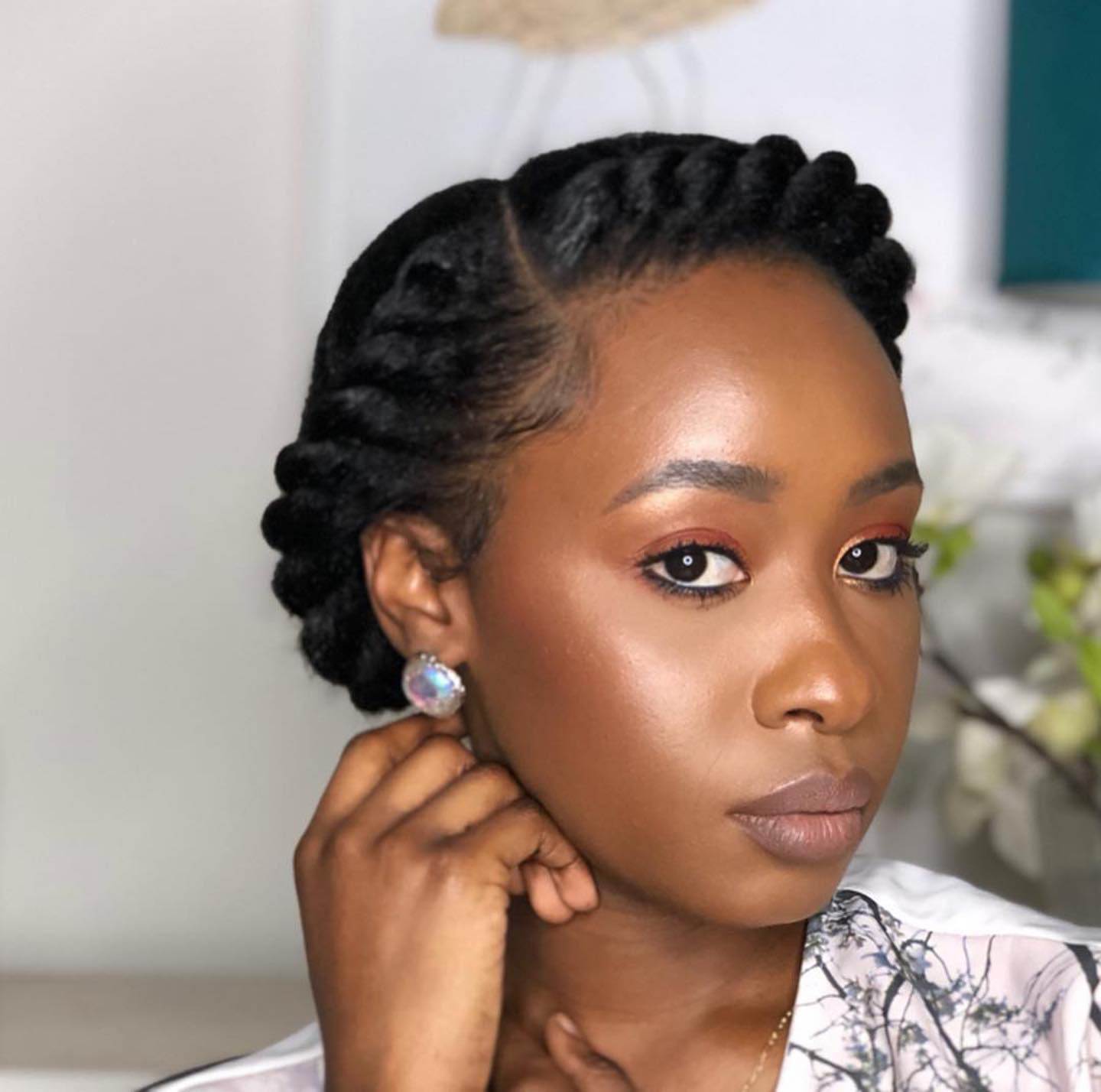
Sculpted flat twists are a DIY challenge that rewards patience. The twists lie close to the scalp and frame the face, which means every part line and section must be even before you start. Ask your stylist for sculpted flat twists framing the face. On thick, coily black hair, the twists hold their shape for days with just a lightweight styling cream and a mist of water to refresh. The side part gives the design a slight asymmetry that softens a strong jawline. This is a salon-level finish for anyone wanting a polished look without daily redoing. The learning curve is steep, but the payoff is a week of defined, frizz-free styling.
Mid-Back Knotless Braids With Amber Beads
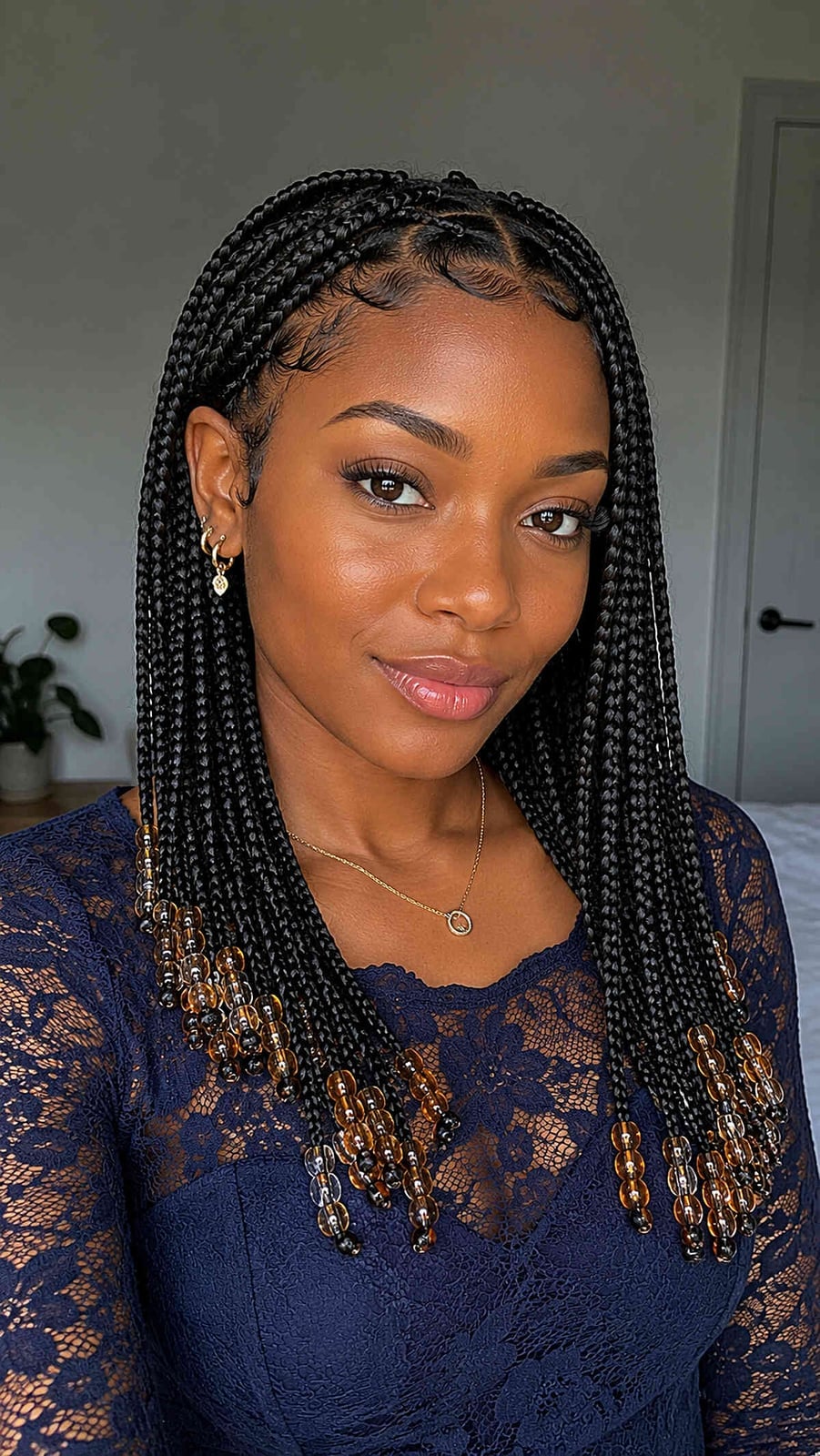
Knotless braids already sit lighter at the root than traditional box braids, which makes them a favorite for anyone who wants length without the tension. Here, mid-back braids in black hair are finished with amber and clear beads spaced along each section, adding weight and movement where there otherwise would be none. A middle part keeps the look symmetrical, while the beads catch light from every angle.
This is a salon style, not a weekend DIY project. Ask your stylist for mid-back knotless braids with amber beads. The technique takes several hours, and the beads are attached after the braiding is complete. The payoff is a vacation-ready look that holds for weeks with minimal fuss. Straight, thick hair starting at collarbone length is the ideal canvas. The beads do require care when sleeping or washing, but the visual payoff is worth the extra caution.
Mid-Back Braids With Loose Wavy Strands
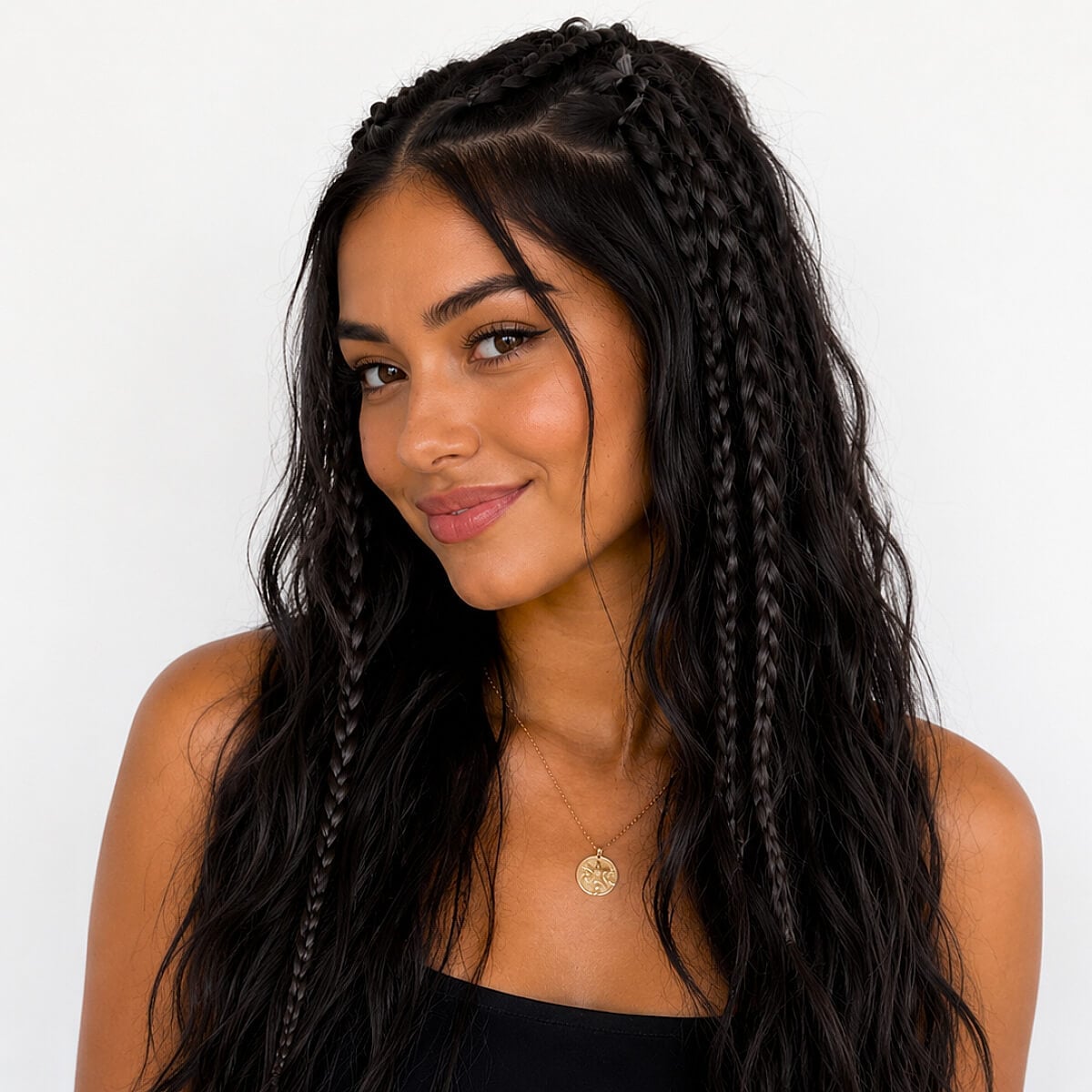
Not every braided style needs to be all or nothing. This one alternates between small, tight braids and loose wavy strands, creating a layered texture that looks deliberate. The dark brown base keeps the contrast subtle, while the middle part anchors the whole design. Wavy, thick hair of mid-back length is the starting point; the mix of braided and free sections adds depth without adding bulk.
Ask your stylist for mid-back hair with small braids and loose wavy strands. The loose sections benefit from a texturizing spray to define the wave pattern and prevent flyaways. The smaller braids will hold their shape for several days, but the loose strands need refreshing with water or a mist of product. It is a salon look with a bohemian feel that works for everyday errands just as well.
Mid-Back Braid With Loose Face-Framing Strands
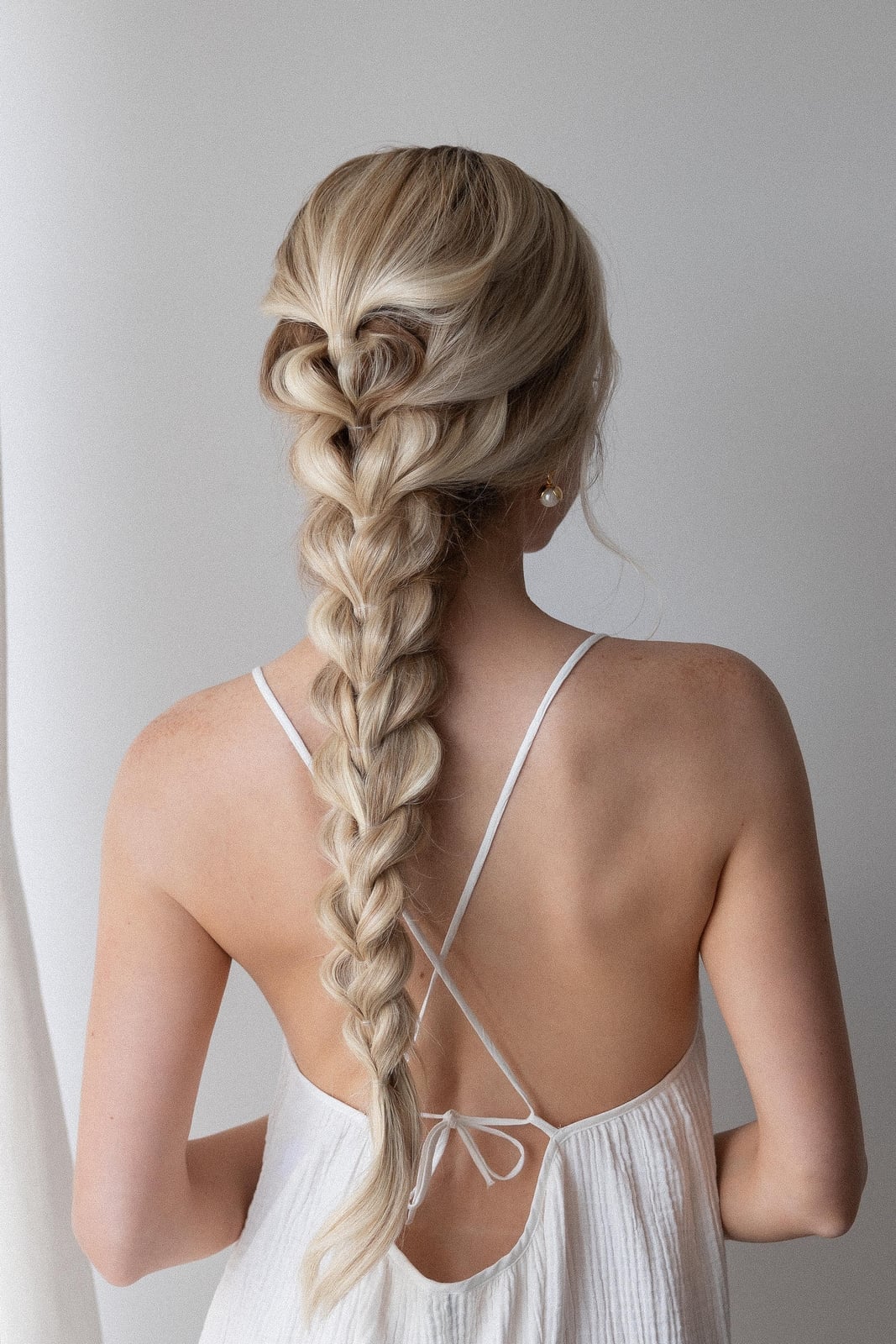
To soften a complex braid, leave a few strands out. This mid-back braid in ash blonde with lighter highlights starts at the crown and travels down the back, while soft pieces frame the face and break up the structure. The wavy, thick texture gives the braid body, and the highlights add dimension along the weave.
Ask your stylist for a mid-back braid with loose face-framing strands. The face-framing pieces should be cut to graze the cheekbone or collarbone, depending on preference. A styling paste defines the loose strands without making them stiff. This is a special-occasion look that also translates to a polished evening out, and the loose strands keep it from feeling too formal.
Thick French Braid With Blonde and Brown Tones
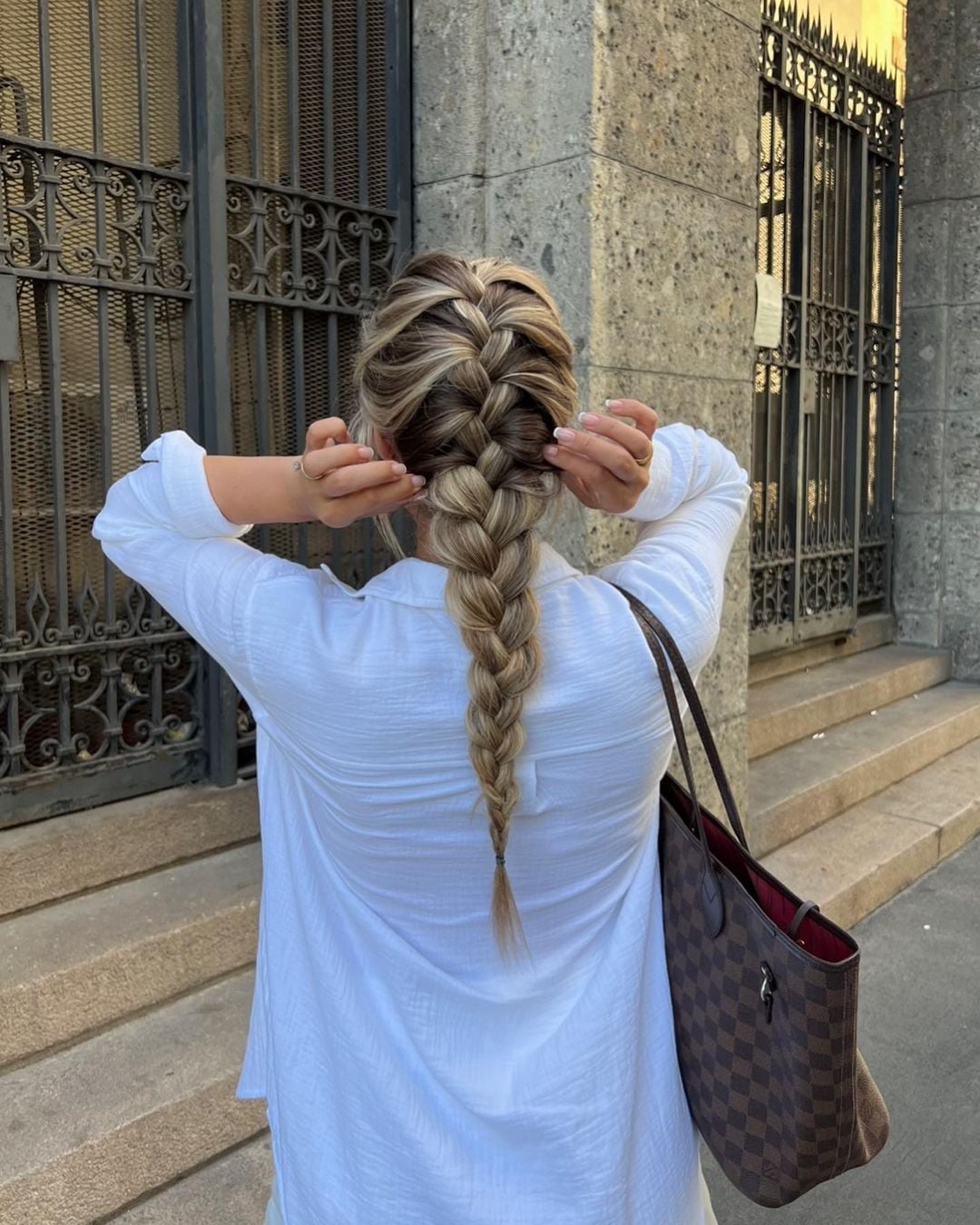
A classic French braid is straightforward, but a thick one with blended blonde and brown tones is something else entirely. The multi-tonal color creates the illusion of depth, while the substantial width of the braid makes it a statement instead of a background detail. The middle part and mid-back length keep the silhouette clean.
Compare this to a single-tone French braid, which can look flat on long hair. The mixed tones solve that problem without extra styling. Ask your stylist for a thick French braid with blonde and brown tones. Wavy, thick hair of mid-back length is the best candidate; finer hair may not produce the same volume. Gently pull apart the braid sections after weaving for a fuller, softer appearance. The braid holds well for two to three days before it needs re-doing.
Double Dutch Braids With Highlights
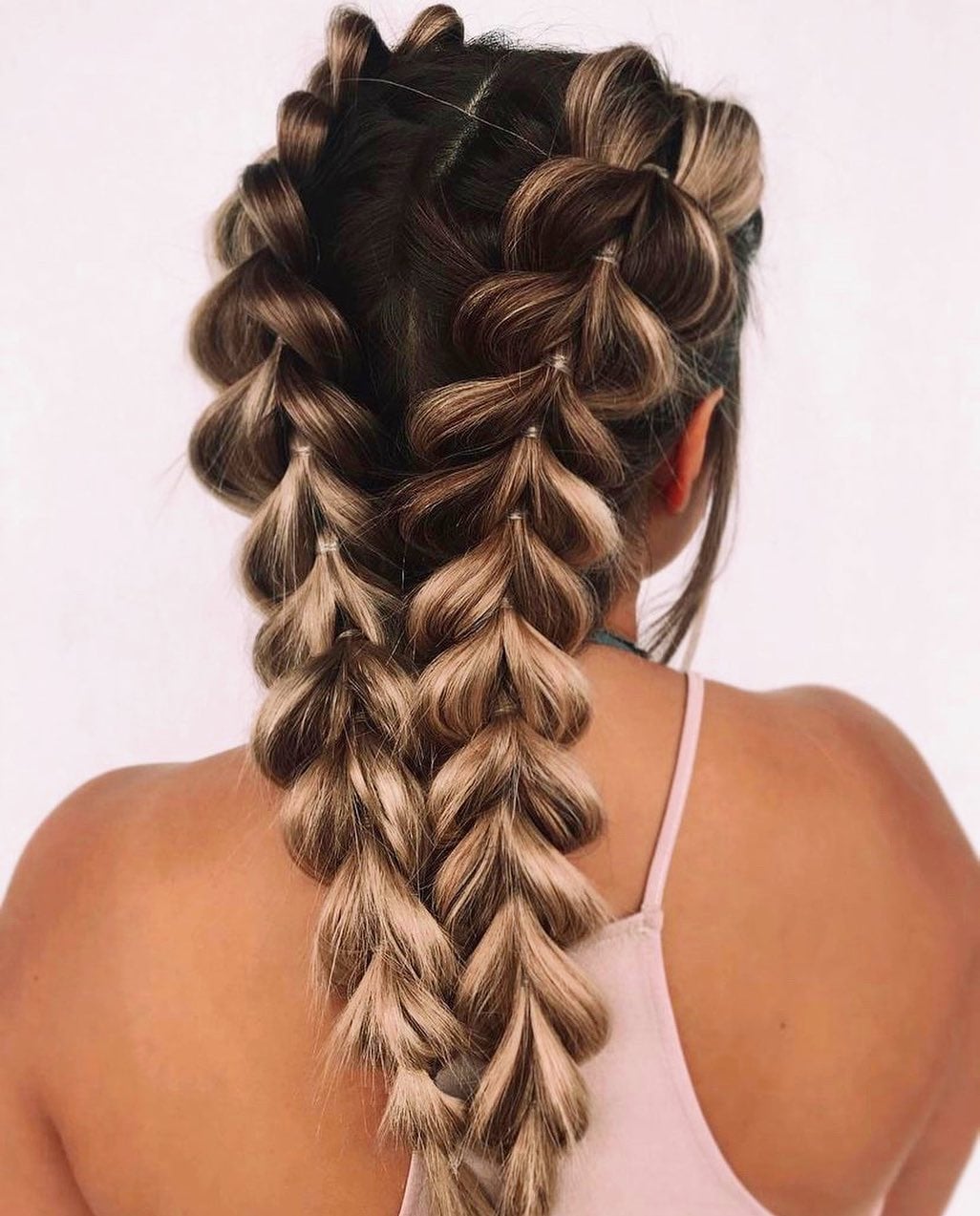
Two Dutch braids reversed, so the braid sits on top of the section instead of tucked under, create a raised, textured pattern that stands out from the scalp. Here, the dark brown base is punctuated by blonde highlights woven through both braids, adding contrast along the length. The wavy, thick texture gives each braid body, and the mid-back length allows the pattern to read clearly from the back.
Ask your stylist for double Dutch braids with dark brown and blonde highlights. A texturizing spray at the roots helps the braids hold their shape, and clear elastics at the ends keep them secure without distracting from the color. This style typically holds its structure for a full week. The highlights mean a toning appointment every eight to ten weeks to keep the blonde from warming up.
Two French Braids With Stitch Details
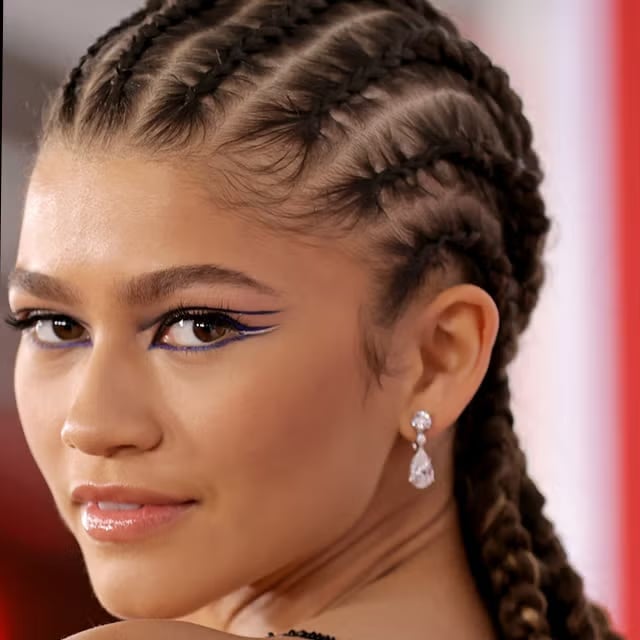
The stitch pattern on these two French braids is what separates them from a standard weekend plait. Instead of a smooth, continuous weave, each section is pulled taut in small, deliberate segments that create a ribbed effect against the scalp. The middle part keeps both sides symmetrical, and the straight, thick texture of the dark brown hair makes every stitch line crisp and visible.
This design suits straight, dense hair that reaches at least mid-back; finer textures may not hold the definition as clearly. Ask your stylist for: two french braids with stitch details. The intricacy means it is a salon job, not something to attempt five minutes before leaving the house. A fine-tooth comb along each part before braiding keeps the lines sharp, and securing the ends with small elastic bands prevents fraying.
Thick French Braid Down the Back
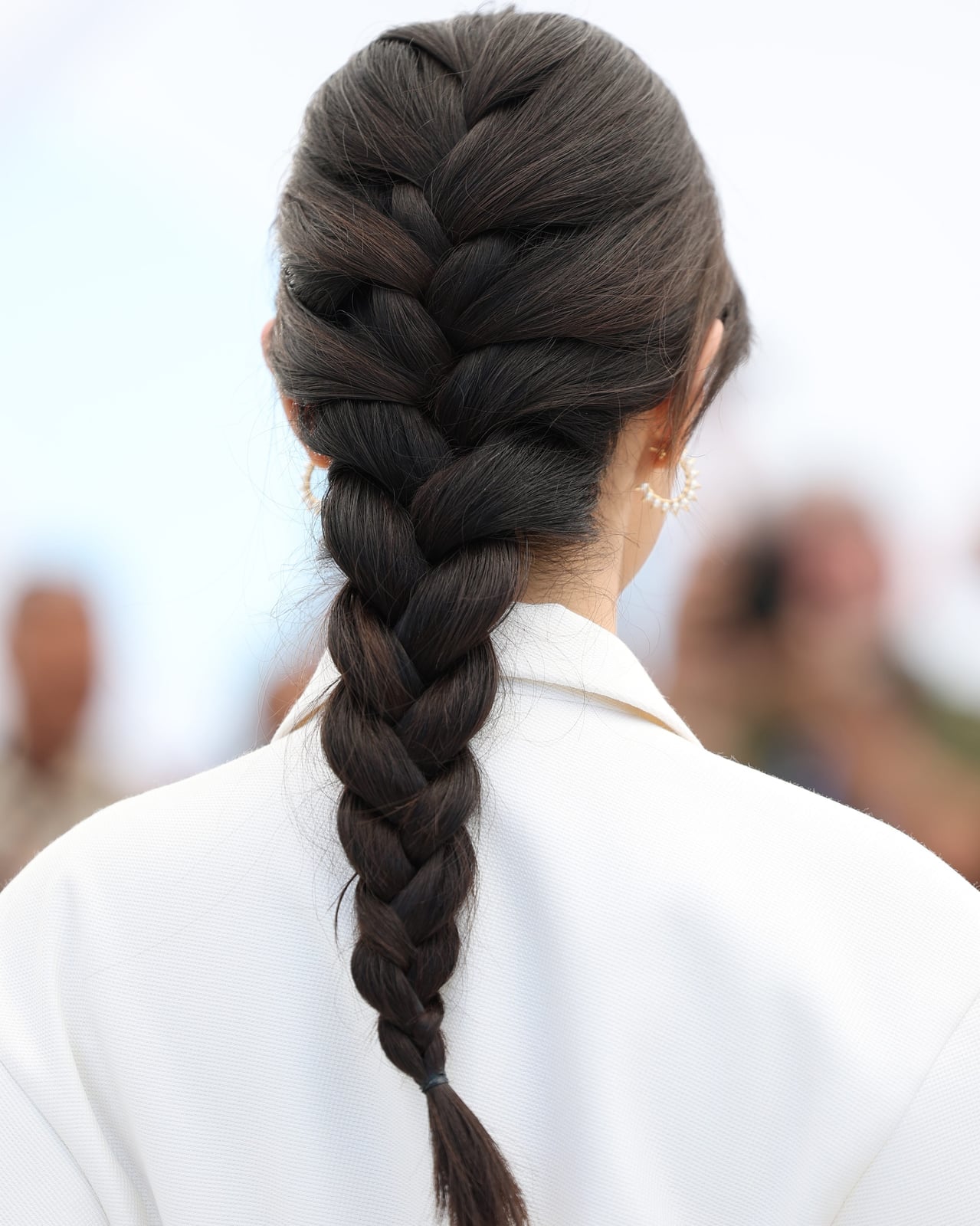
A tightly woven French braid from crown to mid-back keeps every strand locked in place, which is the whole point of choosing it over a loose style. The clear middle part at the crown adds structure, and the straight, dense dark brown hair allows the braid to lie flat and even. It looks polished from behind with no stray pieces interrupting the line.
Dense, straight hair at least mid-back length is the ideal candidate here. Ask your stylist for: thick, tight french braid down the back. The trade-off is the effort: this is a salon-level technique because the tension needs to be consistent from start to finish, and a DIY version often loosens unevenly within hours. A strong-hold hairspray along the part helps tame the short crown hairs that inevitably try to escape. Re-braiding every two to three days keeps the neatness intact, but expect some scalp tenderness after the first wear.
Half Up Half Down Fishtail Braid
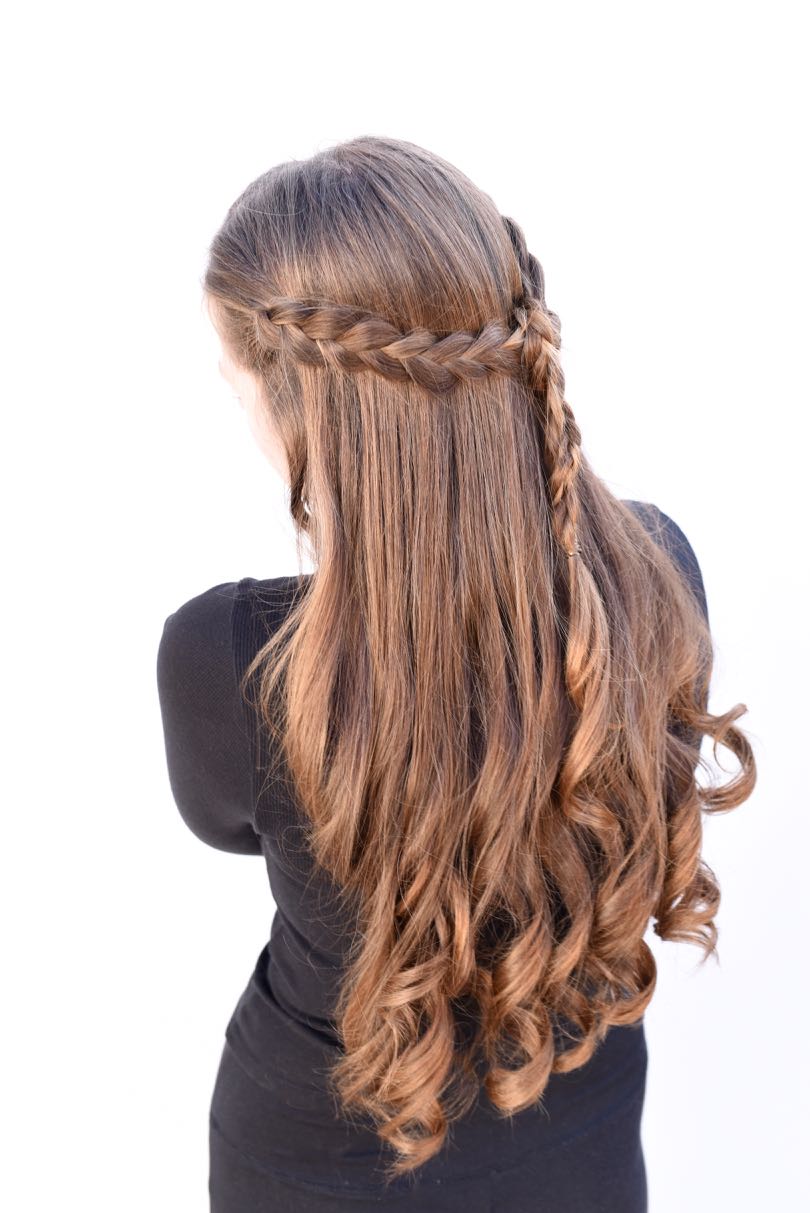
Does your hair have enough weight to hold a half-up style without slipping within an hour? This one works because the top section is woven into a fishtail braid that starts at the crown and continues down the back, while wavy, thick hair falls loose. The blonde highlights against the medium brown base add depth that keeps the braid from blending into the length.
Wavy, thick hair at mid-back length is the sweet spot. Ask your stylist for: half up half down fishtail braid with highlights. The middle part keeps the two sections balanced, and the braid itself does the work of holding the top portion secure. Gently pulling apart the fishtail after it is finished gives it a wider, fuller appearance. Pins at the crown reinforce the hold, especially if your hair is on the heavier side.
Ash Blonde Fishtail Braid
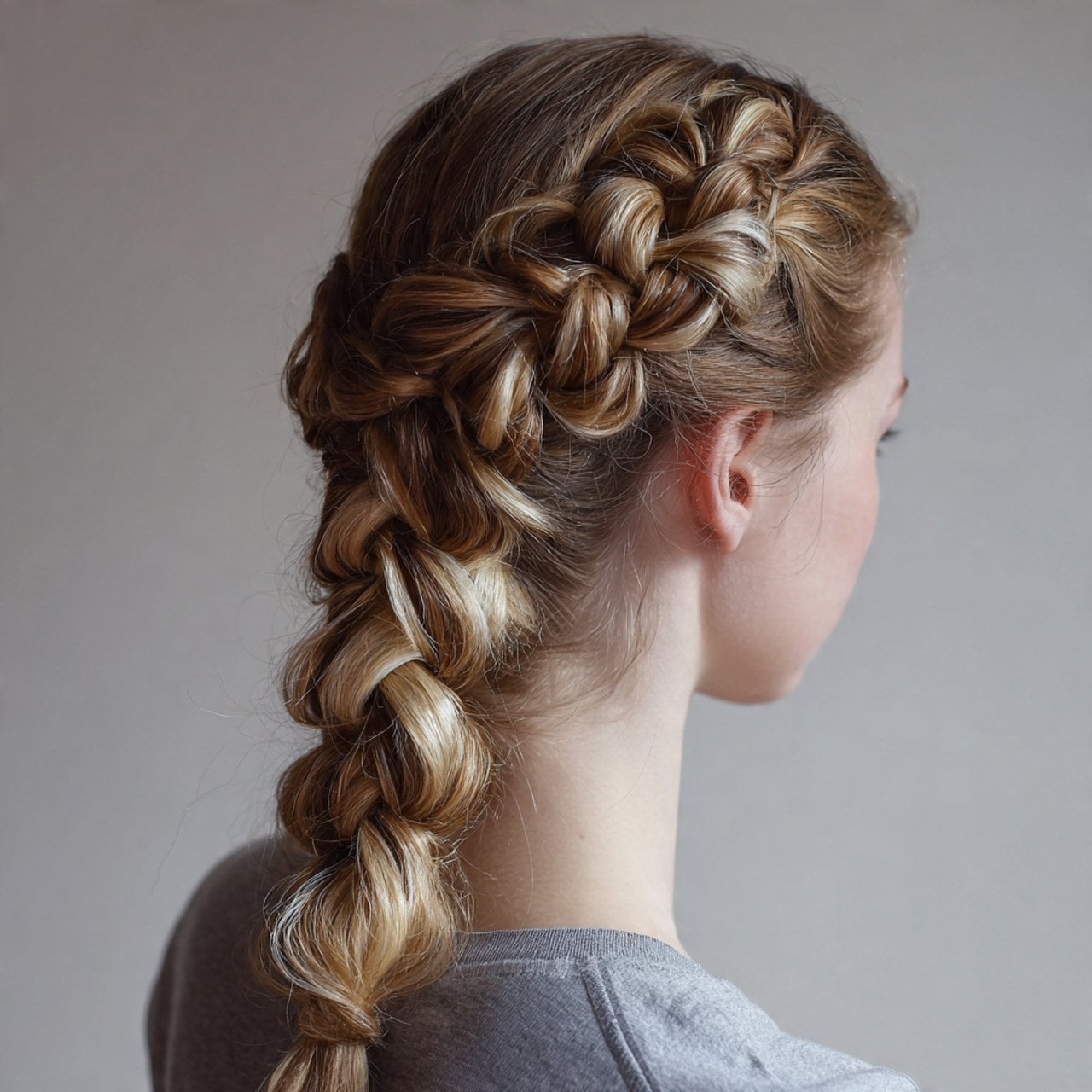
The fishtail braid here uses an alternating over-under weave that lies flatter than a standard three-strand plait, which is why it suits mid-back length hair that can show off the pattern. The ash blonde base with subtle highlights keeps the braid from looking like a single block of color; the lighter pieces catch the light and define each section. The wavy, thick texture adds natural grip so the weave holds without slipping.
Thick, wavy hair at mid-back length is the best match. Ask your stylist for: ash blonde fishtail braid with subtle highlights. To get close at home, start with second-day hair for texture, divide the hair into two sections, then take a small strand from the outside of one section and cross it to the inside of the other. Repeat down the length. A shine serum on the finished braid adds the gloss that makes the highlights read clearly.
Voluminous Pull-Through Braid
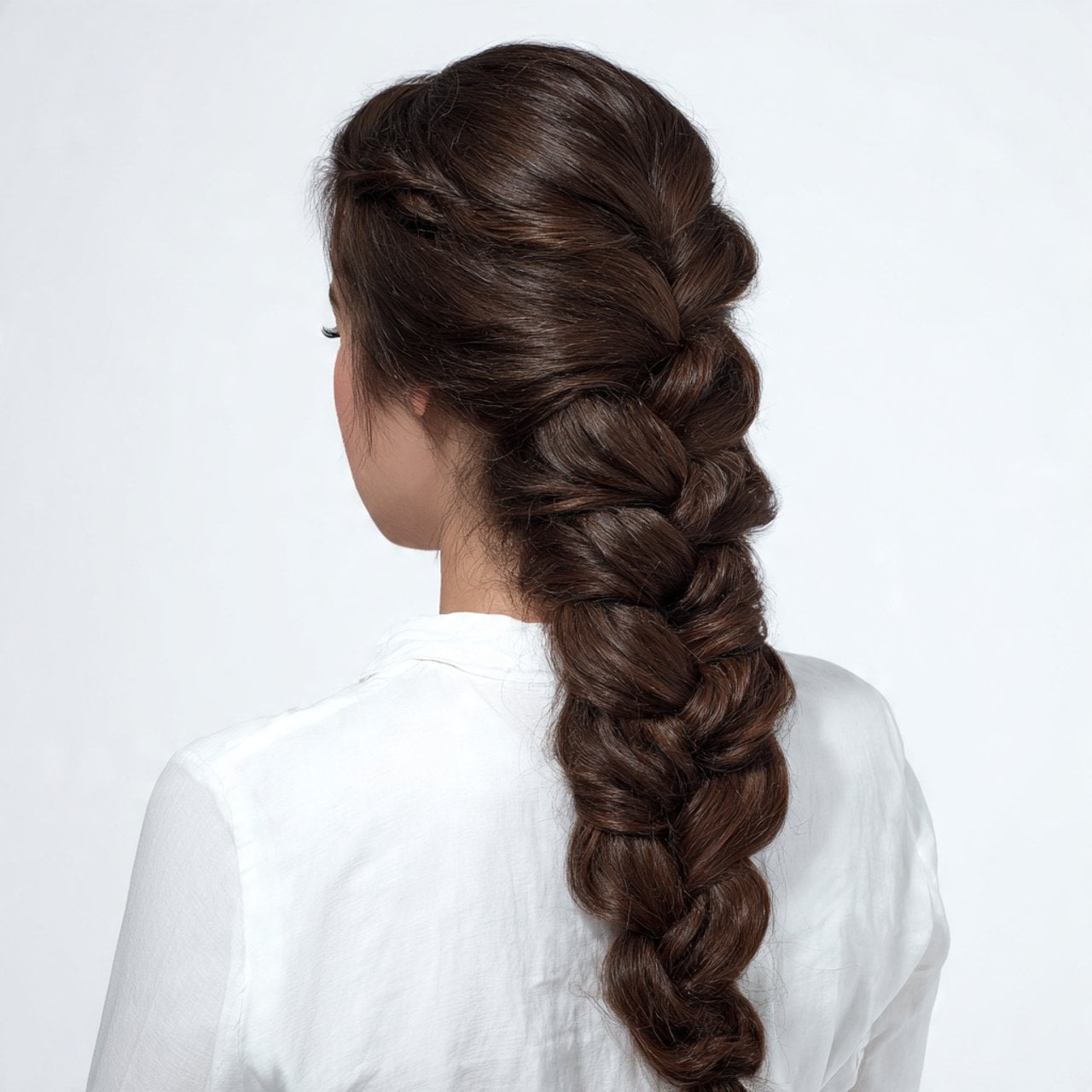
A pull-through braid builds volume by design: each section is doubled back on itself, creating a series of rounded segments that look thicker than the hair actually is. The dark brown base with subtle lighter tones keeps the segments from merging into one dark mass, and the wavy texture adds body that the pull-through technique amplifies. It reaches mid-back and stays full from crown to end.
Thick, wavy hair of mid-back length handles the pull-through method best; finer hair may need a texturizing spray to keep the sections from collapsing. Ask your stylist for: voluminous pull-through braid with subtle dimension. Gently tugging each segment outward after the braid is finished increases the volume further. The style holds for a full day without major adjustments, though the loose sections near the nape may need a pin or two by evening. A texturizing spray at the roots before braiding gives the hold a longer window.
Voluminous Blonde Pull-Through Braid, Mid-Back
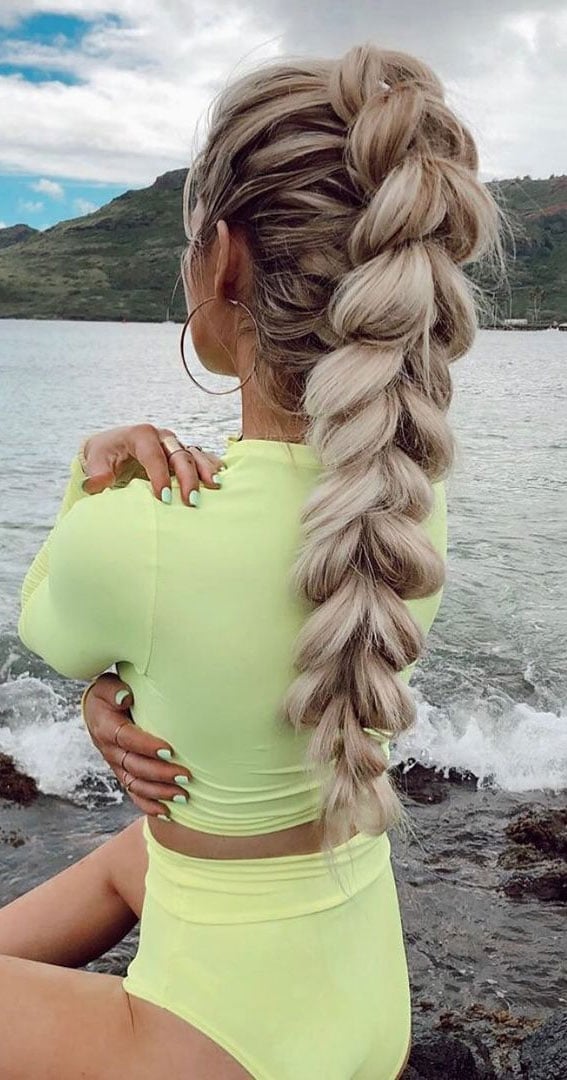
A voluminous pull-through braid is not the same as a classic three-strand braid, though both start with a middle part. The pull-through method uses small elastics and sections of hair to create a wide, textured weave that looks denser than it actually is, which works especially well for wavy, thick hair with blonde highlights. Ask your stylist for: voluminous blonde pull-through braid with highlights. This style suits thick, wavy hair that reaches mid-back, since the extra weight helps the braid hold its shape.
The blonde highlights are not just decorative; they add dimension that makes the braid’s texture visible from across the room. A shine serum applied after styling gives it that glossy, natural finish. The braid holds its shape for two to three days, but expect to re-braid it to keep the volume from flattening. The middle part keeps the front clean, and the lack of bangs means no stray pieces to tuck in.
Ash Blonde Three-Strand Braid
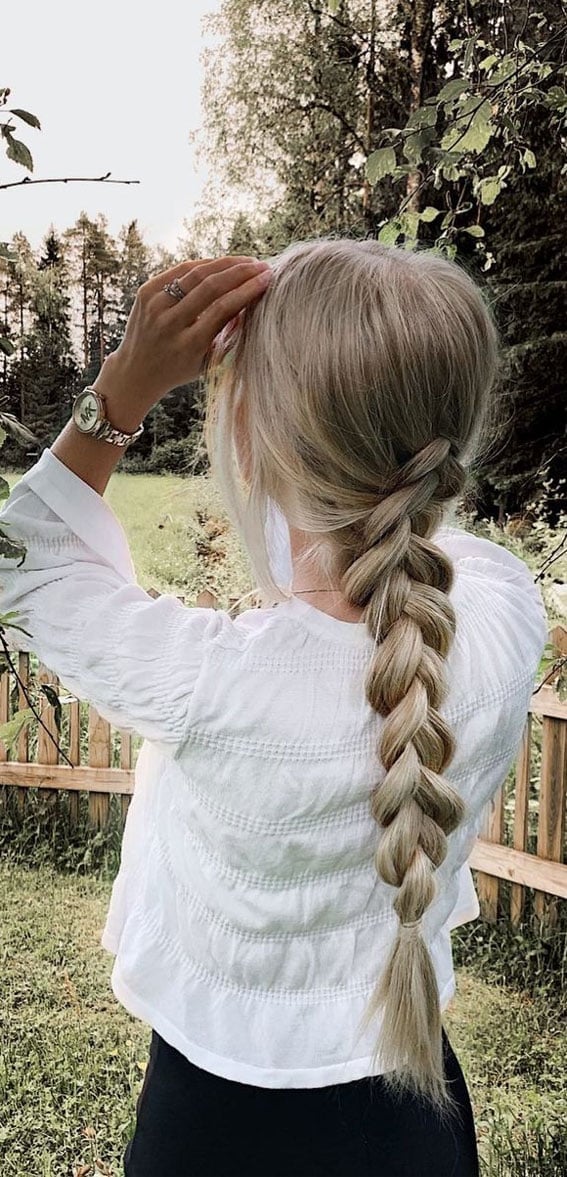
What makes a three-strand braid look thick and even instead of scraggly? It comes down to tension and the size of each section. Starting at the nape of the neck with three equal strands of straight, thick hair, you cross them over in a regular pattern, keeping each strand flat and taut as you go. Ask your stylist for: ash blonde three-strand braid. The ash blonde shade gives the braid a cool, smoky tone that shows off the structure. This style suits thick, straight hair of mid-back length, where the weight of the hair helps the braid hang smoothly. A light-hold hairspray misted over the finished braid keeps flyaways down, but you will need to re-braid it daily to maintain that crisp, polished look.
Blonde Double Braid Detail
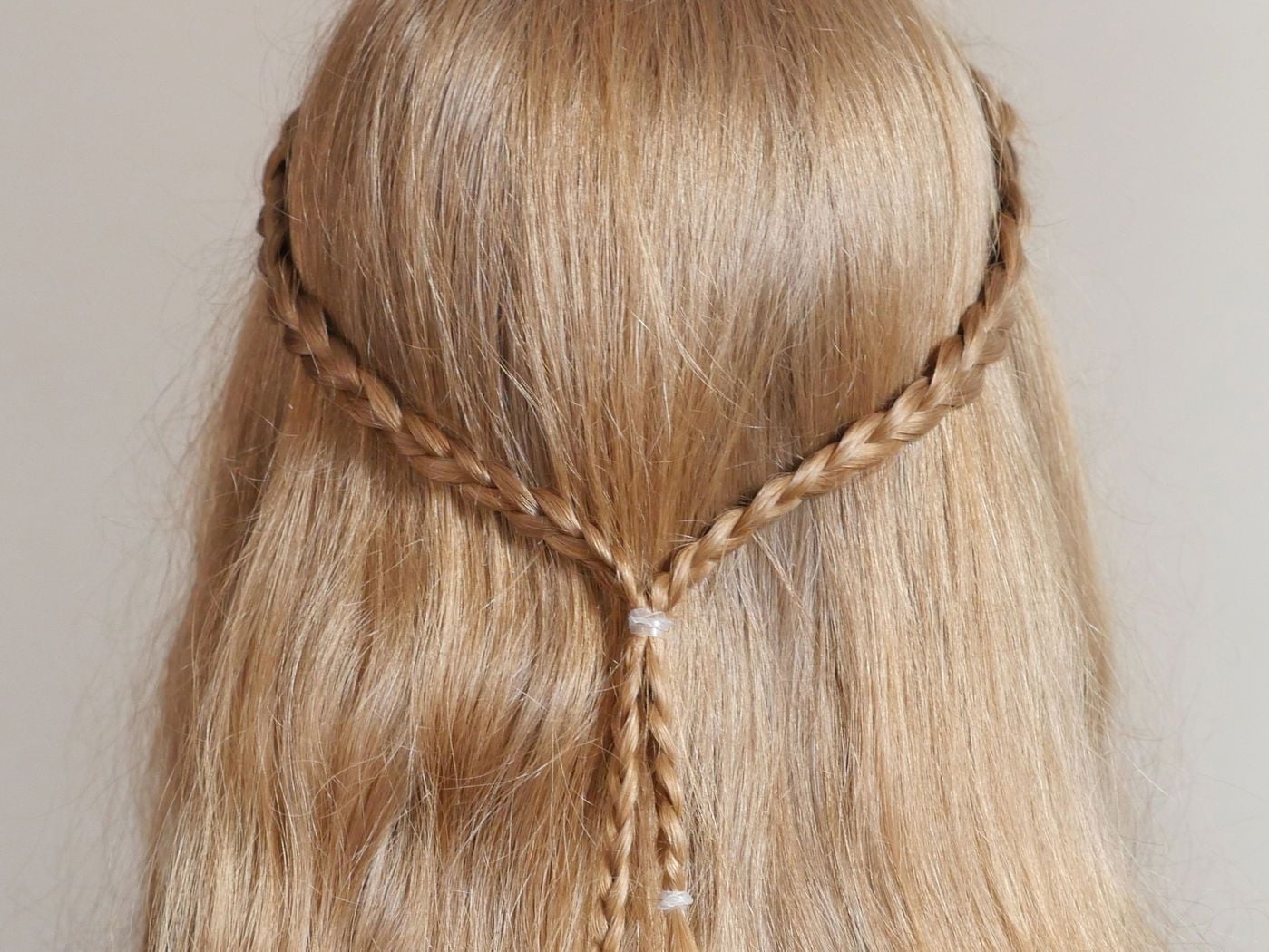
The double braid detail here is not a full head of braids. Two delicate braids start at the temples, follow the curve of the head, and meet at the back of the crown, where a single braid takes over and continues down to mid-back. Ask your stylist for: blonde hair with double braid detail and single extension. The wavy, thick texture of the hair gives the braids a soft, romantic feel, and the blonde highlights add depth so the braiding pattern reads clearly.
You can attempt this at home, but it takes patience and a second mirror to check the symmetry. The braids need to meet at the same point, or the whole design goes crooked. A few bobby pins at the meeting point keep everything in place, and a mist of water refreshes the waves in the loose sections. For most people, this is a salon job the first time, then a DIY repeat once you have the technique down.
DIY Blonde Braid Process
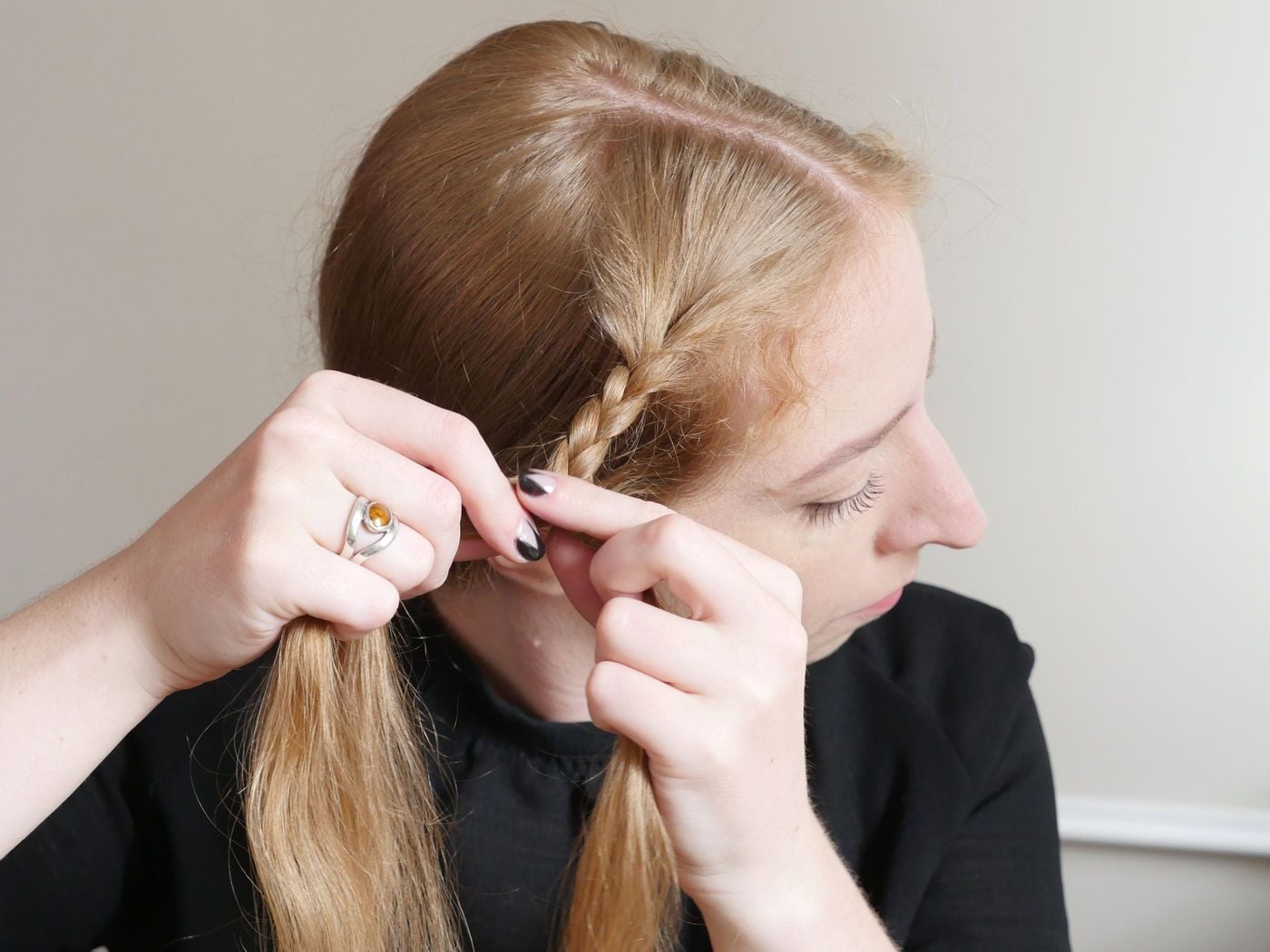
Braiding your own mid-back hair is a workout for your arms, but the process is straightforward once you break it down. Start with a middle part and work in sections, keeping the hair damp so the strands grip each other instead of sliding apart. The wavy, thick texture here makes the braid look fuller and hides any uneven tension, which is a relief for beginners. Ask your stylist for: how to braid my mid-back hair, or just practice at home with a mirror behind you.
Divide the hair into three equal sections at the nape, then cross them over in a regular over-under pattern. Pull each strand tight enough to keep the braid neat, but not so tight that it looks like a rope. The blonde color means you can see every strand, so focus on keeping the sections even. A little practice on damp hair, and you will have the motion down in a few tries.
Blonde Waterfall Braid With Loose Strands
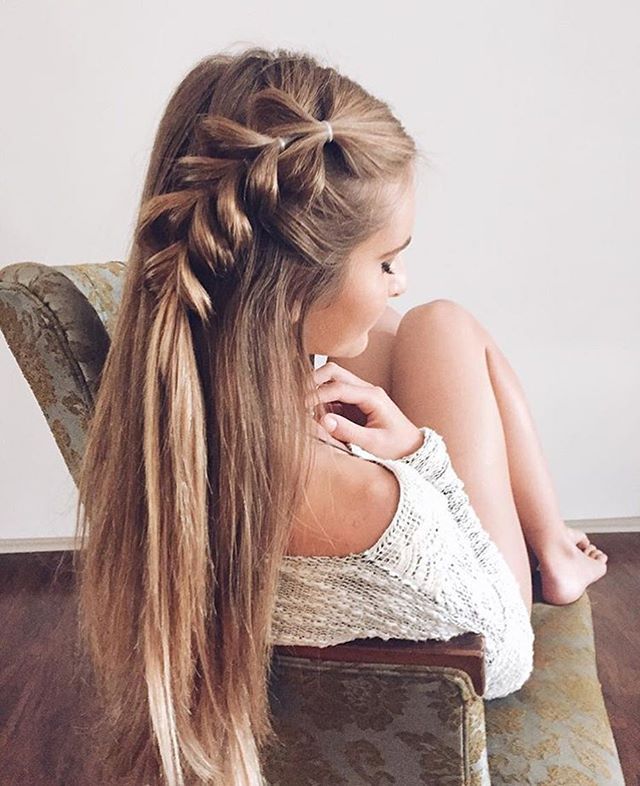
A waterfall braid on fine hair is a gamble: it can look romantic or just unravel. The technique involves dropping strands as you braid, so what you get is a partial braid on one side that transitions into loose, flowing waves. Ask your stylist for: partial waterfall braid with loose strands. Fine, wavy hair of mid-back length holds this style well, since the braid adds texture without adding bulk. The subtle highlights in the blonde help the braid stand out against the loose strands. The braid can loosen and slip out of place as the day goes on, especially if the hair is silky or freshly washed. A texturizing spray on the roots gives the braid more grip, but you may need to re-pin the ends by the afternoon.
Red Braided Crown With Curtain Bangs
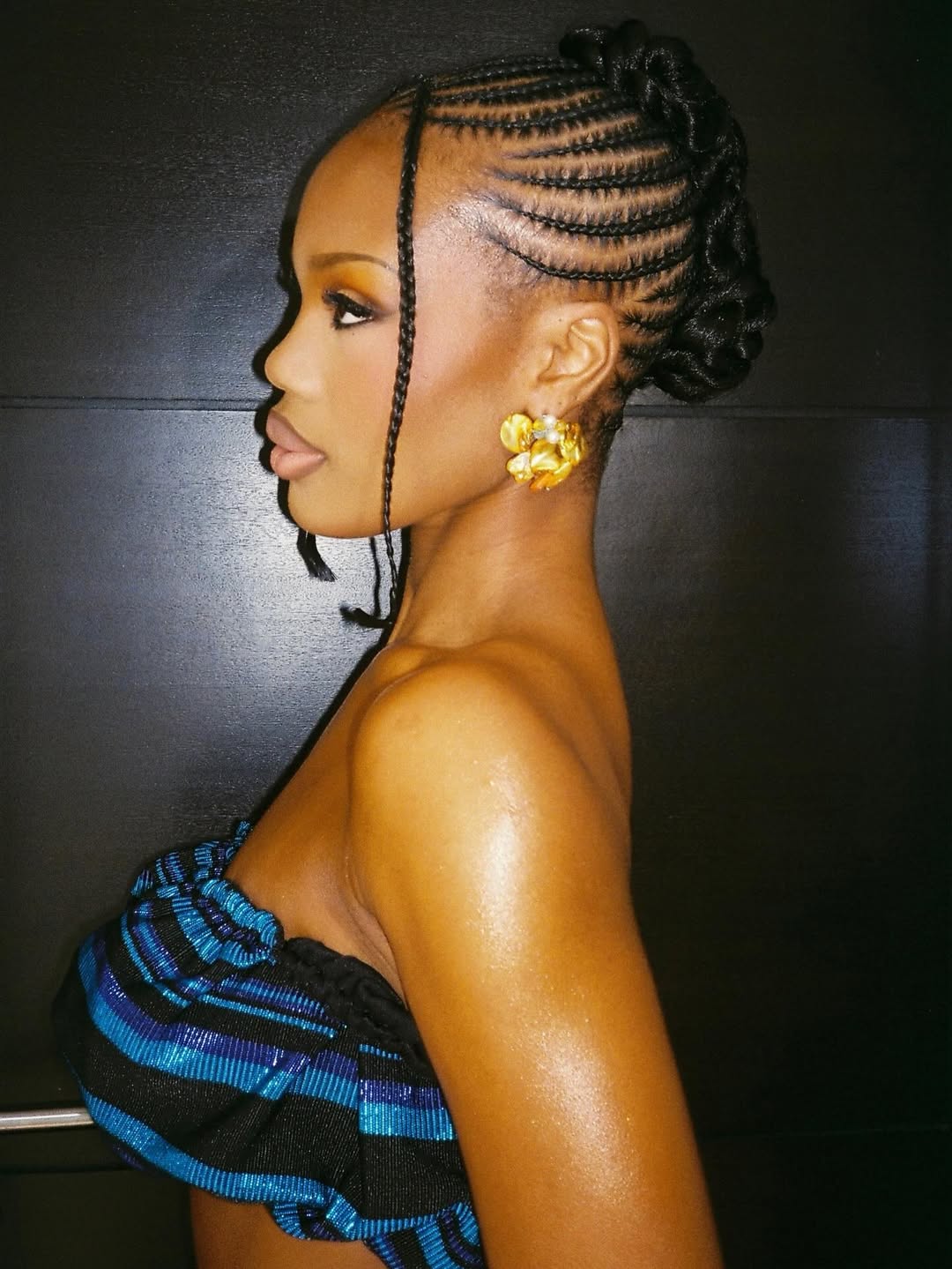
A braided crown can look formal, but the curtain bangs keep it approachable. They land soft and wispy, which is the whole trick. Wavy, thick hair that reaches mid-back gives the crown enough heft to stay visible, and the texture keeps the braid from looking too stiff. Ask your stylist for: braided crown with curtain bangs and a bun.
The side parting and the bun at the back give the braided crown with curtain bangs a balanced silhouette that suits most face shapes. The bangs soften a square jawline, and the height at the crown balances a long face. A flexible hold hairspray keeps everything in place without turning the wavy texture crunchy, and you can re-braid the crown sections weekly to refresh the shape. The red with subtle highlights adds dimension so the braid reads clearly, even from a distance.
Final Thoughts
For fine hair, lean into Dutch braids or pull-through styles that add volume at the root. For thick hair, knotless or French braids help manage bulk and stay put longer. When you are short on time, a single side braid or a braided updo beats wrestling with a bun.
- Re-moisturize box braids daily with a lightweight spray.
- Touch up French or Dutch braids with light-hold hairspray.
- Use a heat protectant before any hot tool on braided hair.
- Deep condition weekly to keep braided hair healthy.
- Trim split ends every 6-8 weeks between braiding sessions.
Mastering easy braids gives you a reliable styling option for any event.