Soft face-framing layers and curtain bangs have taken over, trading the flat-ironed poker straight look for cuts that move with your natural texture. Lived-in color and a glossy finish keep things current without demanding a salon visit every other week.
This roundup of 30 Trendy Hair Pictures spans short to long, blunt to shaggy, and low-maintenance to fully styled, so you can find a cut that suits your face shape, hair density, and daily routine. Whether fine hair that falls flat or a fringe that won’t sit right, there’s a fix here that works with your hair, not against it.
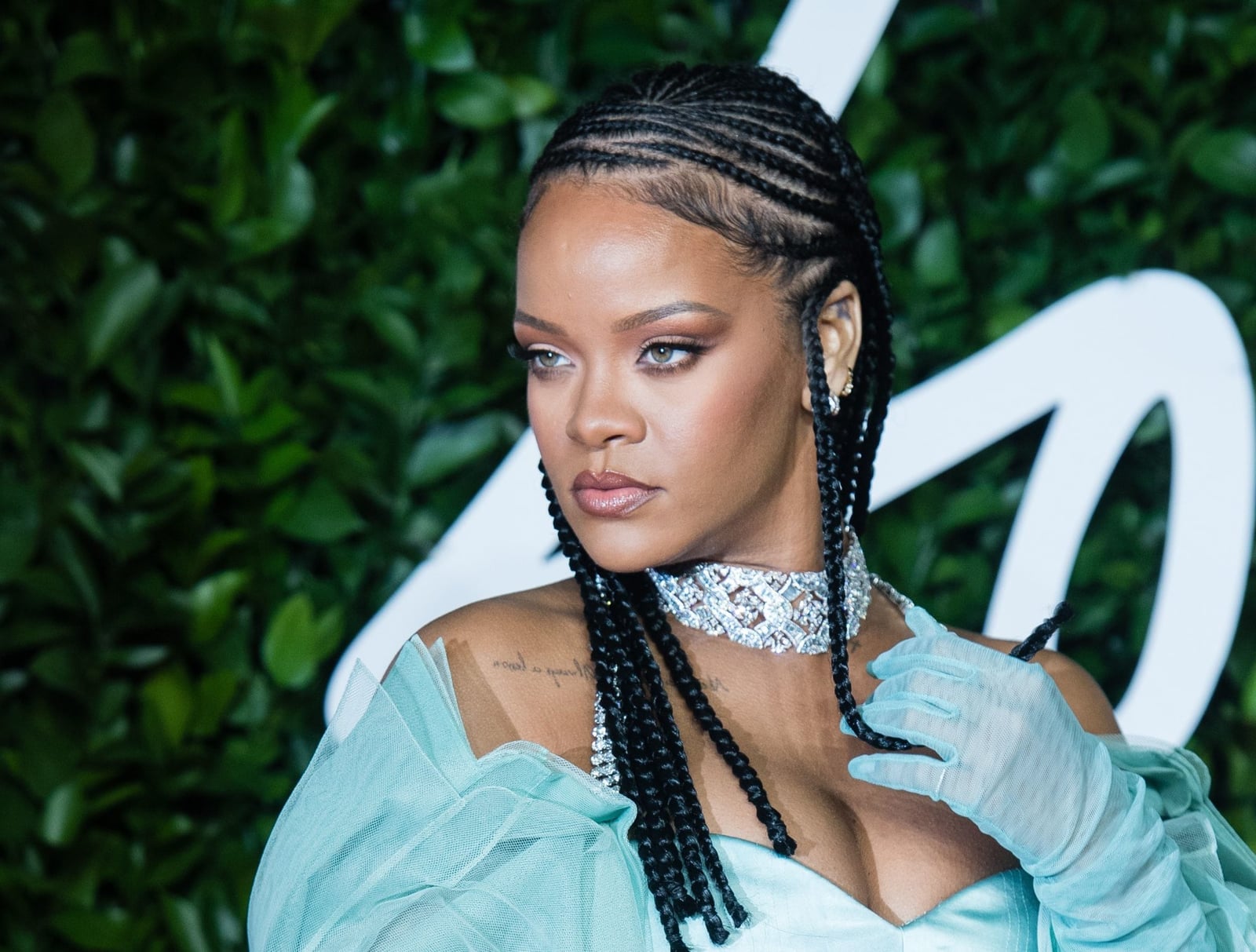
Intricate Cornrow Braids With Pearls
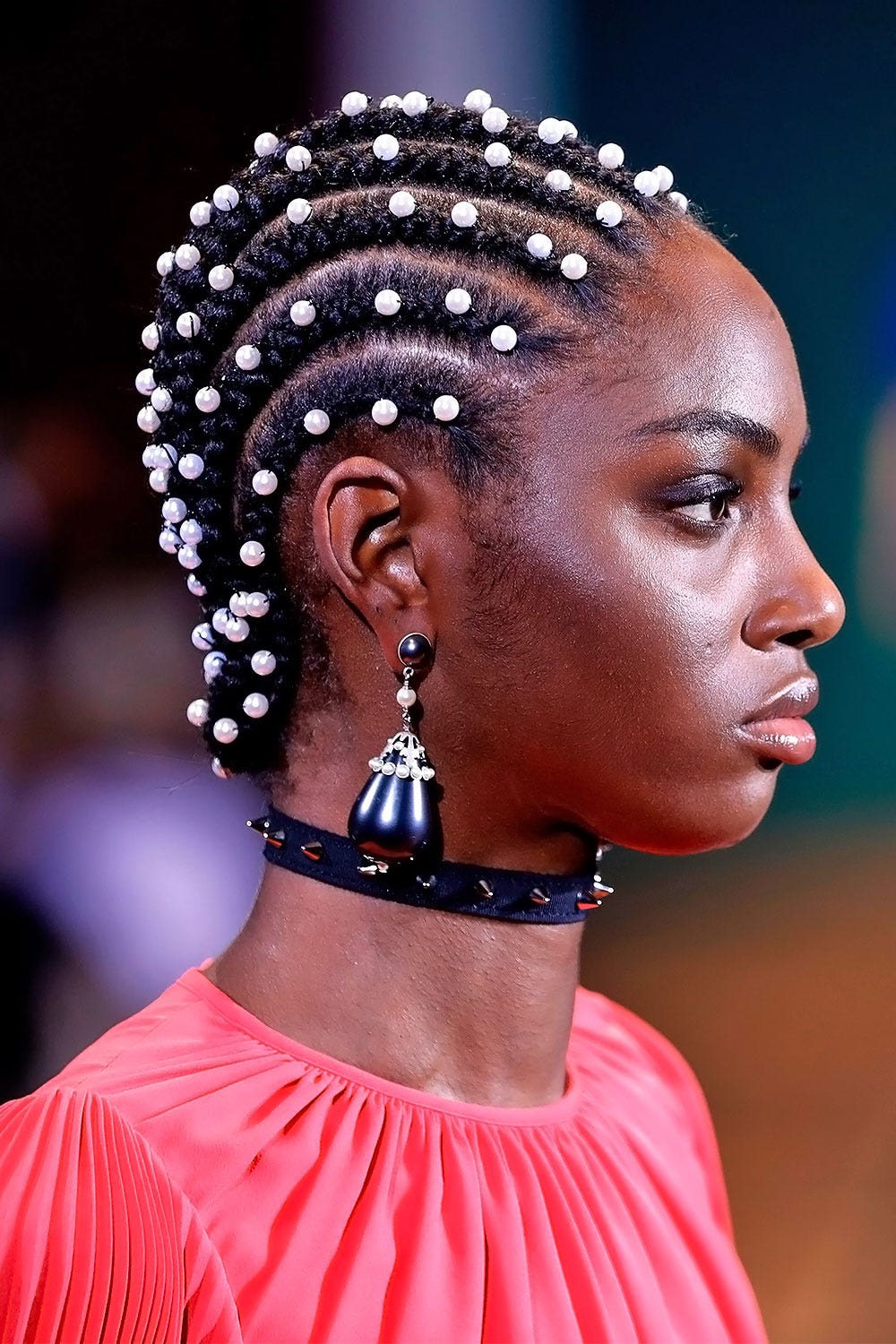
The geometry of these cornrow braids is precise: each row curves in a clean arc close to the scalp, and the pearls are threaded along the braids at even intervals. This design requires thick, straight hair at least medium length, plus a stylist who specializes in braided work. Ask your stylist for: cornrows with pearl embellishments. A full head of cornrows takes four to six hours in the chair. Sleeping on a silk scarf keeps the pearls from catching on pillowcases.
Voluminous Curly Lob With Warm Highlights
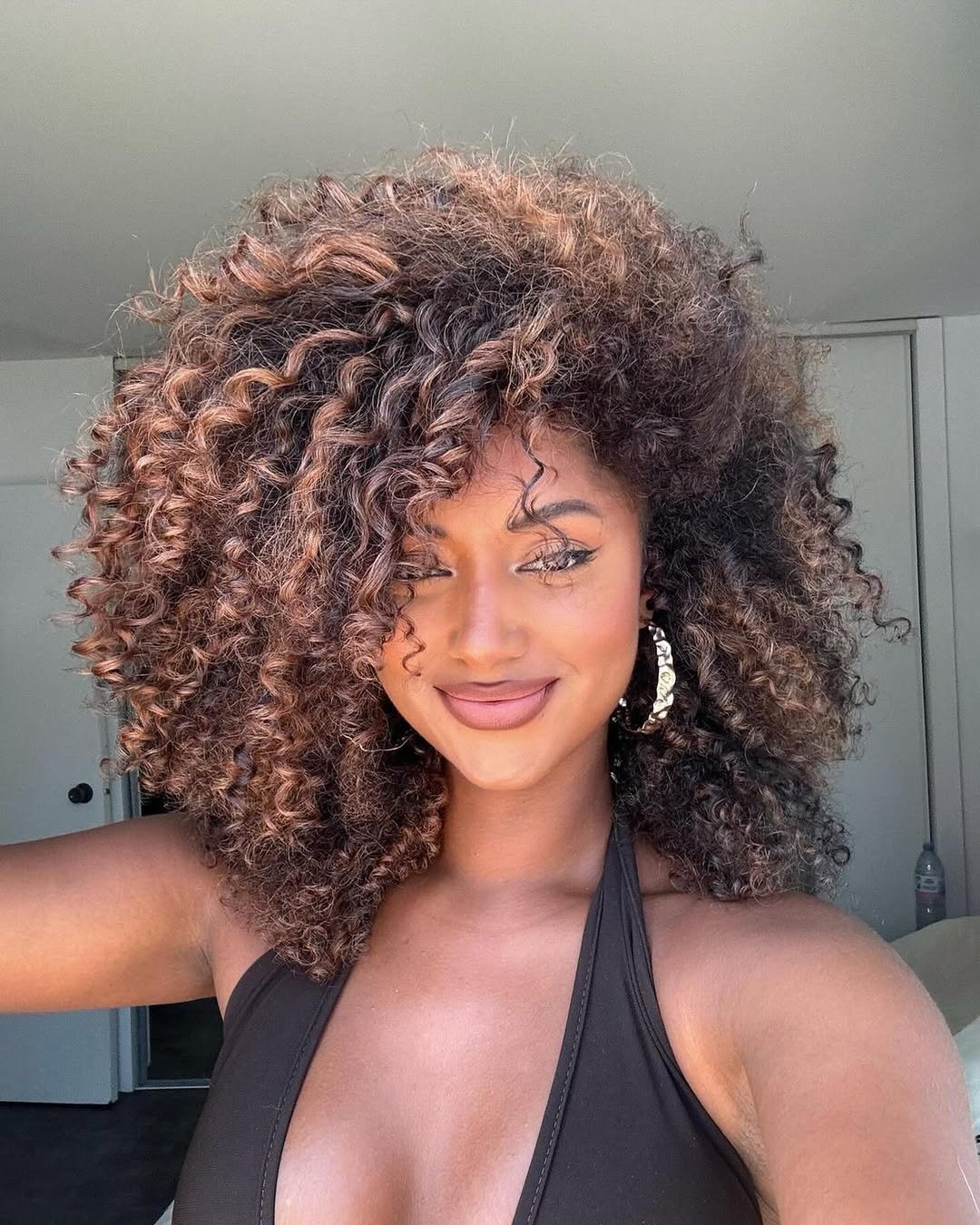
Does this cut actually work on fine curls? Only if your hair has some natural density to begin with. The shoulder-length layered shape relies on that thickness to hold the volume, and the warm brown highlights add depth without extra weight. Ask your stylist for: shoulder length layered cut with warm balayage and natural curls. Air-dry with a curl cream, then leave it alone. A trim every eight to ten weeks keeps the ends from shrinking the shape.
Shag With Full Fringe And Wavy Texture

The shag works because of the layers, not despite them. A full fringe and choppy, shaggy layers cut into mid-back length dark wavy hair create shape without needing heat tools. The weight is removed strategically so the waves stack rather than flatten. Ask your stylist for: mid-back shag with choppy layers and full bangs.
Styling this is mostly about not overthinking it. Scrunch damp hair with a texturizing spray, then let air do the rest. For the full fringe, a quick blast with a round brush keeps it off your forehead. Plan on trimming those bangs every four to six weeks, or they will drift into curtain territory.
Choppy Shag Bob With Short Bangs
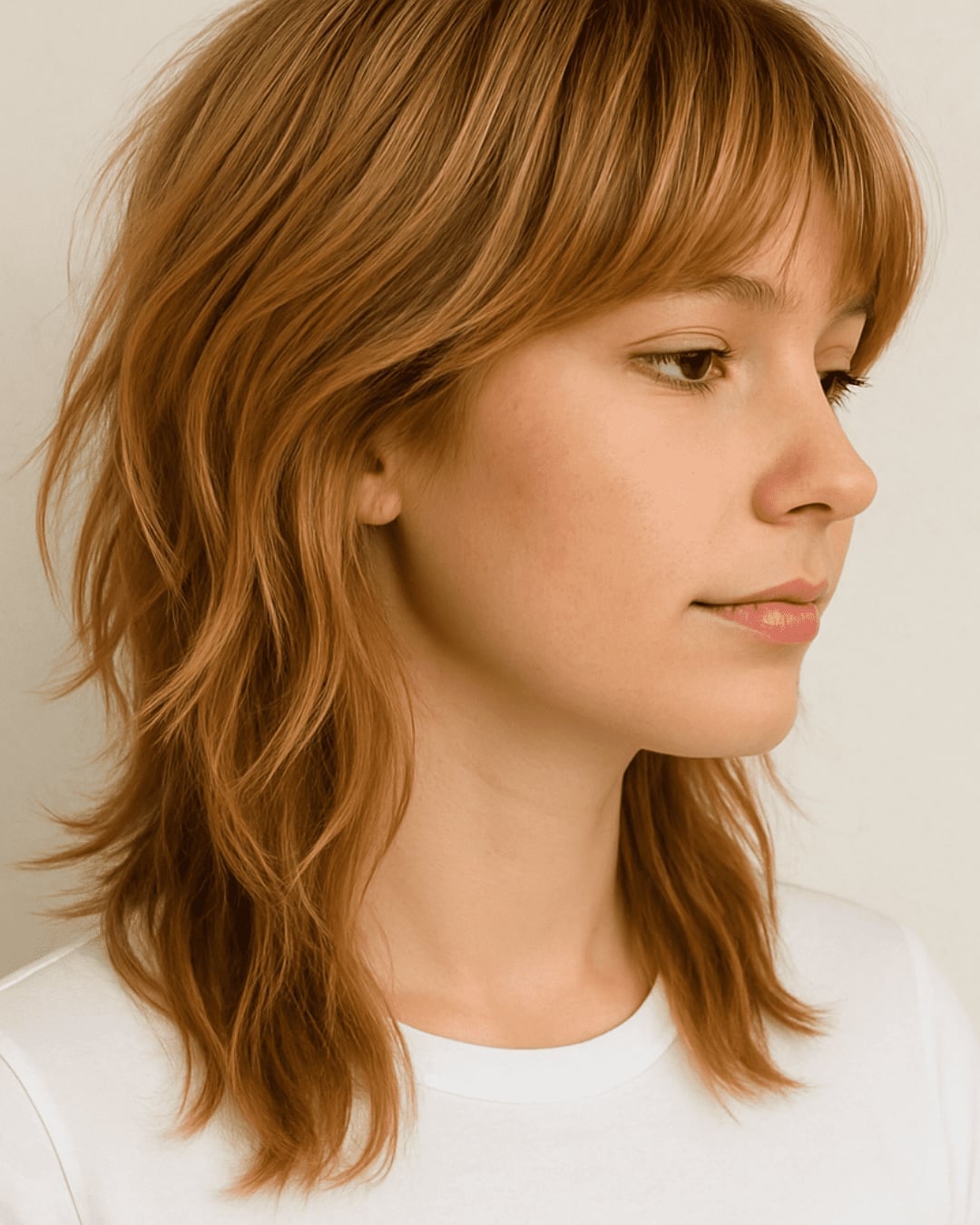
This is not a soft, rounded bob. The choppy shag bob sits at collarbone length with short, uneven bangs and cut-in texture throughout the ends. Compared to a standard layered bob, this one trades polish for movement and relies on the natural wave in fine to medium hair to keep it from looking too sharp. Ask your stylist for: collarbone shag with choppy layers and short bangs. The cut is precise enough that a salon visit is the safer bet. Work a texturizing paste into the ends, and book a bang trim every four to five weeks.
Shoulder Length Layers With Curtain Bangs
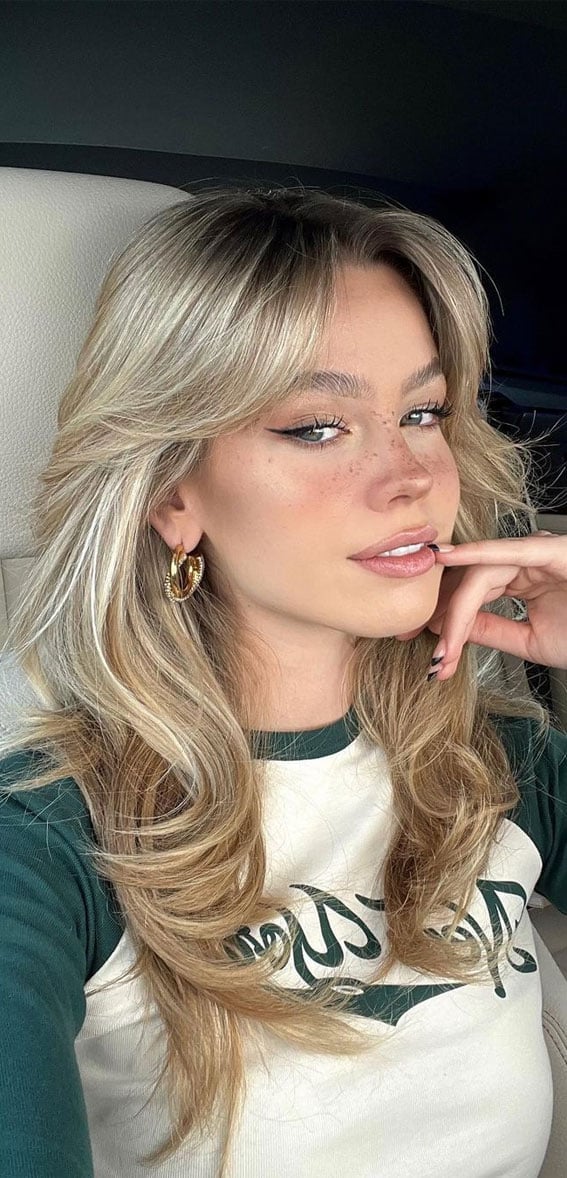
How do you get curtain bangs that actually sweep to the sides and stay there? The key is asking for them cut with a center point, so they graduate longer toward the ears. This shoulder-length cut uses subtle layers throughout the length and a middle part to let those bangs frame the face naturally. Ask your stylist for: shoulder length with subtle layers and curtain bangs. Style the bangs with a round brush while blow-drying, directing each side away from the center. A toning appointment every six to eight weeks keeps the ash blonde from warming up.
Textured Pixie With Side-Swept Bangs
Fine, straight hair of any density works best here; a pixie can shift the proportions on most face shapes but demands a trim every four to six weeks to stay sharp. Ask your stylist for: short textured pixie with side-swept bangs. The catch is that the grow-out period is awkward, so commit to the rhythm or skip it.
Collarbone Layers With Wispy Curtain Bangs

Dark brown hair with subtle lighter highlights falls to the collarbone, cut in face-framing layers that blend into soft, wispy curtain bangs parted at the side. Fine to medium wavy hair of collarbone length suits this cut best; the wispy bangs soften oval and heart shapes without demanding daily heat. Ask your stylist for: collarbone length layers with soft wispy curtain bangs. Let it air dry with a dab of texture spray, and schedule a trim every ten to twelve weeks to keep the layers from growing heavy.
Long Layers With Balayage And Curtain Bangs

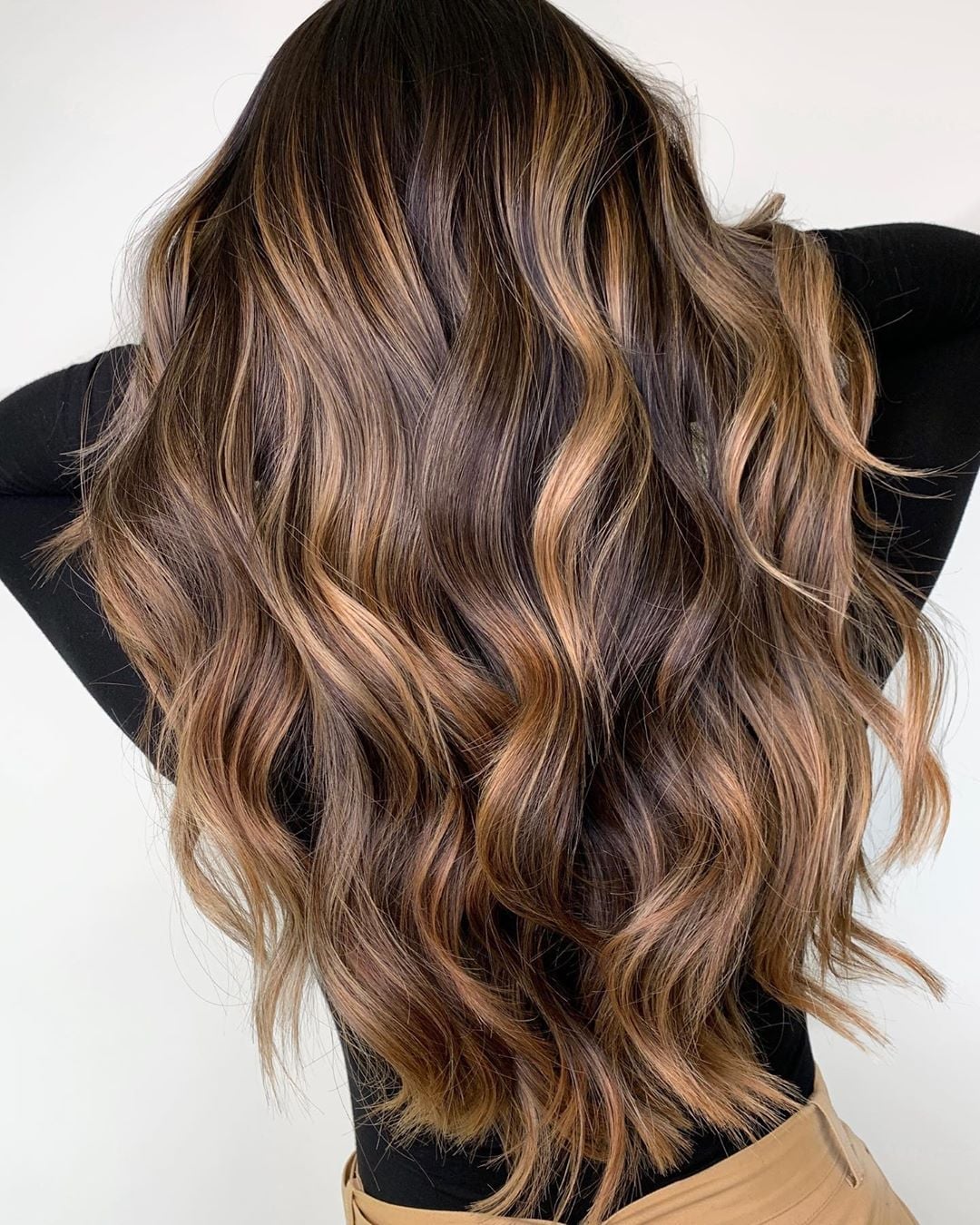
Long layers cut into thick, wavy hair start at mid-back and are painted with a warm brown base and blonde balayage that graduates lighter toward the ends. The curtain bangs are cut to sweep open at the sides, creating a soft frame that works with most face shapes. Ask your stylist for: mid-back length with long layers, curtain bangs, and balayage. Balayage is hand-painted freehand, so the root line grows in softly and needs a refresh every eight to twelve weeks. The dimension comes from the deep brown base and the lighter blonde pieces throughout the layers.
Because the balayage is painted onto the surface of each section, the color looks lived-in from the start and does not require a full retouch each time. The wavy texture adds natural movement that helps the color read as dimensional. A gloss finish on top of the balayage seals the cuticle and boosts the shine, which is why the hair looks glossy without looking wet. The technique is salon-only, but the upkeep is lower than traditional foil highlights.
Stacked Bob With Side-Swept Fringe
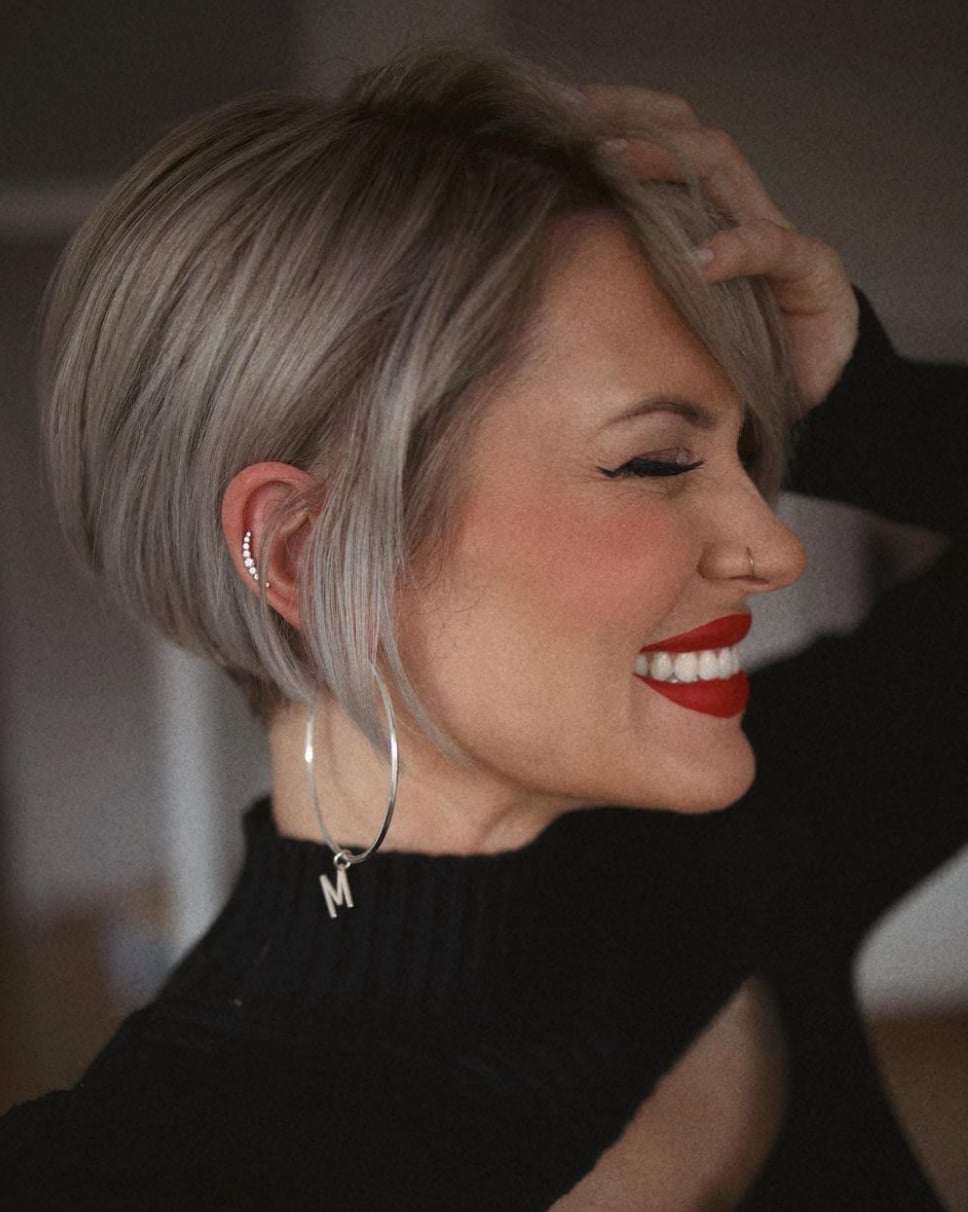
Can a short bob actually add volume to fine hair? A stacked bob cut with a side-swept fringe, styled smooth in a cool ash blonde with subtle highlights, builds visual weight at the back while keeping the front light. Fine, straight hair of ear length or longer is the ideal candidate; the stacked layers create the illusion of density, and the side-swept fringe balances round and heart face shapes by breaking up the width. Ask your stylist for: short stacked bob with a side-swept fringe. If your hair is very thick or curly, the stacking may puff out too much, so this cut favors those who want a sleeker shape.
Voluminous Mid-Back Layers With Curtain Bangs

Long, dark brown hair cut in multiple layers that reach mid-back, with soft curtain bangs parted at the center, is styled into a voluminous blowout that relies on lift at the crown. Thick, straight hair of mid-back length or longer takes the layers well; the weight keeps the shape from collapsing, and the curtain bangs soften most face shapes without needing constant trimming. Ask your stylist for: mid-back length with long layers and soft curtain bangs. The blowout requires a round brush and a heat protectant, and the volume comes from directing the hair away from the face while drying.
The underlying layers are cut so that each section of hair is slightly shorter than the one below it, which prevents the ends from looking blunt while still maintaining the overall length. Curtain bangs in a thick texture take about two weeks to settle into their natural sweep, so do not judge them on day one. A trim every eight to ten weeks keeps the layers light enough to hold the shape without losing the mid-back length. The lighter pieces threaded through the dark brown add subtle dimension that catches light during movement.
Glossy Mid-Back Layers With Side Part
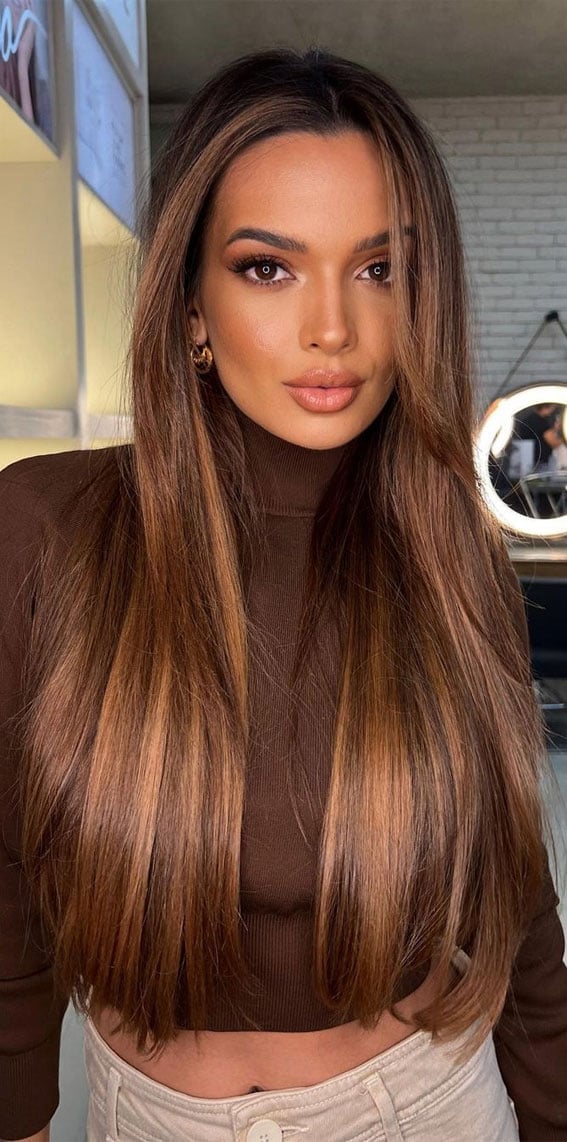
The glossy finish here is the result of a precise blowout technique: thick, straight hair in a rich brown with subtle lighter highlights is pulled taut with a round brush, sealing the cuticle as it dries. The side part adds volume at the root, while the soft face-framing layers keep the dense weight from dragging the style down. It’s a design that relies on the contrast between a sleek surface and the movement hidden underneath.
Ask your stylist for: mid-back length with soft face-framing layers and subtle highlights. This works best on thick, straight hair that’s already mid-back or longer, since the layers need length to swing properly. A smoothing serum applied before blow-drying will keep the gloss going, and a trim every eight to ten weeks prevents the ends from splitting.
Shoulder Length Shag With Defined Curls
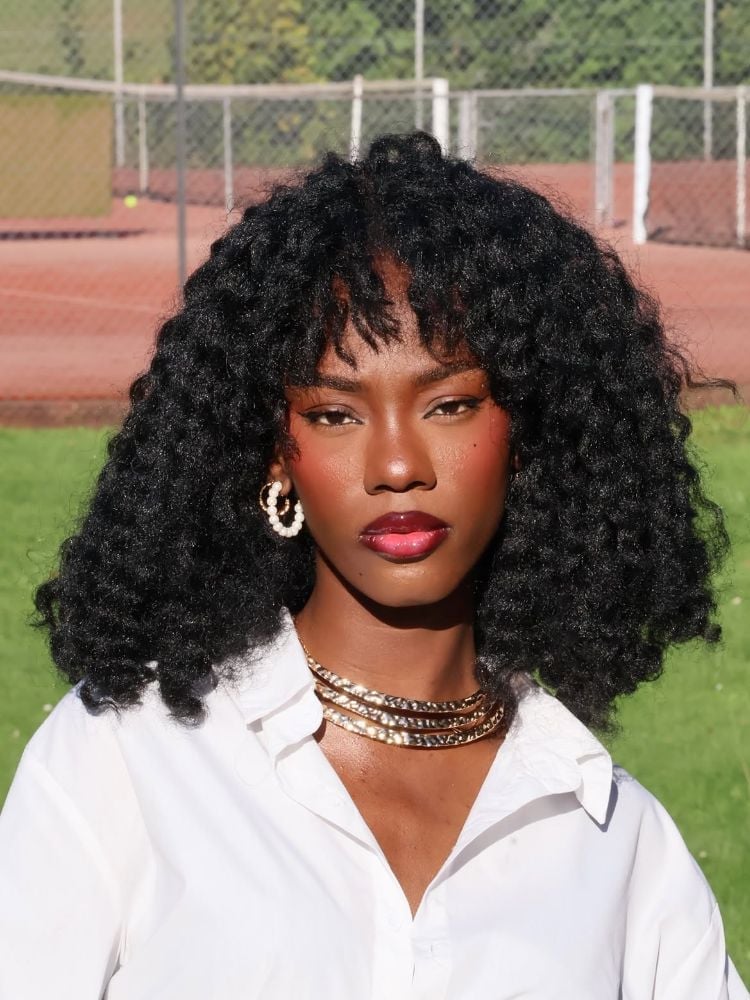
How do you get those defined curls without a salon visit? Start with a shoulder-length shag cut with a full fringe on thick, black, curly hair. After washing, apply a curl-defining cream to soaking wet hair, then scrunch upward and let it air dry. The key is not touching it until it’s fully dry, which keeps the curl clumps intact and the fringe from separating into odd strands. This is a DIY-friendly style, since the shag’s layers do most of the work. Ask your stylist for: shoulder length shag with a full fringe and defined curls. The full fringe suits oval and longer faces, balancing the length.
Sleek Chin Length Bob With Glossy Finish

Compared to the soft, layered shag nearby, this sleek chin length bob is a precision instrument. The side part and straight, fine blonde hair are blow-dried smooth to create a glossy, mirror finish that highlights the clean line. It suits most face shapes, but it demands commitment: any unevenness in the cut will be visible. The drawback is that it shows every bend and kink, so you’ll need a flat iron for touch-ups. Ask your stylist for: chin length sleek bob with a side part. A trim every six to eight weeks keeps the line sharp.
Collarbone Shag With Wavy Blonde Highlights
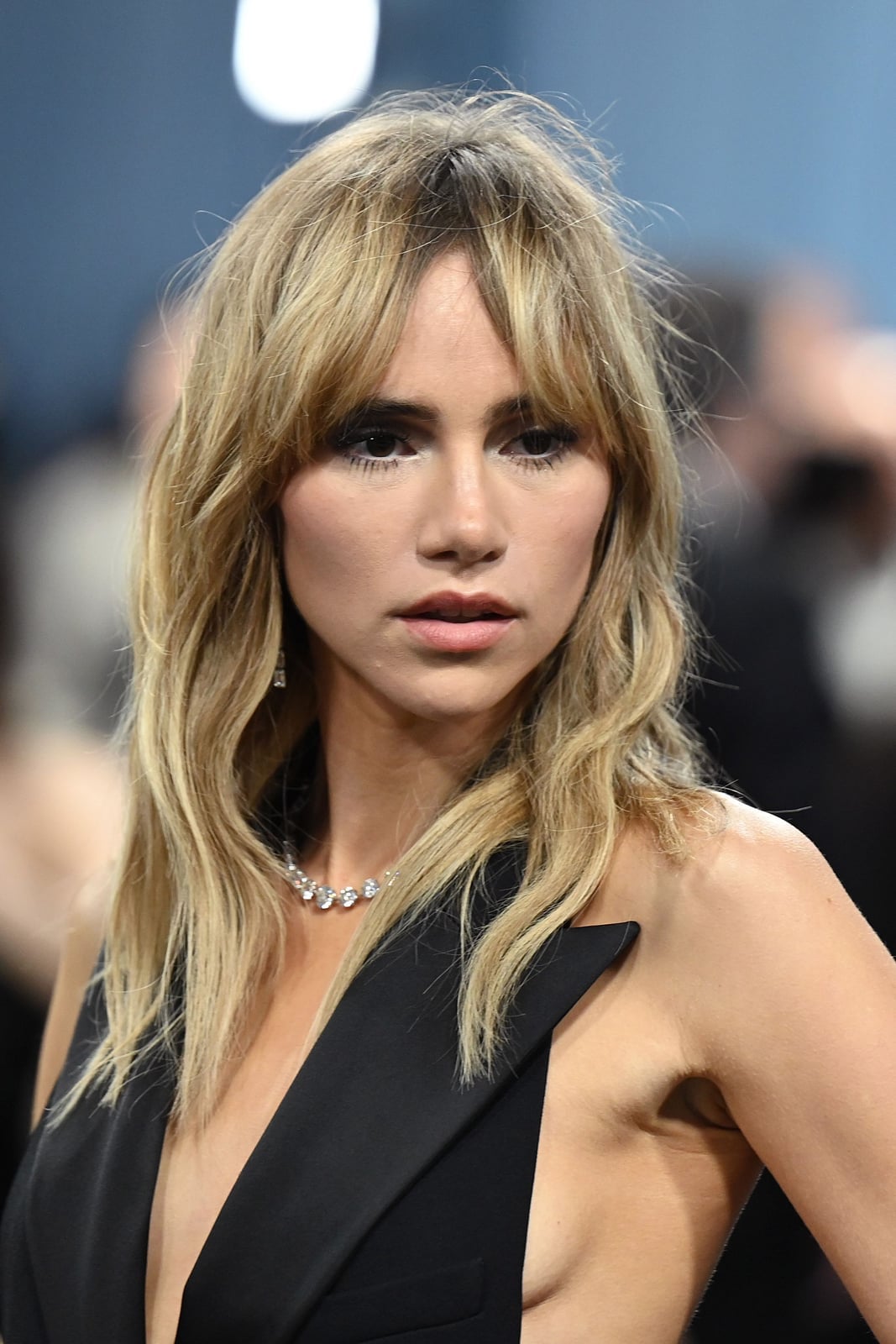
Who should book this collarbone shag with wavy blonde highlights? If your hair is medium density with a natural wave, this cut will give it room to move. The soft layers and curtain bangs are particularly good at softening round and heart face shapes. The wavy blowout adds volume without making the ends look thin. Ask your stylist for: collarbone length shag with soft layers and curtain bangs. For the waves to hold, use a diffuser attachment on low heat. The lighter highlights will need a toning appointment every six to eight weeks to stay bright.
Chin Length Bob With Wavy Layers And Curtain Bangs

The key to this chin length bob is the wavy layers that keep it from looking like a blunt helmet. With medium wavy hair in a dark brown with subtle highlights, the cut ends at the chin and features prominent curtain bangs that frame the face. The lived-in appearance comes from the natural wave pattern, not from styling effort. Ask your stylist for: chin length bob with wavy layers and curtain bangs. It suits most face shapes, and the curtain bangs can be swept aside as they grow out. To enhance the texture, scrunch in a sea salt spray while the hair is damp and let it air dry. A trim every eight to ten weeks keeps the bob’s shape.
Mid-Back Waves With Balayage Highlights
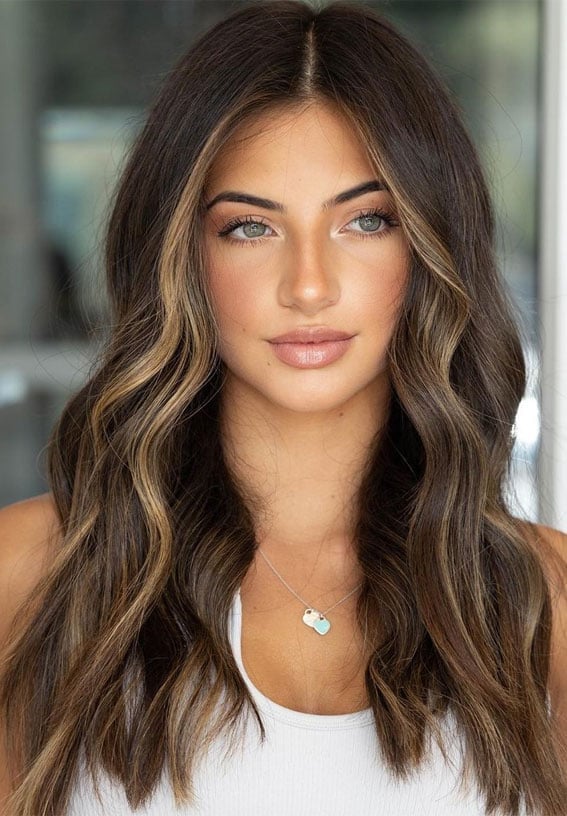
The design hinges on contrast: a dark brown base that keeps the root dense, then blonde balayage painted through the ends of loose, mid-back waves. Thick, wavy hair carries the dimension best because the texture catches each lighter piece without them disappearing into the background. A middle parting keeps the application symmetrical, so the highlights appear as a soft glow, not stripes. Ask your stylist for: mid-back length loose waves with balayage highlights.
Balayage is hand-painted, not foiled, which means the blonde sits on the surface of each wave and does not start at the root. That deliberate spacing extends the time between color appointments to about three months. A wide-tooth comb on damp hair preserves the wave pattern without pulling the highlights into a solid block.
Chin Length Bob With Wispy Face-Framing Bangs

A chin-length bob with a clean line is low-maintenance until you add wispy bangs. The bangs here are short and see-through, which softens the blunt perimeter but also requires a trim every three weeks to stay out of your eyes. Loose waves keep the bob from looking severe, but if you prefer to wash and go, the wispy pieces will land wherever they dry. Ask your stylist for: chin length bob with soft wispy face-framing bangs. The bangs demand daily attention while the bob coasts.
Mid-Back Layers With Soft Wispy Bangs
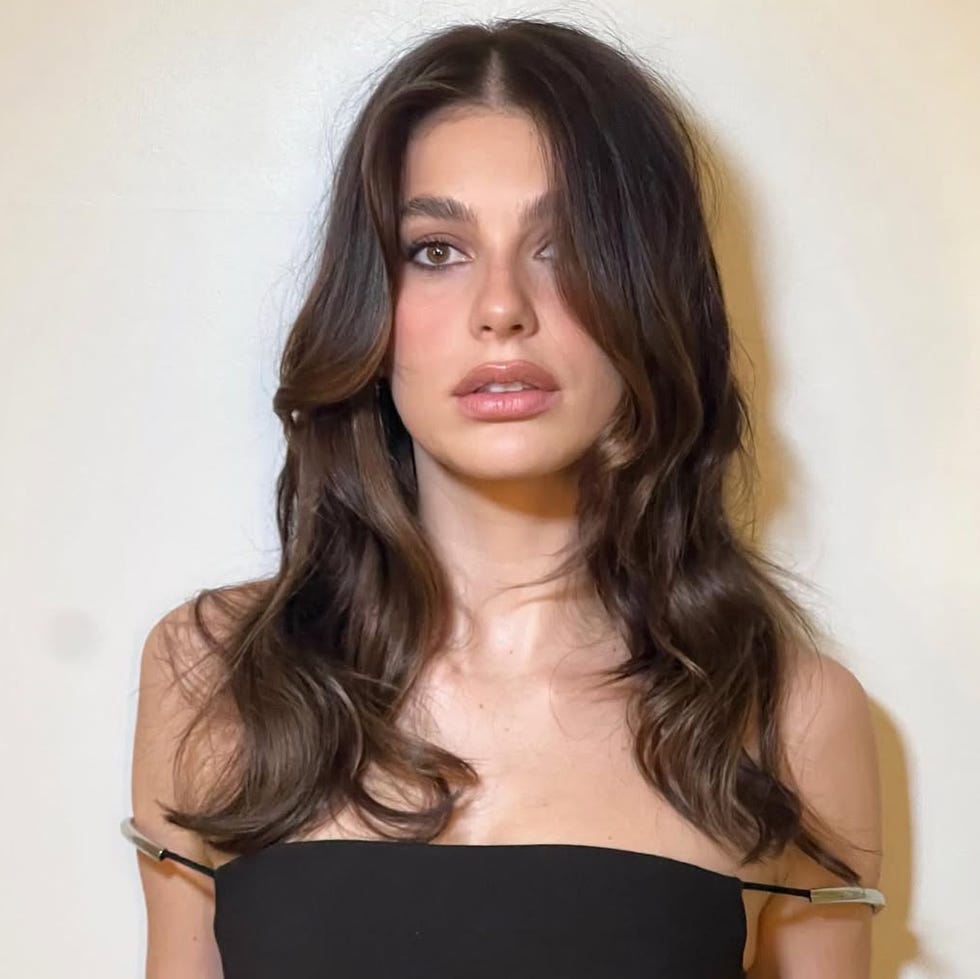
Long layers through mid-back hair reduce bulk without sacrificing length. The side parting adds lift at the root. The wispy bangs are cut light enough to blend into the layers. Thick, wavy texture benefits from this approach because the layers prevent the hair from hanging in one heavy triangle. Ask your stylist for: mid-back length with long layers and soft wispy bangs.
Daily styling is minimal: air drying encourages the natural wave, and the bangs can be tucked behind the ear on humid days. A trim every eight weeks keeps the layers defined and the bangs from overtaking the face. The side parting lets you control volume by flipping the deeper side for more height.
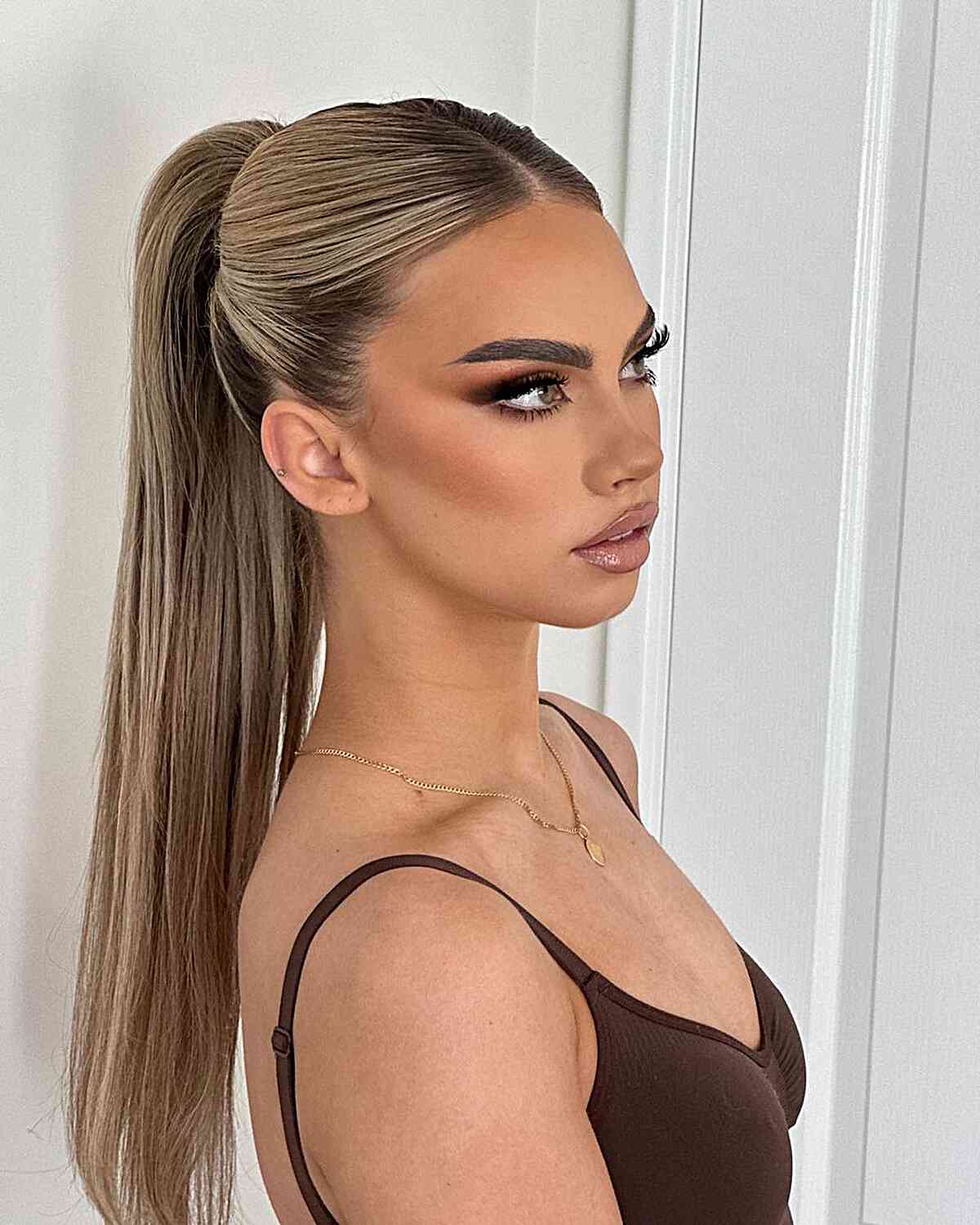
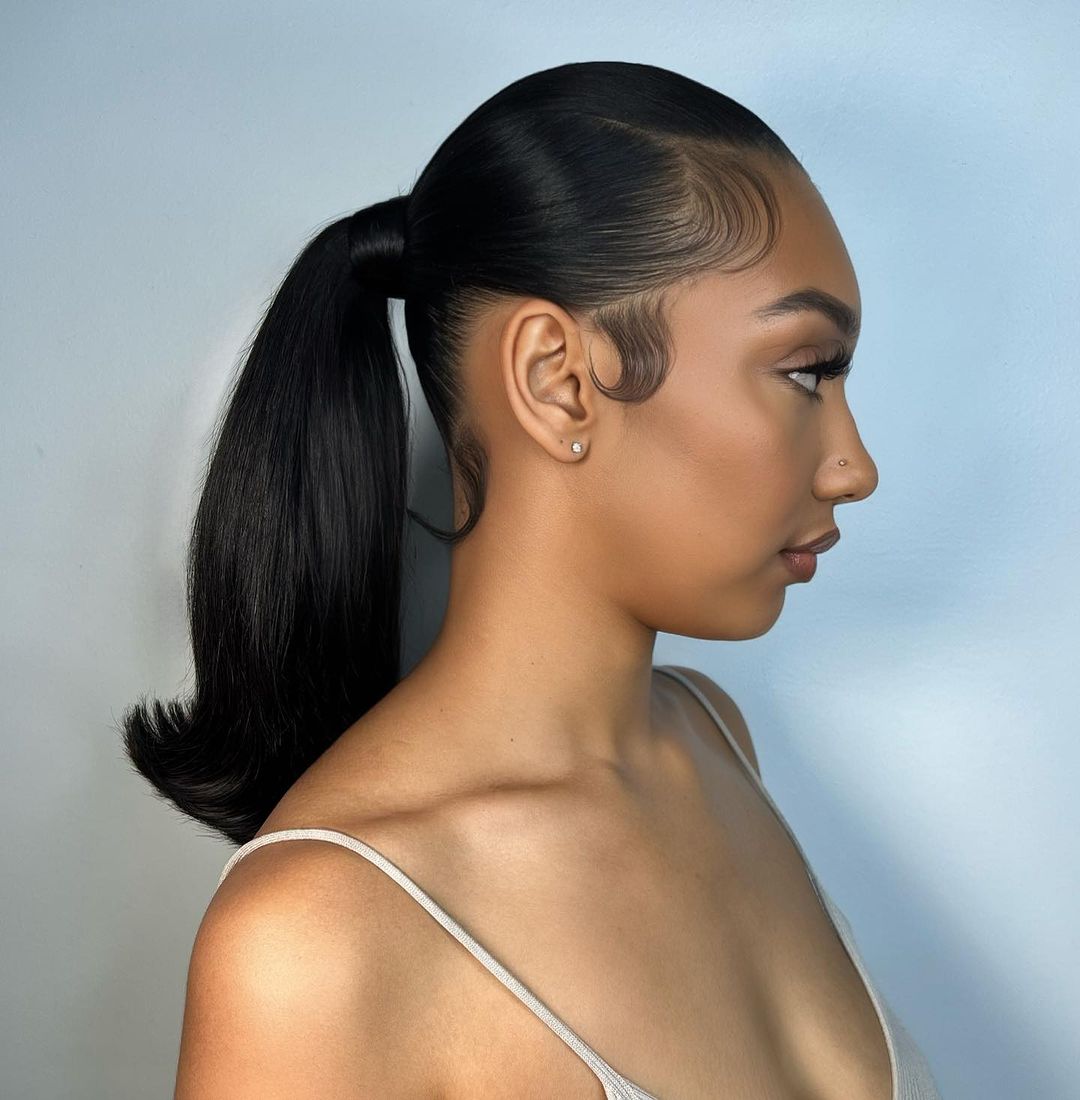
High Voluminous Ponytail
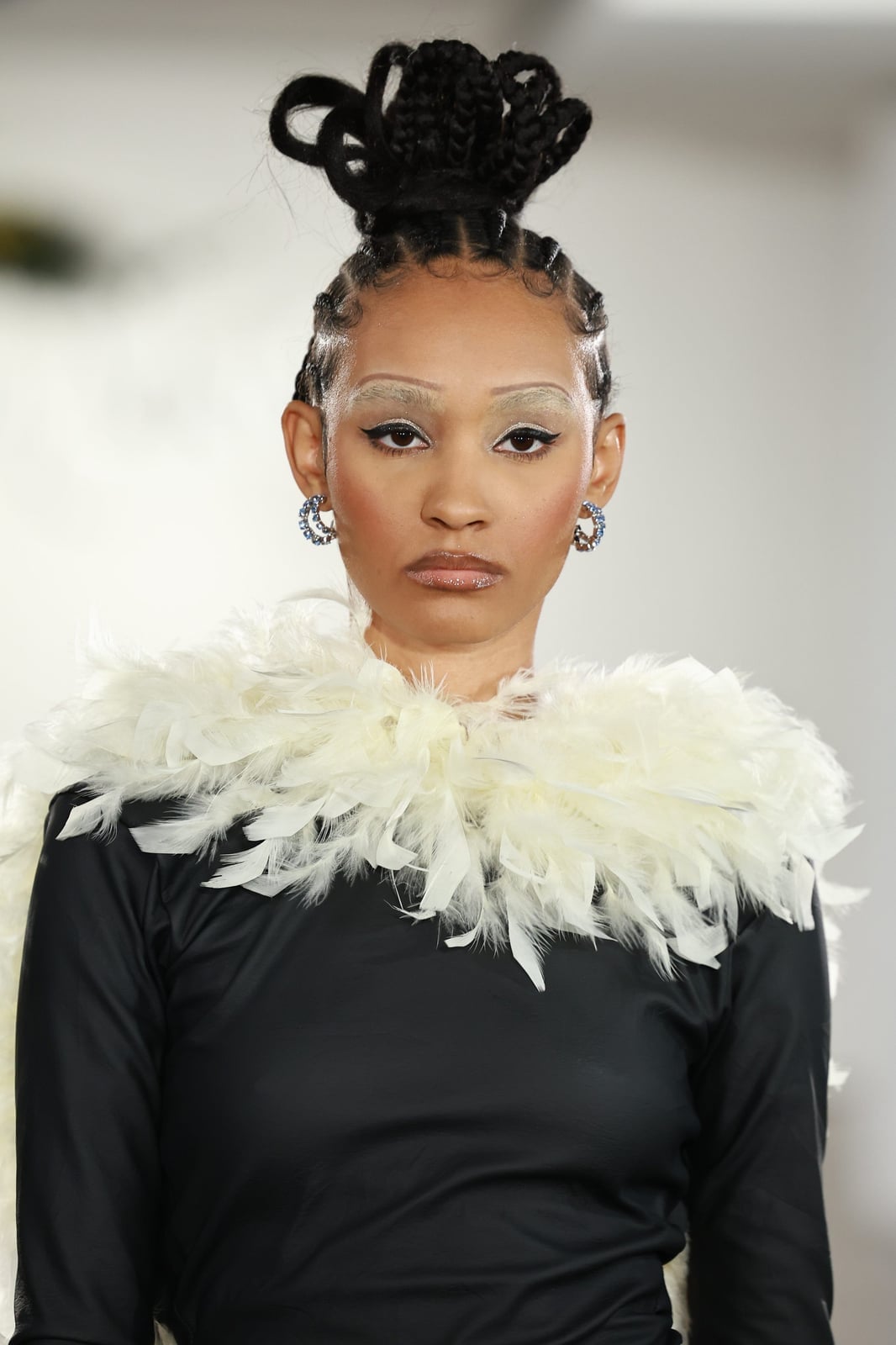
The construction starts with the base: a sleek high ponytail on long, straight, thick hair requires a firm elastic placed at the crown, not the back of the head. The volume comes from teasing the hair above the elastic before smoothing the top layer over it, creating a rounded silhouette rather than a flat pull-back. The middle parting is not visible because the front is swept clean, which works for oval and heart face shapes. Ask your stylist for: sleek high ponytail. A strong hold hairspray and a teasing brush are the tools; the ponytail itself is straight, so no curling iron needed.
Collarbone Shag With Textured Waves And Curtain Bangs
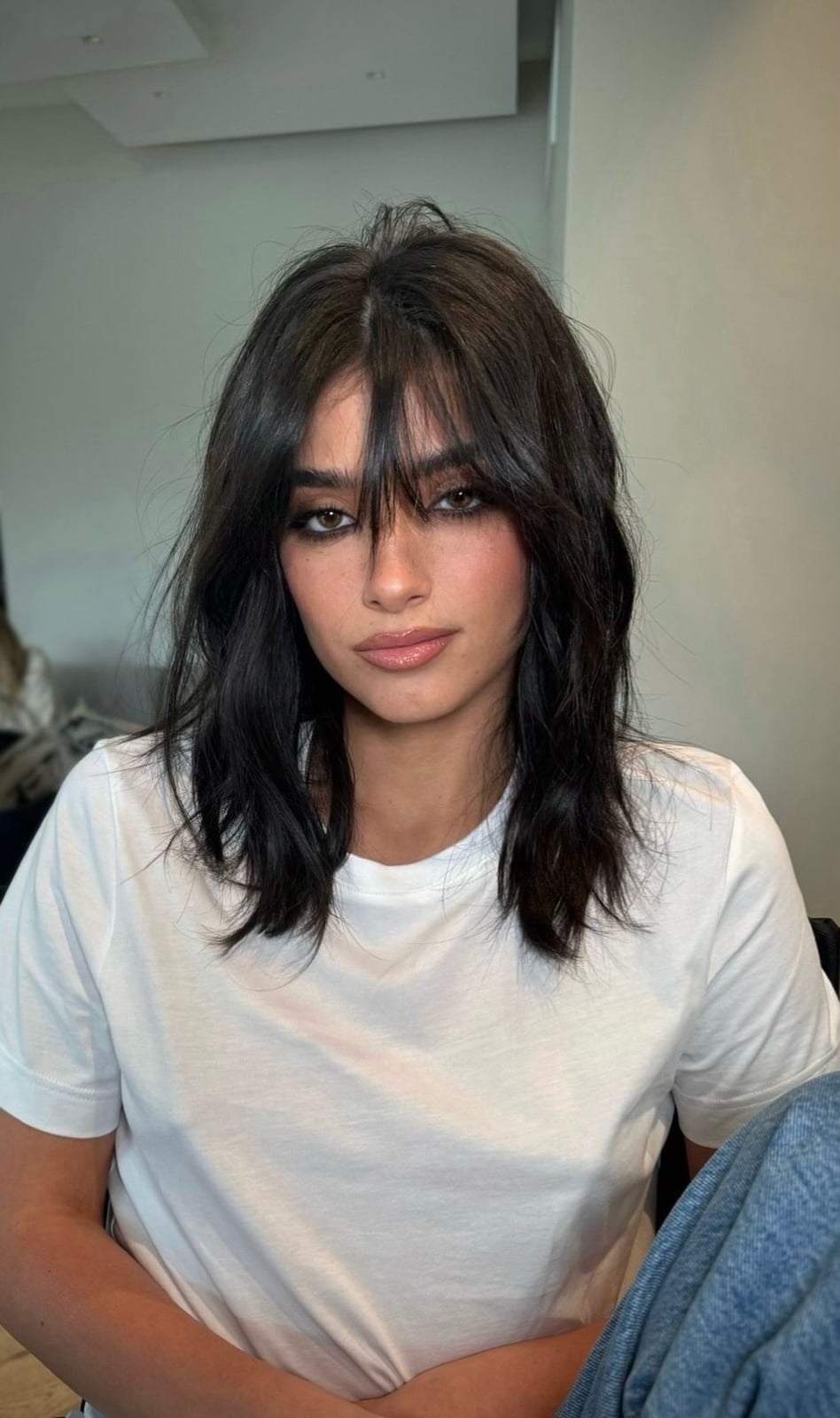
How do you get a shag that looks lived-in rather than chopped? The answer is in the layering: short, textured pieces through the crown and nape create the shag shape, while the length lands at the collarbone to keep it wearable. Curtain bangs open in the center and feather toward the cheekbones, blending into the shortest layers. The dark brown base with subtle highlights adds depth without looking highlighted. Ask your stylist for: collarbone length shag with textured waves and curtain bangs. The key is asking for point-cutting on the ends so the texture feels soft, not jagged.
Mid-Back Layers With Face-Framing Curtain Bangs, Dark Brown
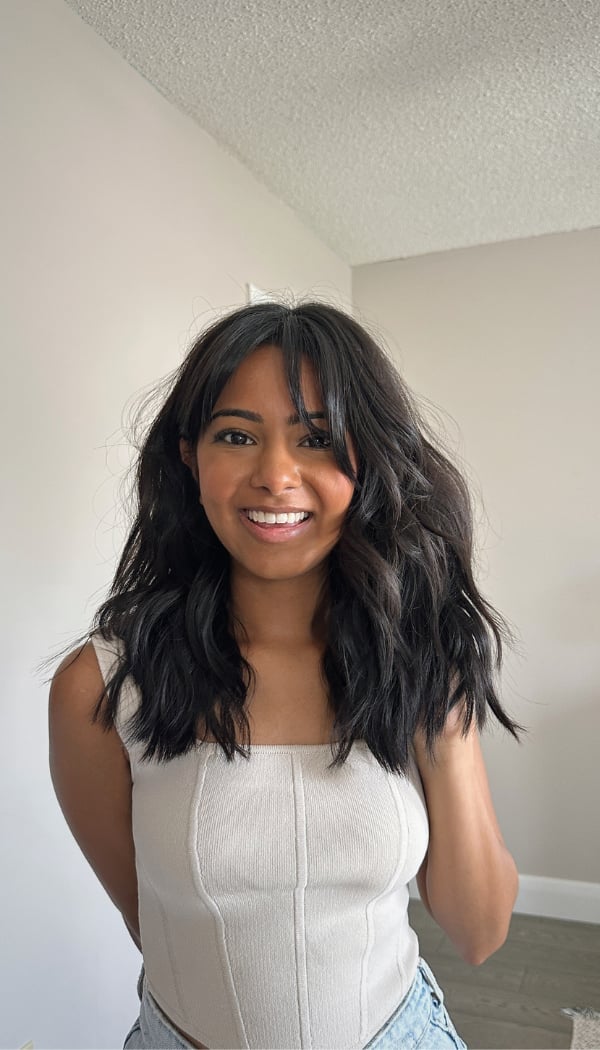
The design is built on contrast: long, dark brown layers that fall past the shoulders, with curtain bangs that soften the transition from forehead to cheekbone. Because the hair is thick and wavy, the layers hold their shape without falling flat, and the middle part keeps the curtain bangs symmetrical as they frame the face.
This cut works well for those with thick, wavy hair that already reaches mid-back or longer; the weight of the length keeps the waves from turning into frizz, while the face-framing pieces add movement without sacrificing density. If your hair is fine or thin, the long layers might look stringy, so consider a shorter version instead. Ask your stylist for mid-back length with long layers and face-framing curtain bangs. A root texturizing spray gives the bangs that lived-in bend, and a trim every eight to ten weeks keeps the ends from splitting.
Mid-Back Waves With Warm Blonde Balayage
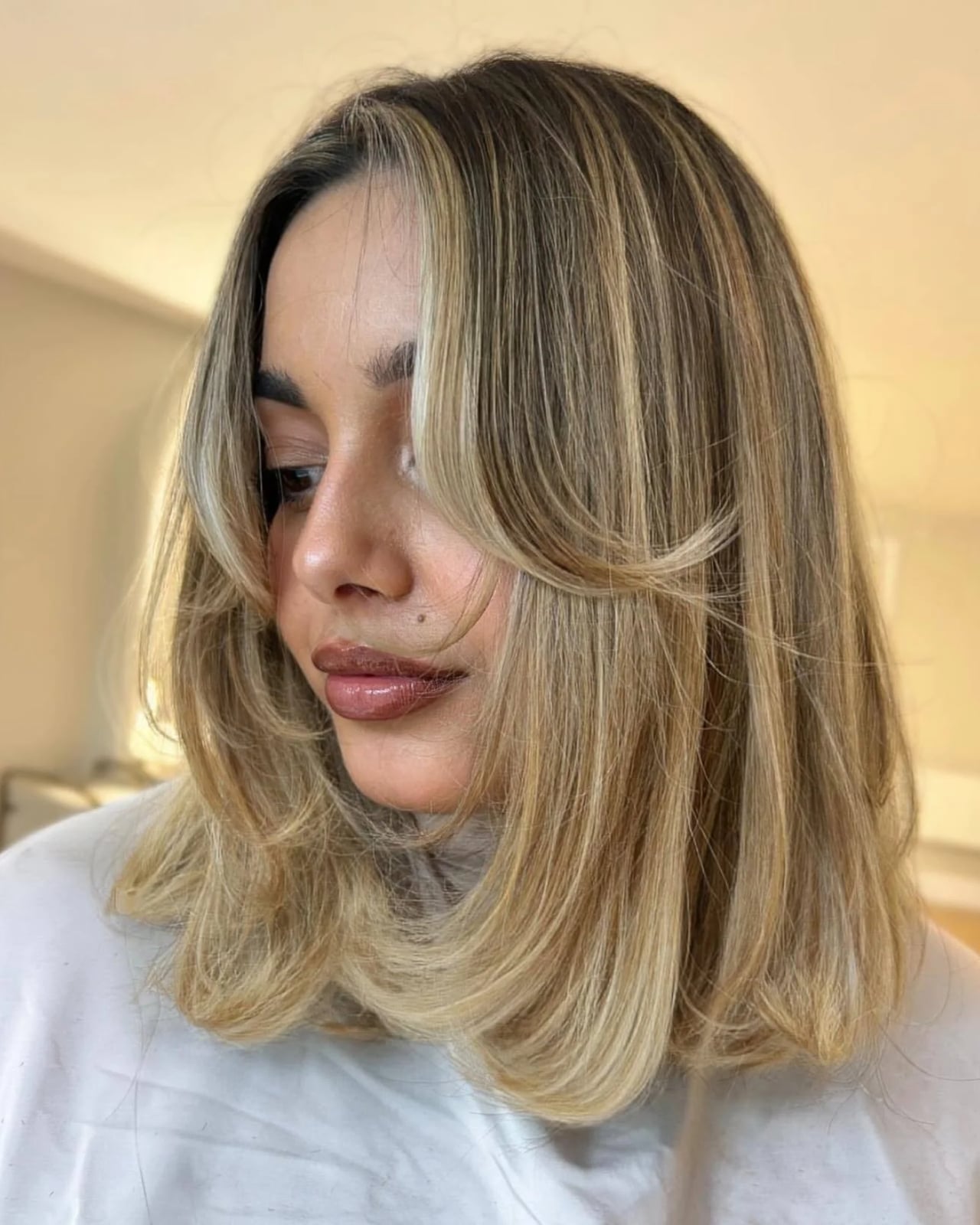
The technique here is a classic balayage: the colorist paints warm blonde onto a dark brown base, starting closer to the mid-lengths and concentrating the lightest pieces around the face and ends. On thick, wavy hair that reaches mid-back, the hand-painted sections catch the light as the hair moves, which is why the waves read as dimensional rather than flat.
Because there are no bangs, the face stays open, and the middle part lets the balayage fall evenly on both sides. The warm blonde adds warmth to the overall tone, but it does not require a specific skin tone to work; it simply brightens the hair’s natural depth. Ask your colorist for dark brown and warm blonde balayage. To keep the color from turning brassy, use a purple shampoo once a week and refresh the balayage every three to four months, depending on how fast your hair grows.
Mid-Back Layers With Teal And Green Ombre
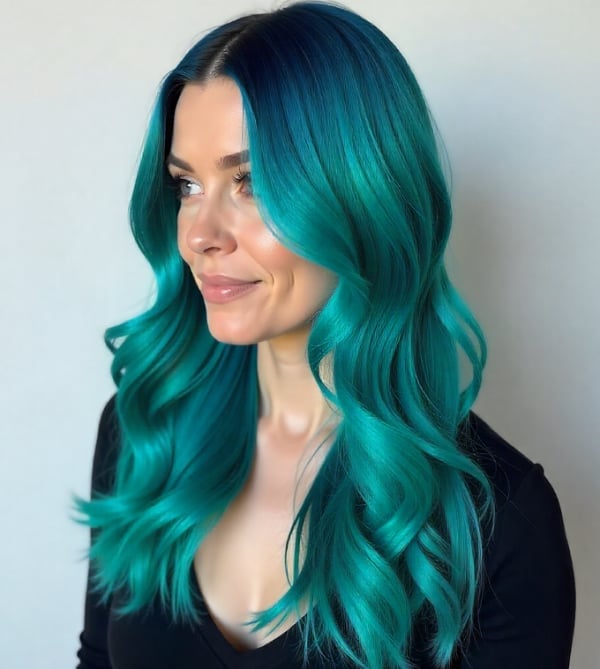
Compared to a subtle balayage that melts from dark to light, this ombre makes a statement: the roots stay dark, then shift into teal and green as the hair travels to the mid-back. On thick, wavy hair with long layers, the waves break up the gradient, so the change is visible but not harsh.
The dark root means you can skip the salon for a while; the grow-out line is hidden by the original dark color, so the ombre lasts longer than a full-color application. It suits those who want a bold change without the upkeep of a global color, and it works best on hair that is already mid-back or longer so the transition has room to breathe. Ask your colorist for mid-back length long layers with teal and green ombre. Use a color-safe shampoo and keep heat styling low to slow down fading.
Collarbone Layers With Wispy Curtain Bangs, Close-Up Take

The collarbone length is a practical sweet spot: long enough to pull back, short enough to feel lighter, and the wispy curtain bangs open up the face without committing to a full fringe. On thick, wavy hair, the layers are cut to remove bulk, so the waves fall softly without piling up at the ends. The medium brown base with subtle lighter highlights adds dimension, which helps the layers read clearly even when the hair is air-dried.
This cut suits oval and heart-shaped faces particularly well, since the wispy bangs soften the forehead without covering it entirely. Ask your stylist for collarbone length layers with wispy curtain bangs. To style, blow-dry the bangs with a round brush to encourage the curtain bend, then use a texturizing spray on the lengths for a lived-in finish. A trim every eight to ten weeks keeps the bangs from growing past the cheekbones.
Mid-Back Straight Hair With Long Layers
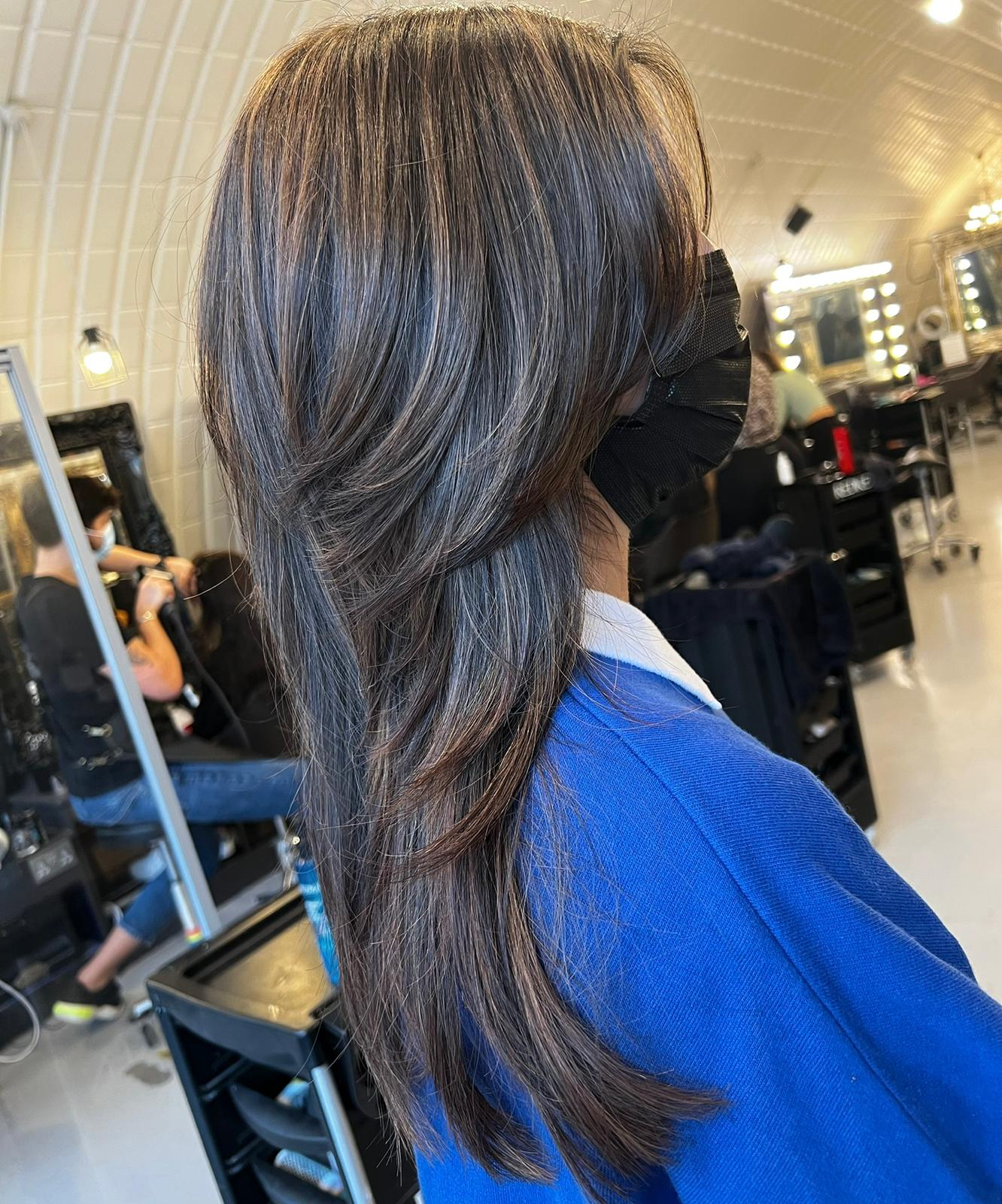
Does straight, thick hair ever look too heavy? Not when the layers are cut distinctly, as they are here. The hair falls to mid-back, and the long layers are visible from the nape downwards, creating movement without sacrificing length. The dark brown base with blonde highlights adds depth, so the layers catch the light even when the hair is worn straight.
This cut suits those with thick, straight hair who want to keep the length but add shape; the layers prevent the dreaded triangle effect that comes from blunt, heavy ends. If your hair is fine or thin, the long layers might make it look sparse, so a shorter, more graduated cut would serve you better. Ask your stylist for mid-back length straight hair with distinct long layers. A flat iron and a shine spray will keep the finish sleek, and a trim every eight to ten weeks maintains the line.
Collarbone Lob With Loose Waves
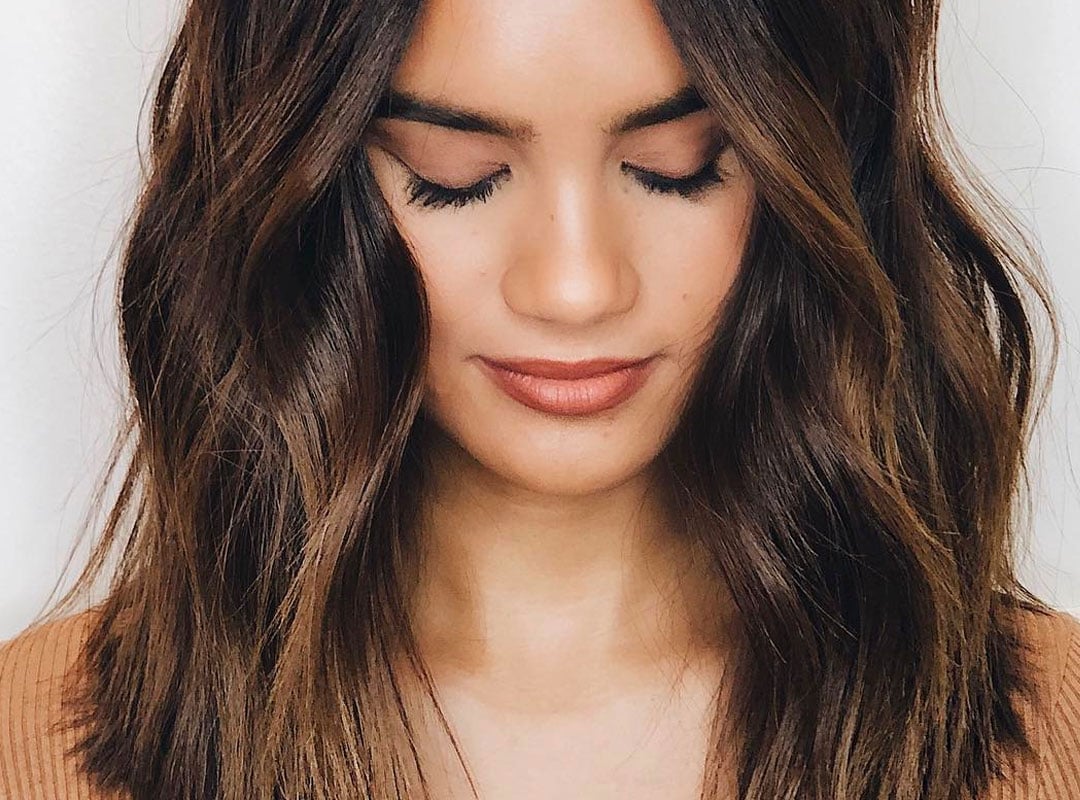
Can you get that glossy, air-dried look without a salon visit? Start with a collarbone length lob and a side parting, then let fine, wavy hair dry naturally. A texturizing spray at the roots gives the loose waves grip without weighing them down. For extra shine, run a drop of leave-in conditioner through the ends. Ask your stylist for: collarbone length lob with loose waves. This cut suits fine wavy hair of collarbone length or longer, and it is low-maintenance between trims. A trim every eight to ten weeks keeps the shape honest.
Layered Bob With Textured Ends
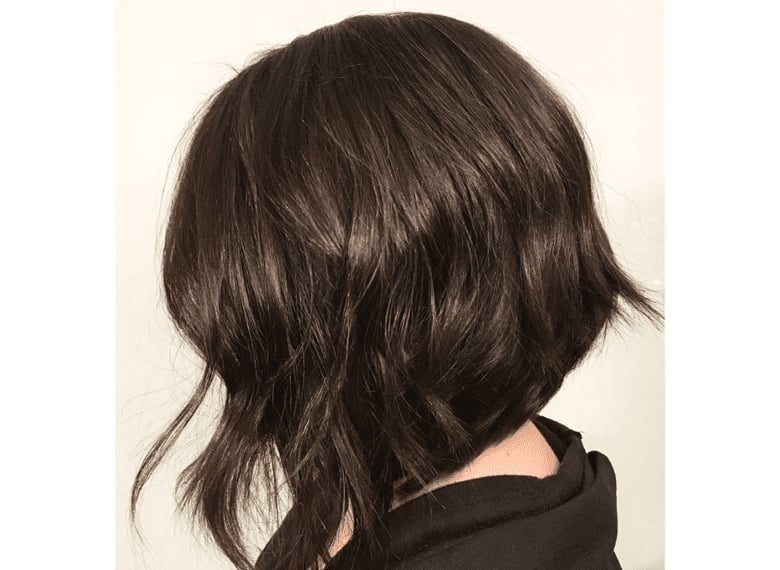
The design works because the subtle layers give a chin length bob movement, but the real payoff is the textured ends. They create a deliberate finish, yet they come with a trade-off: split ends will find you faster. On medium wavy hair, air drying with a texturizing paste on the ends keeps the shape defined. Ask your stylist for: chin length layered bob with textured ends. This cut suits medium wavy hair of chin length or longer. Plan on a trim every six to eight weeks, since the ends are the whole point.
Mid-Back Layers With Blonde Balayage And Curtain Bangs, Wavy
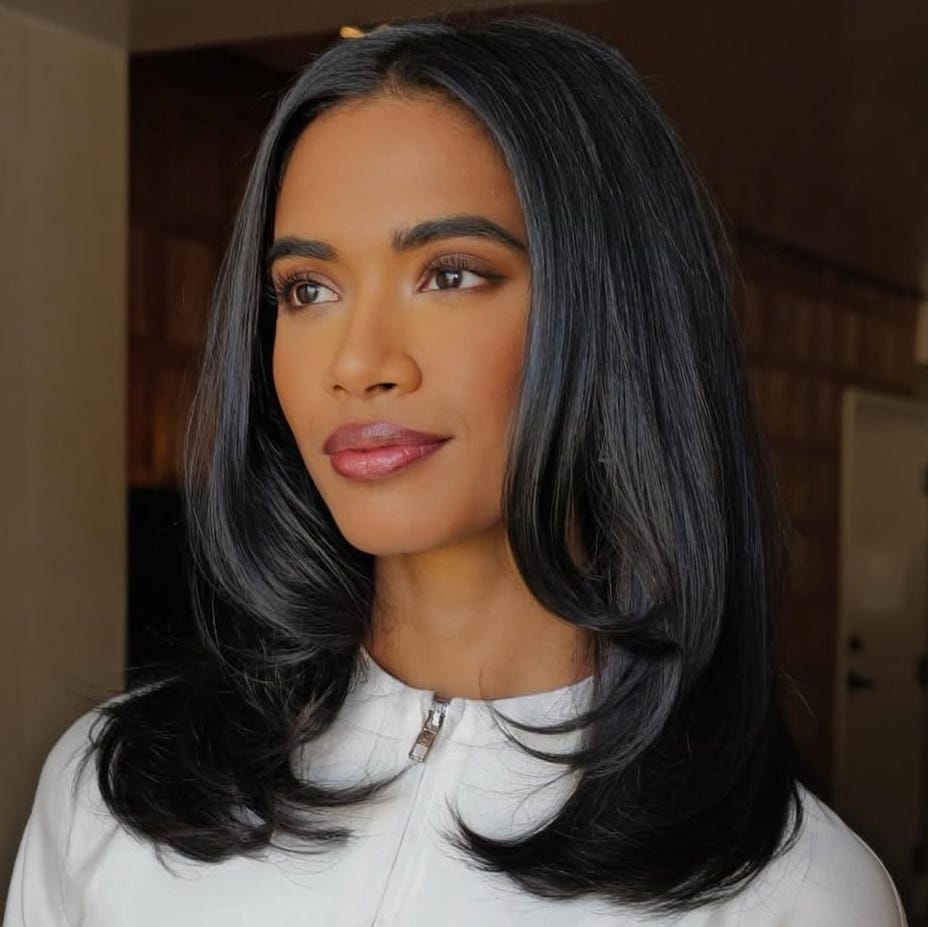
Wondering how to describe the exact blend of face-framing layers, curtain bangs, and lived-in color you want? The key is naming the length first, then the layers, then the color technique. Ask your stylist for: mid-back length long layers with curtain bangs and blonde balayage. The long layers keep thick, wavy hair from feeling heavy, while the curtain bangs soften the face without committing to a full fringe. The dark brown base with blonde balayage grows out gracefully, so you are not tied to the salon. A smoothing balm tames the waves, and the balayage needs refreshing every three to four months.
Collarbone Layers With Dark Blonde Highlights

Fine wavy hair at collarbone length holds a blowout longer than you might expect, but the curtain bangs are what sell the cut. They frame the face and blend into face-framing layers, so the whole style moves as one piece. The dark blonde base with subtle lighter highlights adds dimension that reads as natural, not streaky. Ask your stylist for: collarbone length with face-framing layers and curtain bangs. For volume, a volumizing spray at the roots before drying helps. The highlights need toning every six to eight weeks to keep the lighter pieces bright.
Chin Length Bob With Sharp Line
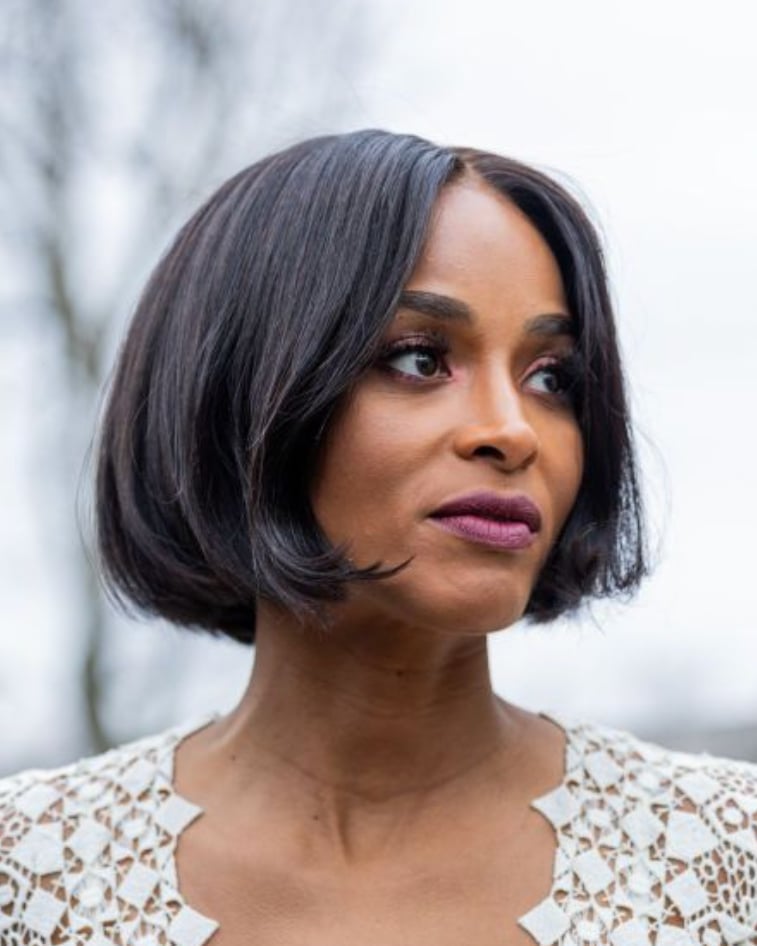
Compared to the softer, blended styles around it, this chin length bob is a commitment to geometry. The sharp line, side parting, and clean edges demand precision, and they show every grow-out day. Fine, straight hair is the ideal candidate, since the blunt shape holds its form without extra styling. Ask your stylist for: chin length bob with a sharp line and side part. Tucked behind the ears, the line stays visible and the polish is instant. The drawback is the schedule: a trim every six to eight weeks, or the sharpness dulls into something accidental.
Final Thoughts
For fine hair, choose a blunt bob or a shag with layers that build fullness, and skip heavy thinning that leaves ends wispy. Thick hair handles long layers or textured cuts that remove weight while keeping shape. Match the cut to your lifestyle: a sharp bob needs regular trims, while longer layers tolerate more grow-out time.
- Trim blunt lines every 6-8 weeks to maintain sharpness.
- Tone blonde shades every 4-6 weeks to counteract brassiness.
- Use heat protectant spray before any heat styling.
- Wash and condition hair 2-3 times per week for optimal texture.
Find the cut that matches your lifestyle and hair type.