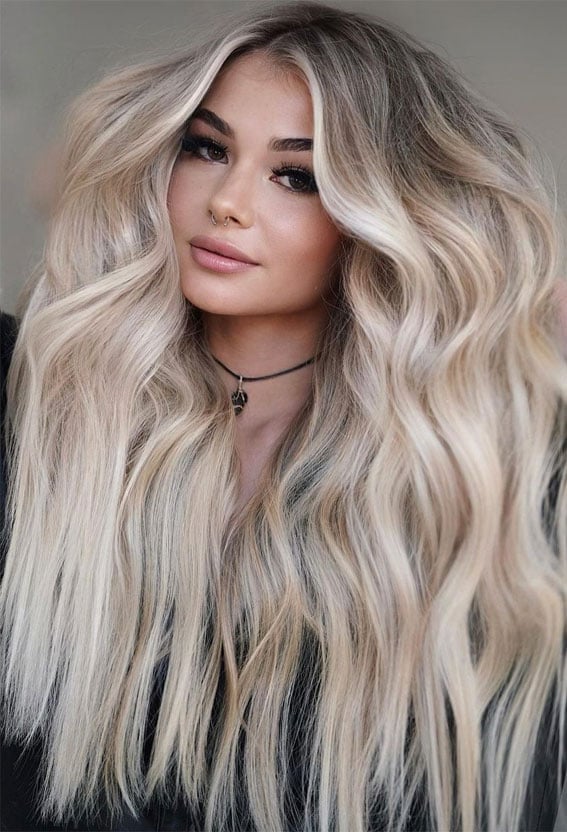
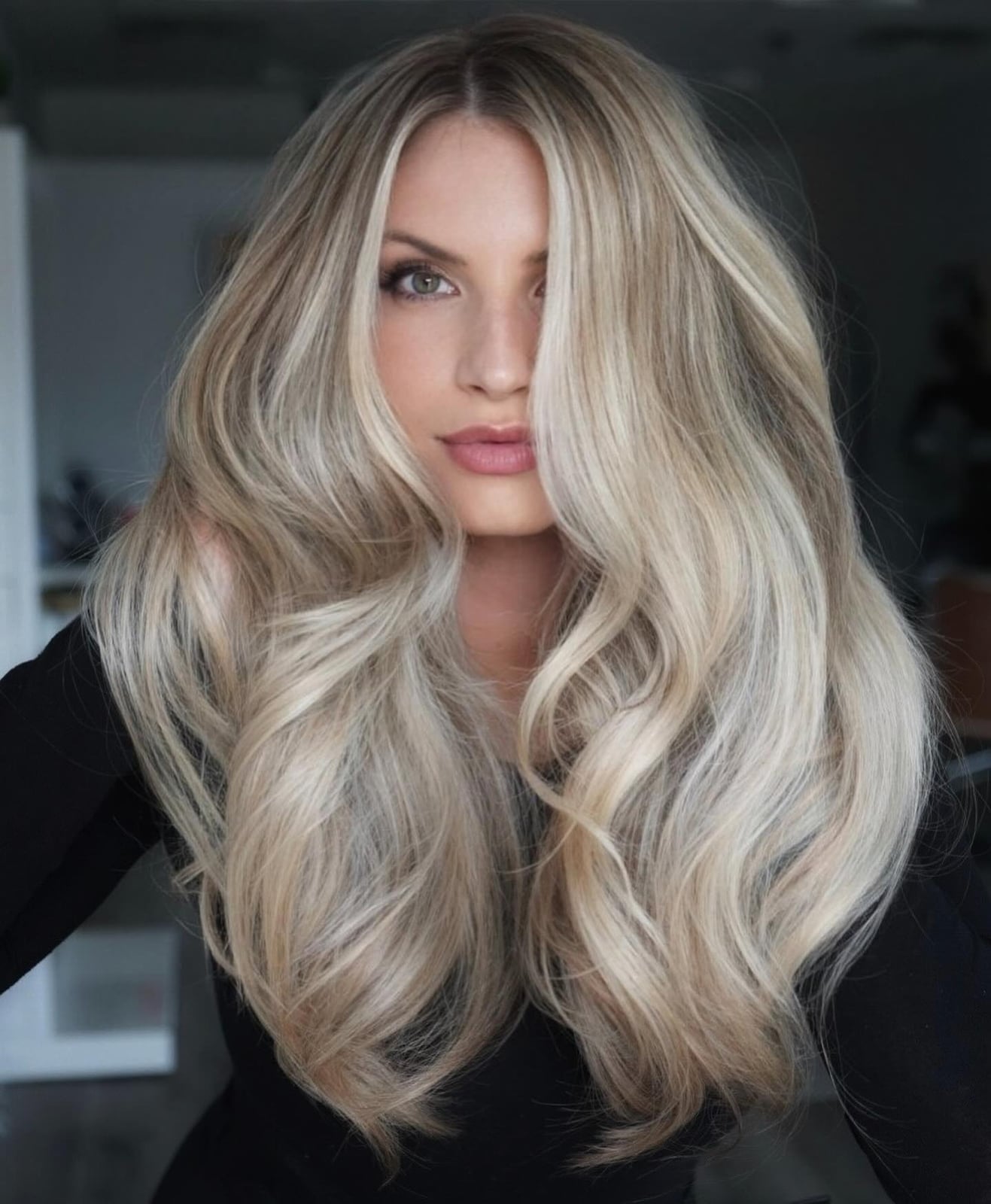
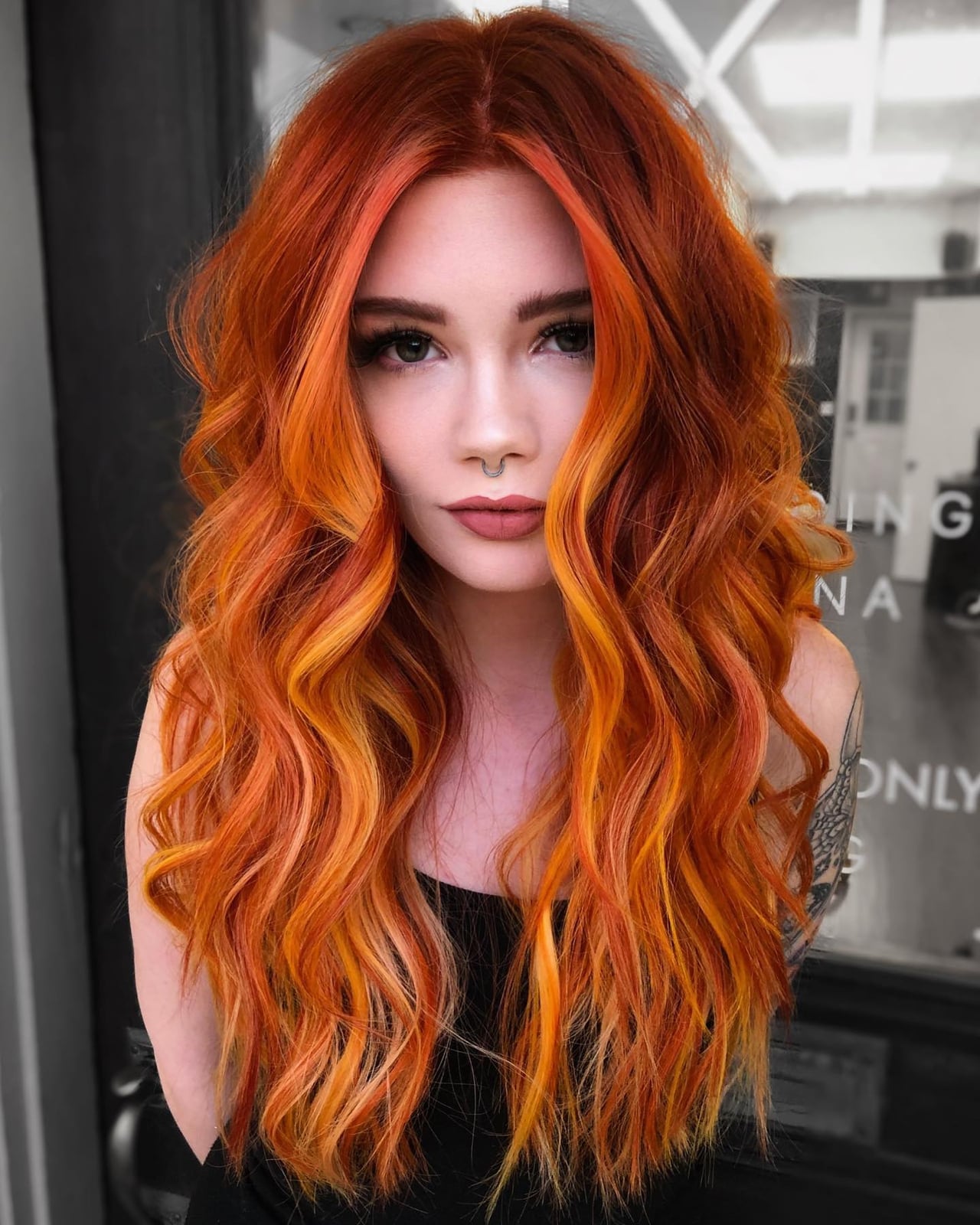
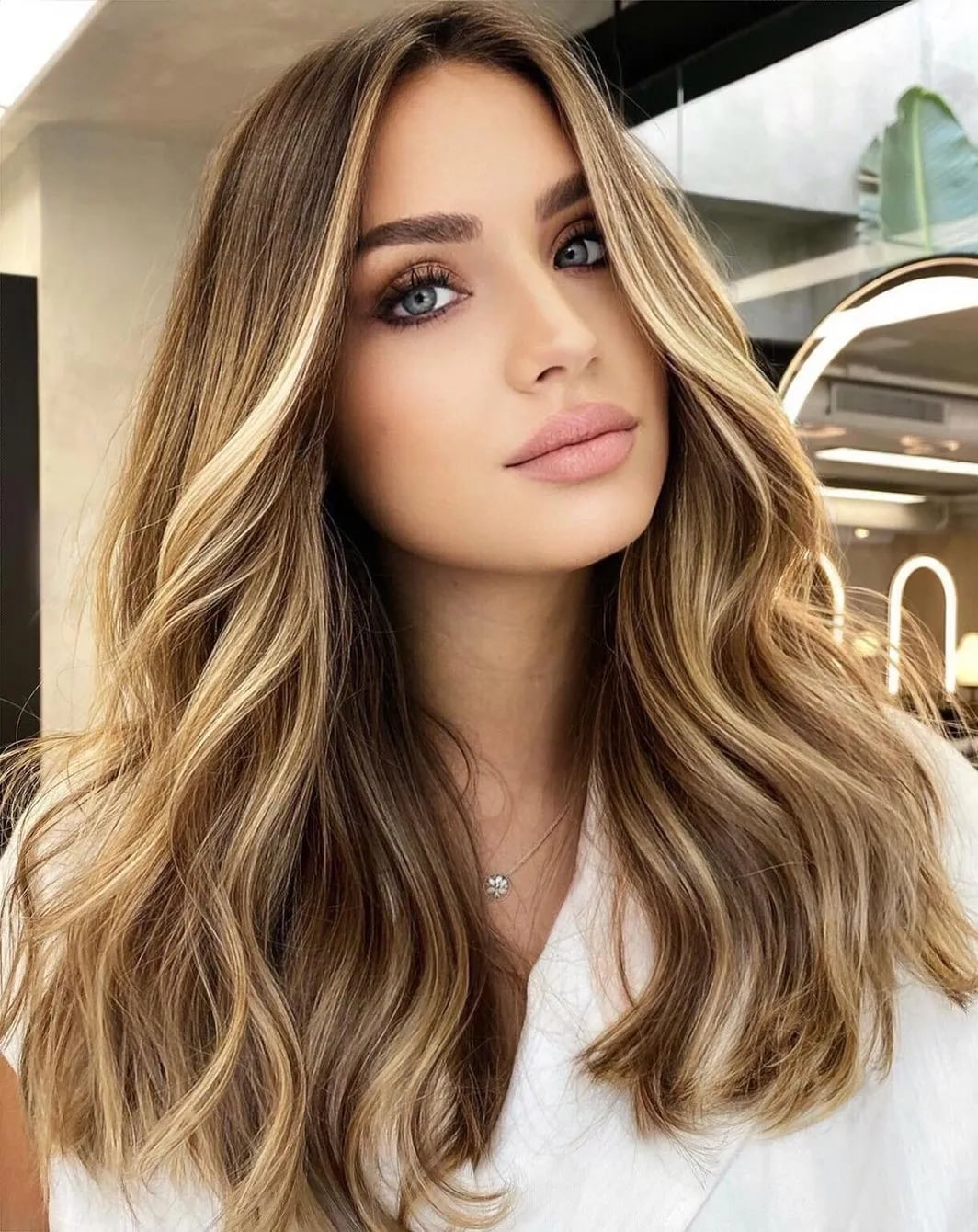
Honey blonde balayage is a hand-painted highlight technique that deposits warm, golden tones through the mid-lengths and ends, leaving the root area darker for a sun-bleached effect. The trend has shifted toward softer, more lived-in color that grows out gracefully, making it a practical choice for anyone who wants dimension without a strict salon schedule.
This collection of 33 Trendy Honey Blonde Balayage ideas covers everything from mid-back waves to collarbone bobs, on textures ranging from straight to coily. Each look is chosen for its real-world wearability: no chunky stripes, no harsh regrowth lines, no fringe that refuses to cooperate. You will find options for fine hair that needs volume, thick hair that needs blending, and every density in between.
Mid-Back Wavy Hair With Honey Blonde Balayage
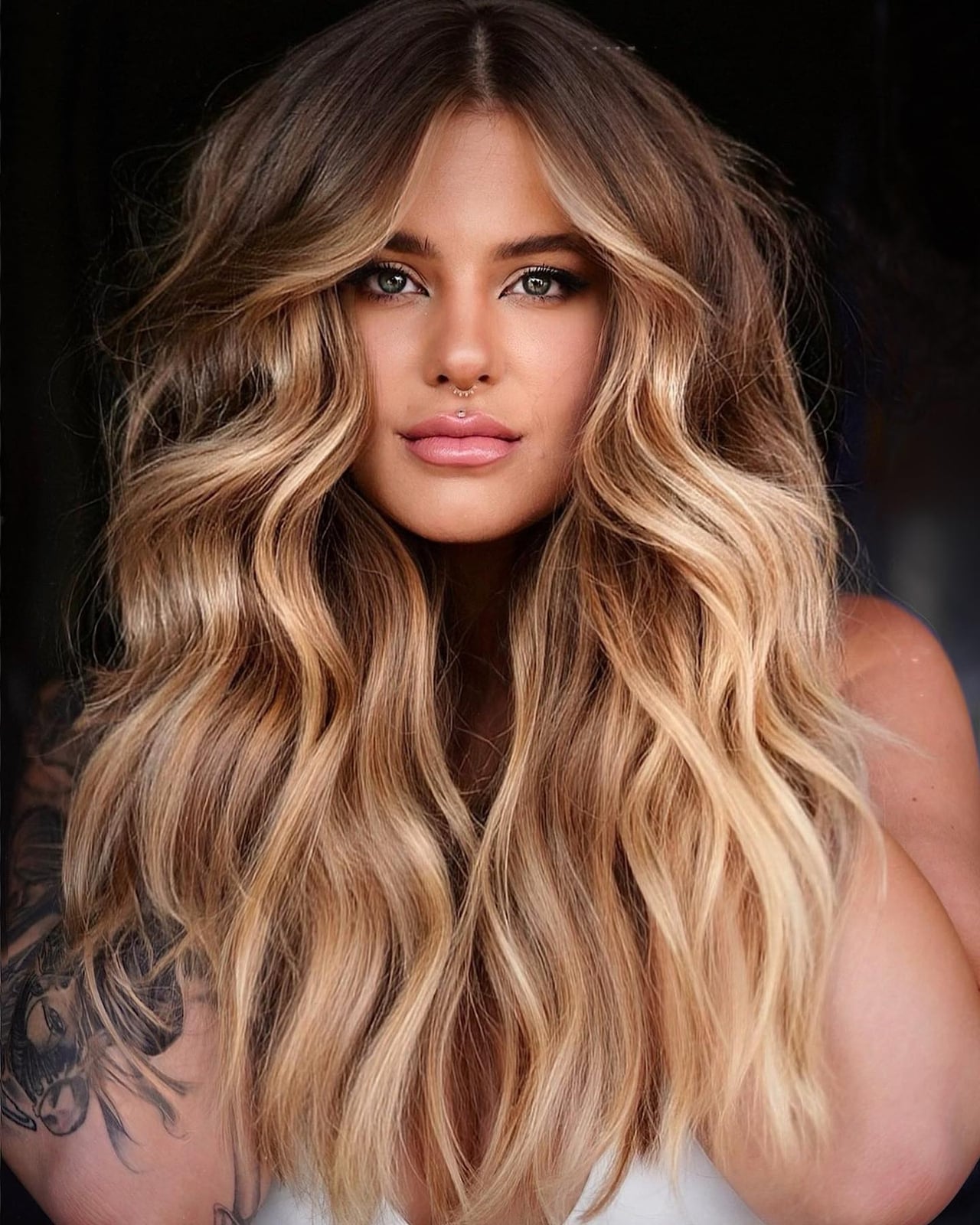
Long, thick, wavy hair with a middle parting gets a soft lift from honey blonde balayage, where lighter tones melt into a warm honey base rather than landing in stripes. The face-framing layers and curtain bangs are cut to blend with the waves, not fight them. This works best on thick, wavy hair that hits mid-back or longer; the layers and bangs also soften round and oval faces. Ask your colorist for: mid-back honey blonde balayage with soft layers and curtain bangs. A large barrel curling iron enhances the loose wave pattern, and the face-framing layers need a trim every six to eight weeks to keep their shape.
Thick Wavy Mid-Back Hair With Soft Balayage
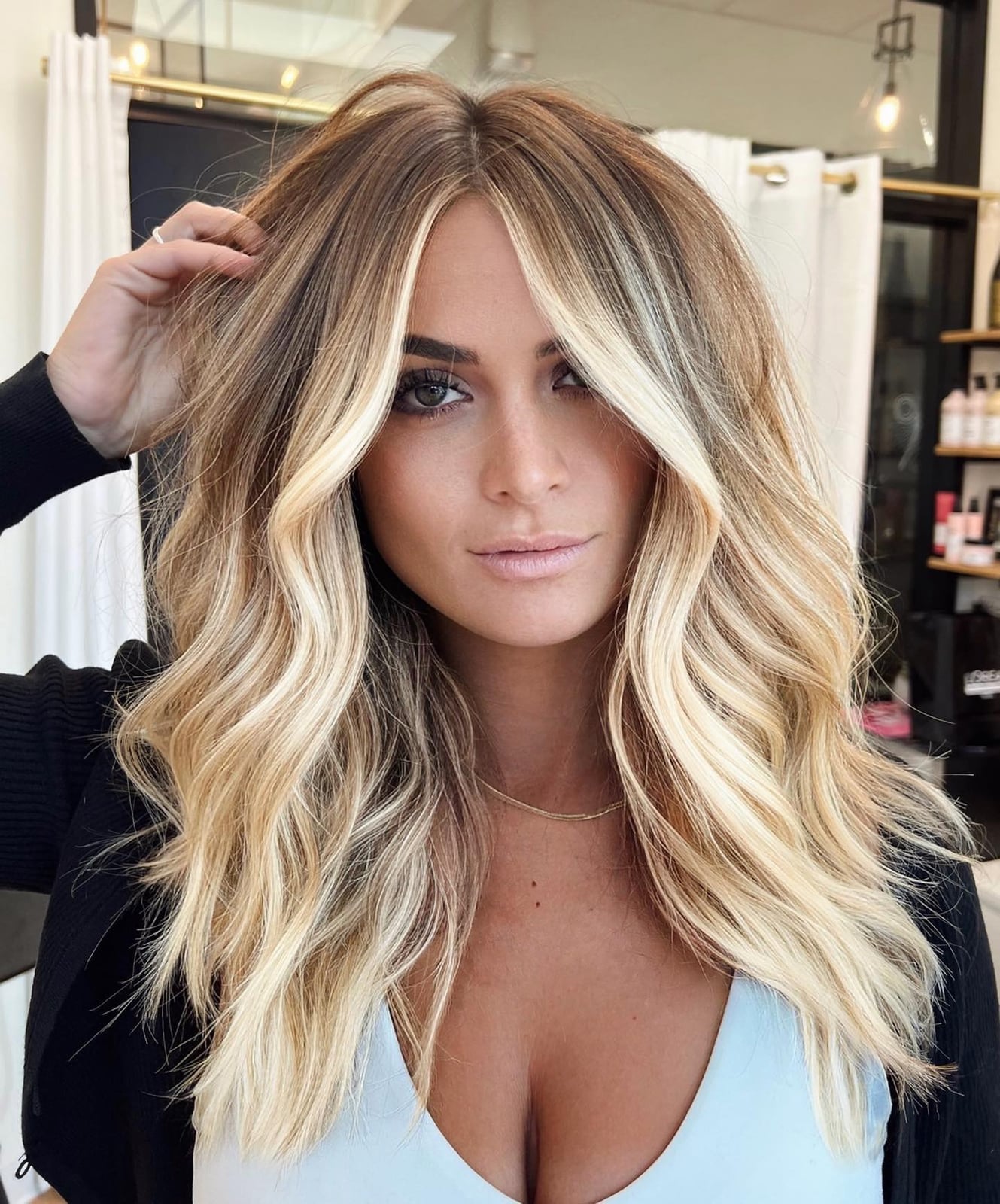
This is not the high-contrast, chunky highlight situation you might associate with balayage. The honey blonde tones here are painted close to the base shade, so the grow-out is gradual and the overall effect reads as naturally sun-lightened rather than salon-bright. Thick, wavy hair of mid-back length is the ideal canvas, and the soft transition is especially good at taking the edge off angular jawlines. Ask your colorist for: honey blonde balayage on thick wavy hair, mid-back length. A sea salt spray encourages the natural wave pattern without weighing down the color.
Long Hair With Prominent Curtain Bangs Honey Blonde
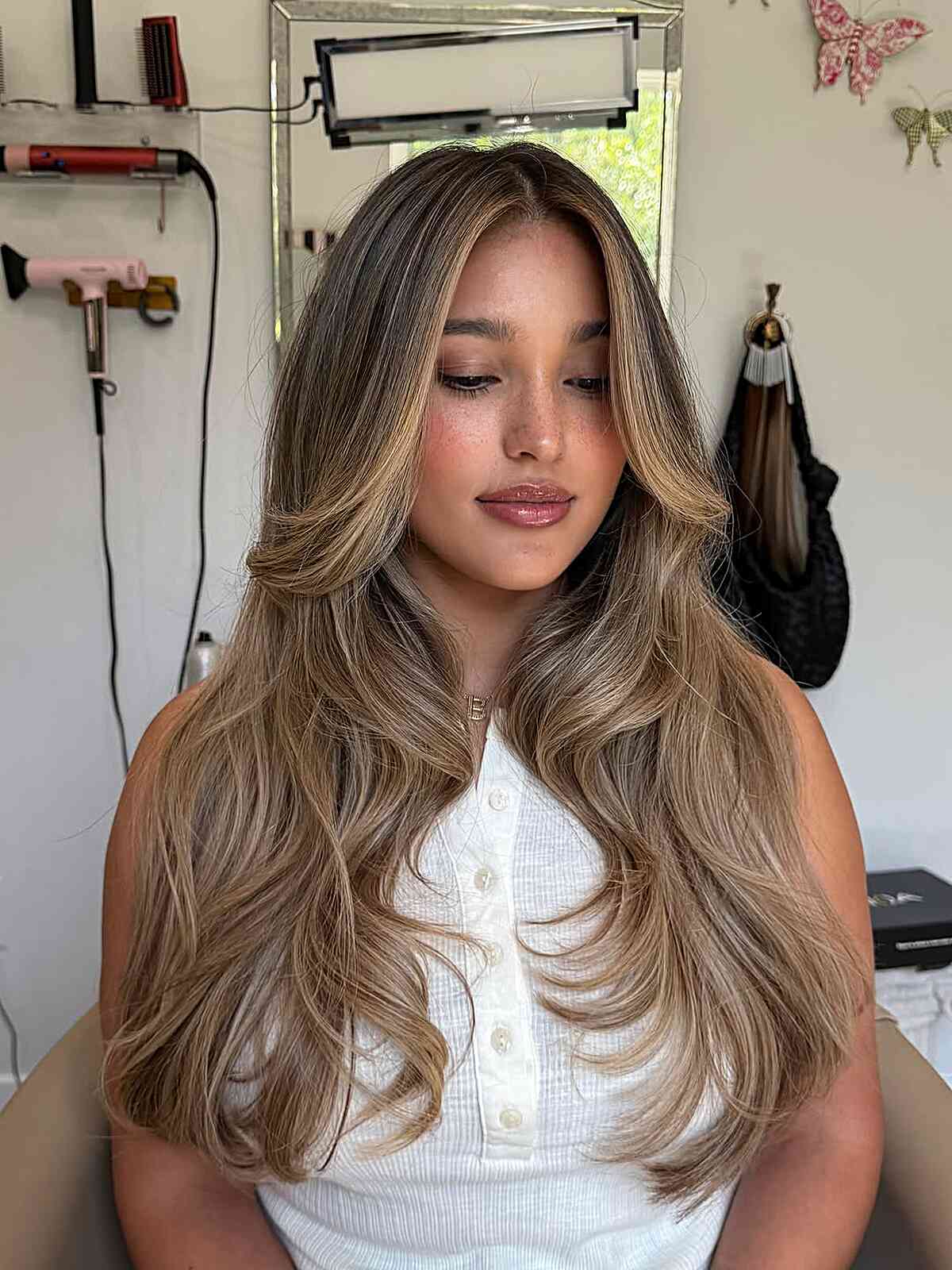
Curtain bangs blend into the rest of the hair when the face-framing pieces are cut to match the longest length, not chopped abruptly at the cheekbone. Here, the honey blonde balayage runs through both the bangs and the body of the hair, so the color reads as one continuous application. This works for long hair of any thickness, though the curtain bangs are particularly flattering on oval and heart-shaped faces. Ask your colorist for: long hair, honey blonde balayage, prominent curtain bangs. A round brush and a blow-dryer aimed forward keep the bangs from falling flat.
- Ask your colorist for: long honey blonde balayage with curtain bangs that blend into the layers.
- The middle parting keeps the bangs symmetrical and the face-framing pieces even.
Mid-Back Balayage With Soft Curtain Bangs
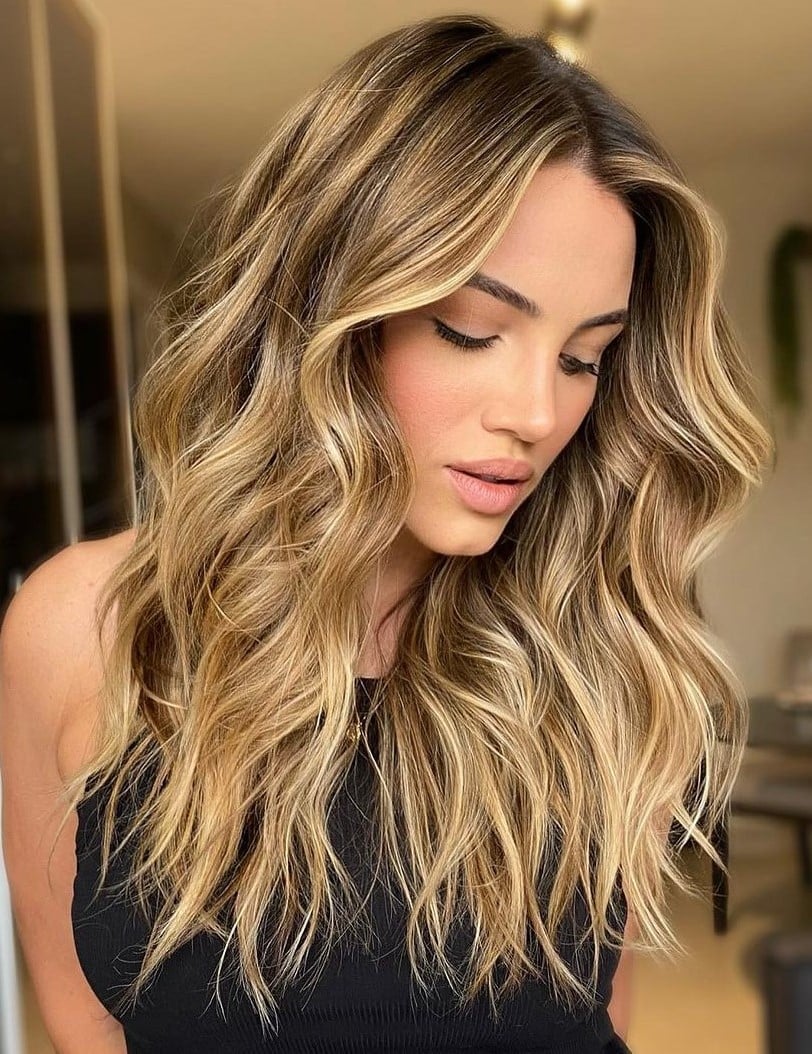
A honey blonde balayage is built by hand-painting lighter strands onto a warmer base, skipping the foil and the harsh root line that comes with traditional highlights. The result here is a weave of blonde through mid-back length waves, with soft curtain bangs that catch just enough light to frame the face without demanding a separate styling routine. This technique works on thick, wavy hair, and the bangs add softness to square or round face shapes. Ask your colorist for: mid-back honey blonde balayage with curtain bangs and layers. A large barrel brush during blow-drying gives the waves volume at the crown, and dry shampoo at the roots adds lift between washes.
Collarbone Length Honey Blonde With Face-Framing Layers
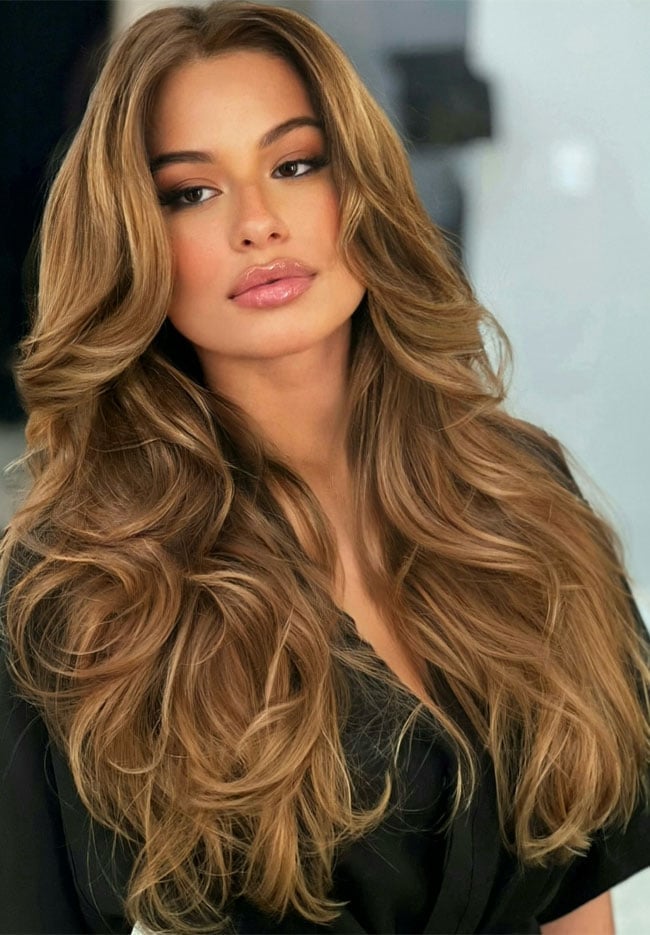
Face-framing layers at collarbone length need a trim every six to eight weeks, no exceptions. Let them grow past the shoulder and the whole shape sags. The honey blonde balayage here keeps the color low-maintenance: the warm base grows out naturally, and the lighter pieces stay concentrated around the face and ends. This length suits thick, wavy hair, and the layers complement oval and heart-shaped faces by adding movement without losing density. Ask your colorist for: collarbone length honey blonde balayage with face-framing layers. A volumizing mousse at the roots before blow-drying gives the shape its lift.
Collarbone Balayage With Wavy Blowout
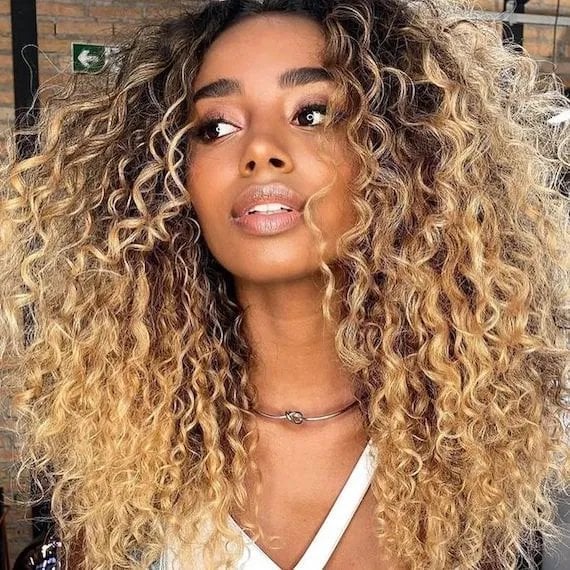
The blowout here depends on voluminous waves that land just below the collarbone, with curtain bangs swept to either side of a middle parting. The honey blonde balayage offers a polished finish that works for brunch or a day at the office. Thick, wavy texture is what gives this shape its staying power. Ask your colorist for: collarbone honey blonde balayage, curtain bangs. Curtain bangs soften a square jawline, and the layers around the face keep the weight from feeling bottom-heavy.
Collarbone Bob Honey Blonde Balayage
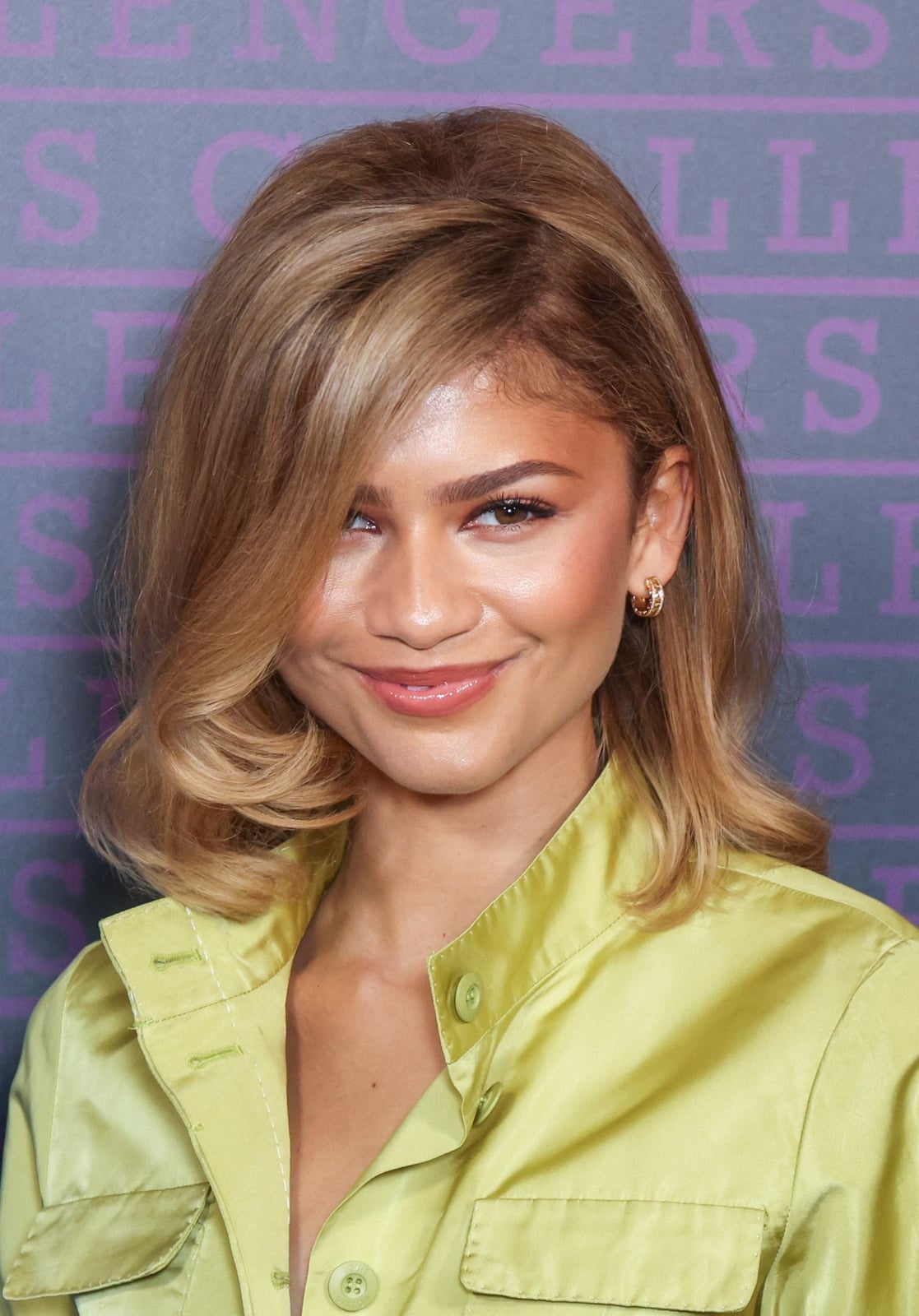
Can fine, wavy hair pull off a bob with curtain bangs? It can, provided the cut hits the collarbone exactly and the balayage is painted with a light hand. The honey blonde tones add dimension without weighing down the fine texture, and the middle part keeps the curtain bangs symmetrical. This is a salon-only color: the balayage needs a skilled hand to avoid banding on a shorter canvas. Ask your colorist for: collarbone bob, honey blonde balayage, curtain bangs. The bob line needs a trim every six to eight weeks, and a texturizing spray at the ends keeps the waves defined.
Mid-Back Wavy Hair With Rich Honey Blonde Tones
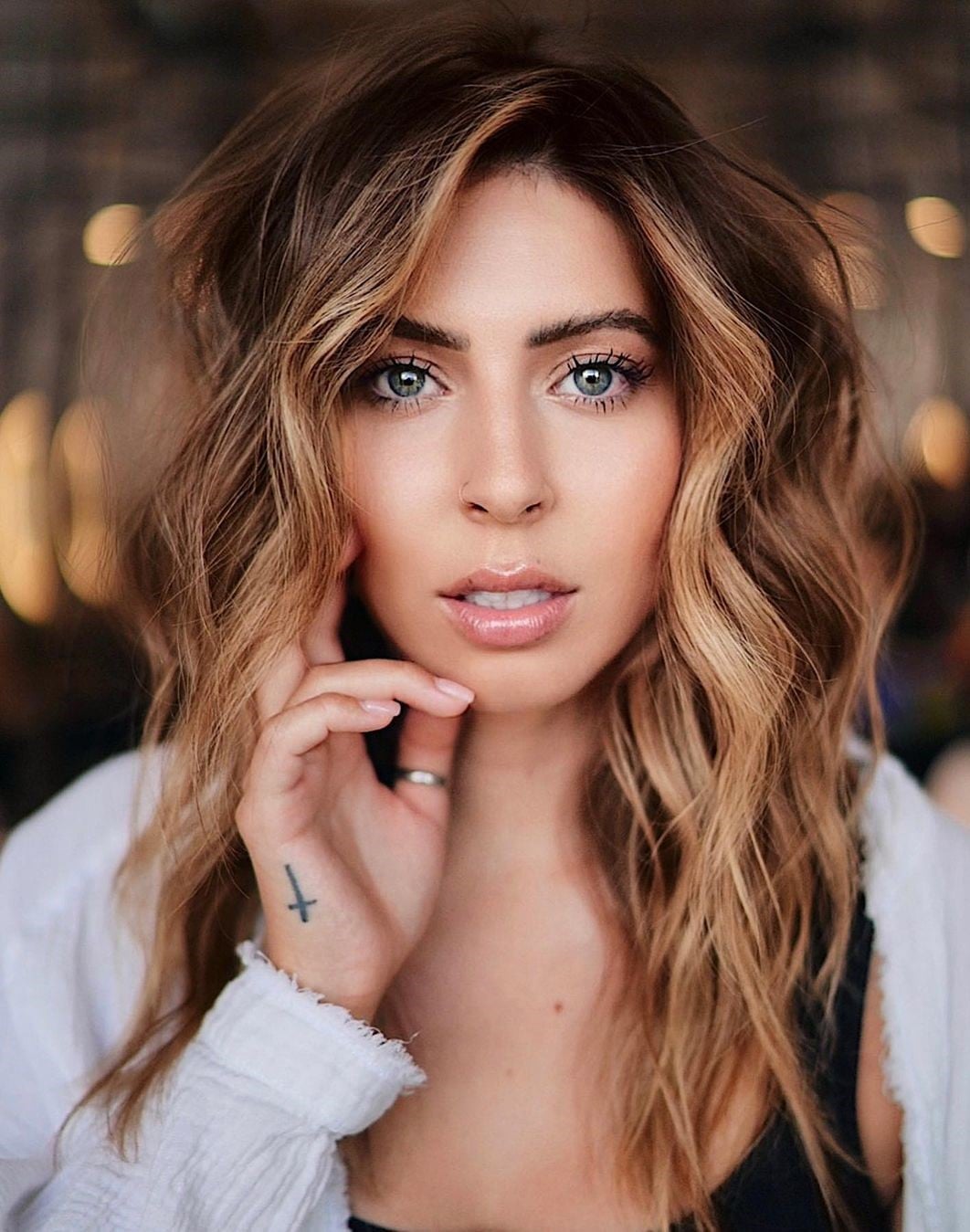
Mid-back length, thick waves and a rich honey blonde balayage: the combination is as straightforward as it is effective. The lighter blonde highlights are painted from mid-lengths through ends, leaving the root area deeper for a lived-in grow-out. The honest drawback is that richer tones fade faster than softer ones; expect a toning gloss every four weeks if you want the warmth to stay this vibrant. Ask your colorist for: mid-back length, rich honey blonde balayage, no bangs. A middle part elongates round faces, and the natural wave pattern does the styling for you with a smoothing cream.
Collarbone Length Balayage With Soft Highlights
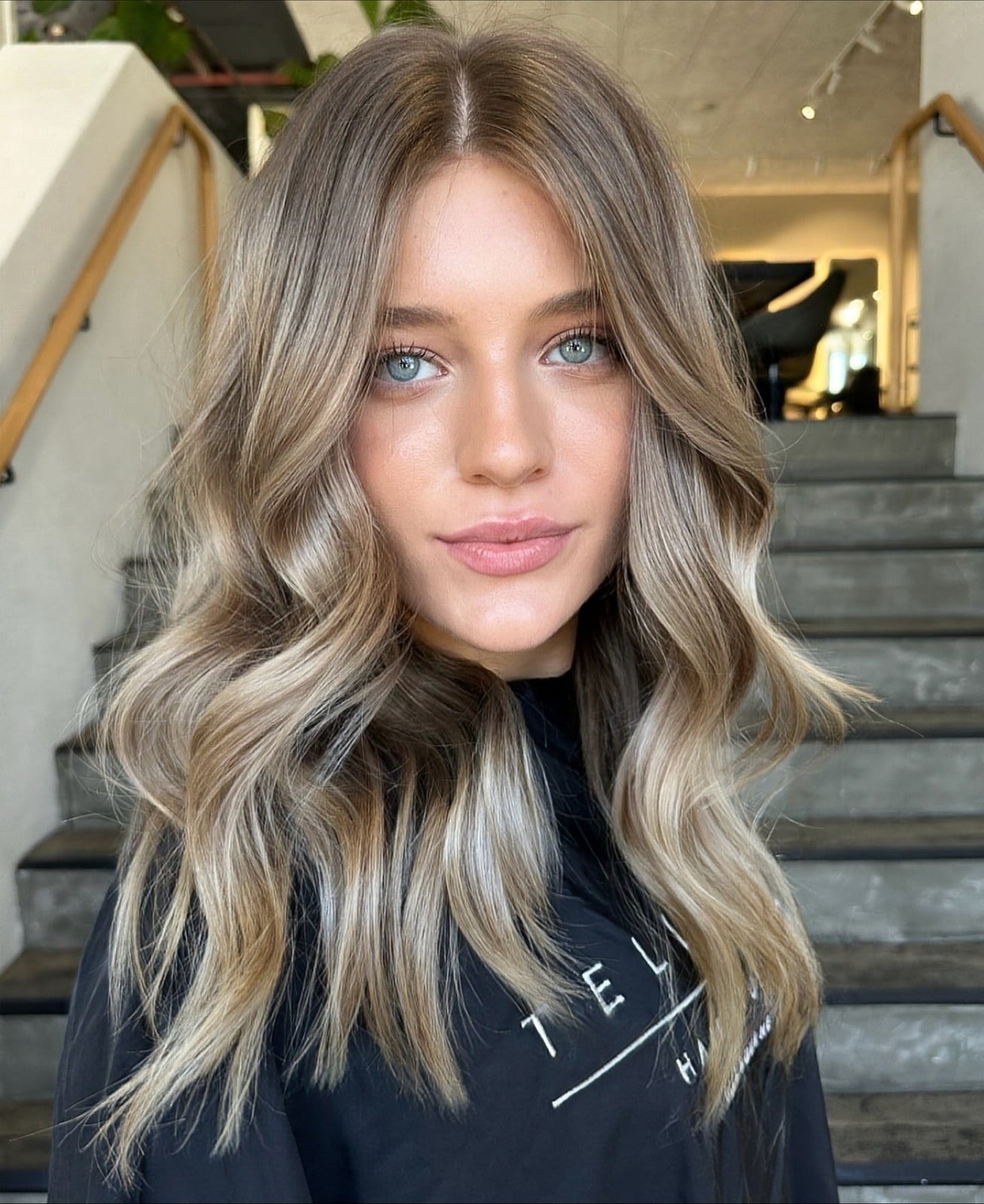
The honey blonde pieces are blended so softly that the line between base and highlight disappears, and the loose waves catch the lighter strands at different angles. Medium density hair at collarbone length is the sweet spot: enough surface for the color to read, not so much that it tangles. Ask your colorist for: collarbone length balayage with soft honey blonde highlights. A trim every six to eight weeks keeps the shape, and a texturizing spray adds the lived-in separation you see here.
Mid-Back Waves With Glossy Honey Blonde Balayage
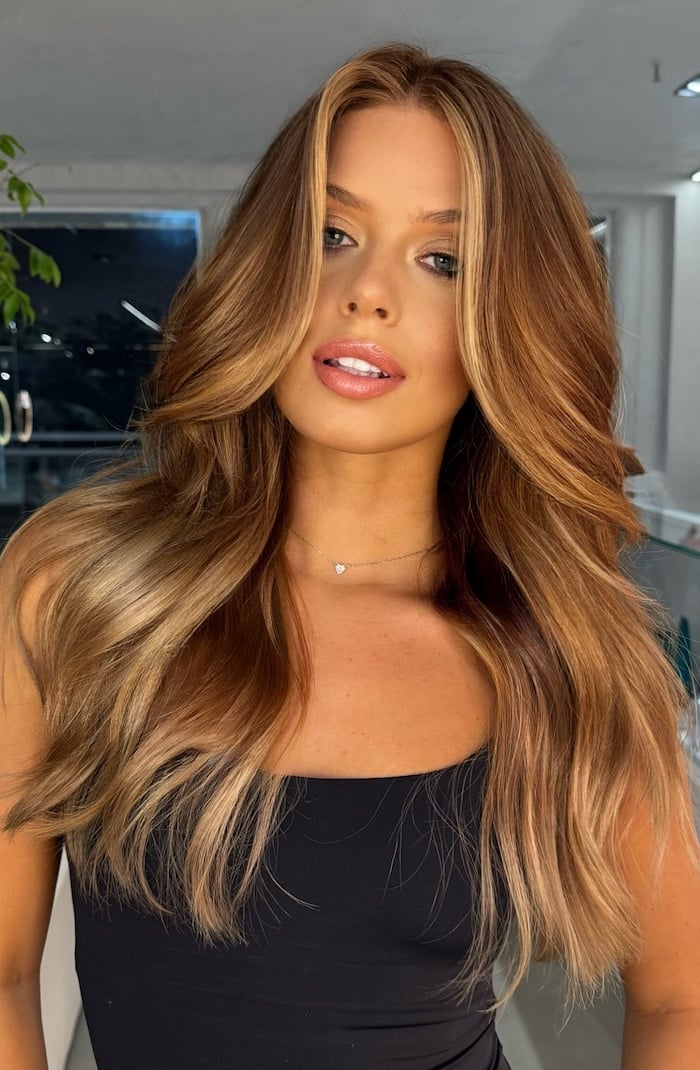
The glossy finish is the point. Voluminous waves, a blowout that holds for two days, and a honey blonde balayage that looks expensive because of the shine. Lighter blonde tones are woven through the mid-back length while curtain bangs frame the face without committing to full fringe territory. Thick, wavy texture supports the volume; finer hair would need extra product at the roots. Ask your colorist for: mid-back honey blonde balayage, voluminous waves, curtain bangs. A shine serum patted onto dry sections maintains the gloss between salon appointments.
Shoulder Length Balayage With Side Part
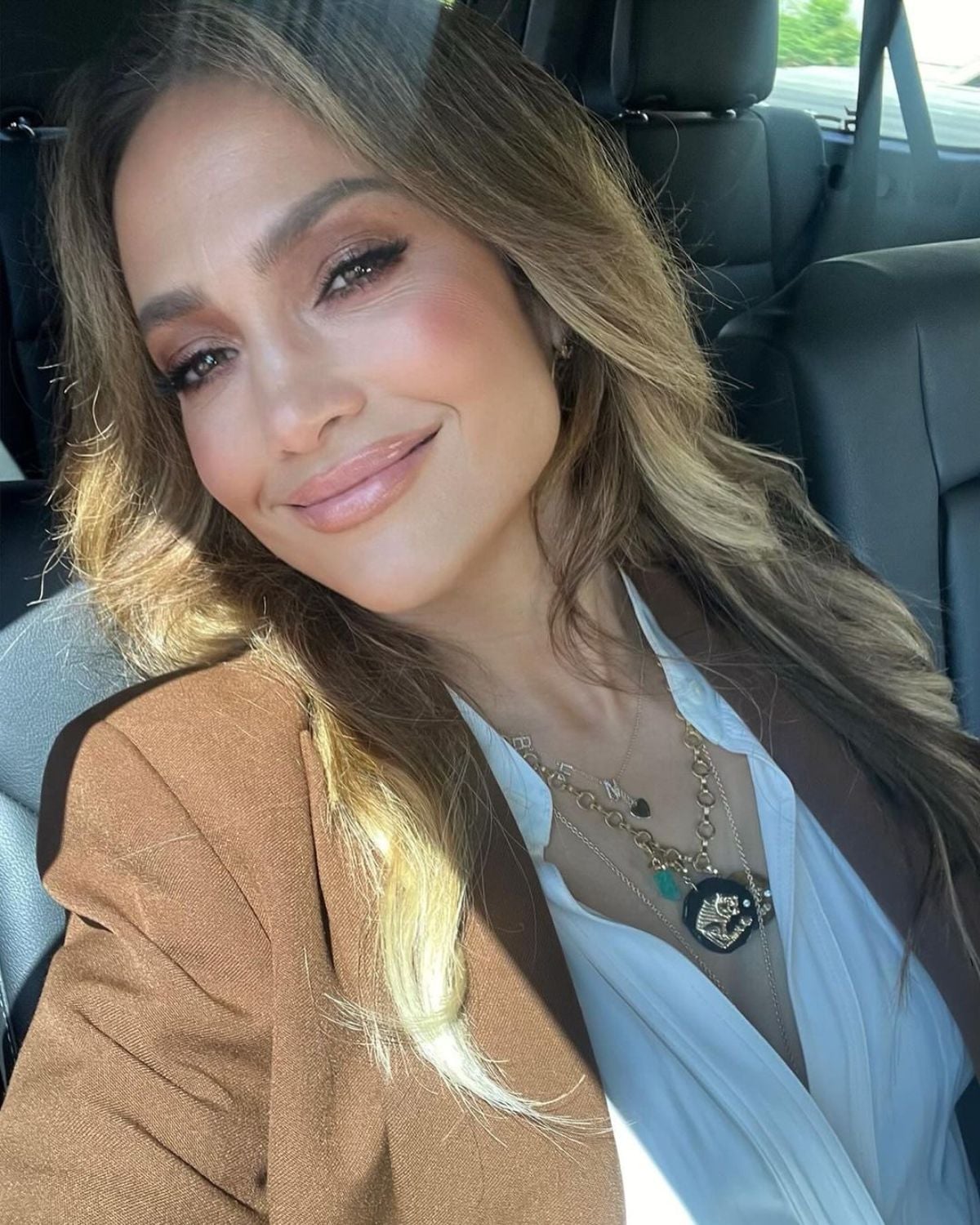
Wondering if a side part works with a balayage as well as a middle one does? It does, and on shoulder-length wavy hair, the diagonal sweep lets the lighter blonde pieces catch light from a different angle than a center part would. The honey base keeps things warm, while the balayage highlights concentrate toward the ends for a graduated lift. Medium density hair gets a volume boost from the asymmetry, and the loose waves hold that shape without much fuss. Ask your colorist for: shoulder length balayage with a side part, no bangs. A texturizing spray or sea salt spray enhances the wave pattern; a trim every six to eight weeks keeps the ends clean.
Mid-Back Peach Honey Blonde Balayage
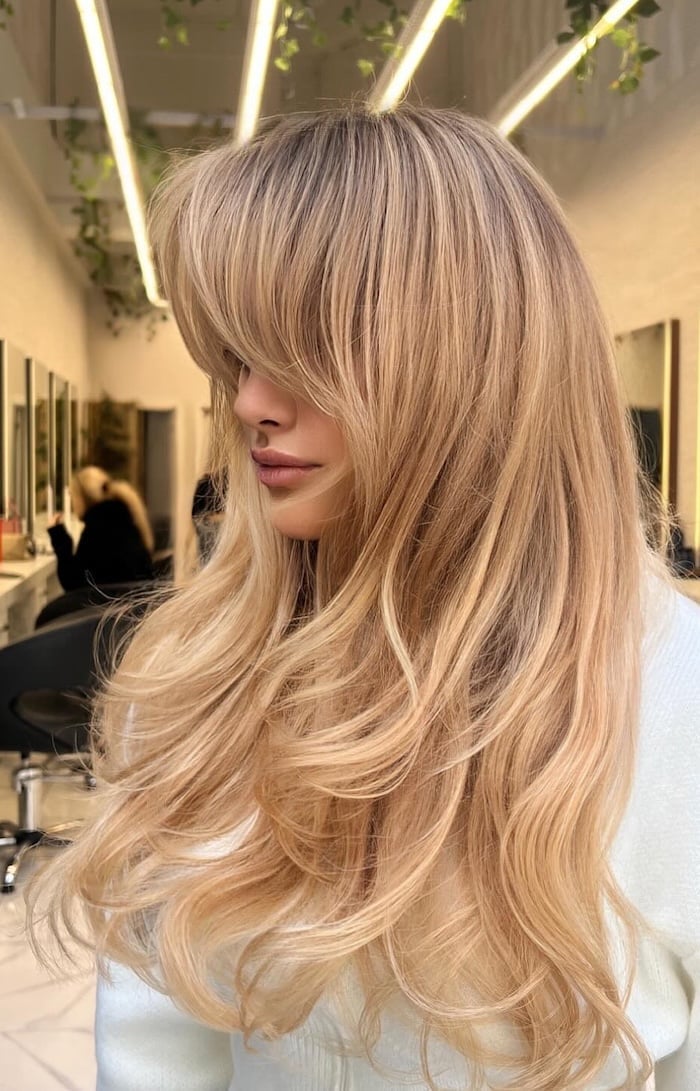
Peach honey blonde balayage works its magic by layering a whisper of rosy warmth over the usual honey base, and the result lands somewhere between sun-warmed and intentionally blushed. The curtain bangs frame the face without shortening the overall length, and the soft waves keep the peachy tone from reading as too sweet. This shade really comes into its own during spring, but it also cuts through the gray of late autumn. Ask your colorist for: mid-back peach honey blonde balayage with curtain bangs. A color-depositing conditioner in a peachy tint helps the tone stay distinct between salon visits. A trim every six to eight weeks preserves the curtain bang shape.
Dark Brown Base With Honey Blonde Balayage
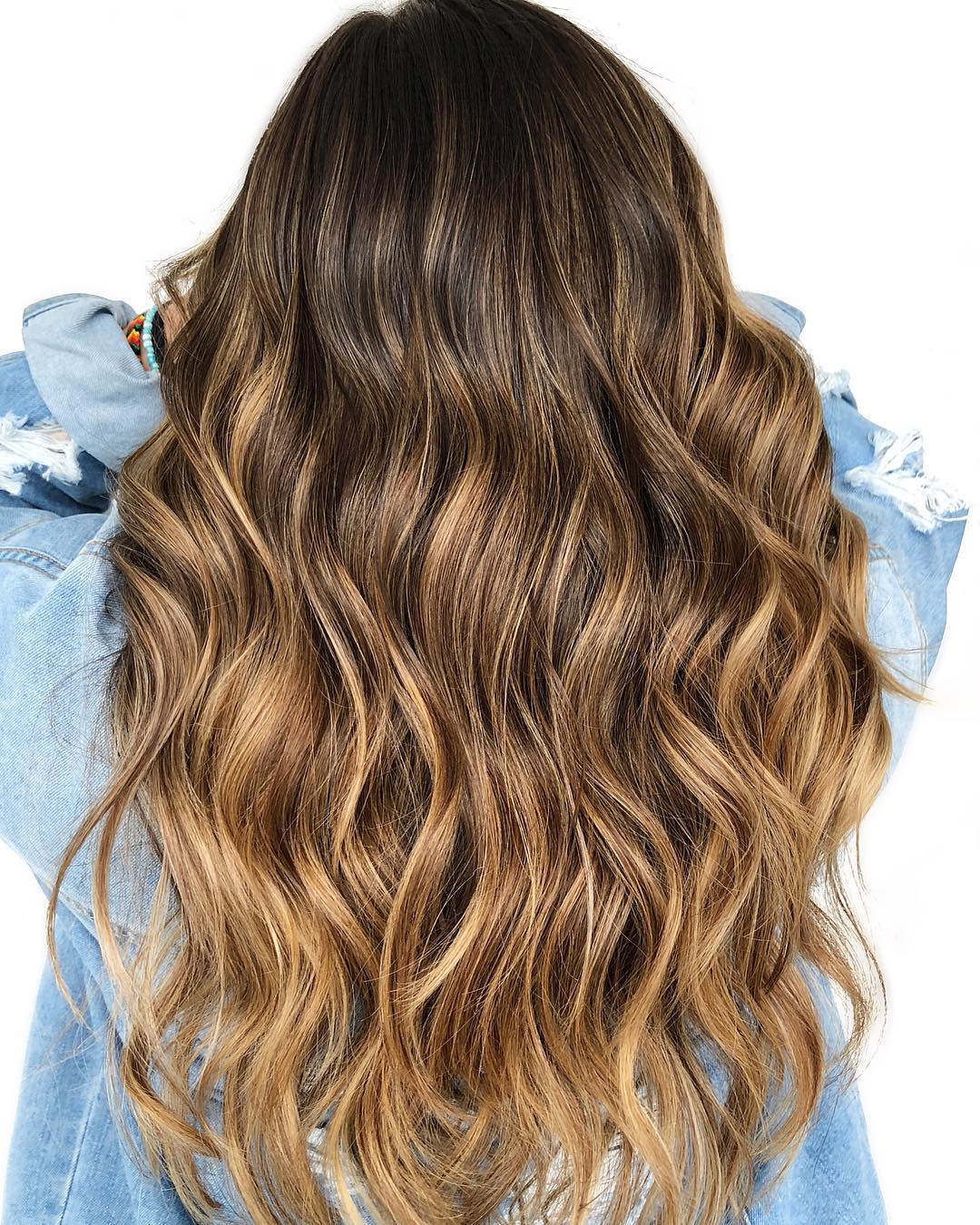
When the base is dark brown, the honey blonde balayage has to work harder to show up, and the payoff is a contrast that looks deliberate, not faded. The lighter pieces are painted on in soft ribbons, starting a few inches from the roots so the dark base stays dominant at the crown. From the back, the warmth fans out through the mid-lengths and ends, giving thick wavy hair movement that a single-process color can’t deliver.
Root grow-out is less of an issue here because the dark base matches the natural regrowth, so you can stretch toning appointments to every ten to twelve weeks. Ask your colorist for: dark brown base with honey blonde balayage, mid-back length. A sulfate-free shampoo preserves both the dark base and the blonde; a deep conditioner once a week keeps the wavy texture from drying out.
Shoulder Length Balayage With Glossy Finish
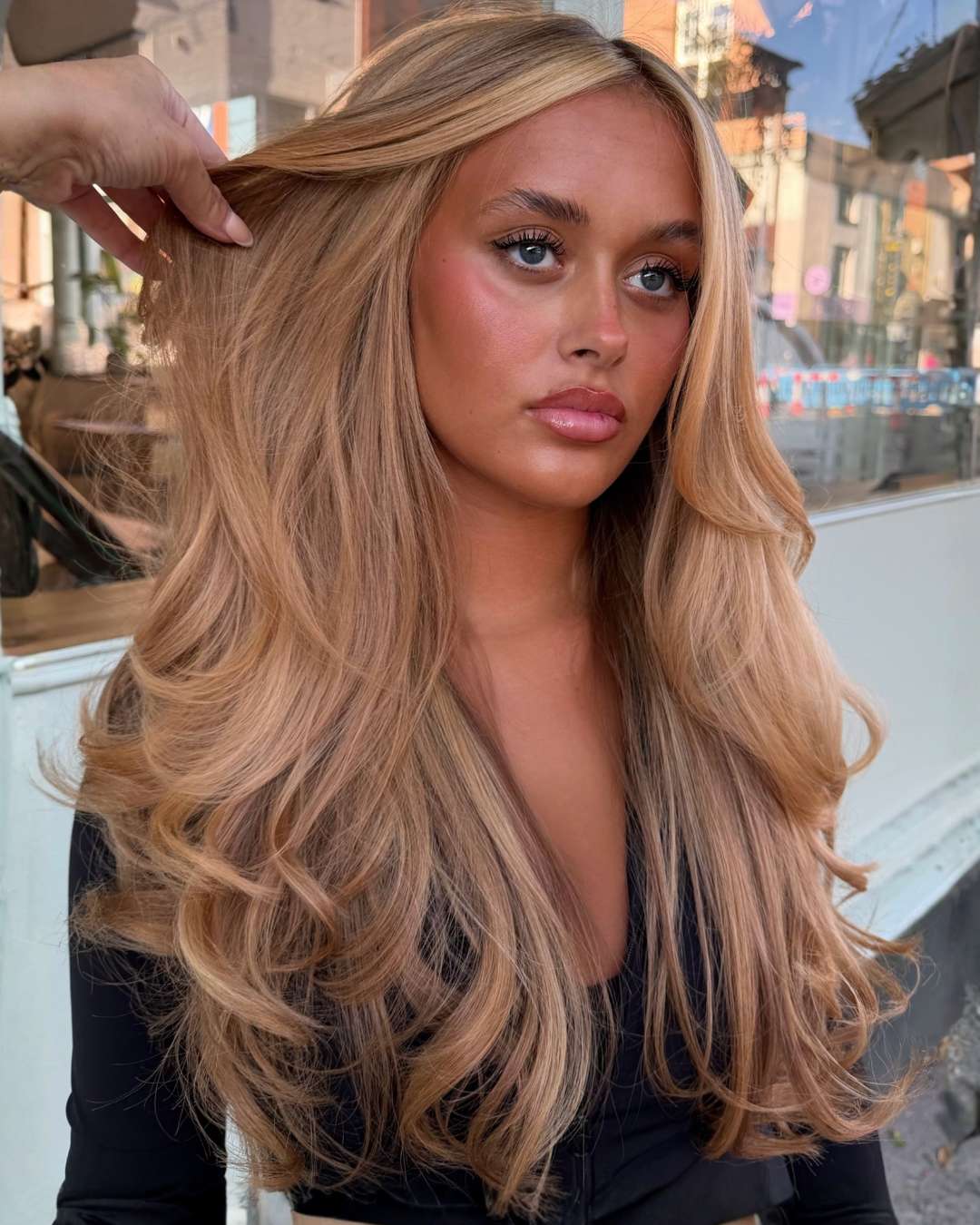
A glossy finish on a honey blonde balayage makes the lighter pieces read like liquid gold, while a matte finish would let the same color sit flatter against the skin. The voluminous blowout here amplifies that shine, with the curtain bangs softening the face and the middle part keeping the look symmetrical. The drawback is that a glossy finish shows every bit of brassiness sooner, so a toning appointment every four to six weeks is the standard rhythm. Ask your colorist for: shoulder length honey blonde balayage with curtain bangs. A shine spray before blow-drying with a round brush locks in the gloss without weighing down thick wavy hair.
Mid-Back Balayage With Warm Blonde Tones
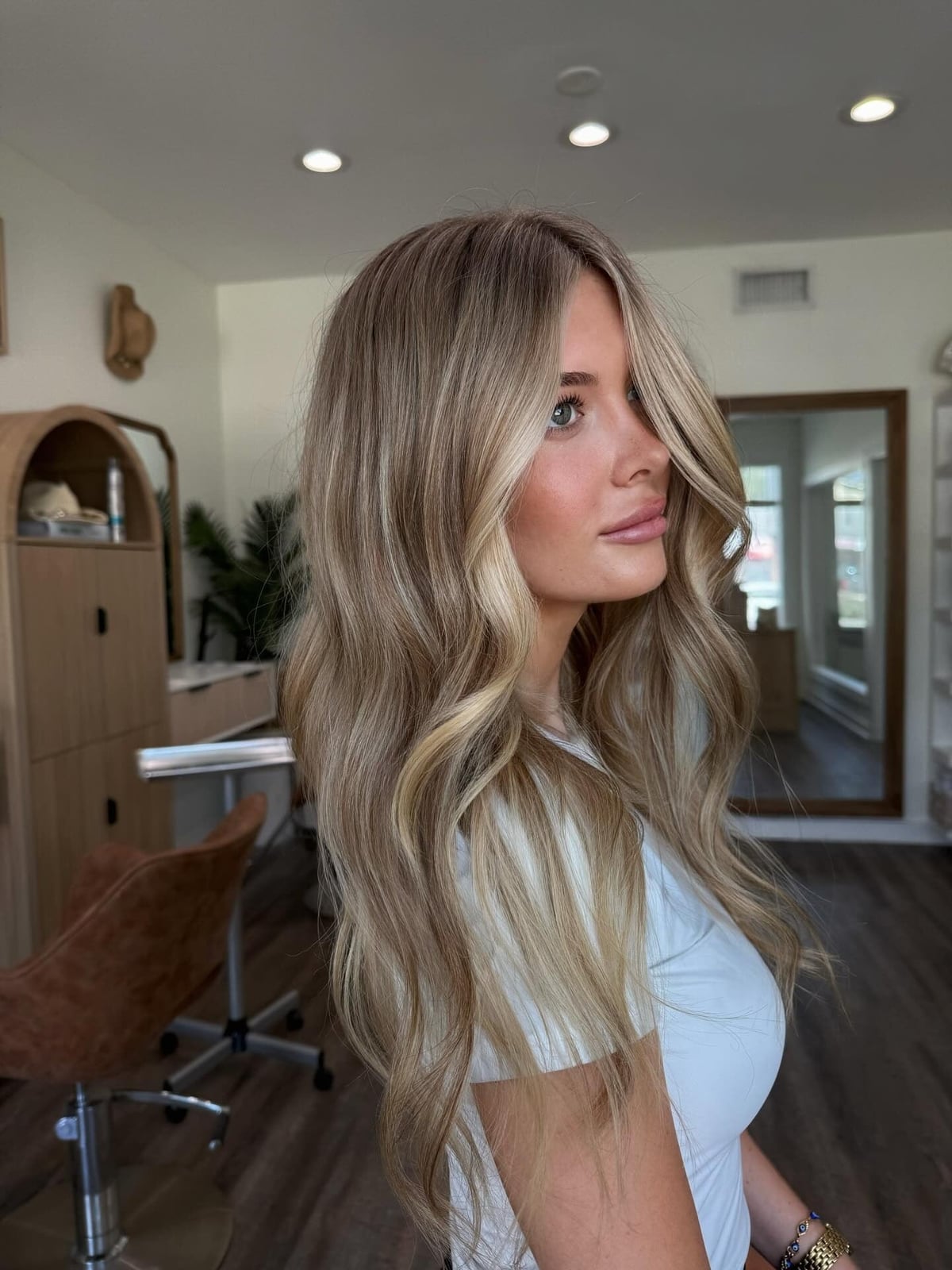
From the side, a honey blonde balayage reveals its true architecture: the warm tones are painted in asymmetrical ribbons, not uniform foils, so the color moves with the hair rather than sitting on top of it. The middle part and soft waves let those ribbons fall naturally, and the thick texture absorbs the color without looking overloaded. The technique relies on hand-painting the lighter pieces closer to the face and sparser at the back, which creates depth without requiring a full head of highlights. Ask your colorist for: mid-back length balayage with warm honey blonde tones. Air-drying with a smoothing cream preserves the natural wave pattern; a trim every eight to ten weeks keeps the ends healthy without sacrificing length.
Ash Blonde Base With Honey Highlights
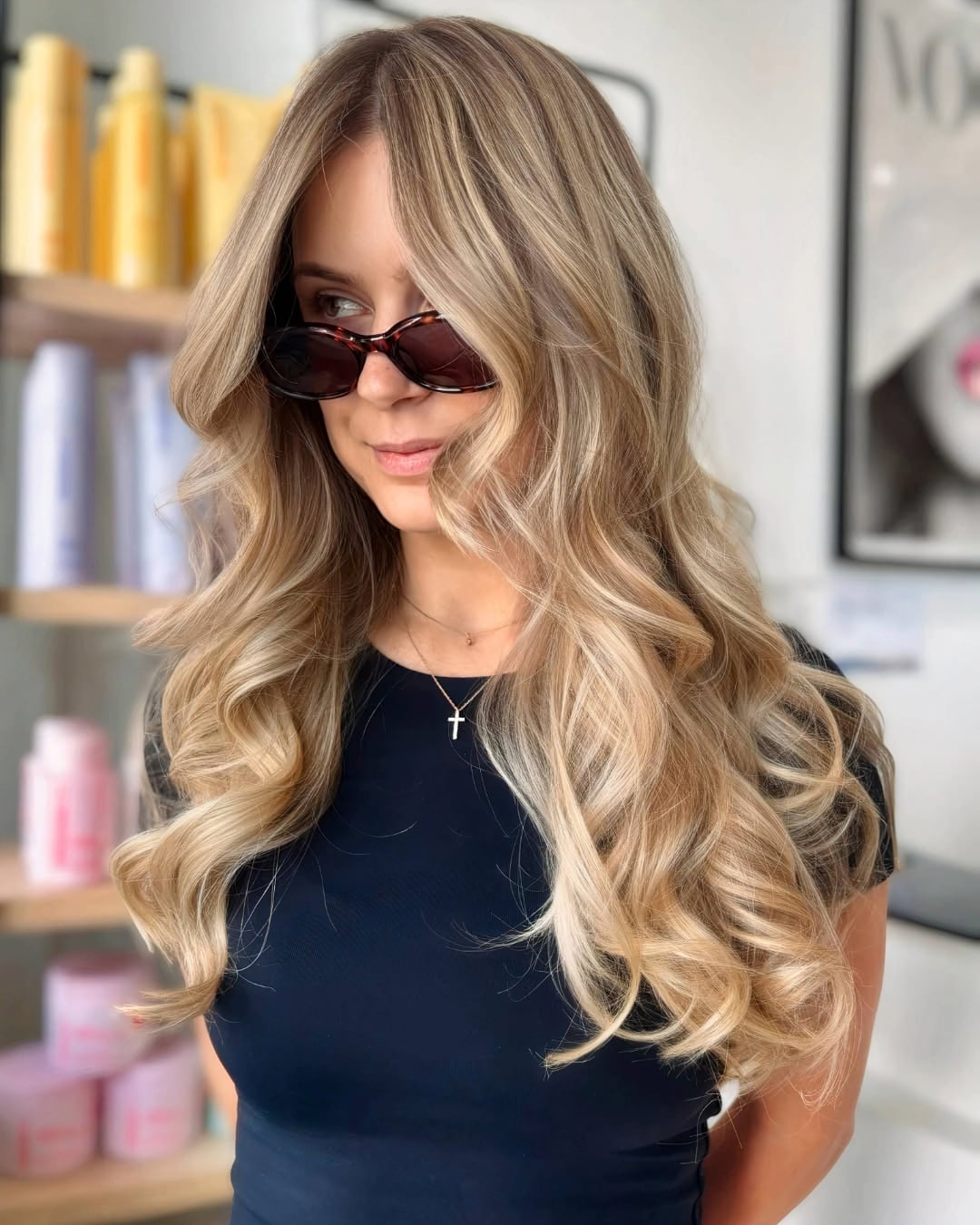
Wondering if an ash blonde base can still pull off warm honey tones? It can, and this mid-back balayage proves the point. The cool ash base grounds the look, while honey blonde highlights add dimension without veering brassy. Thick wavy texture gives the face-framing layers and curtain bangs enough weight to hold their shape. Ask your colorist for: ash blonde base with honey blonde balayage, curtain bangs. A purple shampoo used once a week keeps the ash side clean and the honey side golden.
Mid-Back Air-Dried Honey Blonde Balayage, Close-Up Take
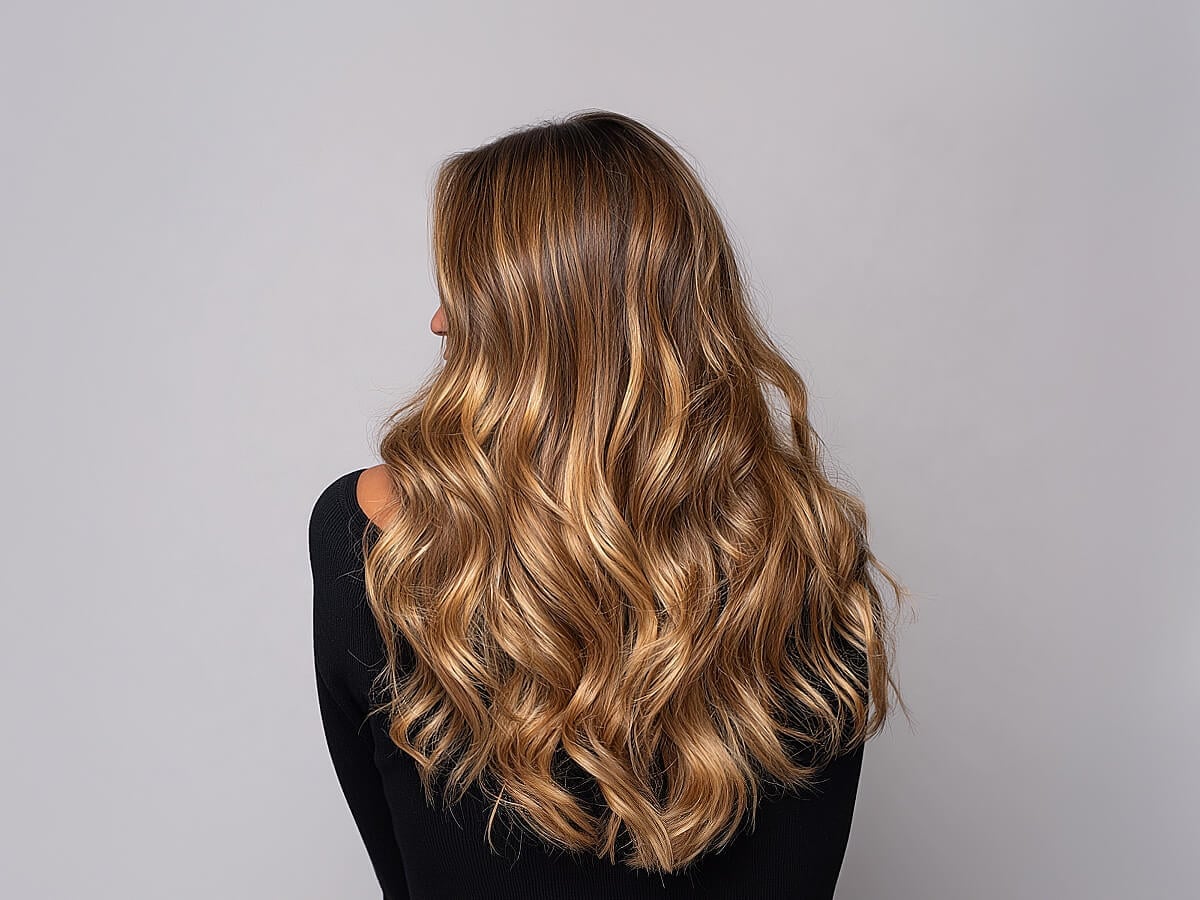
The back view tells you everything: the balayage is painted so the lighter honey tones sink into the warmer base without a hard line anywhere. Air-dried mid-back length hair with thick wavy texture shows off that seamless blend better than a blowout ever could, because the natural wave breaks up the color in unpredictable ways. This is for thick, wavy hair that can handle skipping the heat tools.
Ask your colorist for: mid-back honey blonde balayage with an air-dried finish. Hand-painted ribbons start low, leaving the root area darker so the grow-out is forgiving. Scrunch for texture while it dries, then leave it alone. A trim every eight to ten weeks keeps the ends healthy, and the color needs a toning appointment every ten to twelve weeks to keep the honey tones from pulling too warm.
Long Wavy Hair With Glossy Balayage
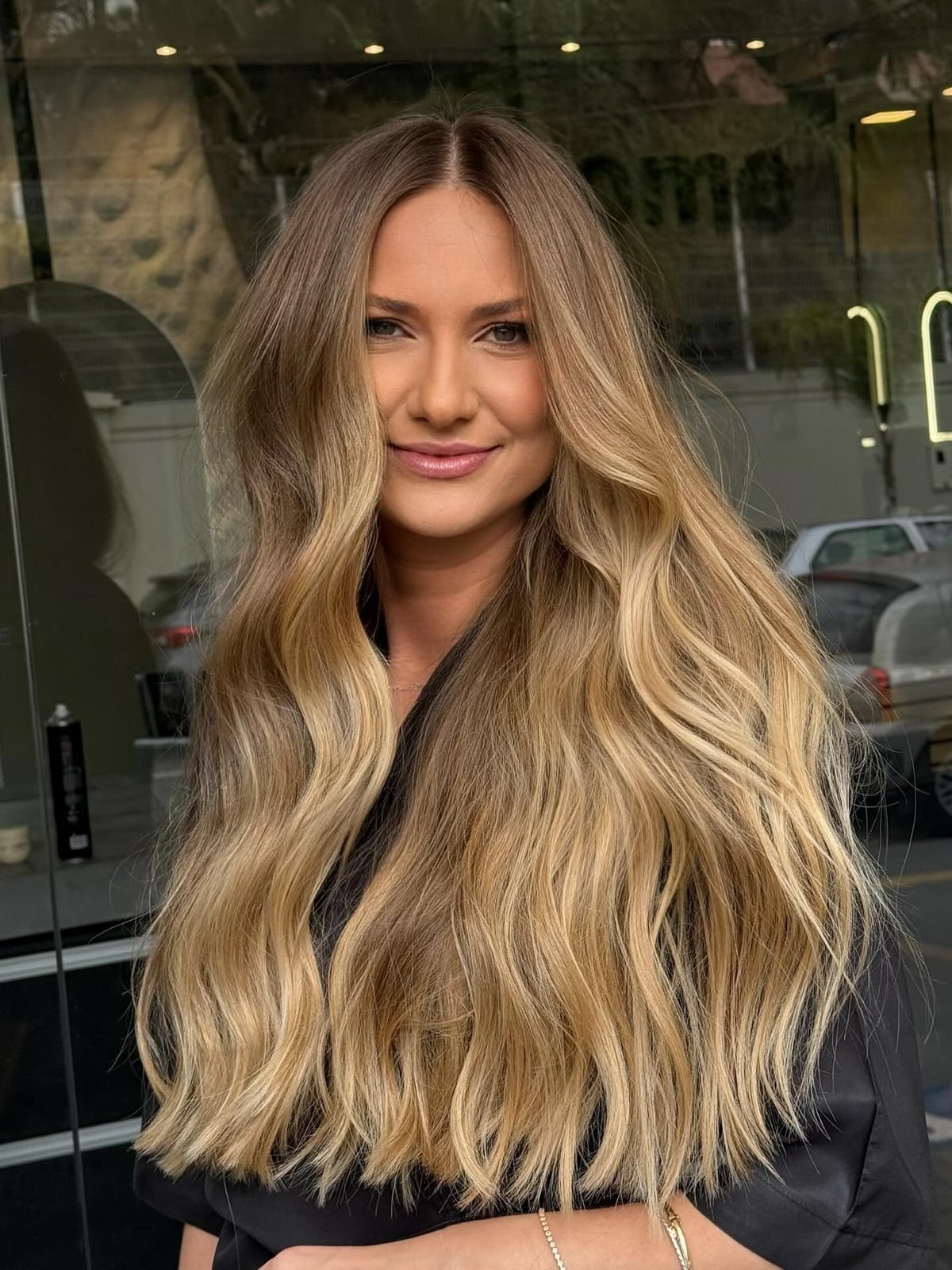
The glossy finish on these long, thick waves is what stops people mid-conversation. A rich honey blonde balayage with seamless transitions between lighter and warmer tones creates depth that moves with each wave. The curtain bangs and face-framing layers are cut to blend into the length. Ask your colorist for: long honey blonde balayage with curtain bangs and face-framing layers. To keep the gloss alive, use a smoothing serum on damp hair and dry with a diffuser. A toning appointment every six weeks prevents the honey from drifting too warm.
Collarbone Balayage With Side Part
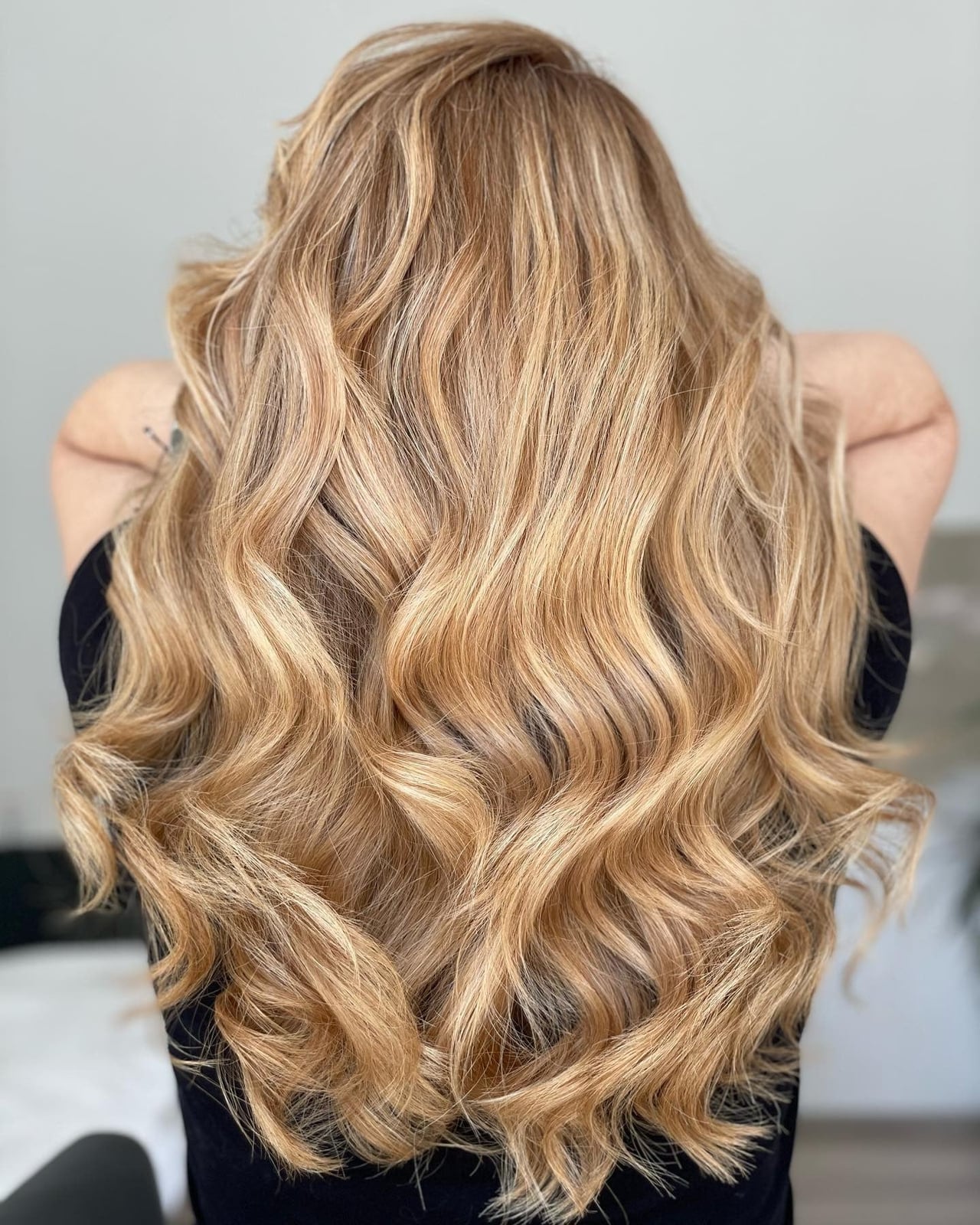
A side part and collarbone length make this honey blonde balayage feel polished but not precious, which lands it squarely in work-and-weekend territory. The lighter blonde tones sit toward the ends and around the face, so the warmer base stays visible through the crown. Thick wavy texture holds the blowout shape for a full day without re-rolling. Ask your colorist for: collarbone length honey blonde balayage with face-framing layers and side part. Blow-dry with a round brush for volume, then book a trim every six to eight weeks to keep the layers from losing their shape.
Collarbone Ash To Honey Blonde Balayage
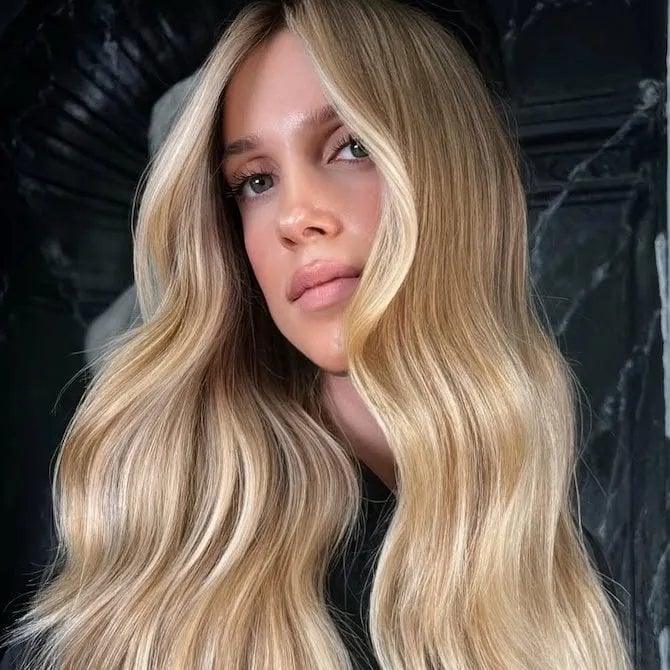
Can fine wavy hair carry a two-tone balayage without looking flat? Yes, if the transition is gradual. This collarbone length starts with an ash blonde base and shifts into honey blonde pieces that brighten the ends and curtain bangs. The fine texture means the lighter sections stay visible rather than getting swallowed by the base. Ask your colorist for: collarbone length ash to honey blonde balayage with curtain bangs. The honest trade-off: fine hair may need a volumizing spray at the roots to keep the silhouette from drooping, and the ash base requires a purple shampoo every other wash to stay cool.
Mid-Back Honey Blonde Balayage With Dark Roots
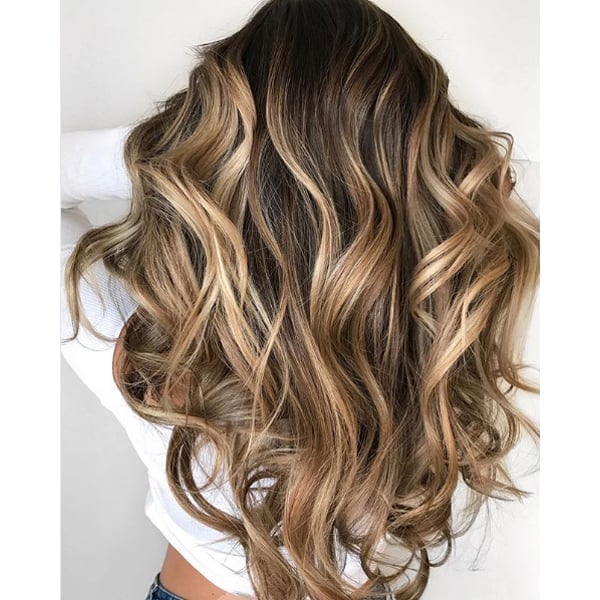
The design here is cunning: darker roots that look like grown-out color are actually the plan. Thick, wavy hair reaches mid-back, and the honey blonde balayage starts low, wrapping strands in a sun-kissed wash that deepens toward the ends. A blowout keeps the texture smooth so the root-to-midlength transition reads clearly. This works best on thick, wavy hair with a naturally dark base that can handle the contrast. Ask your colorist for: mid-back honey blonde balayage with natural dark roots. The darker roots extend the time between appointments to about ten weeks, and a root-concealing powder can handle any stray regrowth around week eight.
Mid-Back Balayage With Side Part
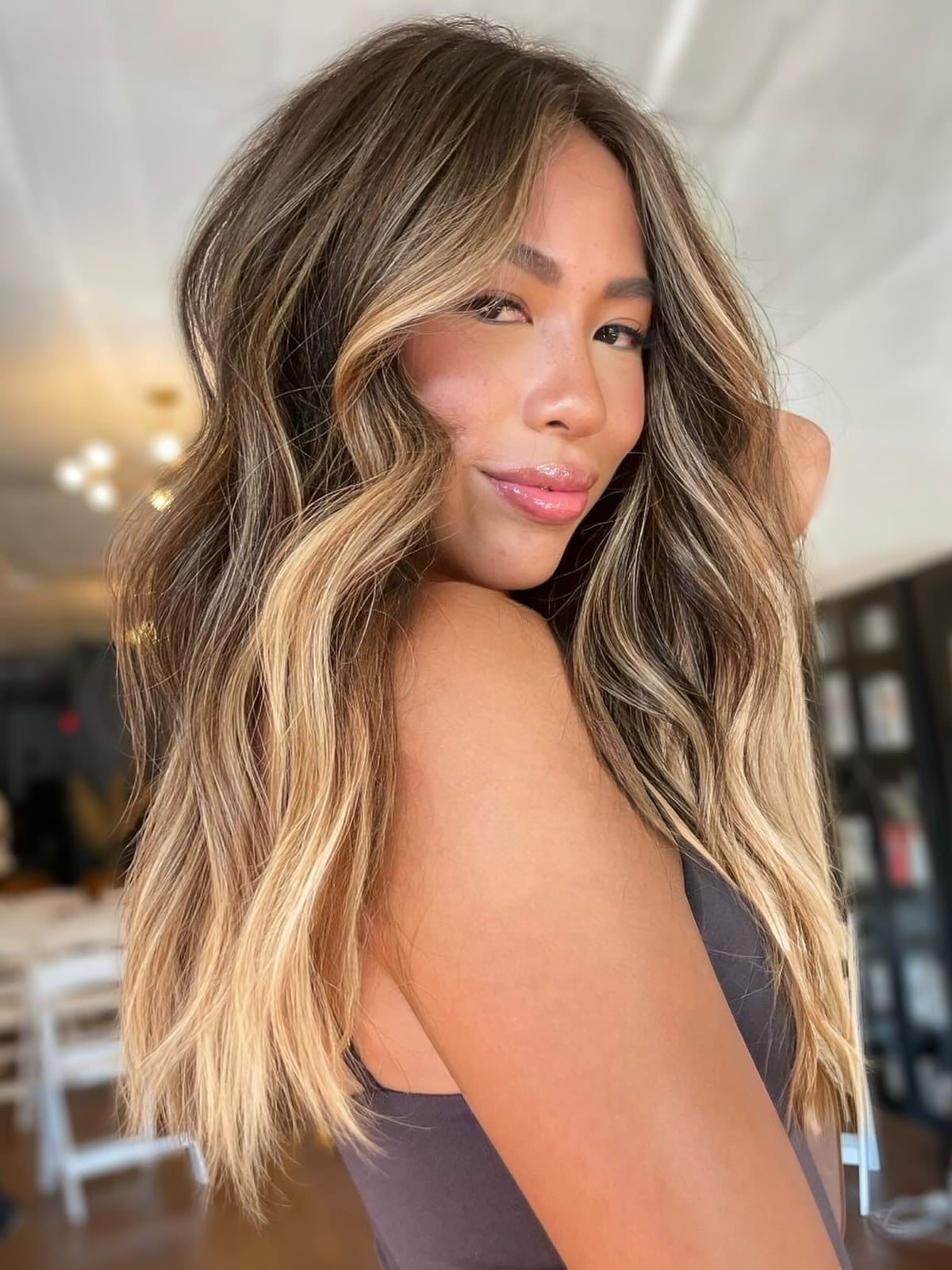
Can a parting change the whole impression of your color? Yes, when the honey blonde balayage is painted into thick, wavy hair at mid-back length. A side part shifts the concentration of lighter strands to one side, creating more visible dimension in loose waves. The technique leaves the highlights soft and blended, not uniform. This suits round or square face shapes best, since the asymmetry adds length and softens the jaw. Ask your colorist for: mid-back honey blonde balayage with a side part. A texturizing spray at the roots keeps the volume even on day two; expect a trim every eight to ten weeks.
Shoulder Length Brown To Honey Blonde
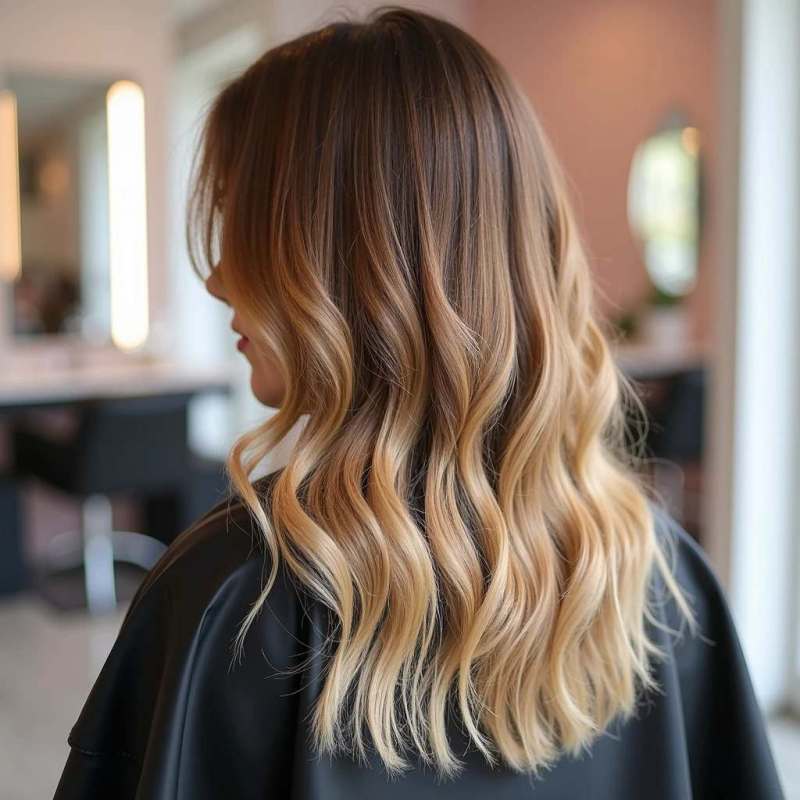
A shoulder-length balayage is the shorter sibling that still delivers the full gradient. Medium brown roots fade into honey blonde ends, with the color concentrated on the last few inches. The loose waves and middle parting keep the line clean and unfussy. This is a salon-only process because the blend needs a skilled hand to avoid a harsh line, but the grow-out is far more forgiving than a full bleach. Ask your colorist for: shoulder length balayage from medium brown to honey blonde. If you try a box dye at home, you will get a solid line, not this graduated fade.
Mid-Back Honey Blonde With Dimensional Color
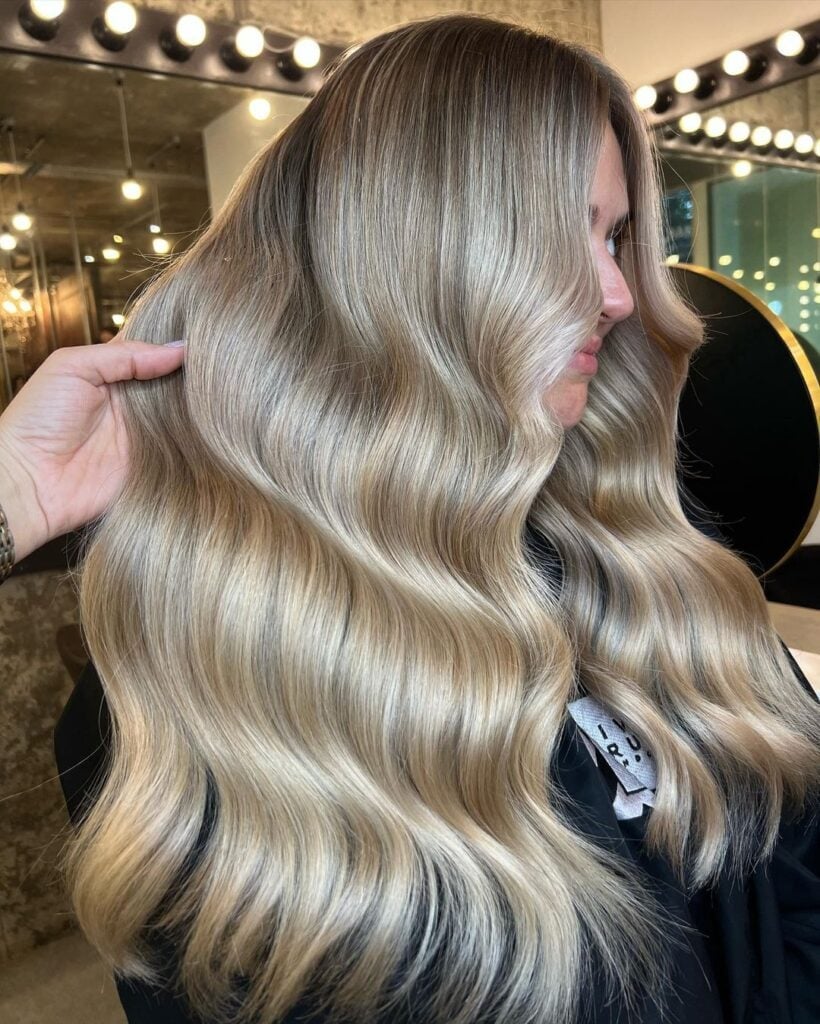
The layers break up the honey blonde balayage so the lighter pieces peek through the thicker sections. Mid-back length, soft waves, a middle parting, and no bangs keep the focus on the color’s depth. Thick, wavy hair holds this shape well because the natural texture creates the volume. Ask your colorist for: mid-back honey blonde balayage with layers, no bangs. A smoothing cream applied to damp hair and air-drying preserves the soft wave pattern. Plan for a toning appointment every six to eight weeks and a trim every eight to ten.
Long Dark Base With Honey Blonde Contrast
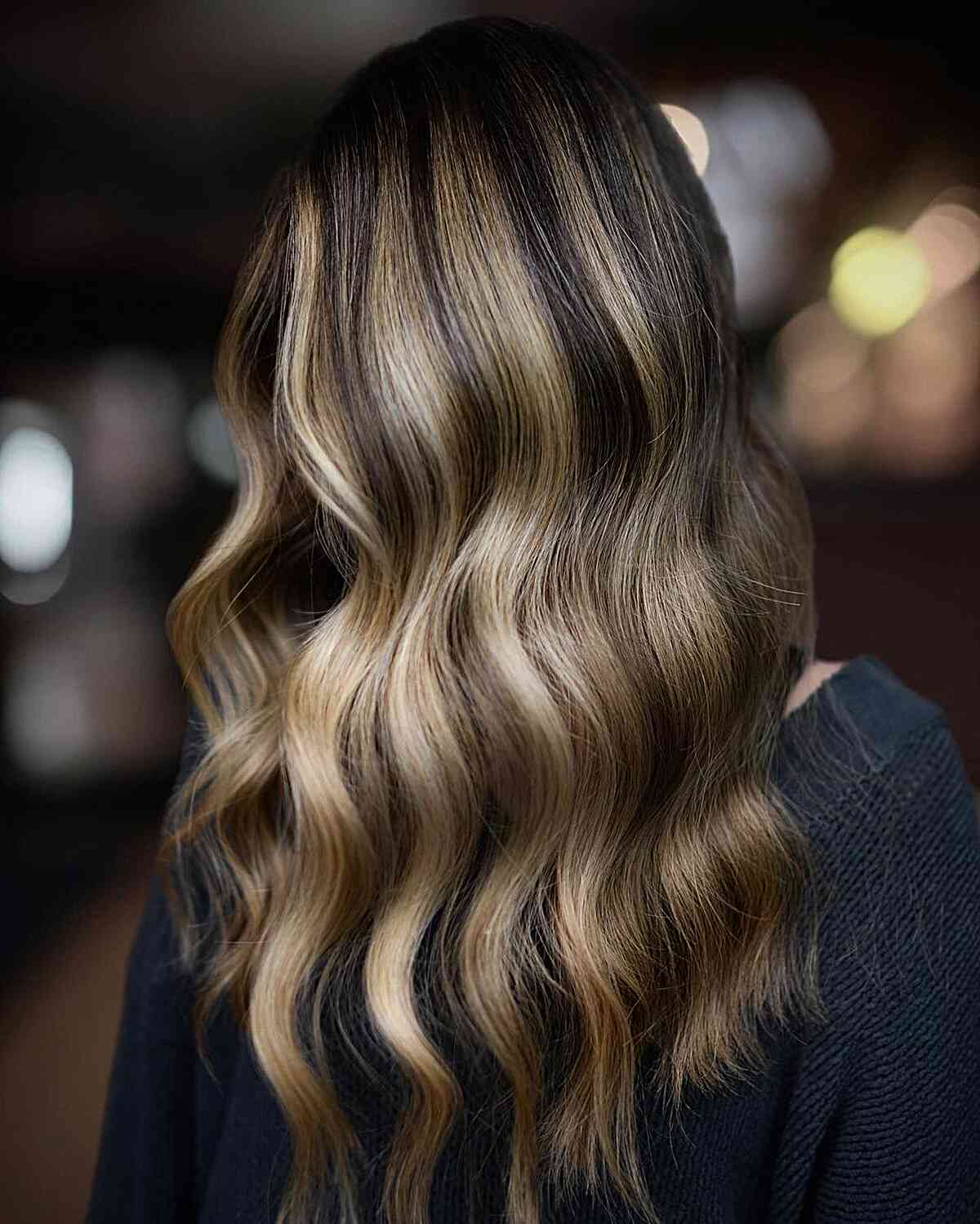
A dark brown base meets a honey blonde balayage that climbs higher than usual, stopping just below the crown for a bold contrast. Long, thick, wavy hair at mid-back length gives the color room to spread in soft, voluminous waves. This is a statement look for fall or evening events, where the warm blonde against the deep brown creates a polished finish. Ask your colorist for: long dark brown base with honey blonde balayage. A color-protecting shampoo keeps the dark base from fading, and a weekly deep conditioner maintains the lighter ends.
Thick Coily Dark Brown Honey Blonde
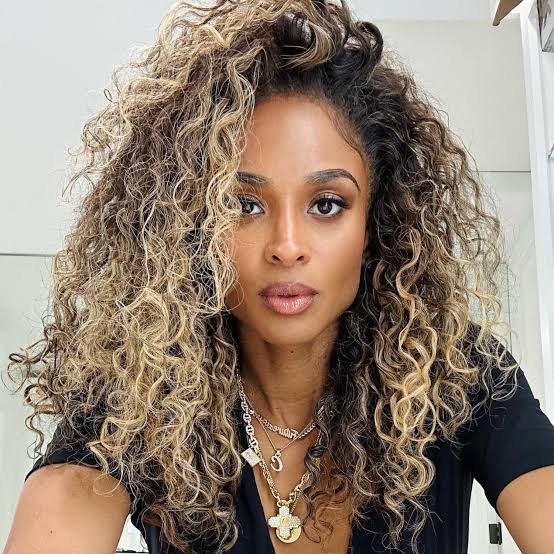
Can a balayage hold its own on coily texture without turning into a muddy mess? Yes, but it depends on execution. This thick, wavy to coily dark brown hair reaches mid-back and uses a honey blonde balayage concentrated toward the ends, with the lighter pieces also framing the face. The natural air-dried finish keeps the curl pattern visible rather than fighting it. The dark brown base stops the blonde from washing out the texture, and the middle part works with most face shapes because it doesn’t add bulk to any one area. Hair this dense holds the color well, so the balayage stays dimensional rather than vanishing into the curl.
Ask your colorist for: mid-back dark brown with honey blonde balayage, coily texture. A curl-defining cream applied to wet hair and diffused on low heat sets the shape. A middle part and length below the chin can elongate a round face; volume at the sides from the coily texture suits longer face shapes.
Mid-Back Balayage Blend In Waves, Wavy
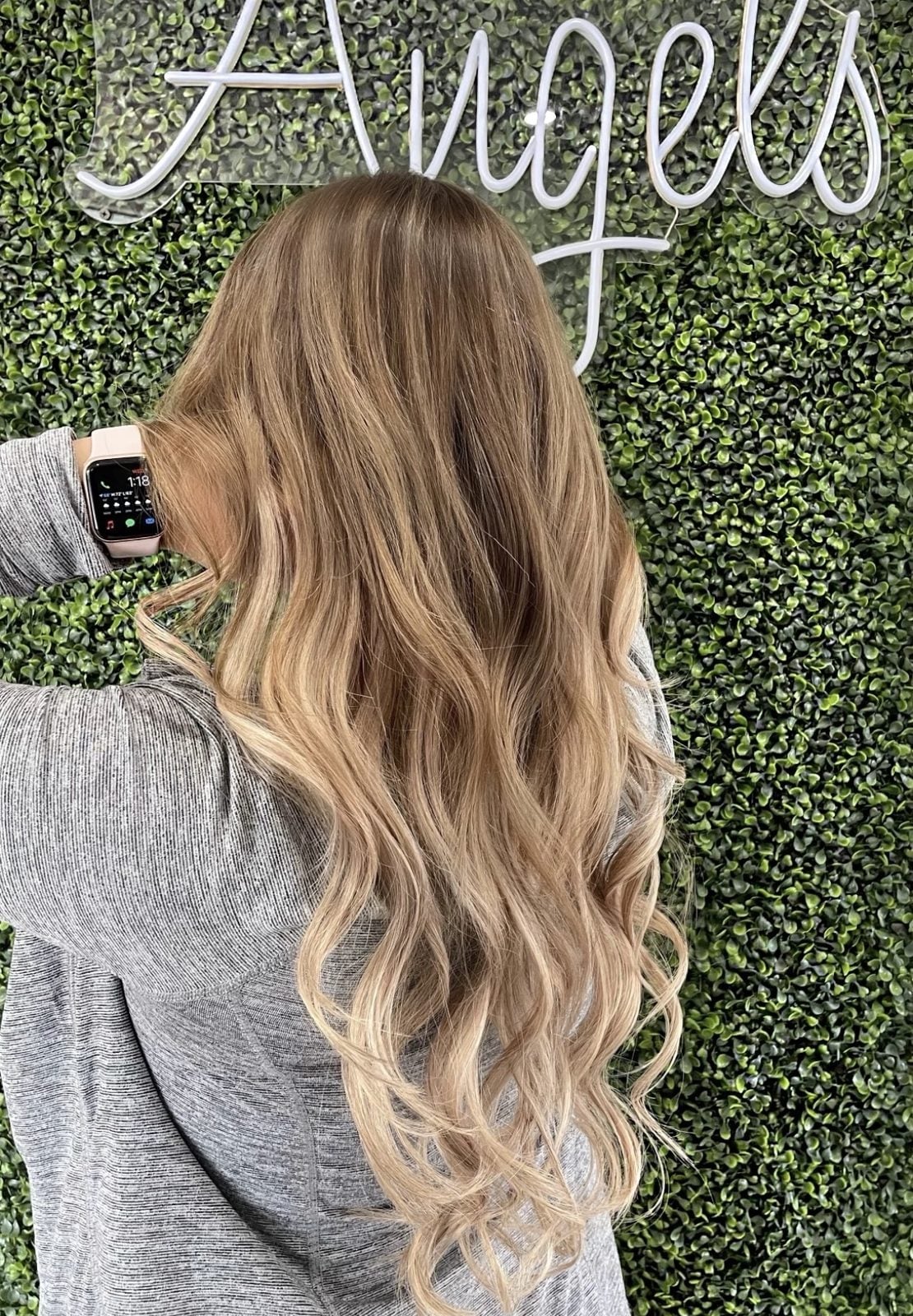
The back view tells the real story of a balayage blend: lighter blonde tones weave through a darker base without a hard line. This mid-back length thick wavy hair uses loose waves to show off the transition, which starts subtly near the crown and deepens toward the ends. The seamless blend is what makes it look natural rather than painted on. Ask your colorist for: mid-back honey blonde balayage with a seamless blend. Detangle with a wide-tooth comb when the hair is wet and conditioned. A trim every eight to ten weeks keeps the ends from getting wispy and the waves from looking straggly.
Collarbone Hair With Face-Framing Layers and Curtain Bangs
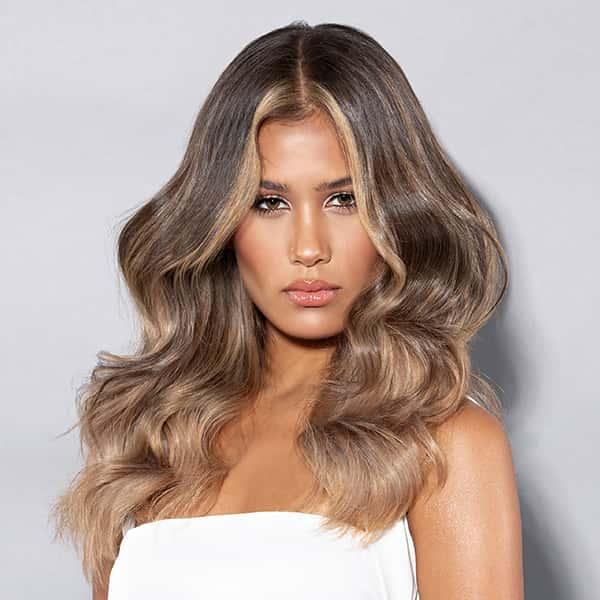
The face-framing layers here do exactly what they are supposed to: they catch the lighter honey tones of the balayage and direct them forward, which makes the color look deliberate. The collarbone length, thick wavy texture and middle parting give the curtain bangs room to blend into the cut. The drawback is that those front pieces hit your collarbone, and if they start splitting, the whole shape falls apart. Ask your stylist for: collarbone length honey blonde balayage with face-framing layers and curtain bangs. Blow-dry the face-framing layers with a round brush to sweep them outward. A trim every six to eight weeks stops the layers from growing past the collarbone and losing their shape.
Mid-Back Balayage Blend With Natural Texture
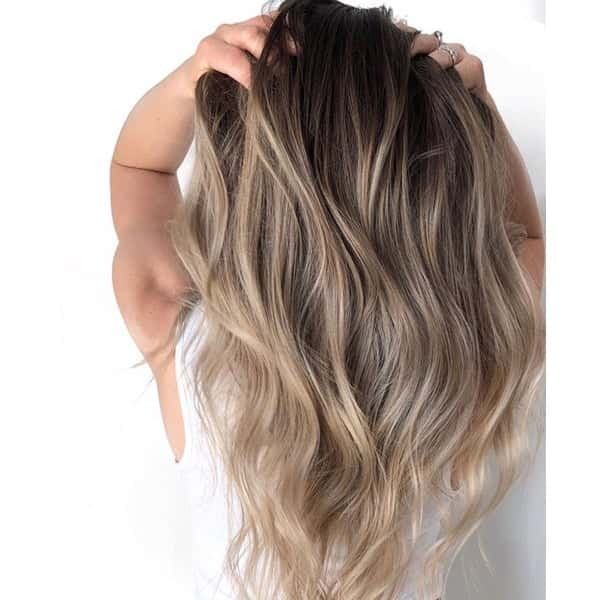
A balayage that looks good air-dried is the point. This mid-back length hair has a middle parting and a thick wavy texture, and the honey blonde balayage moves from darker roots to lighter ends without any harsh demarcation. The seamless transitions mean you can skip the blowout and still get dimension. The technique relies on your colorist painting the lighter pieces only where your natural wave falls, so the color and texture work together rather than against each other. Ask your colorist for: mid-back honey blonde balayage with natural texture. Apply a leave-in conditioner and scrunch upward to define the wave pattern. A trim every eight to ten weeks keeps the ends healthy enough to air-dry without frizz.
Collarbone Waves With Honey Blonde Balayage
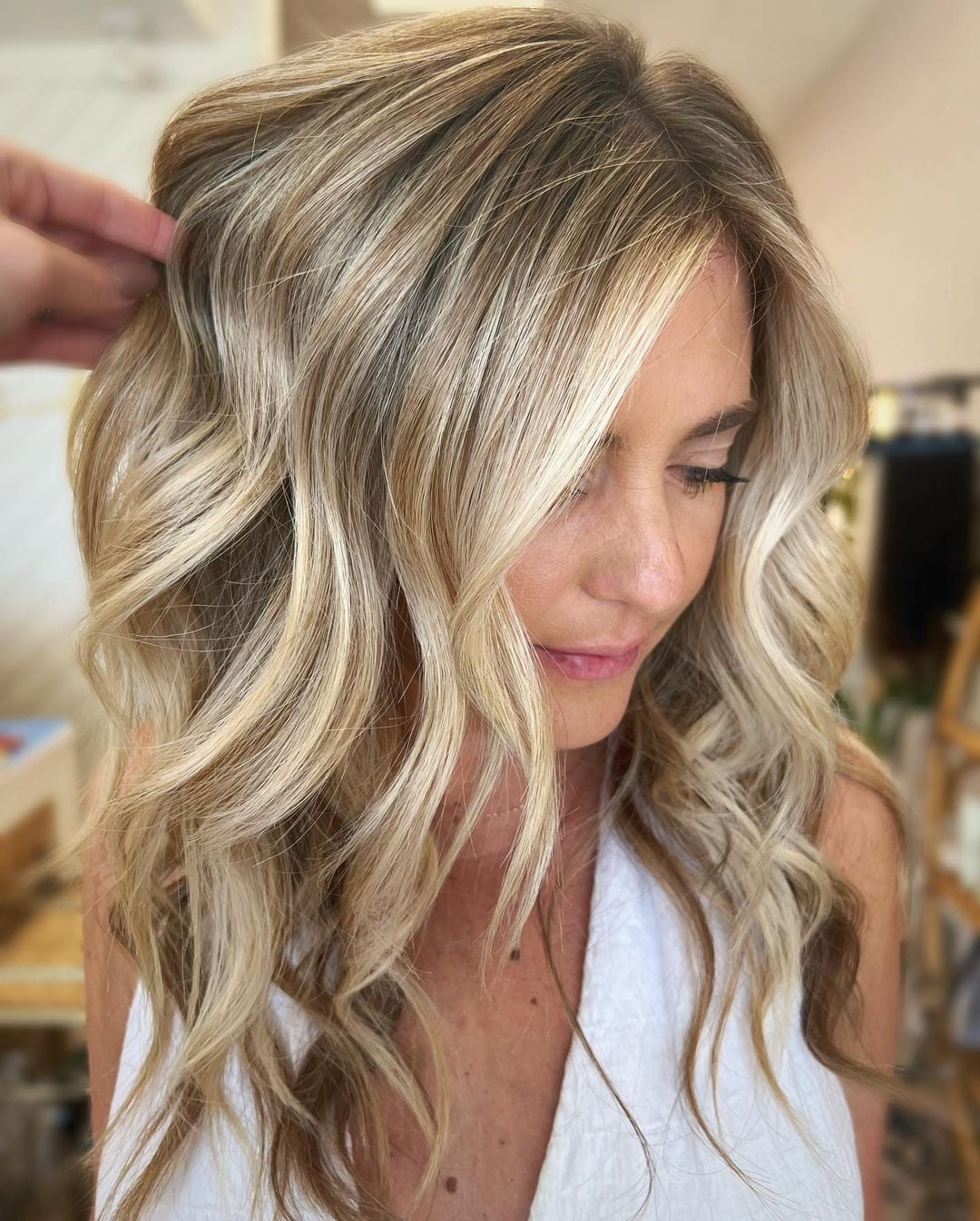
A honey blonde balayage on collarbone length hair is a salon-only investment: DIY box color can’t place lighter highlights through the front sections the way a paintbrush can. This look uses a blowout with loose waves and soft curtain bangs, with lighter blonde highlights blended into a warmer honey base. The face-framing layers pull the warmer tones forward. Ask your colorist for: collarbone length honey blonde balayage with loose waves and curtain bangs. Root mousse before blow-drying gives the waves lift without weighing down the shorter length. The curtain bangs need trimming every four to six weeks or they start grazing your cheekbones at an awkward angle.
Collarbone Dark Base Honey Blonde Balayage
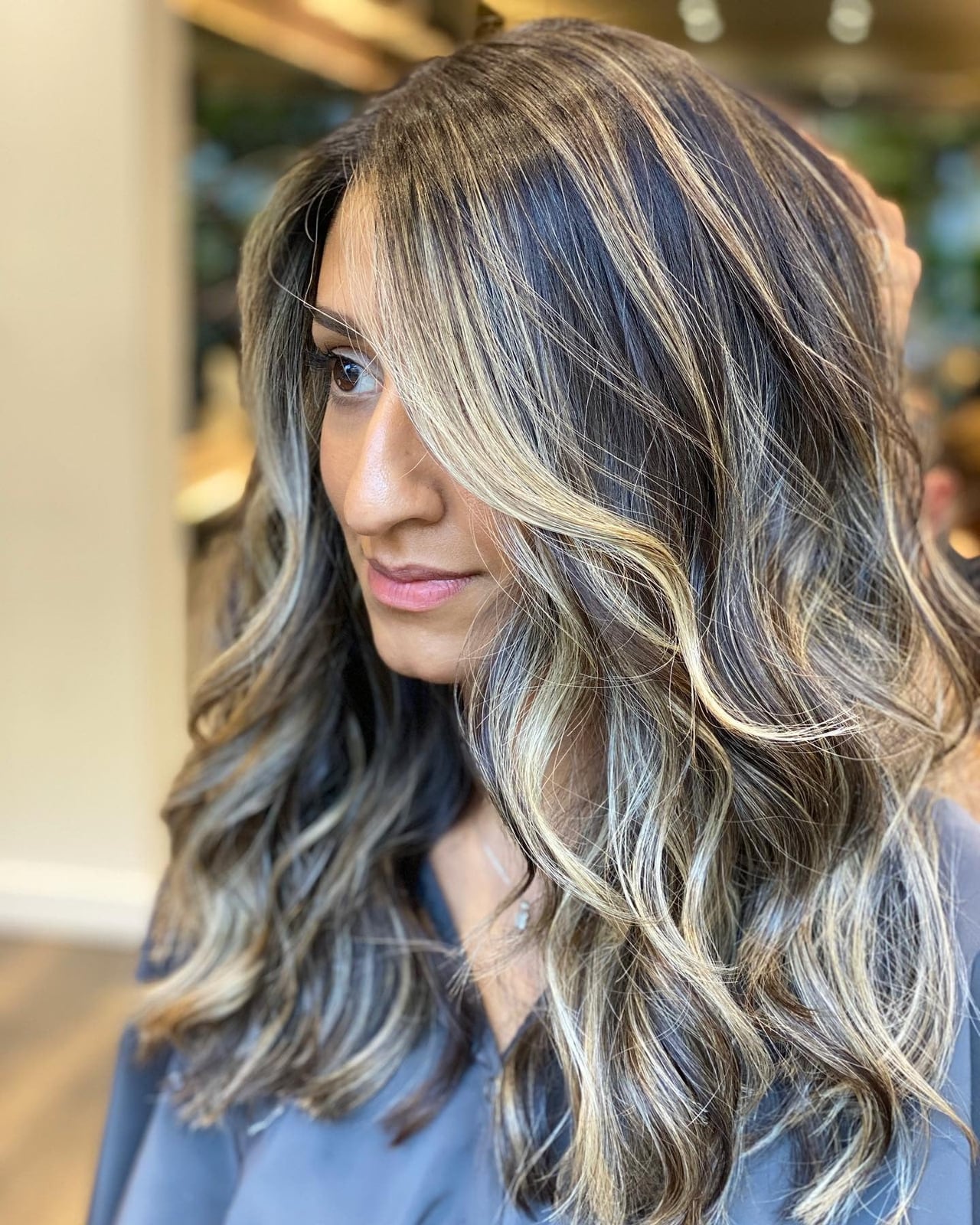
A collarbone-length cut with soft layers and curtain bangs gets a dark brown base laced with honey blonde balayage, styled in a loose blowout with a side parting. The contrast is strong, which means the lighter pieces really pop against the deep base. This design works best on thick, wavy hair that can carry the weight of a dark shade without looking flat. Ask your colorist for: collarbone dark brown base with honey blonde balayage and curtain bangs. The honest trade-off: a dark base can pull brassy between toning appointments, so a purple shampoo every second wash is not optional. Trim the layers every six to eight weeks to keep the shape clean.
Mid-Back Balayage With Face-Framing Highlights
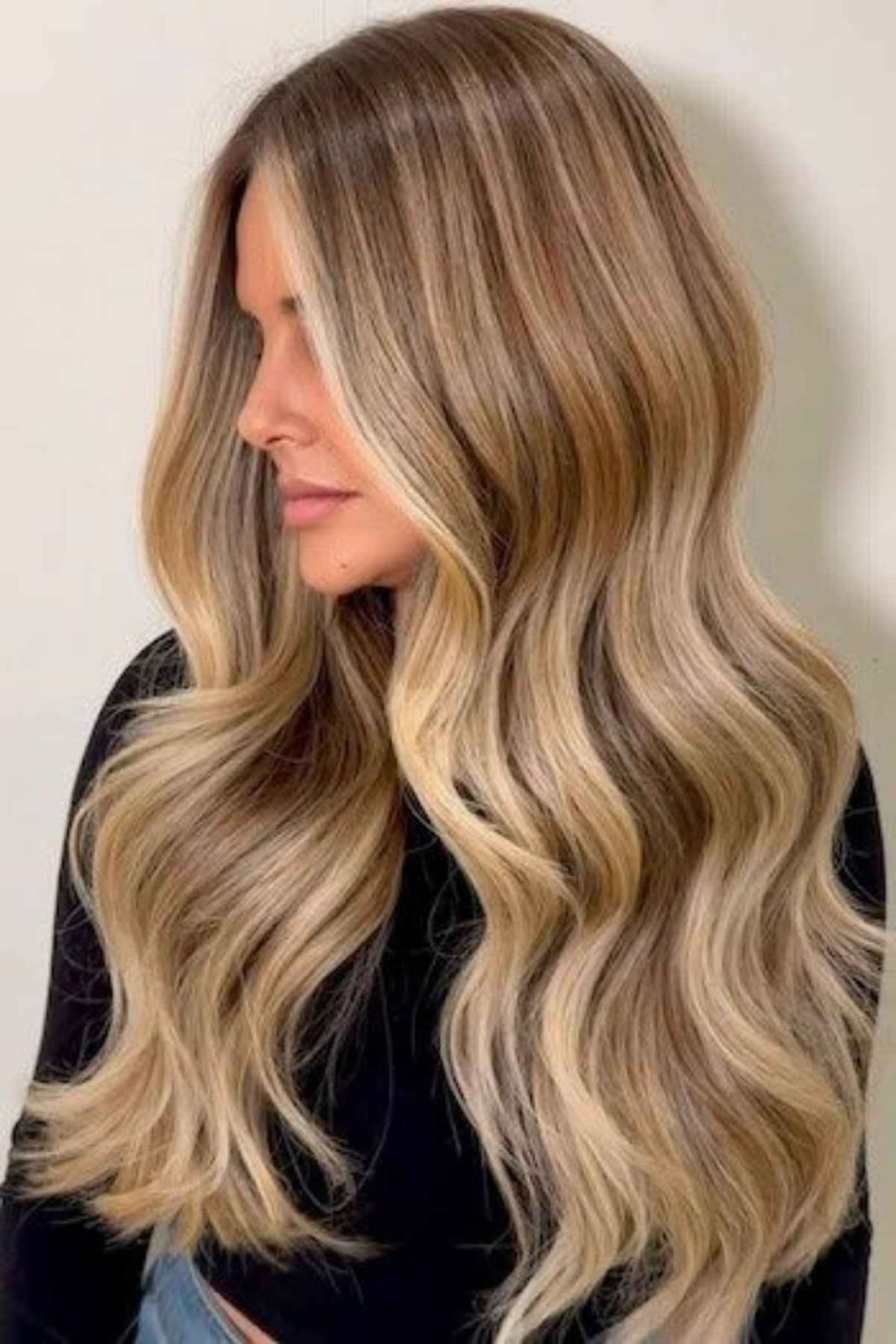
Face-framing highlights do what a full balayage cannot: they concentrate the lightest pieces exactly where you see them first. Here, mid-back length hair with a honey blonde balayage gets those brighter strands woven around the front layers, while the length stays a softer, blended warmth. Loose waves let the contrast read clearly. A full balayage spreads color from root to end across the whole head, which means more overall lift but less deliberate brightness around the face. If you want that immediate glow without committing to an all-over lightening, face-framing highlights are the faster, lower-maintenance route. Ask your colorist for: mid-back honey blonde balayage with face-framing highlights. A texturizing spray at the ends helps the waves hold their shape, and a trim every eight to ten weeks keeps the layers from losing their line.
Collarbone Layers With Honey Blonde Dimension
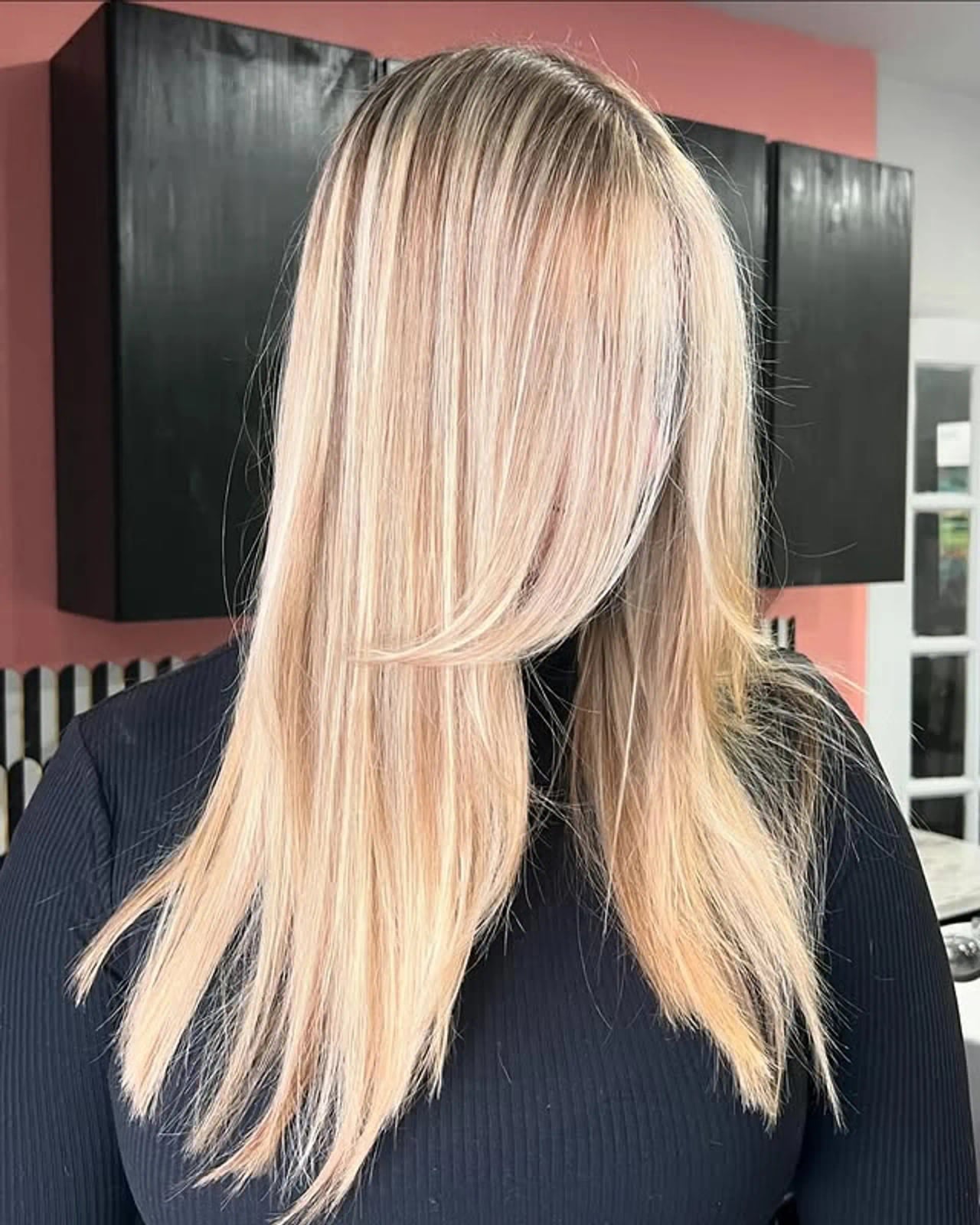
Can a collarbone cut with curtain bangs and a middle parting work on most face shapes? Yes, because the soft layers around the jaw balance a square face, and the curtain bangs add width to a long face while softening a round one. The honey blonde balayage here weaves lighter highlights through the mid-lengths and ends, creating dimension that stops a blunt collarbone line from feeling heavy. Thick, wavy texture holds the blowout volume best. Ask your stylist for: collarbone length honey blonde balayage with layers and curtain bangs. The bangs need a trim every four to six weeks, and the length itself every eight to ten.
Final Thoughts
For a low-maintenance honey blonde balayage, opt for a darker base with subtle, blended highlights concentrated toward the ends. If you prefer a brighter, face-framing effect, choose styles with strategic lighter pieces around the face and plan a toning visit every six to eight weeks.
- Use a purple or blue shampoo once every two weeks to prevent brassiness.
- Apply a heat protectant before any blow-dry or hot tools.
- Trim every eight to ten weeks to keep the shape and remove split ends.
- Use a color-safe conditioner to maintain the balayage blend and avoid dryness.
Embrace the warmth and dimension of honey blonde balayage for a radiant, on-trend look.