Very short hair cuts through the noise in 2027. The trend leans into soft face-framing layers and glossy natural textures, swapping the flat-ironed poker straight look for pieces that move. It is a practical shift: less heat, more shape, and a fringe that actually stays where you put it.
This collection of 25 Trendy Very Short Hair ideas covers the full range, from a barely-there pixie to a chin-length bob. Whether fine hair that falls flat or a thick mane that needs weight removed, there is a cut here that solves the problem. These styles work for round, square, and long faces with the right length and layering, and they all keep styling time under ten minutes.
Dark Brown Pixie With Wispy Bangs
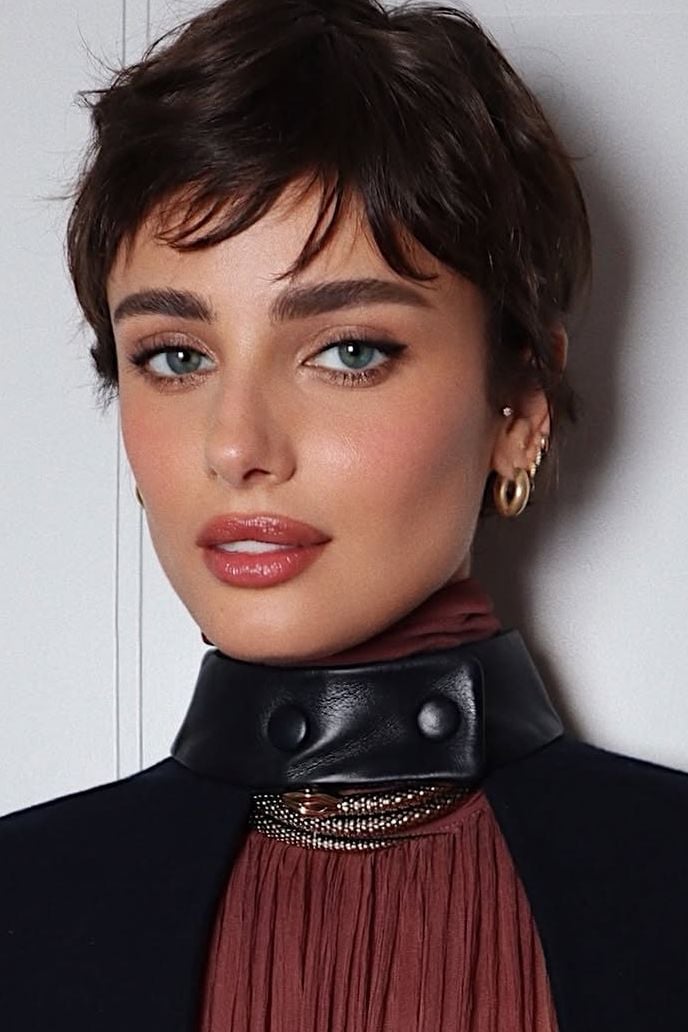
A short pixie with fine dark brown hair cut close to the ears gets its softness from wispy bangs swept across a side parting. These feathery ends are the difference between a severe crop and one that actually moves. Ask your stylist for: short pixie with wispy bangs, textured styling. Fine straight hair starting at ear length benefits from the lightness this cut creates; the side part also softens a rounder face shape.
A texturizing spray is enough to enhance the wispy effect without weighing the hair down. Trim every four to six weeks keeps the silhouette sharp.
Spiky Dark Brown Pixie For Thick Hair
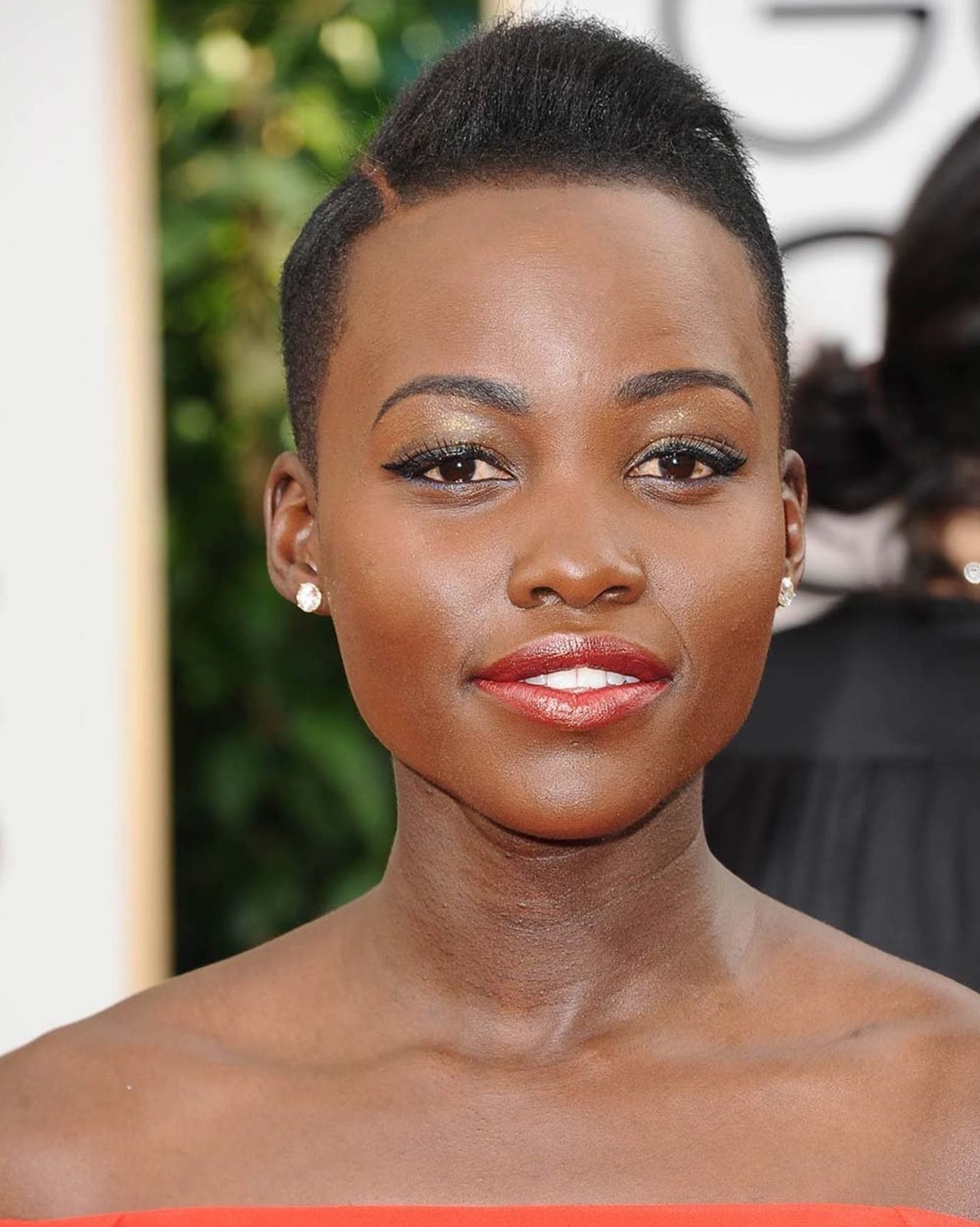
Ever wonder why some spiky pixies look like a helmet and others look intentional? The mistake is asking for a uniform length all over. Ask your stylist for: extra short pixie, spiky texture, short fringe. Thick straight hair needs shorter pieces on top and a visible fringe to create the spiky definition rather than a solid block. The ear-length cut and side parting give the spikes direction.
A strong hold wax or paste applied to dry hair builds the separation this look demands. Trim every four weeks keeps the spikes from collapsing into a shapeless mass.
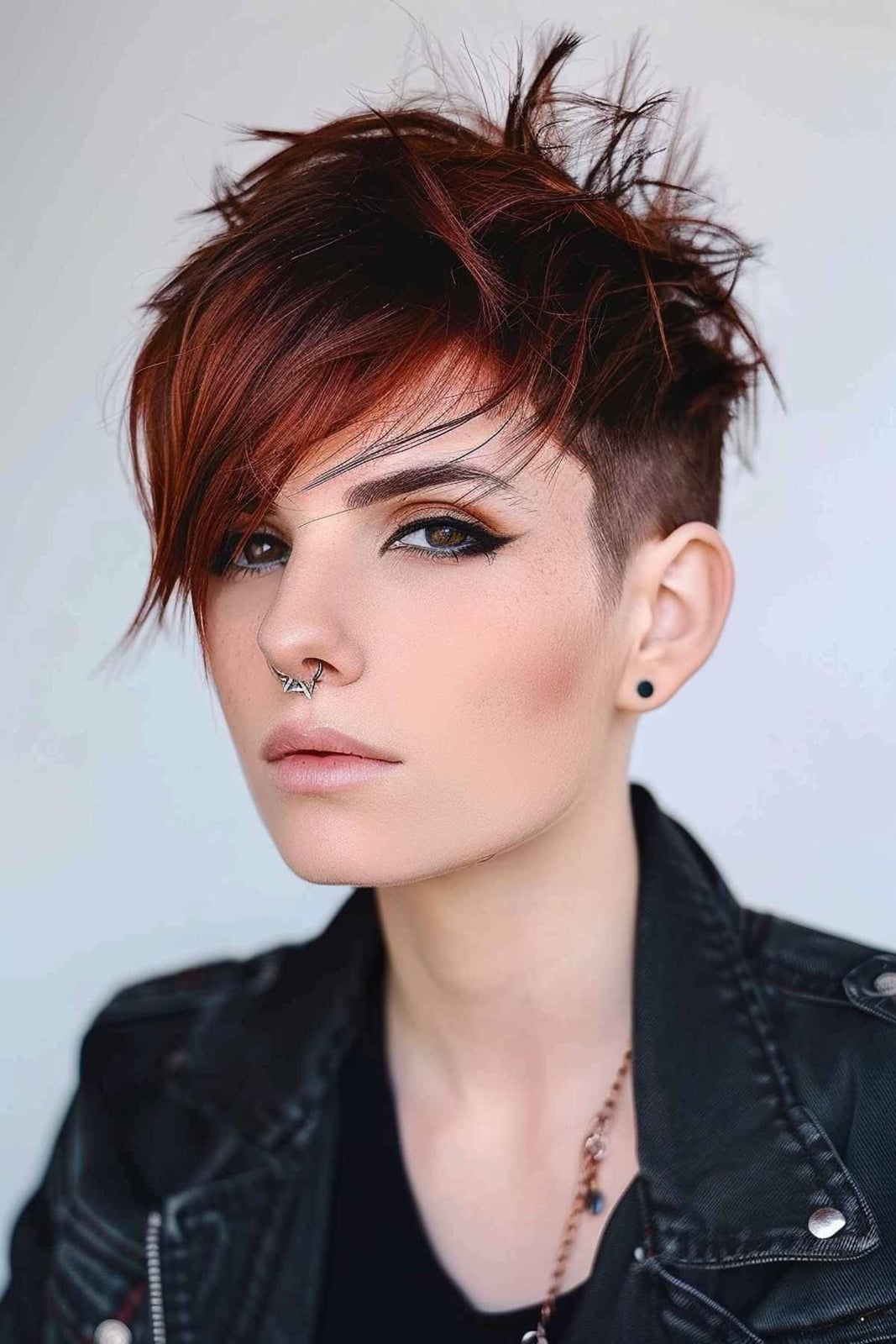
Sharp Black Pixie With Undercut
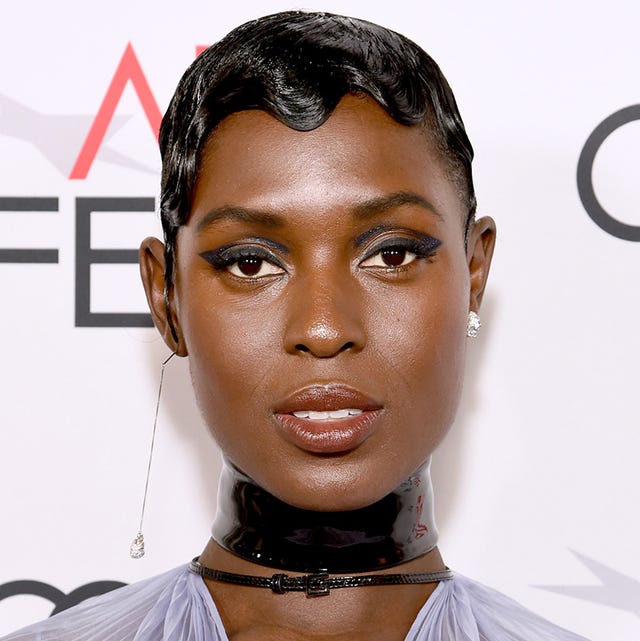
An undercut does more than remove bulk: it creates the sharp architectural line that defines this black pixie. The sides are clipped short while the top retains a longer textured layer with short bangs swept to one side. Ask your stylist for: sharp pixie with side undercut, textured swept bangs. Thick straight hair starting at ear length benefits from the weight reduction, and the undercut suits most face shapes because it leaves the crown full.
The undercut requires more frequent salon visits than a standard pixie; a pomade applied to the fringe keeps the texture defined between trims.
Platinum Blonde Pixie With Choppy Bangs
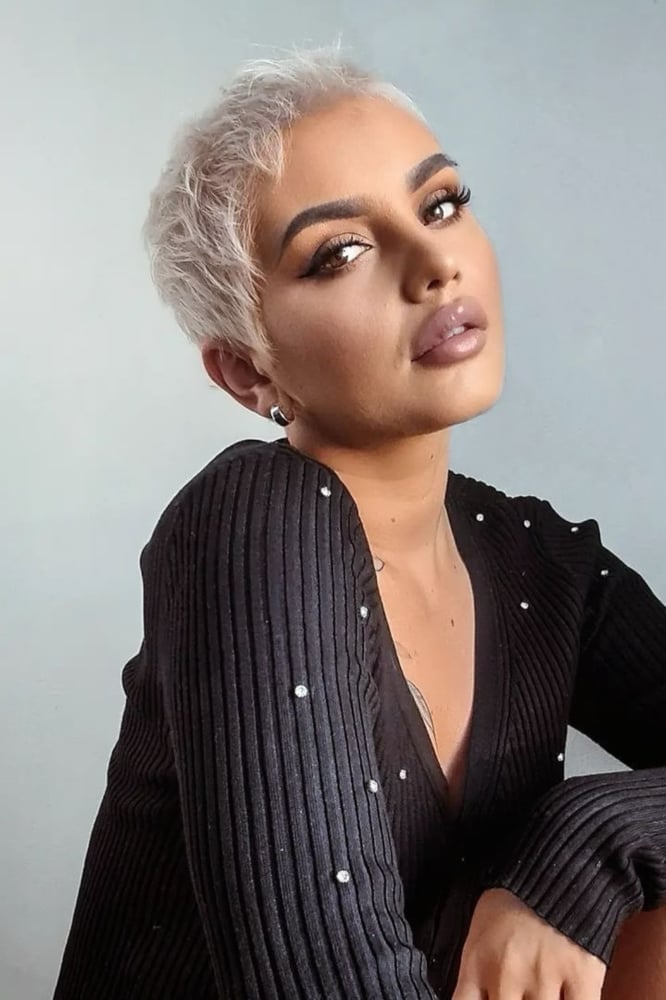
Set a platinum blonde pixie against a soft ash blonde and you get a completely different mood. This version is pure contrast: a very short ear-length cut with fine straight hair and choppy piecey bangs cut straight across but separated into individual strands. Ask your stylist for: very short pixie, choppy piecey bangs, platinum blonde. The bright color works best on fine hair starting at ear length, where the lightness adds perceived volume rather than weight.
The choppy bangs need a texturizing cream to keep from looking sparse. A purple shampoo used weekly prevents the platinum from shifting toward yellow between toning appointments.
Edgy Platinum Pixie With Swept Bangs
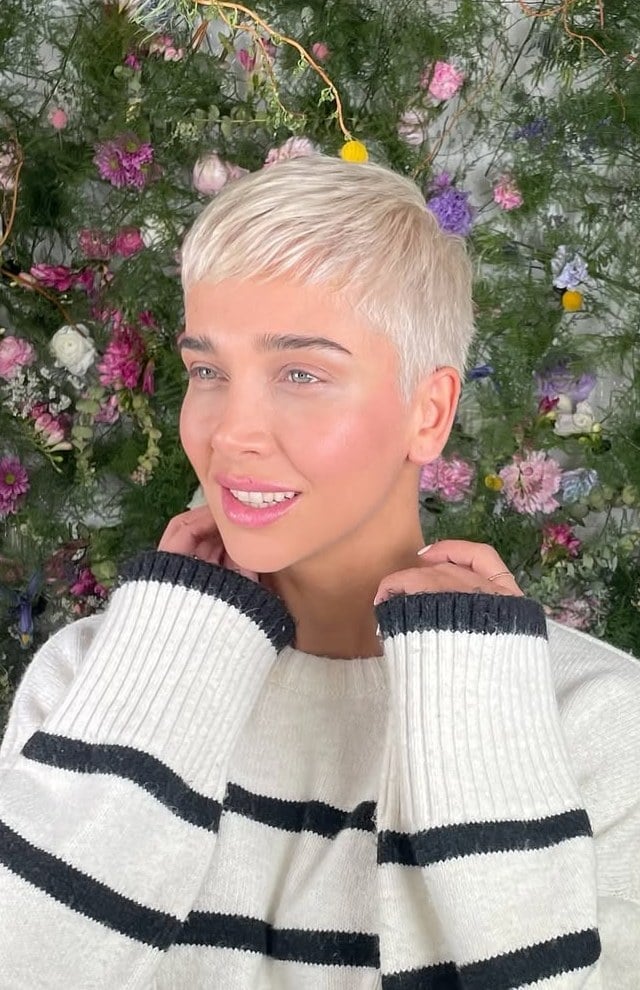
A pixie with swept-forward bangs relies on direction for its edge. This platinum blonde version keeps the ear-length cut close while the fine straight hair on top is textured and pushed forward over the forehead. Ask your stylist for: short pixie, textured swept forward bangs, platinum blonde. The forward sweep can soften a sharper jawline, making this a practical choice for fine hair starting at ear length.
A styling paste worked into the bangs gives them hold without stiffness. Trim every four to six weeks preserves the forward shape; longer intervals let the bangs fall into the eyes.
Tousled Ash Blonde Pixie With Piecey Fringe
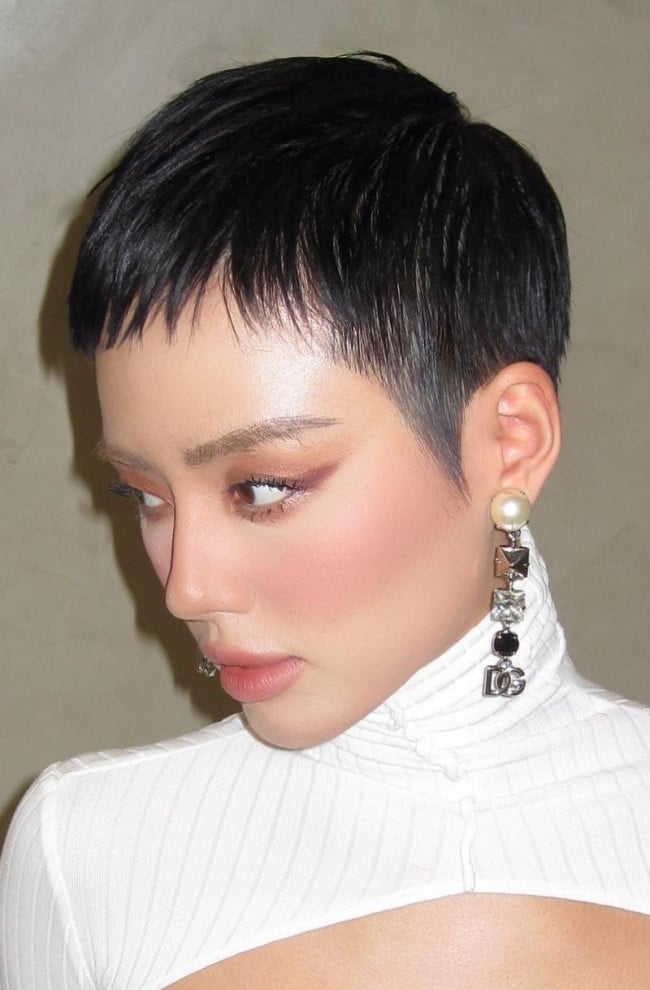
Ask your stylist for a short pixie, piecey swept fringe, ash blonde. The cut stays at ear length with fine straight hair, so each strand separates on its own. A matte wax or clay worked through dry hair creates the piecey separation without weight. The fringe should be short enough to sweep to the side and leave the forehead partially visible.
Messy Ash Blonde Pixie With Textured Bangs
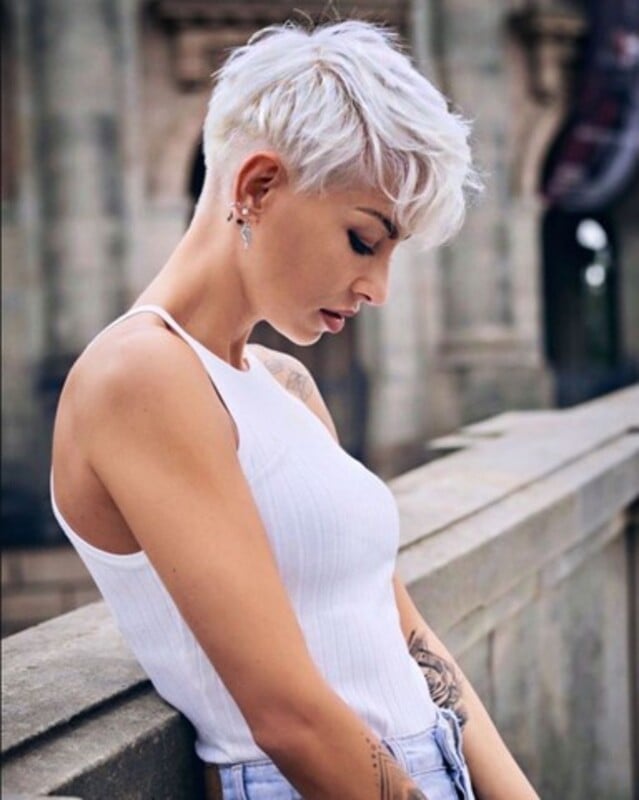
This is a good cut, but it does ask something of fine wavy hair. The ear-length pixie with short textured bangs relies on the wave to hold the mess in place, so hair that falls flat straight will need more product than you might expect. A salon visit is required because the layers must be cut into dry hair to hit the right points. Once home, scrunching with a styling product and letting the wave set is the move; a brush will kill the volume.
Black Pixie With Asymmetrical Bangs
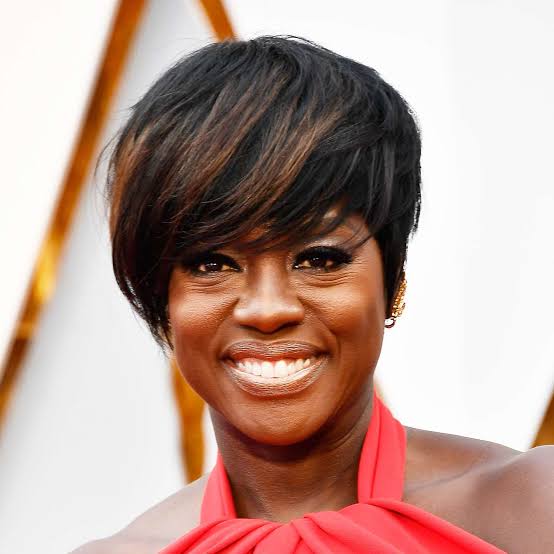
Notice how the bangs fall longer on one side. That asymmetry adds visual movement to a dense, thick wavy texture that could otherwise sit too heavy. Ask your stylist for a pixie cut, asymmetrical side-swept bangs, textured styling. The side-swept bangs draw the eye diagonally, which softens a square or round face. Thick hair handles the longer side well, and the subtle lighter strands keep the black from reading as flat.
Thick Coily Black Pixie
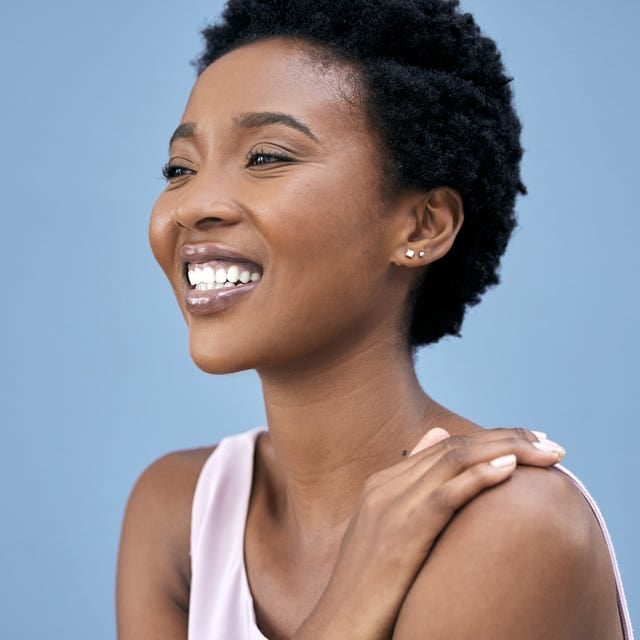
This pixie asks almost nothing of you beyond a good conditioner. The ear-length cut lets thick coily texture spring up naturally, and the side parting directs the volume so it does not mushroom out. Ask your stylist for a short pixie for coily hair, natural texture. Air drying is the default here; heat styling would disrupt the coil pattern and add unnecessary time. A trim every six to eight weeks keeps the shape from rounding out, but between visits the grow-out is forgiving.
Wet Look Black Pixie With Curly Tendrils
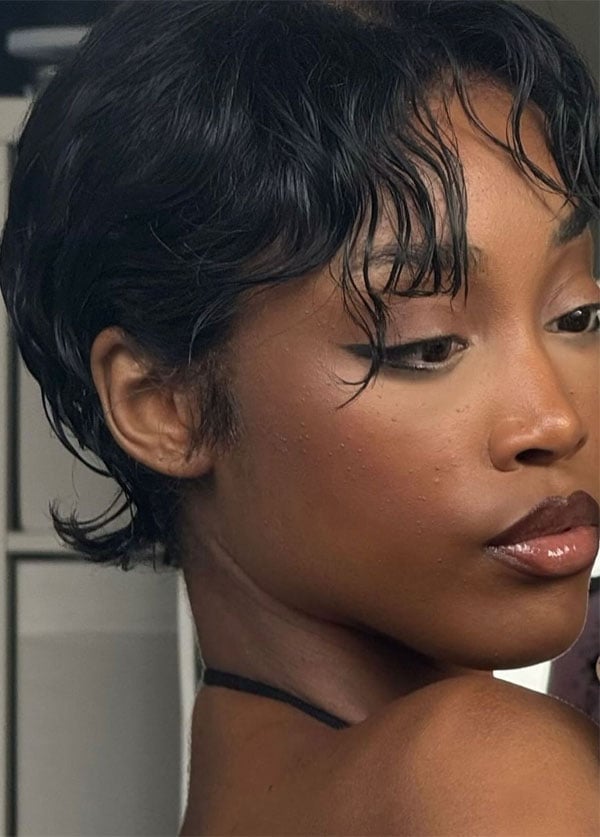
The wet look is a finish, not a cut, but the cut has to support it. This ear-length pixie on fine curly hair uses defined tendrils that wrap around the hairline rather than sitting flat. Ask your stylist for a short pixie, wet look styling, soft tendrils. A gel or pomade with high shine is applied to damp hair and left to dry without touching; the tendrils are shaped by finger-twisting each curl. The hold is all-day because the product sets hard, but re-wetting and restyling is required the next day.
Vibrant Pink Pixie With Textured Curls
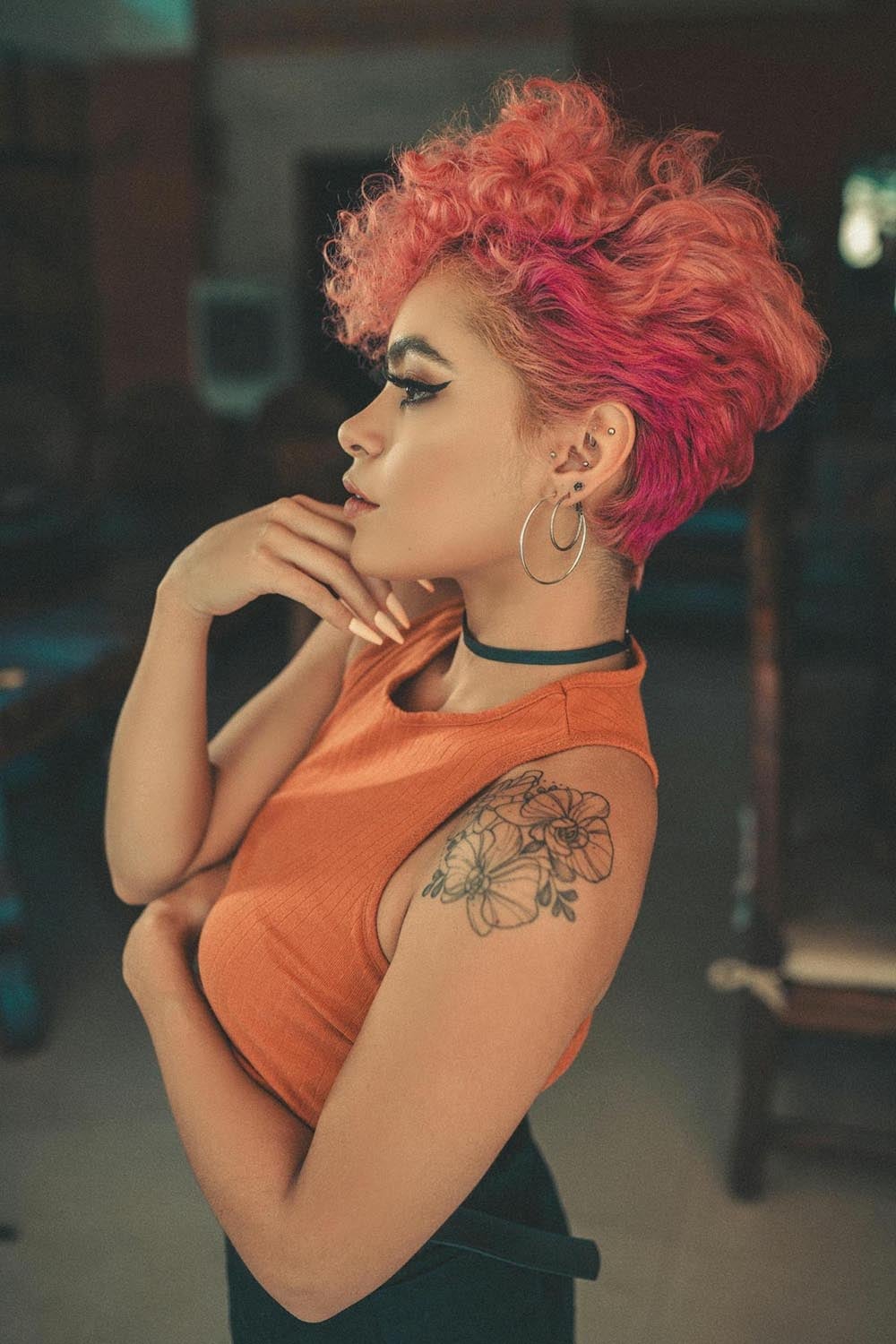
Does a very short cut have to mean low-maintenance color? Not with a shade like this one. The vibrant pink pixie uses defined curls and a side parting to create volume around the ear, turning the head into its own accessory. Ask your colorist for: short textured pixie, vibrant pink color. Fine wavy curly hair starting at ear length is the ideal canvas; the curl pattern holds the upward shape without heavy product. A curl-enhancing cream and a diffuser are the only tools you need. Just know that vivid pink needs a refresh every three to four weeks to stay this loud.
Textured Dark Brown Pixie Shag
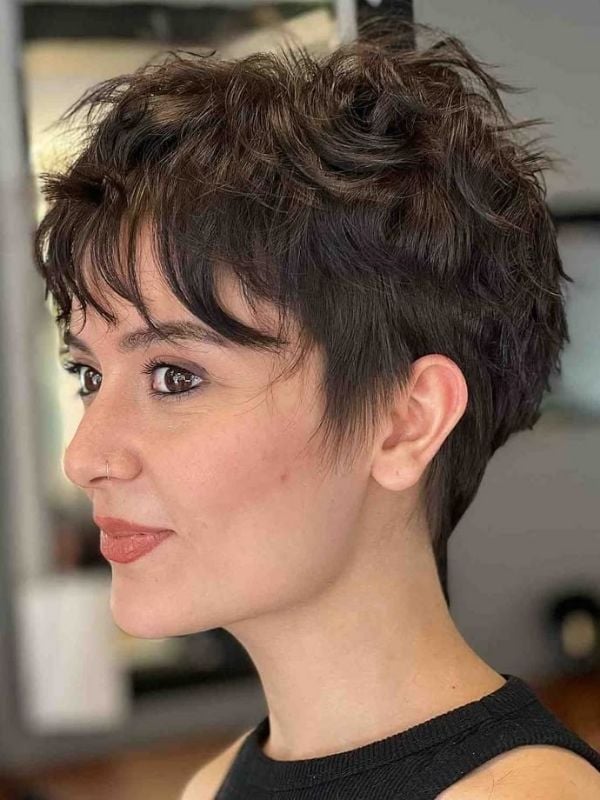
This cut is not for hair that resists direction. The textured dark brown pixie shag works best on medium density wavy hair, where the layers create natural movement. Short wispy bangs frame the face without fighting the shape. Ask your stylist for: pixie shag, textured layers, wispy bangs. The piecey styling adds separation that straight hair often lacks, so if your hair is fine or flat, you will need a texturizing paste to fake the effect. A trim every six weeks keeps the shag from turning into a helmet.
Ash Blonde Short Shag With Choppy Bangs
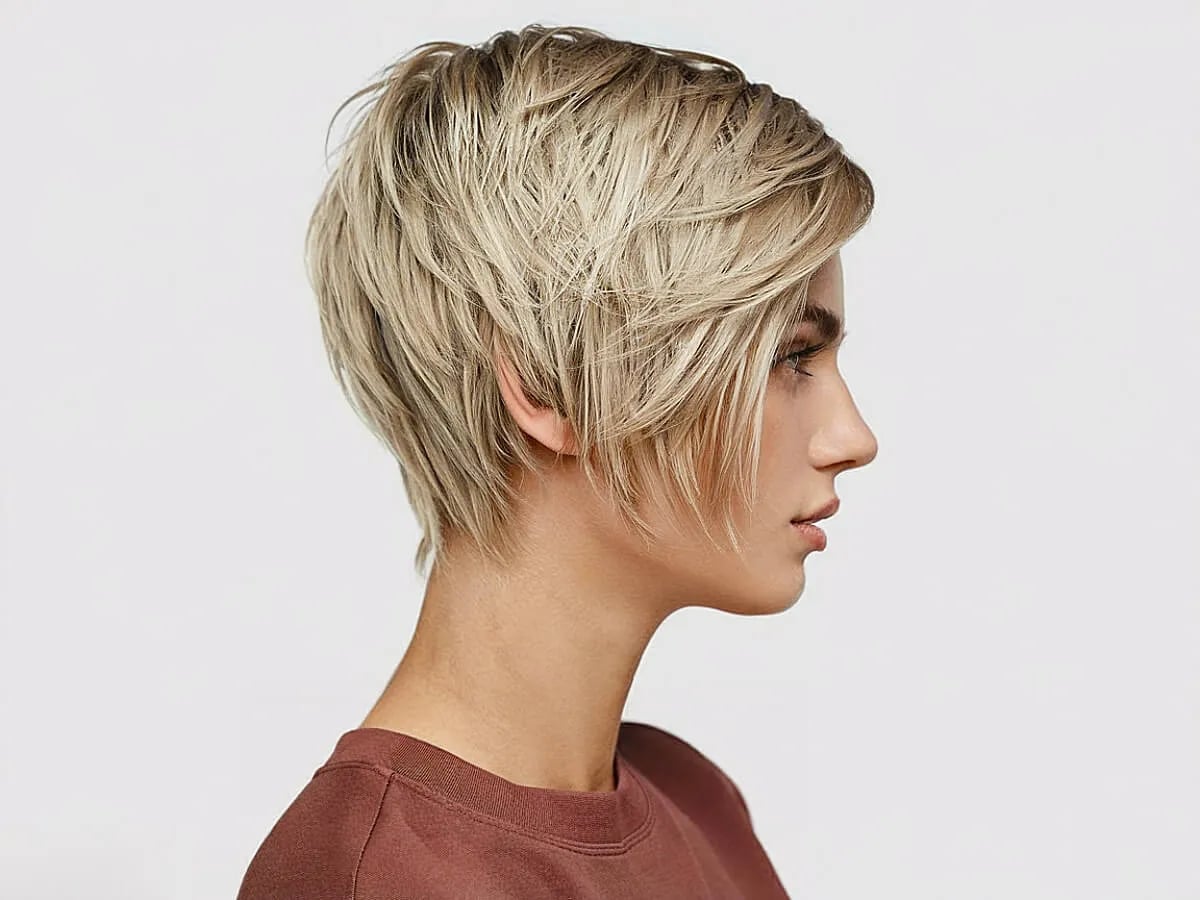
The cut is precise: ear-length layers that stop short enough to feel short but stay soft enough to move. The ash blonde short shag combines choppy layers with textured bangs, and the middle parting keeps the whole thing from looking too precious. Ask your stylist for: short shag, choppy textured bangs, ash blonde. You need fine wavy hair at ear length for this to land; the blowout adds volume that the cut alone cannot promise. A volumizing spray at the roots before drying helps the layers sit right.
Platinum Blonde Bowl Cut With Blunt Bangs
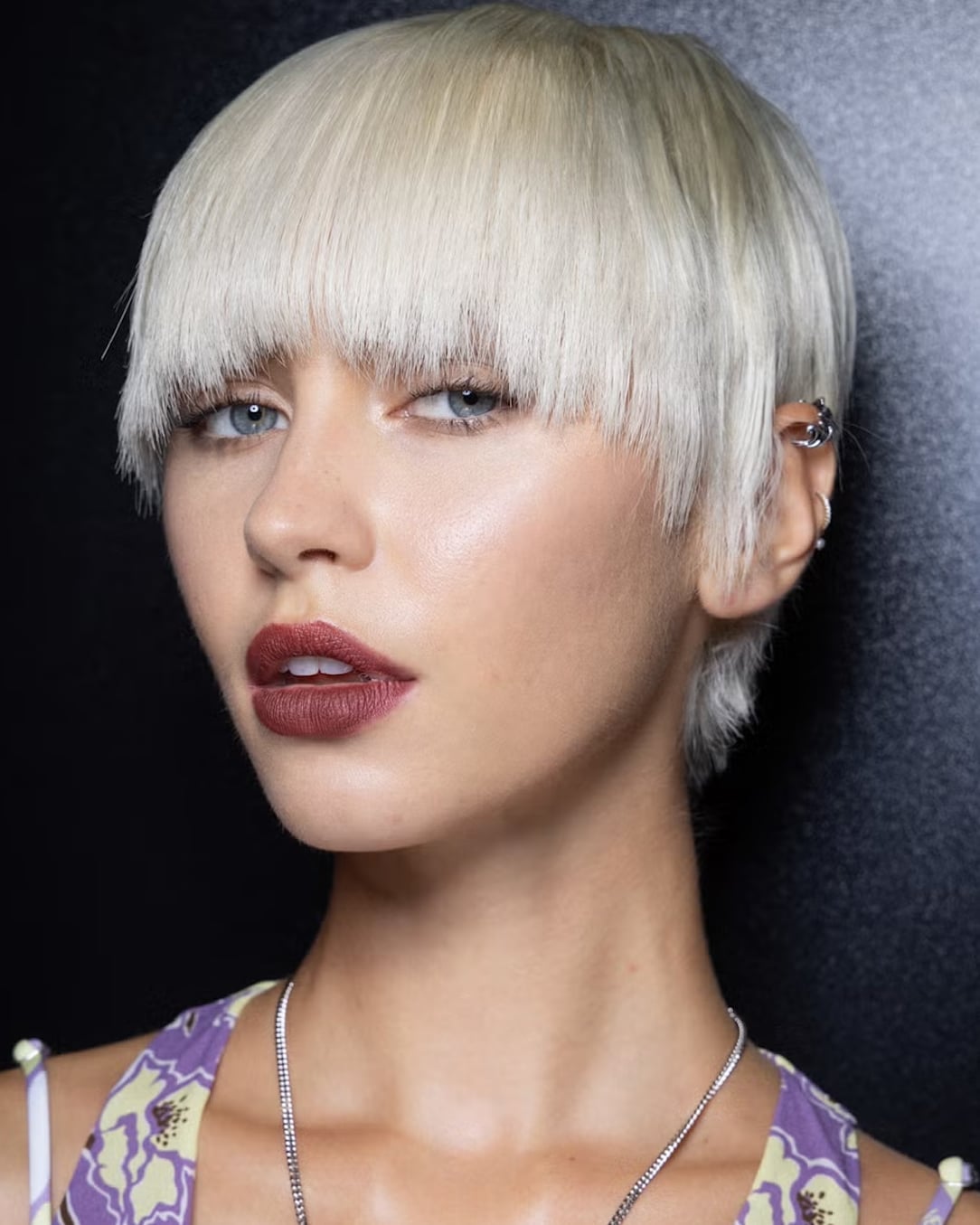
Ask your stylist for: ear-length bowl cut, blunt bangs, platinum blonde. The bluntness works for fine straight hair because it creates the illusion of density. The trade-off is precision. A flat iron is required for smoothness, and the blunt line needs a trim every four weeks. Any longer and the shape collapses.
Dark Brown Pixie With Curtain Bangs, Chin

Can curtain bangs work on a pixie or do they just look like an afterthought? They work when the fringe is long enough to reach the chin. This dark brown pixie keeps the sides short and the top wavy, with a middle parting that lets the curtain bangs fall naturally around the face. Ask your stylist for: pixie with chin-length curtain bangs, wavy texture. Fine wavy hair is the easiest to style here because it moves without heat. Blow-dry the fringe away from the face and expect to trim the bangs every four to six weeks to keep them out of your eyes.
Chin Length Bob With Curtain Bangs
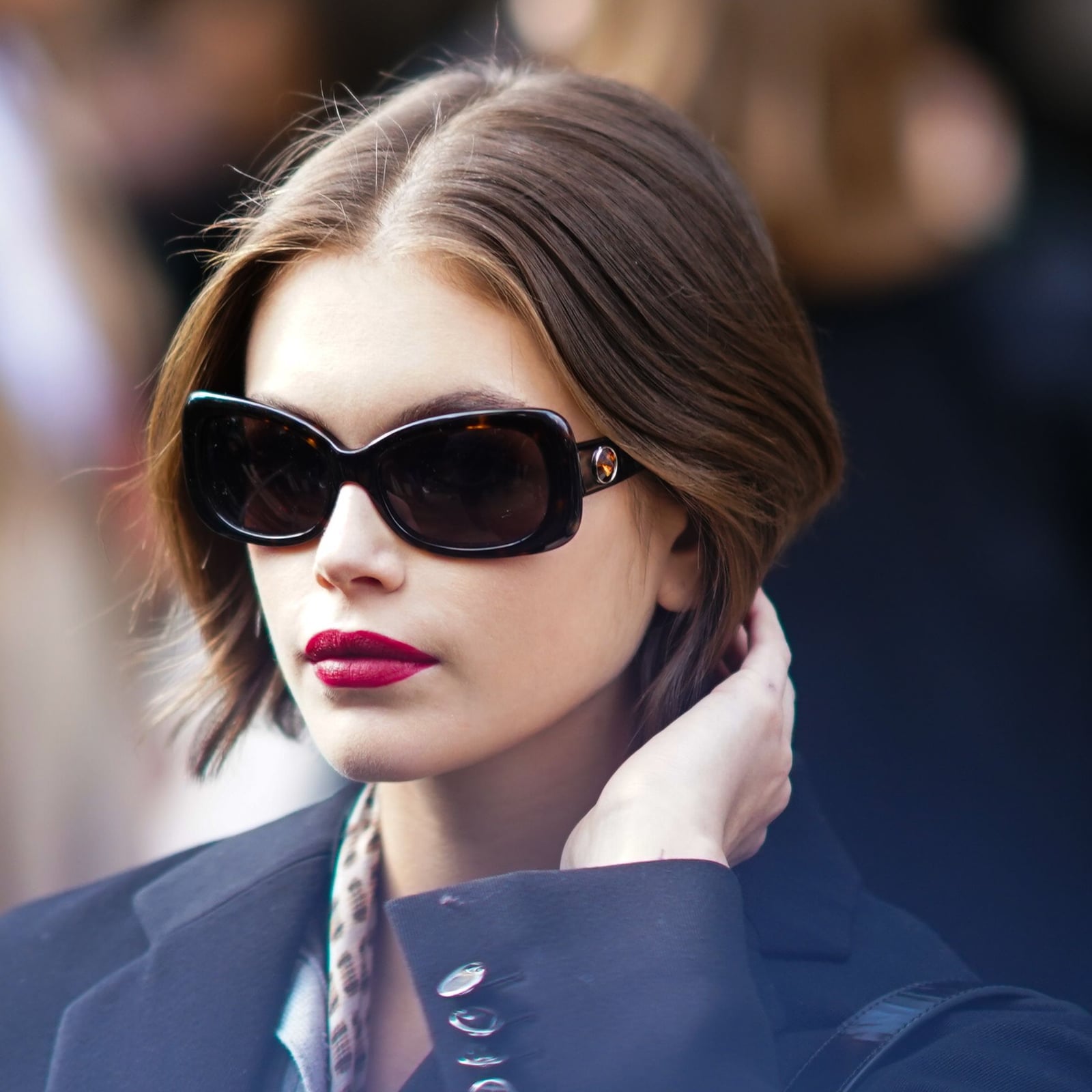
A chin-length bob with curtain bangs is a design that relies on weight at the baseline and softness at the edges. The side parting and blowout keep the fine dark brown hair from looking flat, while the face-framing layers give it movement. Ask your stylist for: chin-length bob, soft curtain bangs, face-framing layers. If your hair is fine and straight, this bob adds the illusion of density without needing a lot of product. Curtain bangs also have the advantage of softening a square or round jawline, which makes the cut more versatile than a blunt fringe. A round brush on the bangs and a trim every six to eight weeks are all the maintenance it asks for.
Chin Length Bob With Blunt Bangs, Dark Brown
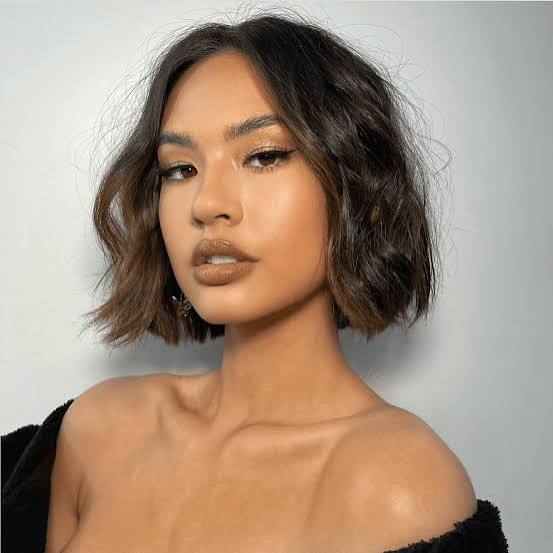
Because there is no graduation to hide behind, the integrity of the line depends on the cut staying fresh. A flat iron on low heat will keep the fringe from splitting, but the real tool is a trim every six weeks. Blunt bangs at this length also mean the forehead is fully exposed, so the cut works best when the commitment to the shape is total.
Gray Bob With Textured Layers And Short Bangs
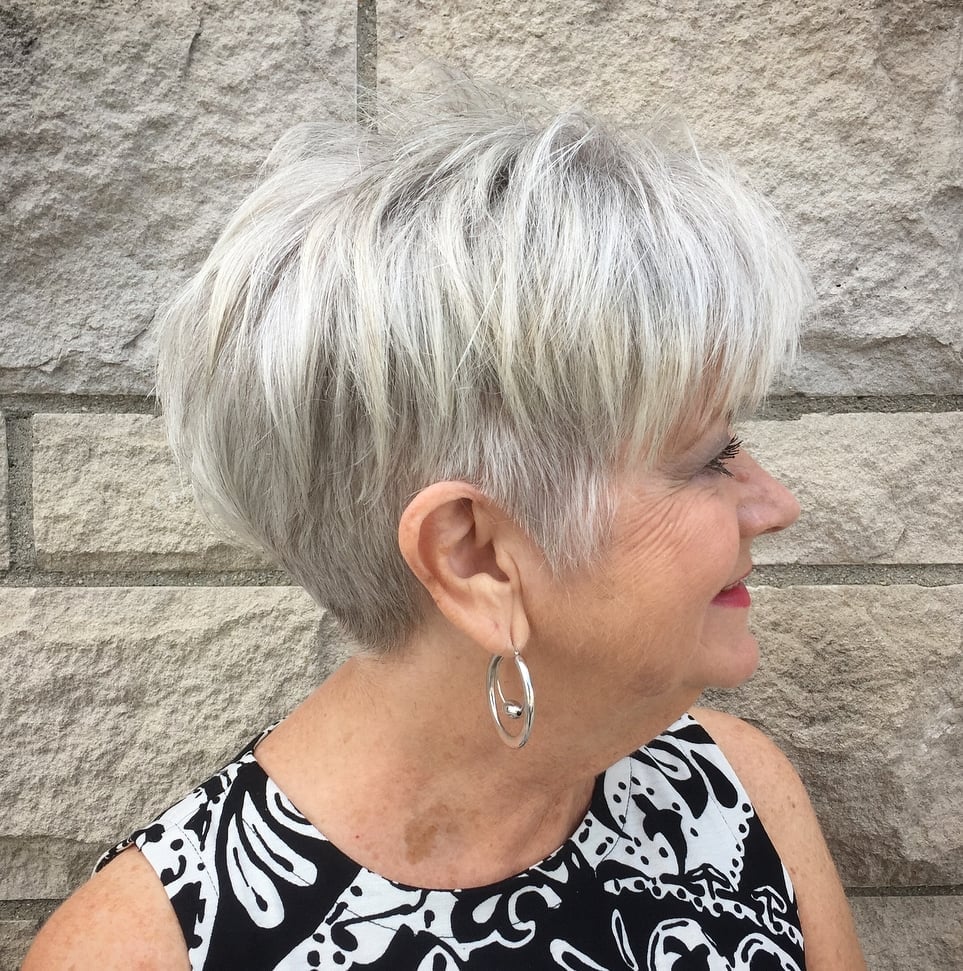
The fine straight hair gains body from the internal layering, and the short bangs keep the look modern. Ask your stylist for: short bob, textured layers, short bangs, gray color. The downside is that the layers grow out fast. A salon visit every six weeks is required to keep the shape from turning into a shapeless wedge. If you cannot commit to that rhythm, this cut will look like a regret by week eight. For those who can, the bob holds its shape without needing a curling iron.
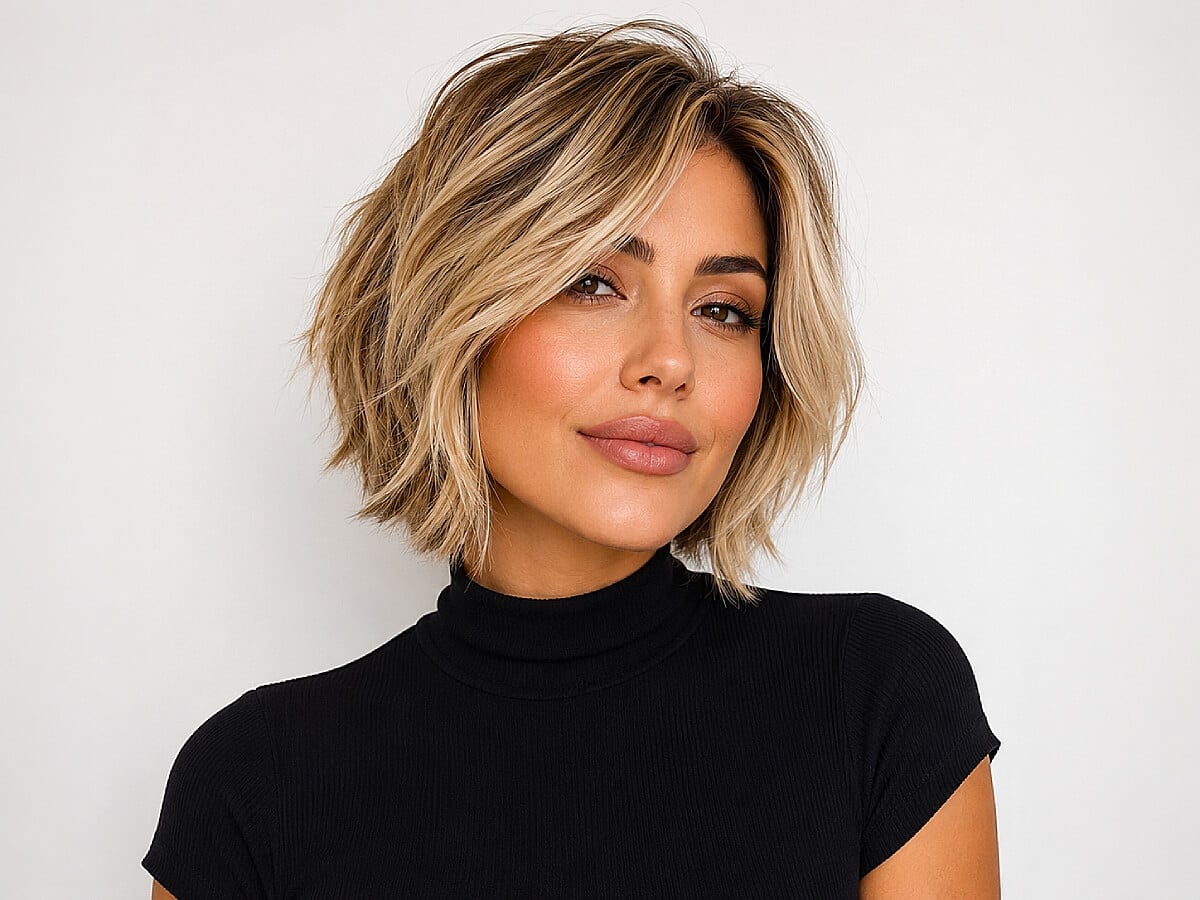
Wavy Chin Bob With Blonde Highlights
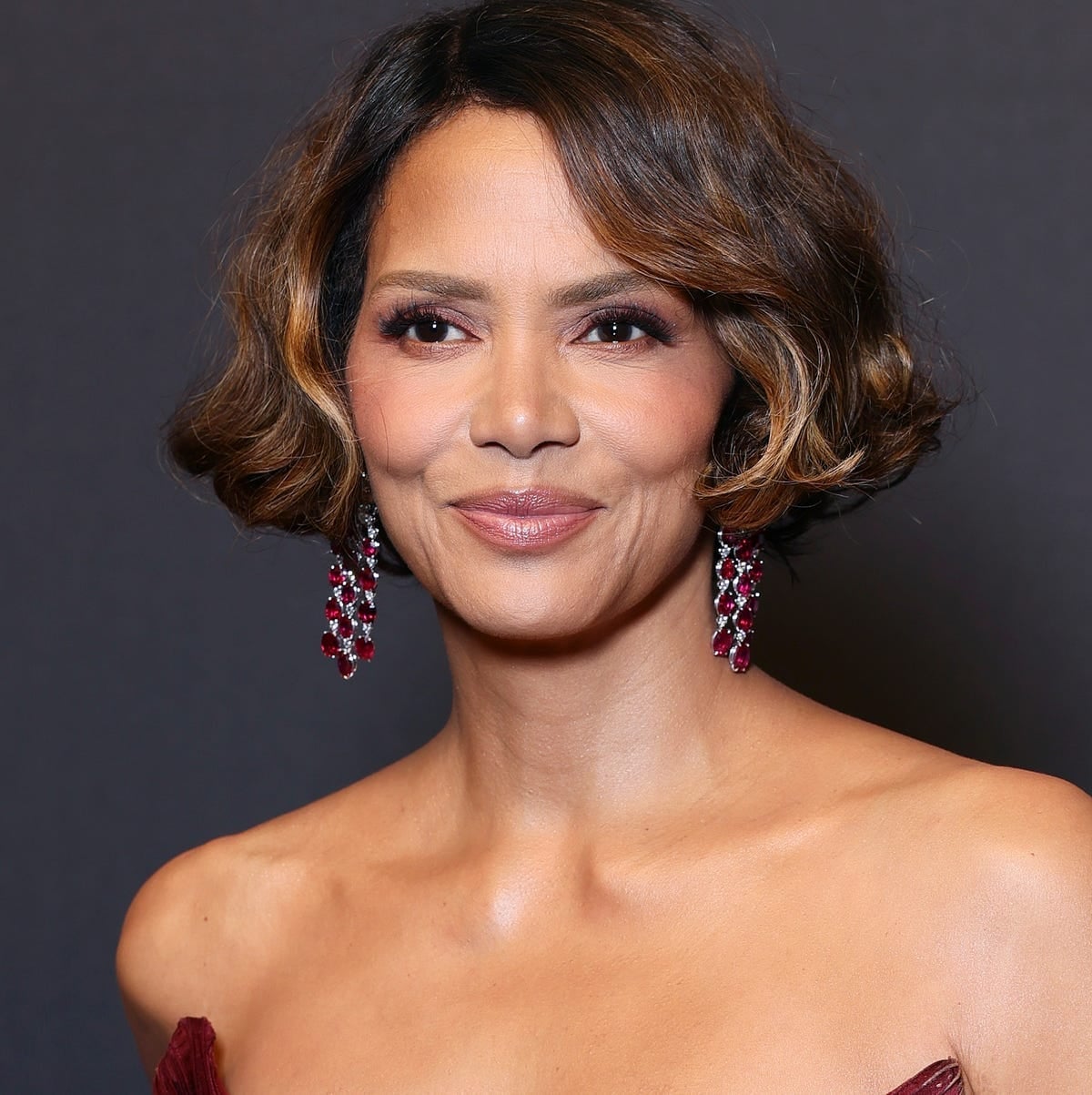
Can a chin-length bob with wavy texture look dimensional without looking busy? The answer is in the highlights. The dark brown base gets subtle blonde pieces woven through the ends, so the wave pattern stays defined. Ask your colorist for: chin-length wavy bob, curtain bangs, subtle highlights. The curtain bangs are cut to blend into the face-framing layers, which keeps the weight off the cheeks. Medium-density wavy hair is the ideal starting point: fine hair might lose the wave, and thick hair might overwhelm the shape. With a curl-defining cream and a diffuser, the whole process takes about fifteen minutes.
Sleek Chin Bob With Balayage
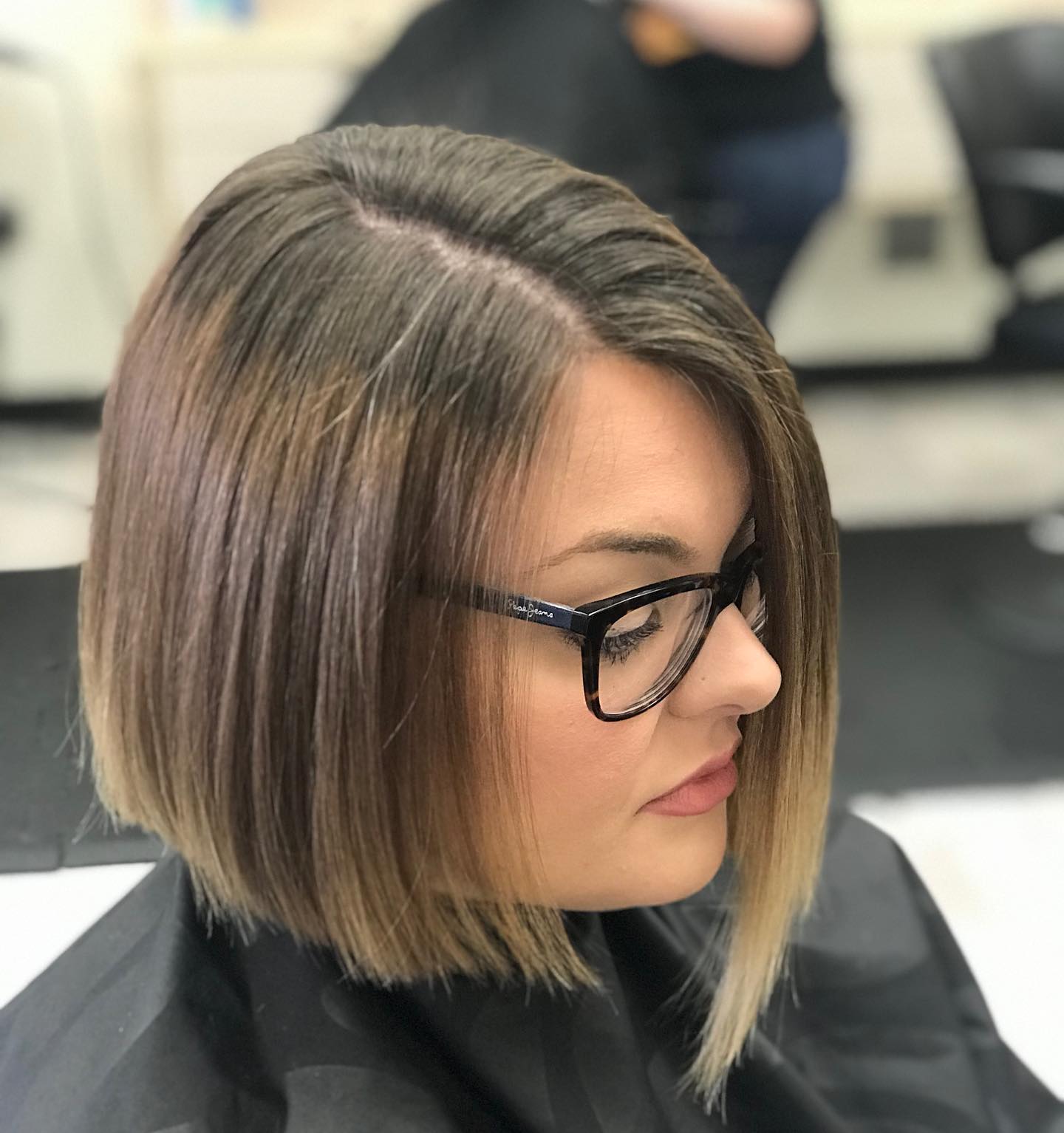
A sleek chin-length bob with balayage is built on two things: a clean line and a soft grow-out. The brown base shifts into blonde through the lower half, so the color does a better job of blending into the roots than foiled highlights would. Ask your colorist for: chin-length sleek bob, subtle blonde balayage. The straight, medium-density texture keeps the silhouette smooth, and tucking one side behind the ear shows off the color placement. Balayage means you can push a toning appointment to every ten to twelve weeks, but the cut still needs a trim every six to eight weeks to stop the ends from looking sparse. A smoothing serum and a flat iron are the only tools required.
Collarbone Bob With Wavy Blowout
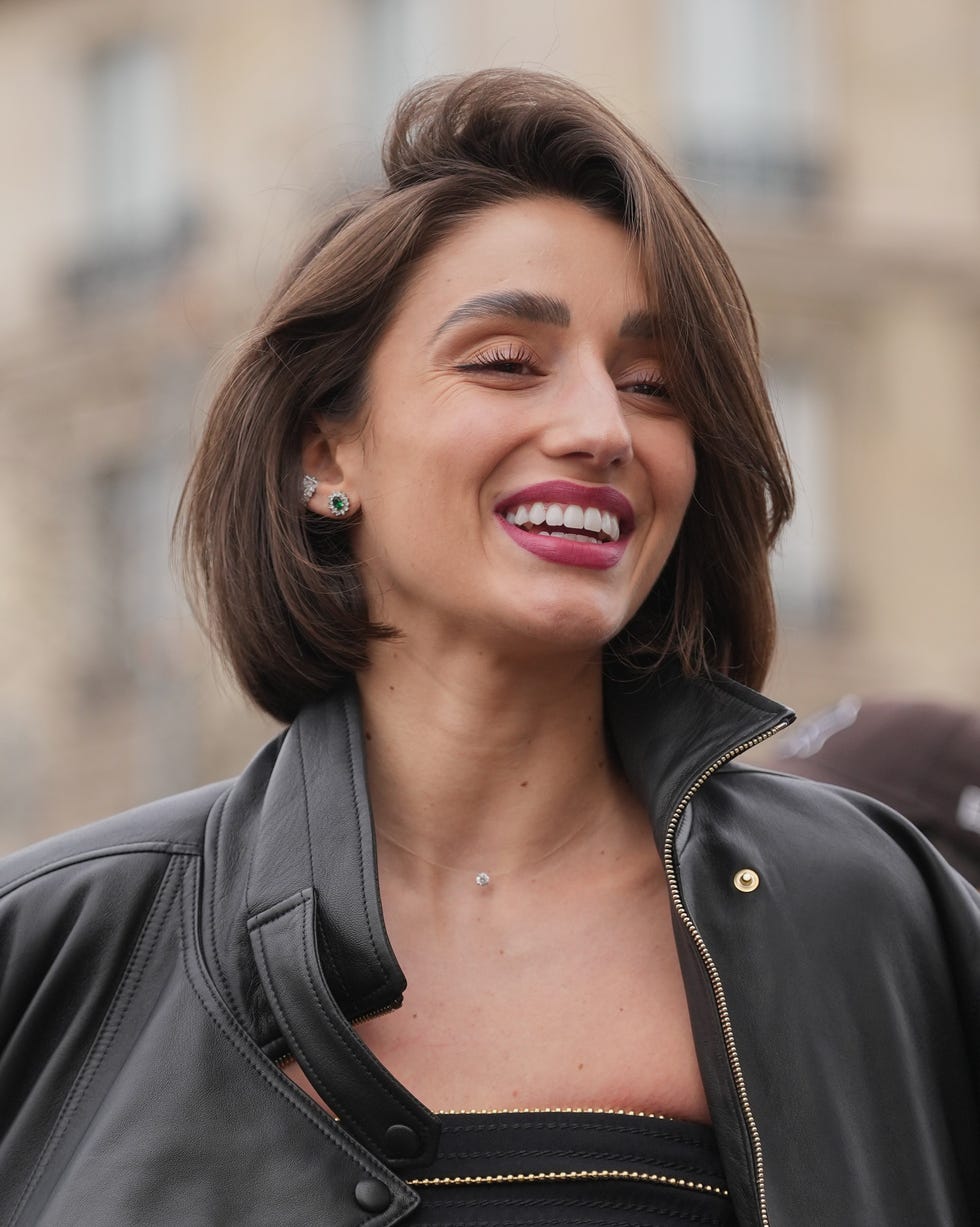
A collarbone bob that lands just above the shoulder keeps enough weight to hold a wave without sacrificing movement. This cut works best on medium wavy hair that already has some natural bend, since the blowout simply polishes what is there. Ask your stylist for a collarbone bob with soft waves and a glossy finish. A side parting adds volume at the root, which matters more at this length than you would think.
Building the blowout takes about twenty minutes with a round brush and a heat protectant. The goal is smoothness at the root and a gentle curve through the ends, not tight curls. A trim every six to eight weeks keeps the hemline clean and the waves landing in the right place. Without that regular appointment the shape starts to droop, and a collarbone bob that loses its line just looks like hair that needs a cut.
Collarbone Shag With Curtain Bangs

Can medium density wavy hair actually hold a shag without looking stringy? It can, if the layers stay chunky rather than razored to death. The collarbone length gives the curtain bangs enough weight to sweep open and close, and the face-framing layers stop the whole cut from feeling bottom-heavy. Ask your stylist for a collarbone shag with curtain bangs and textured layers. This is a cut that works with the wave, not against it, so air-drying with a texturizing spray is often enough to get the piecey effect. A trim every six to eight weeks preserves the layer pattern and keeps the bangs from growing into your coffee.
Dark Blue Bob With Wet Look Curls
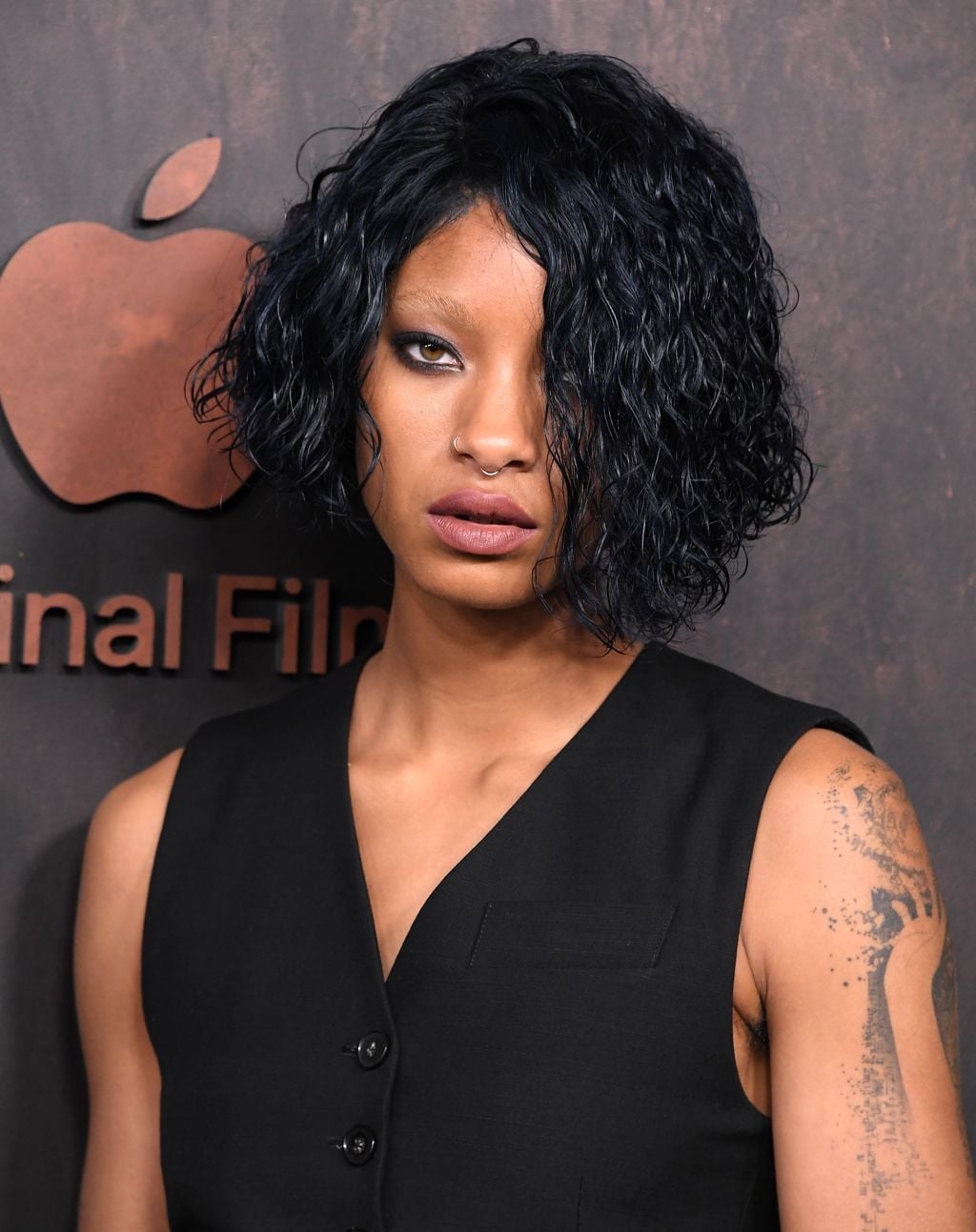
A wet look bob looks editorial, not accidental, when the color creates the effect. Dark blue on thick curly hair makes each curl a separate shape, and the glossy finish locks the definition in place. This cut works best for a night out or a weekend event where the goal is to be noticed. Ask your colorist for a dark blue all-over color. The wet look styling requires a strong hold gel applied to soaking hair, then left to dry without touching. A toning appointment every four to six weeks keeps the blue from fading into greenish. Skip this one if you prefer low maintenance color.
Shoulder Length Bob With Blunt Bangs
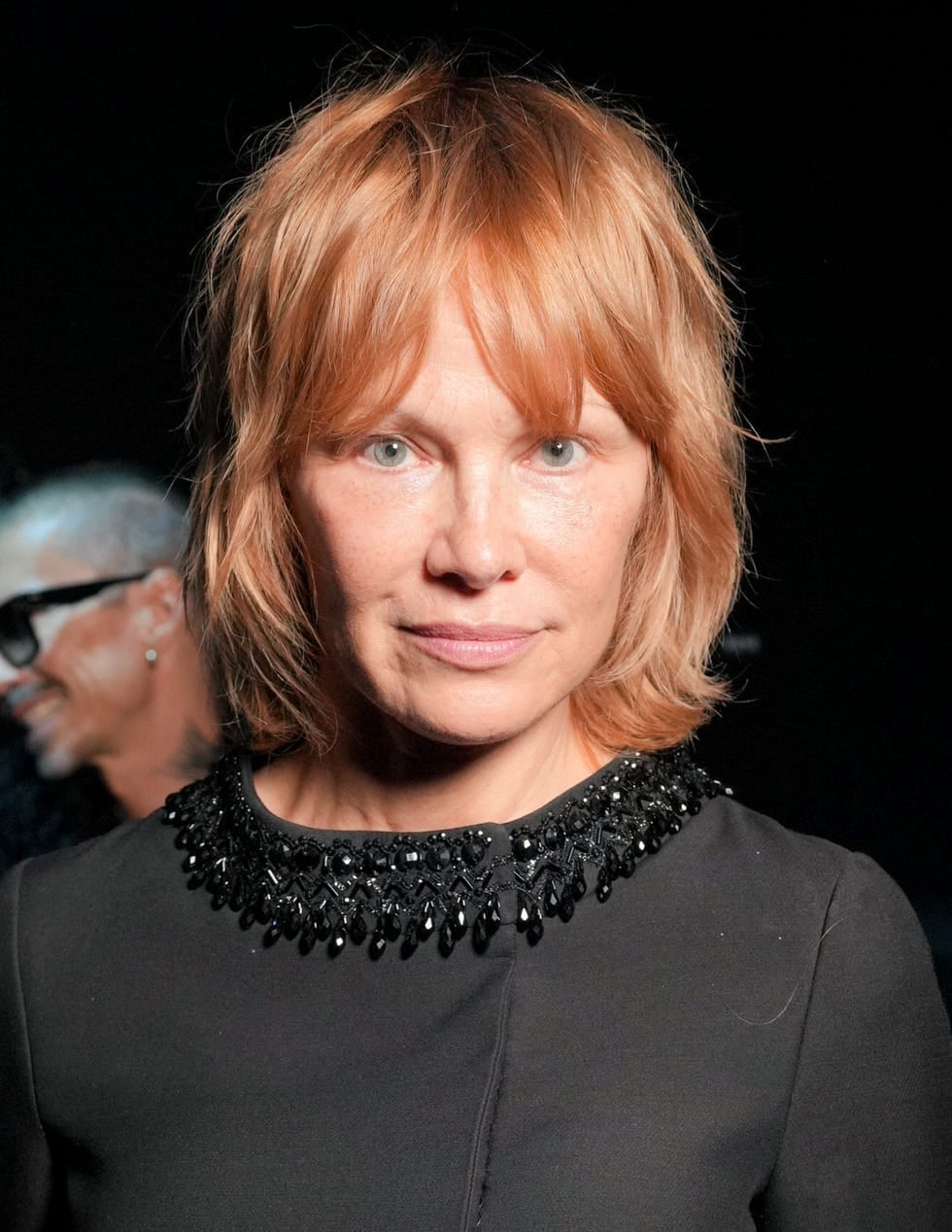
A shoulder length bob with blunt bangs is a test of commitment. The bangs sit straight across the forehead and the middle parting splits the weight evenly, so the cut relies on precision rather than texture. Thick straight hair handles this shape best because it holds the line without frizzing at the ends. Ask your stylist for a shoulder-length bob with blunt bangs and straight styling. The bangs should hit just above the brow so they can be pushed to the side if you change your mind later. A trim every four weeks keeps the bangs from turning into an awkward eyebrow curtain. The bob itself can go six to eight weeks, but the bangs will let you know sooner.
Ash Blonde Pixie With Textured Top
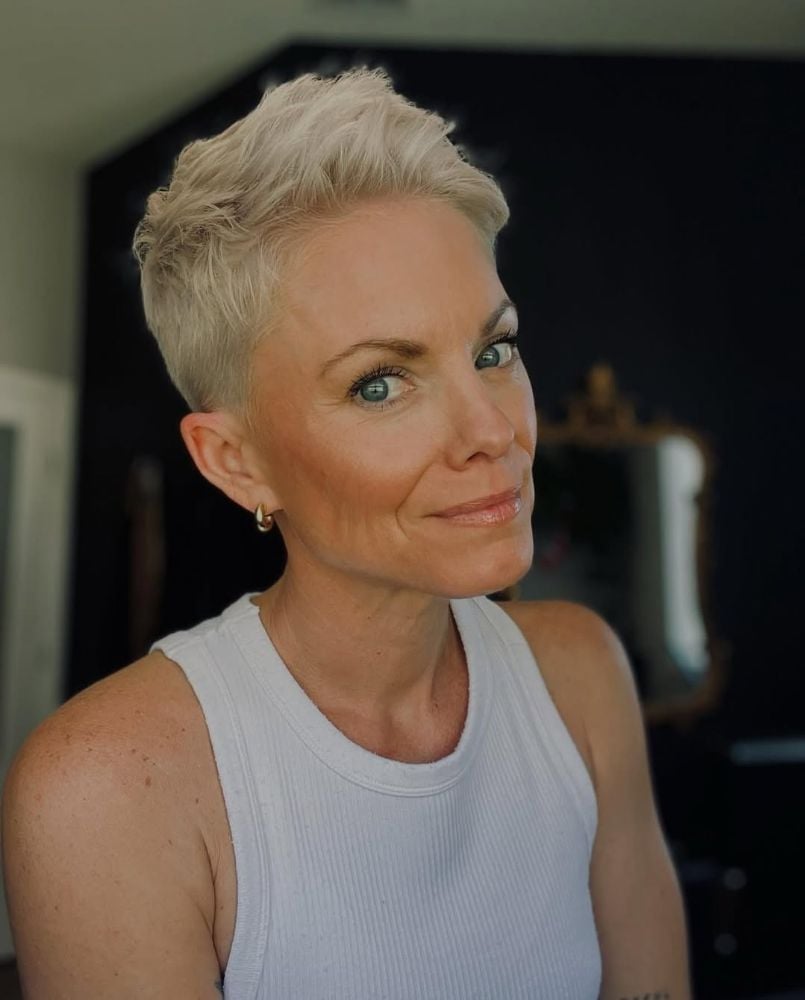
A textured pixie on fine wavy hair is a short cut that actually adds volume. The side-swept bangs break up the forehead line and the piecey top creates density where there is not much. Ask your stylist for a short pixie with side-swept bangs and a textured top. The catch is that fine hair needs product to hold the texture, and a matte wax or paste is required. Without it the waves flatten into a vague shape by midday. A trim every four to six weeks is required because pixies do not grow out gracefully. If you hate scheduling salon visits, this is not the cut for you.
Final Thoughts
For fine hair, keep a blunt baseline and skip heavy layers. For thick hair, an undercut or a pixie shag removes bulk while keeping the shape intact. The decision is simple: choose the cut that works with your texture, not against it.
- Trim pixies and short bobs every 4-6 weeks to maintain shape.
- Use texturizing spray or wax for styling definition on pixie cuts.
- Allow air-dried styles on fine textures to enhance natural movement.
- For blunt cuts, ensure regular trims to keep the line sharp.
Embrace the bold and beautiful world of very short hair.