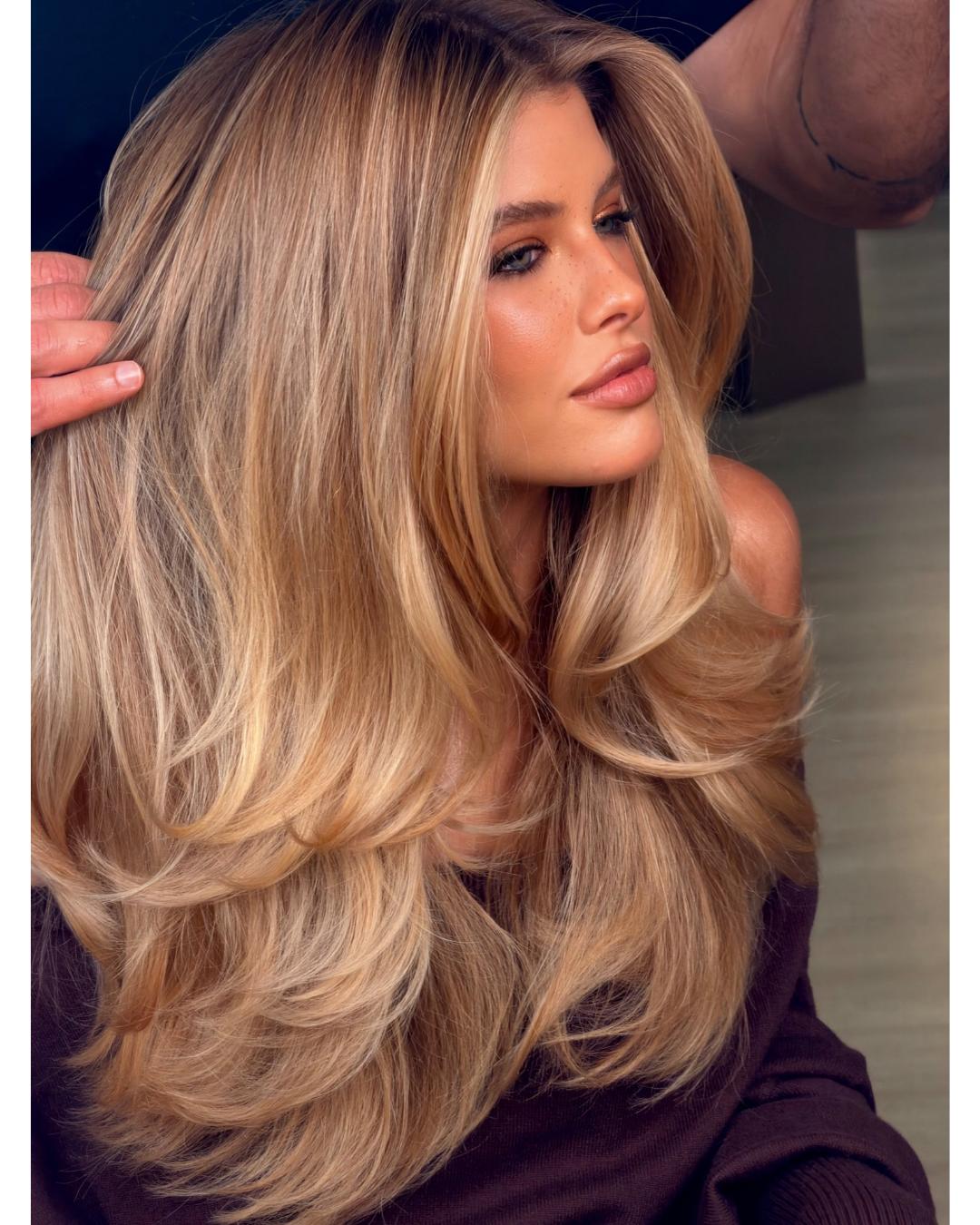
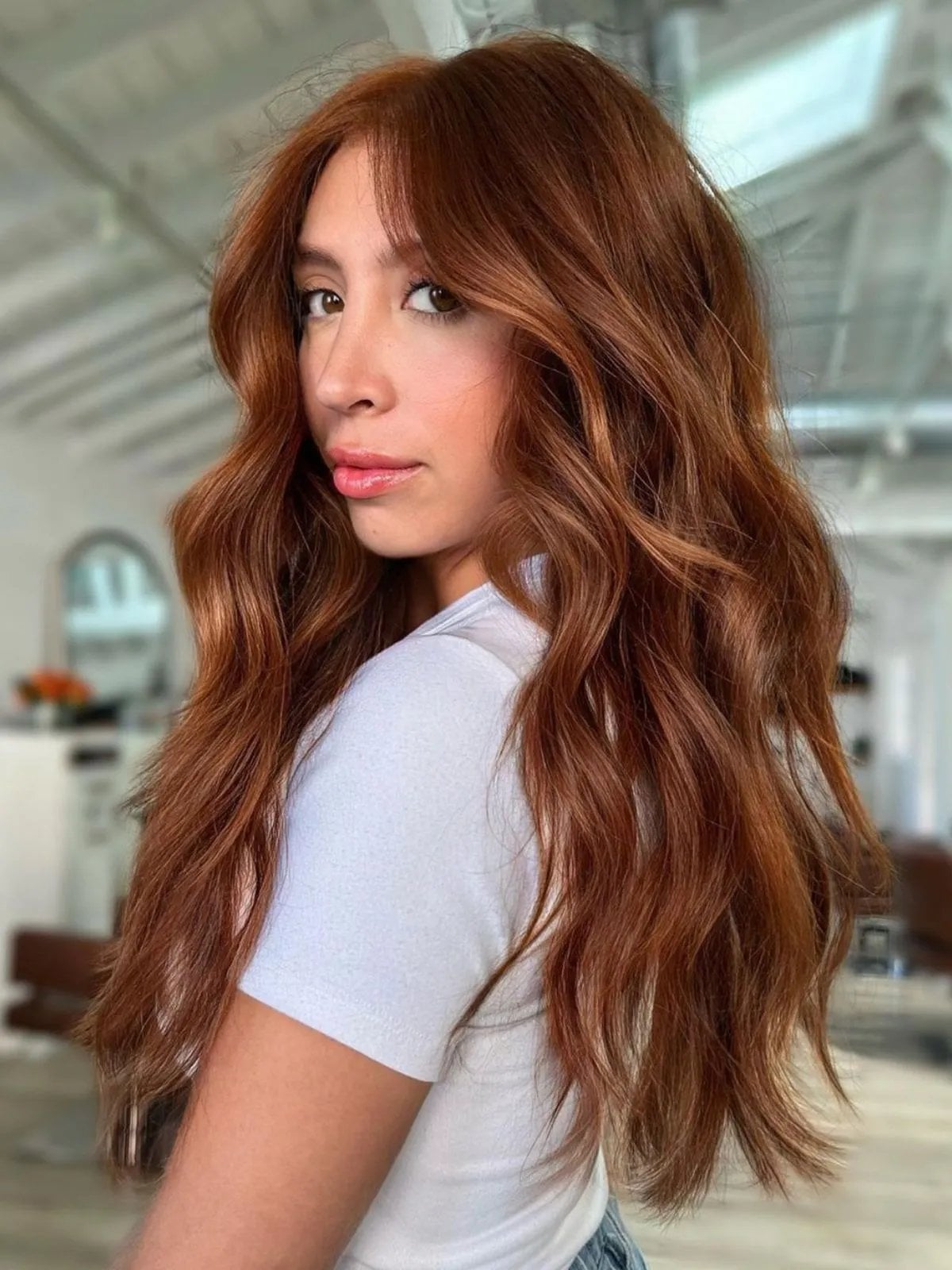
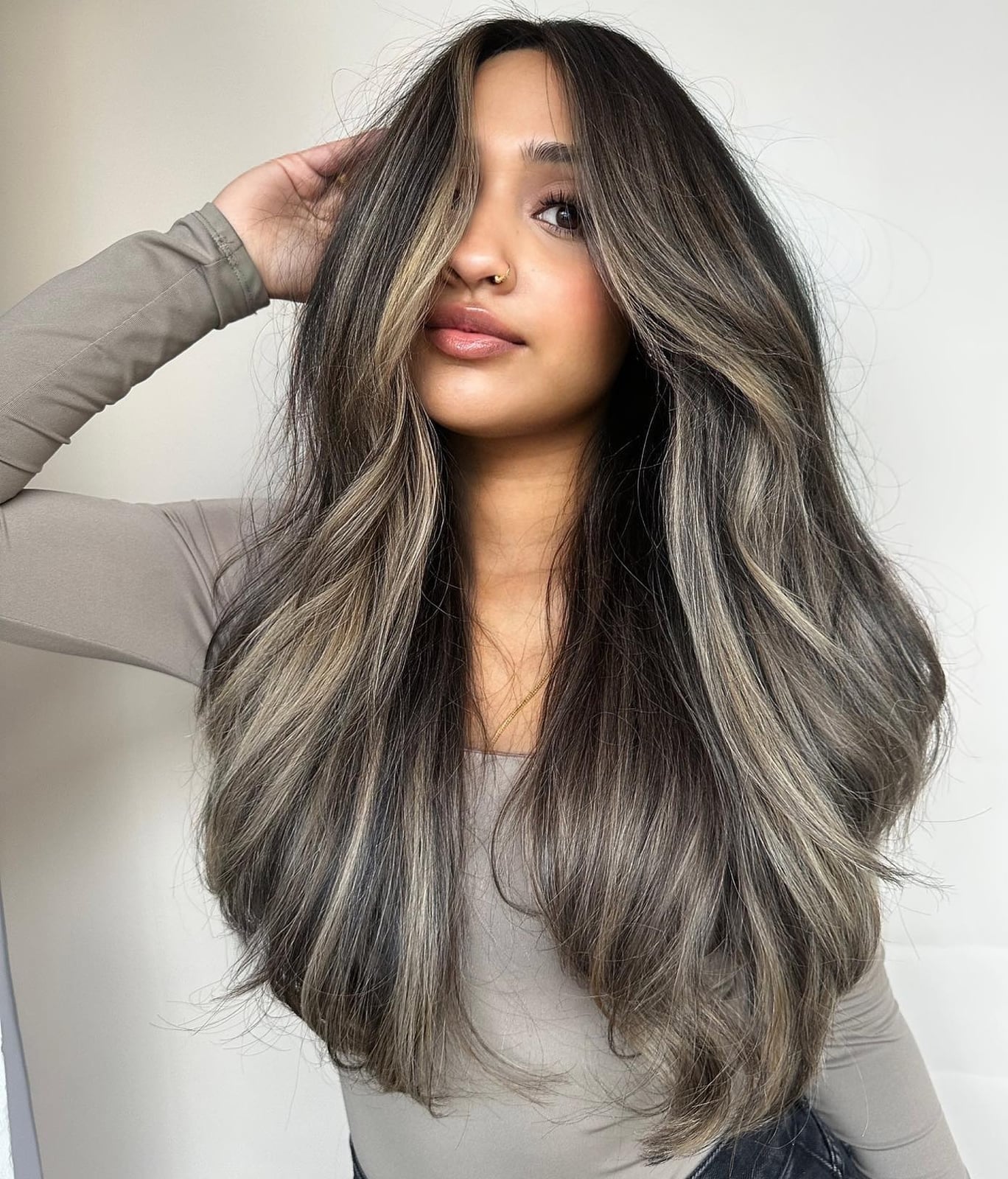
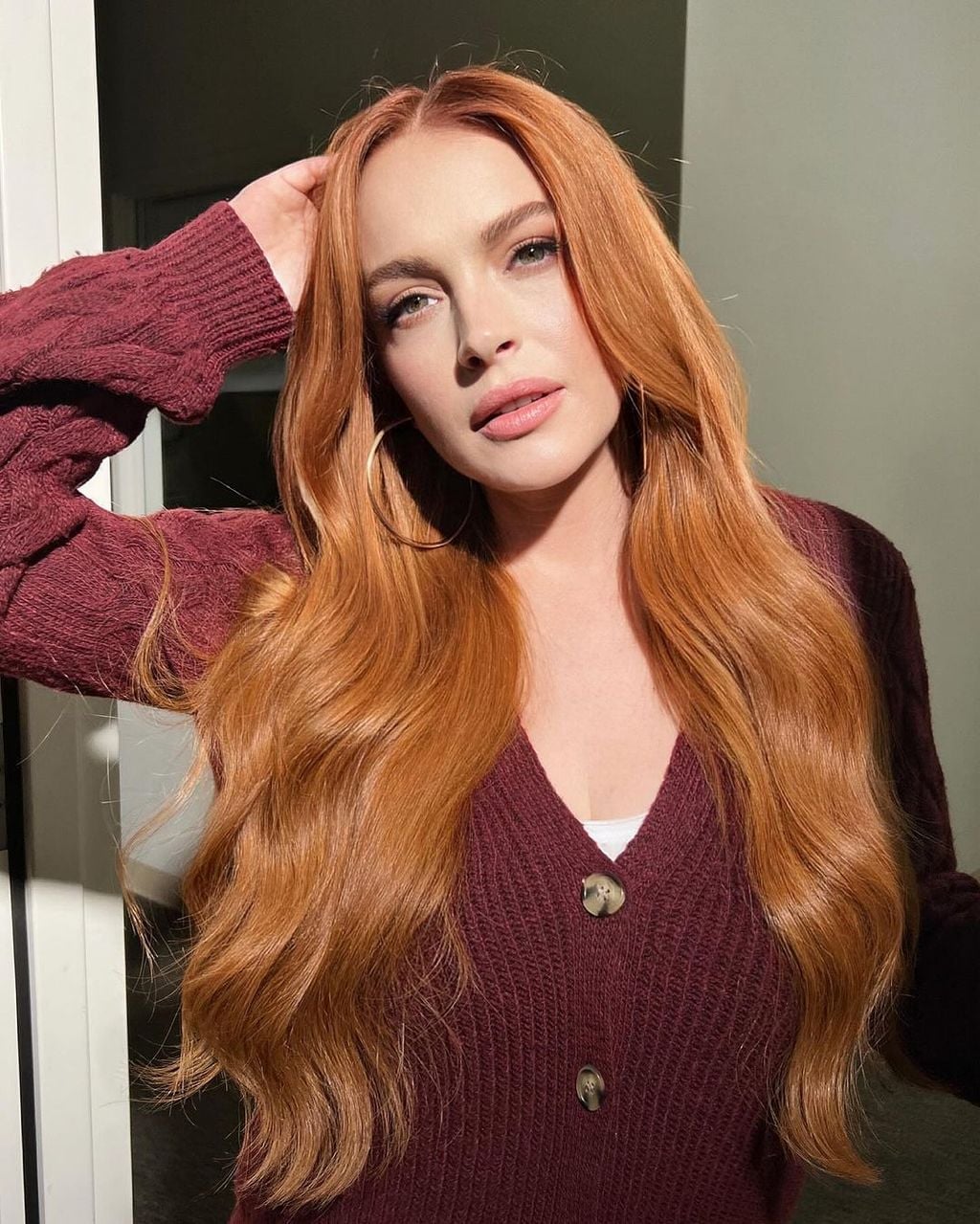
Ombré hair is a gradient color technique that dark roots into lighter ends, and in 2027 the look has shifted toward softer, more natural blends that grow out gracefully. Curtain bangs and face-framing layers are the cut details that keep a grown-out ombré from looking like a two-tone accident.
This collection of 34 Classy Ombré Hair ideas covers every length from chin to mid-back, every texture from pin-straight to coily, and every commitment level from low-maintenance caramel to statement rose gold. It solves the real struggle of finding an ombré that does not leave fine hair looking stringy, does not expose a harsh root line at week three, and does not require a fringe that refuses to cooperate.
Platinum Blonde Ombré With Face-Framing Layers
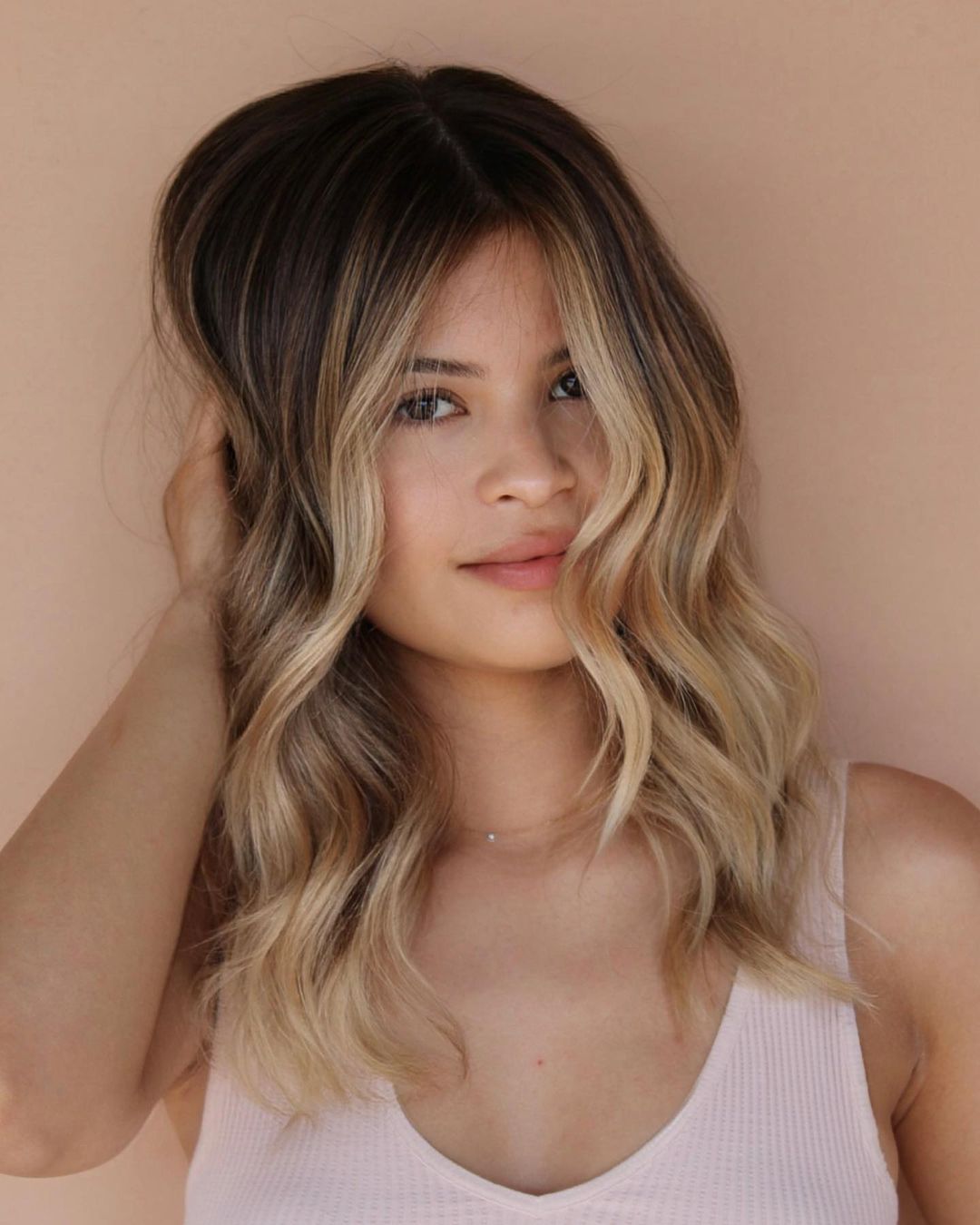
The design hinges on a precise transition: a platinum blonde ombré that starts lighter at the roots and edges into an almost white blonde at the tips, softened by face-framing layers. This is a look for fine to medium straight hair that already reaches mid-back length. The layers add movement without sacrificing volume, and they soften round and oval faces. Ask your colorist for: platinum blonde ombré, face-framing layers.
Maintaining the tone means a purple shampoo once a week to keep brassiness away. Plan on a trim every six to eight weeks to keep the ends healthy, since platinum draws attention to any split ends. The middle parting keeps the style balanced, and the soft waves at the ends give it a casual finish that still reads as deliberate.
Collarbone Lob With Caramel Ombré
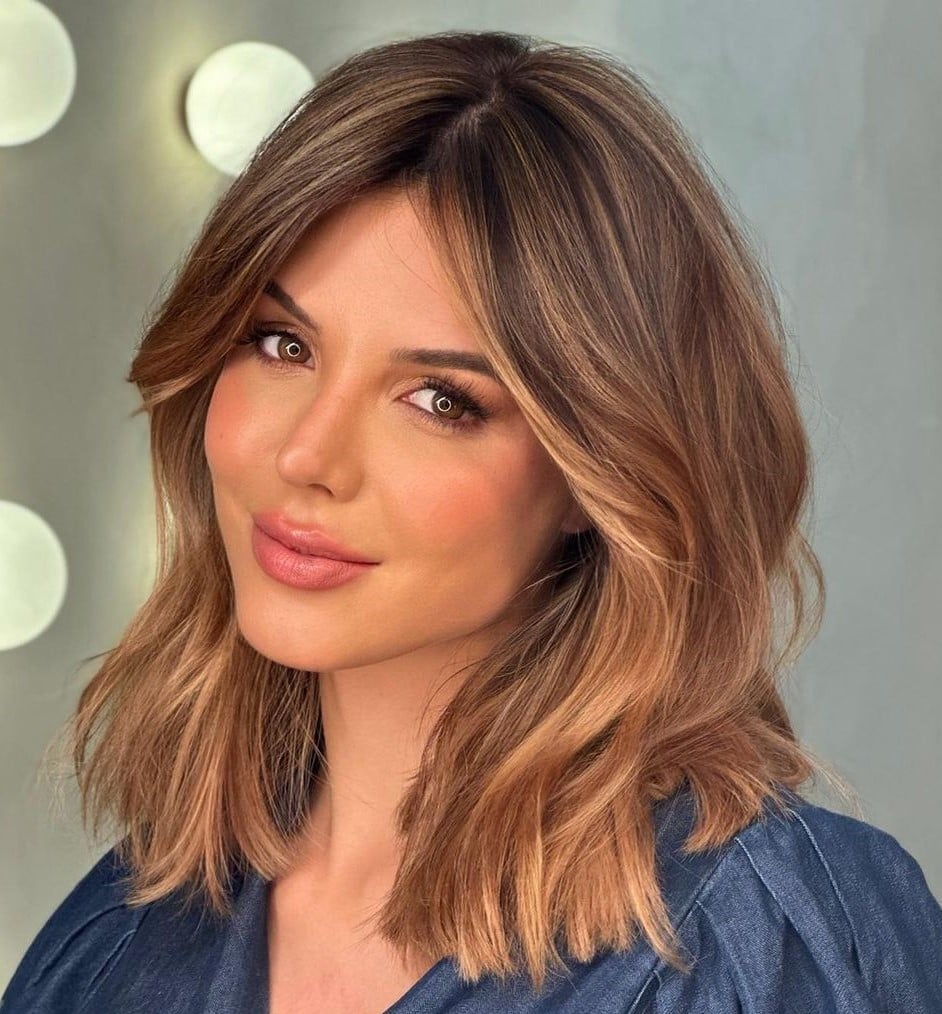
Wondering how to get that warm, dimensional caramel ombré without it looking harsh? The trick is a lob that hits the collarbone, with a medium brown base melting into caramel toward the ends. Side-swept bangs soften the face and complement the wavy texture. Ask your stylist for: caramel ombré lob, side-swept bangs. The side parting adds volume at the root, and loose waves keep the whole thing relaxed.
Long Shag With Caramel Highlights Ombré
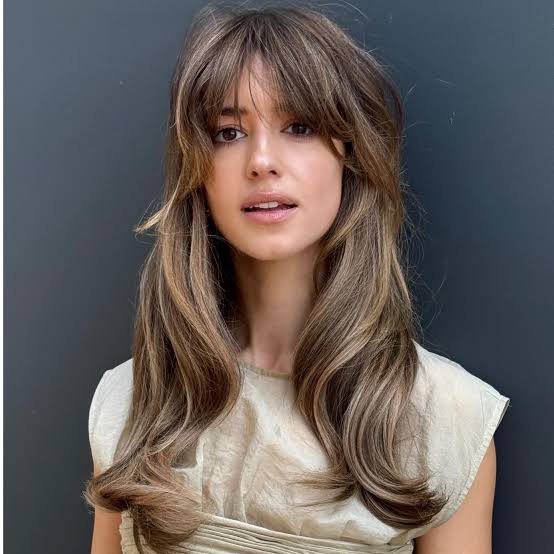
The construction here is a long shag with prominent curtain bangs, built on thick, wavy hair. The dark brown base gets subtle caramel highlights placed through a balayage technique, creating a natural ombré that adds dimension. Soft blowout waves give it a lived-in feel that works for everyday wear, and the curtain bangs soften square and oval faces. Ask your stylist for: long shag with curtain bangs, subtle caramel ombré. This style suits spring and summer best, when the sun-kissed effect feels most at home.
Wavy Bob With Dark Brown To Blonde Ombré
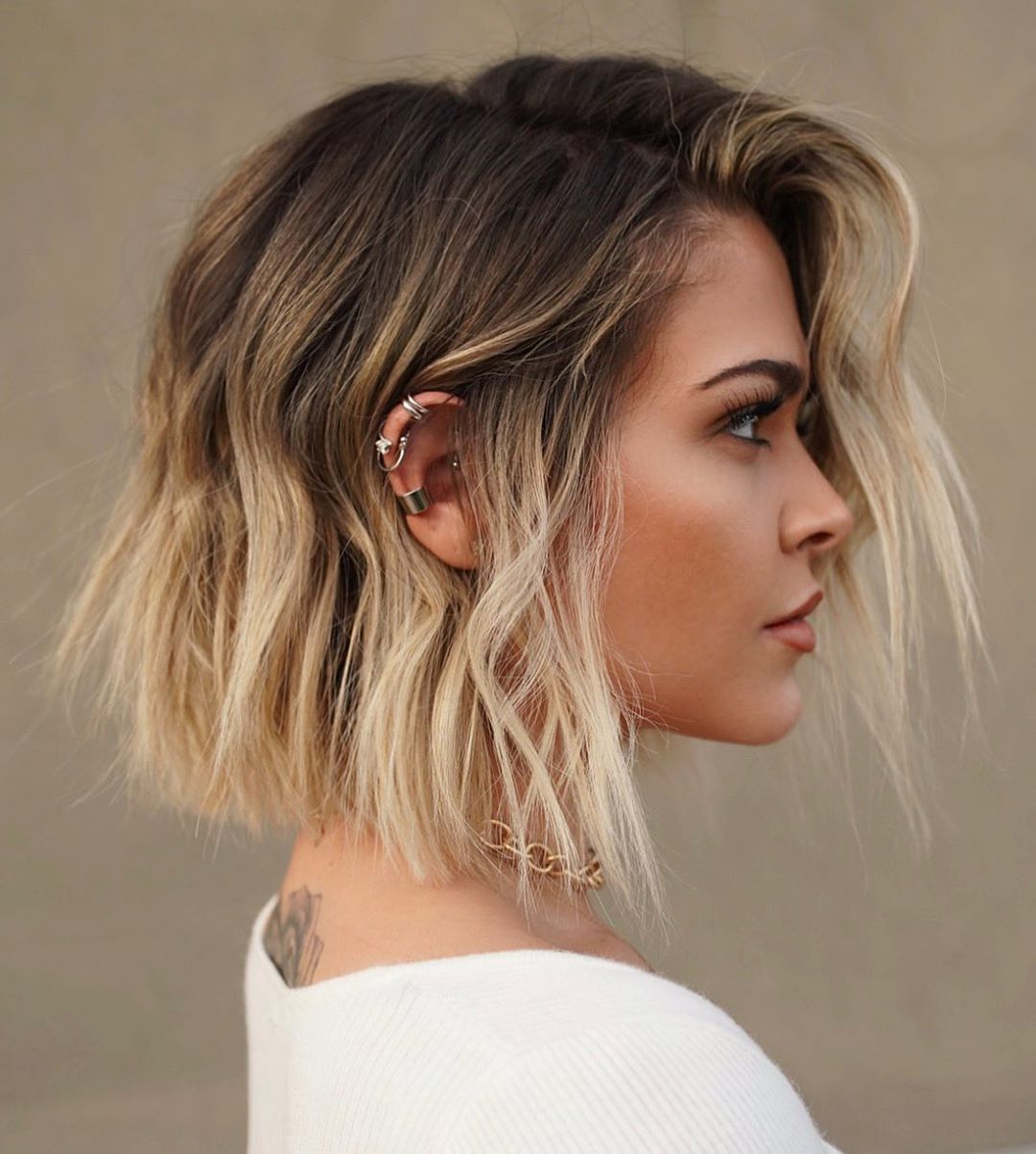
Compared to a solid color, a dark brown to blonde ombré on a wavy bob adds dimension but demands more salon time. The collarbone length and layers give the bob movement, and the side part adds a bit of asymmetry. This is a salon-only process, not a DIY project; the transition needs a skilled hand to avoid a muddy line. Ask your colorist for: wavy bob, dark brown to blonde ombré. If you want low maintenance, stick with a single color. If you want depth, this is the trade-off.
Mid-Back Natural Brown Ombré Waves
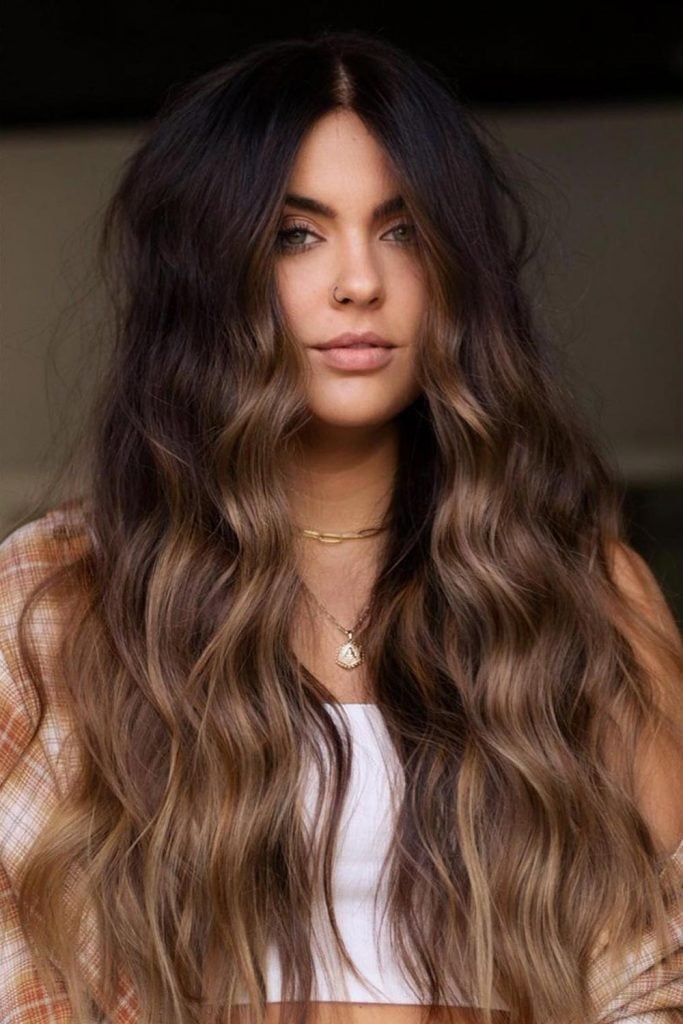
Thick, wavy hair holds its shape all day, which makes this natural brown ombré a low-effort option. The color graduates from dark brown at the roots to a medium brown at the ends, with subtle long layers that keep the weight distributed. A middle parting and loose waves finish the look. Ask your colorist for: natural brown ombré, loose waves. A smoothing serum keeps the shine, and a trim every eight to ten weeks maintains the shape. This is the kind of style that works with your hair’s natural behavior, not against it.
Long Dark Brown With Warm Caramel Ombré Curls
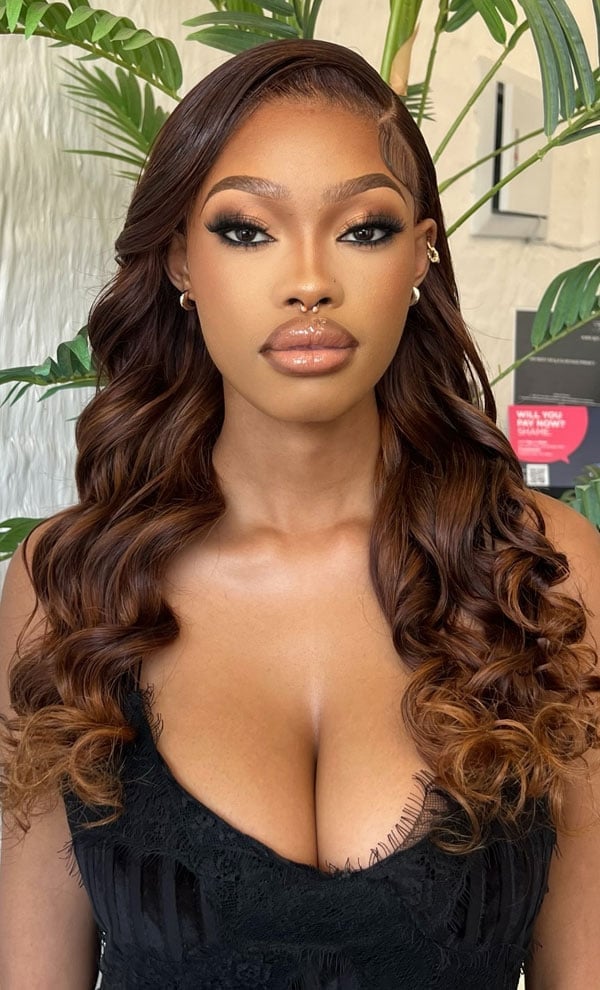
Ever wonder why some ombré transitions look like a happy accident rather than a deliberate choice? The warm caramel gradient on this mid-back length cut pulls off the trick by starting the lightness low enough that the dark root looks intentional, not grown out. Long layers keep the thick wavy texture from becoming a heavy curtain, while the side-swept bangs soften the front and give the whole shape a unified flow. Ask your colorist for: dark brown to caramel ombré, side-swept bangs. The one honest drawback is that these loose curls need a defined curl cream and a diffuser to hold their shape through an evening out, so plan on a bit of styling time before you head out.
Dark Gray To Silver Ash Blonde Ombré Waves
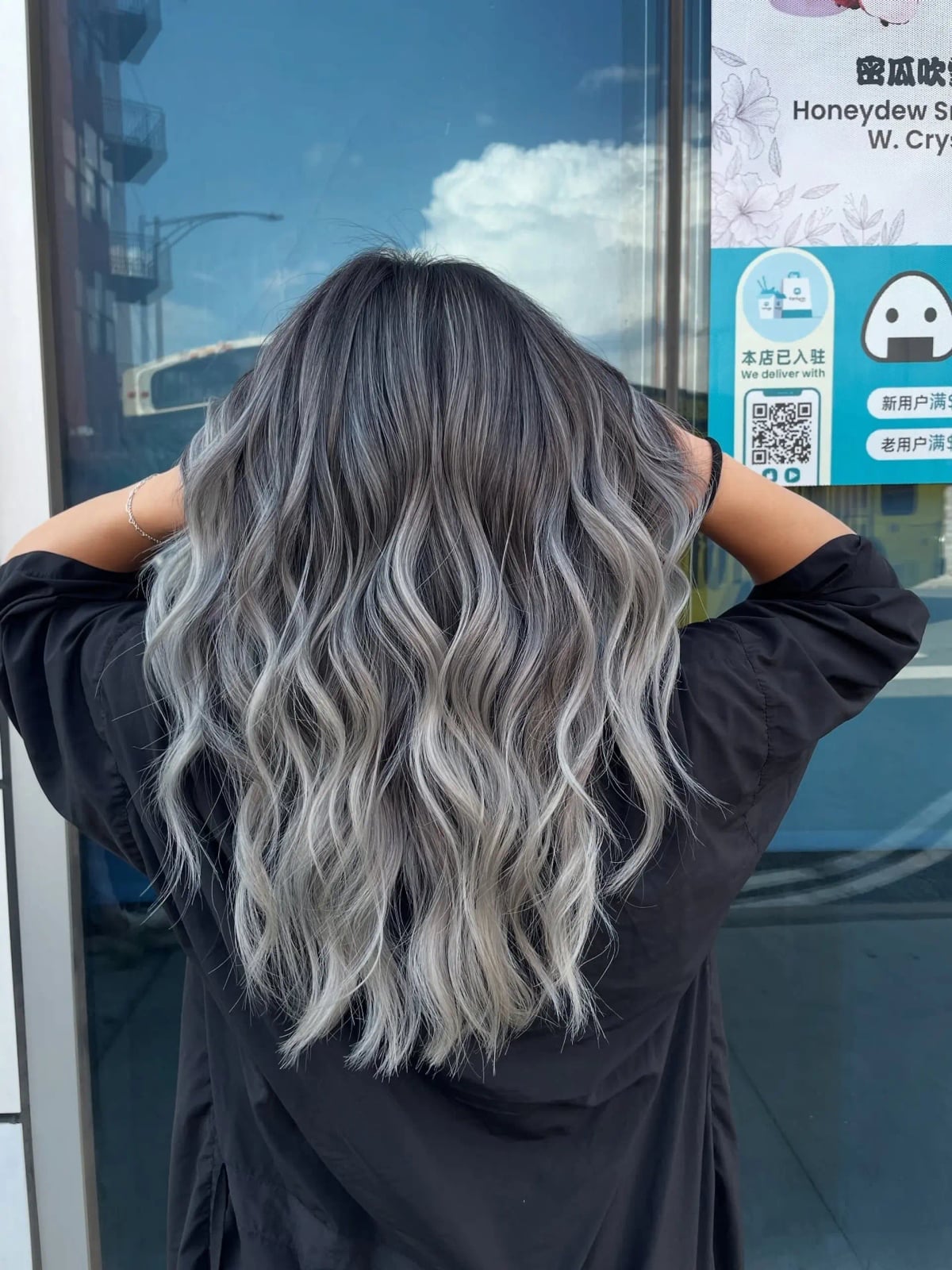
A silver ash blonde ombré on a dark gray base is a two-step salon process, not a single lightening job. The mistake people make is expecting the cool tones to stay cool. This mid-back length cut uses long layers and loose waves to show off the gradient from a back view. A middle parting keeps the symmetry clean. Ask your colorist for: dark gray to silver ash blonde ombré. If you skip the purple shampoo, the ends will drift warm inside three washes.
Dark Blonde To Light Blonde Ombré With Curtain Bangs
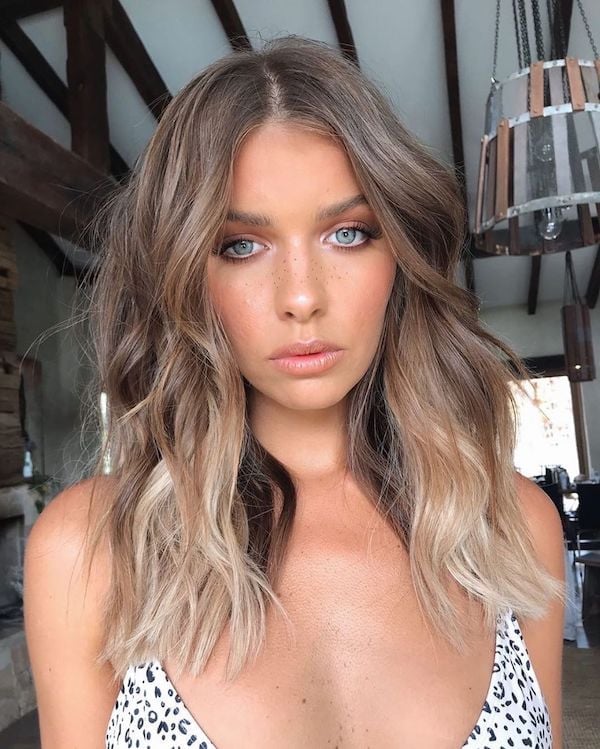
Wondering how to ask for curtain bangs that don’t look like an afterthought? The exact words are “dark blonde to light blonde ombré with long layers and curtain bangs.” The seamless transition from a darker root to lighter ends keeps the collarbone length from feeling flat, and the curtain bangs frame the face without shortening the overall shape. Thick wavy texture holds the soft wave pattern well, but the layers need to start below the chin to avoid shortening the visual line. Ask your stylist for: dark blonde to light blonde ombré, long layers, curtain bangs.
Shoulder Length Bob With Caramel Ombré
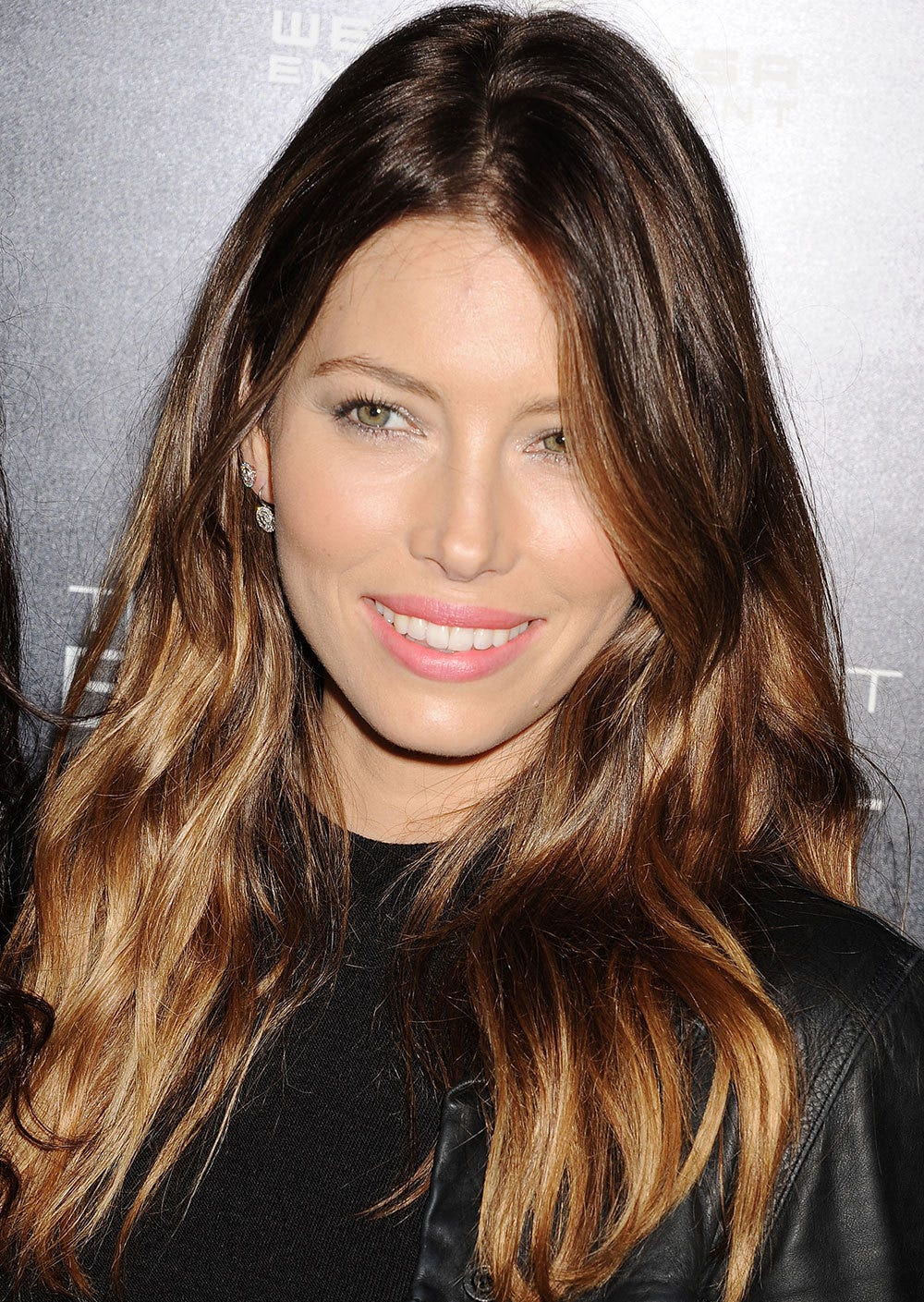
A shoulder length bob with a medium brown base and lighter blonde ends works best on medium density wavy hair. The layers add movement without sacrificing weight, and the side-swept bangs balance rounder or squarer jawlines by creating an asymmetrical line across the face. The ombré placement here starts above the ears, so the lightness hits around the cheekbones and lifts the whole shape visually. Ask your colorist for: shoulder length ombré, side-swept bangs. Straight hair needs a bit of wave added to show the gradient properly, so consider a one-inch barrel iron for the ends.
Copper To Blonde Balayage Collarbone Cut
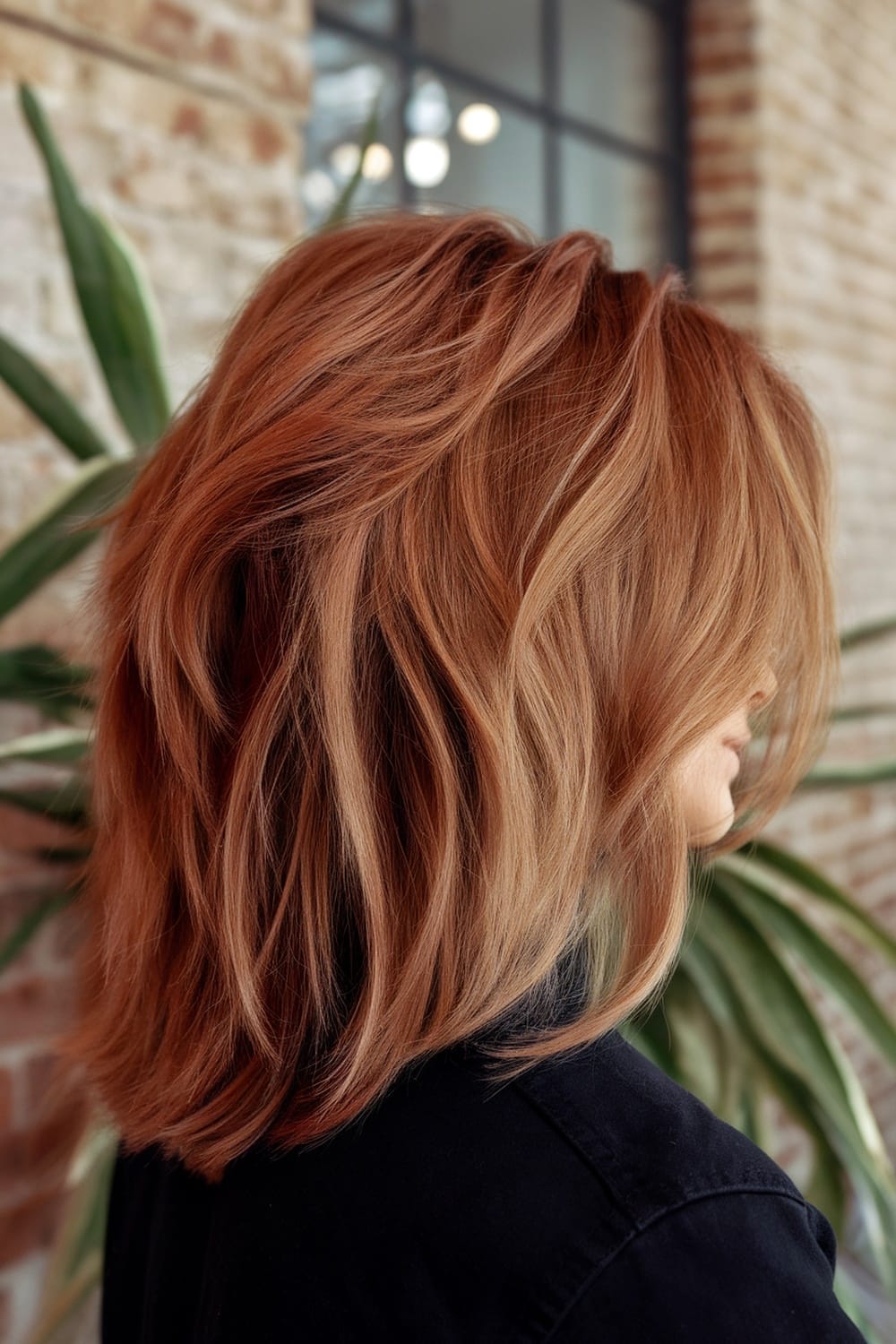
A copper base with blonde balayage is built by painting the lightener onto the mid-lengths and ends freehand, avoiding a harsh line of demarcation. This collarbone cut with curtain bangs and a wavy blowout shows the technique at its best: the copper stays vibrant at the root while the blonde adds contrast on the waves. This is a salon-only process that takes about three hours, so it suits a planned occasion, not a last-minute change. Ask your colorist for: copper to blonde balayage, collarbone length, curtain bangs. The result is a warm, face-brightening color that looks deliberate, not faded.
Dark Brown To Blonde Ombré Mid-Back Waves
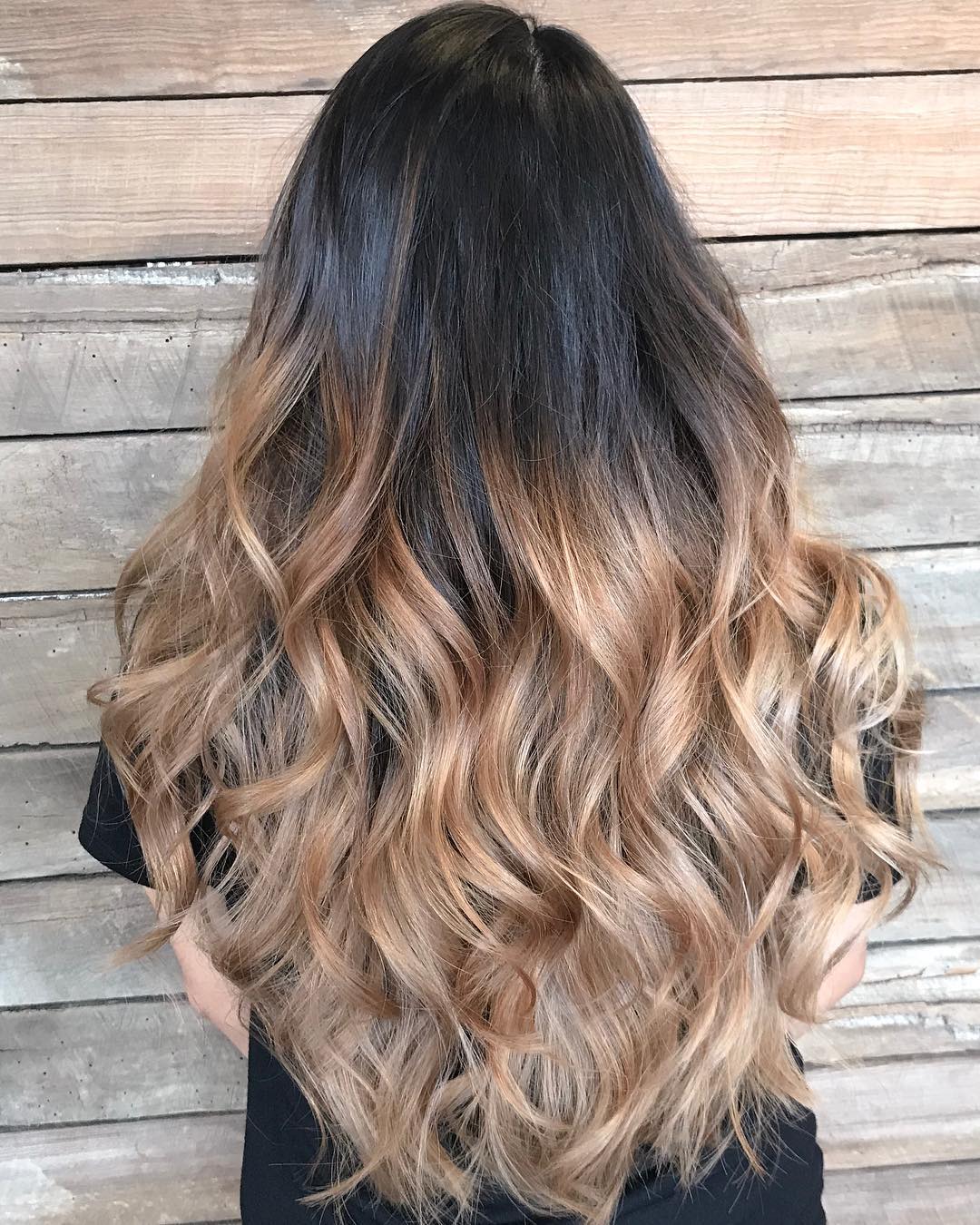
A back view of thick, layered hair shows a dark brown to blonde ombré that reads as a soft, sun-washed gradient. The loose waves let the lighter ends catch the eye without making the transition look striped. On hair that already has some wave, this style practically styles itself. Ask your stylist for: dark brown to blonde ombré, loose waves. A smoothing serum keeps the length glossy, and a trim every eight to ten weeks keeps the layers from becoming shapeless.
Because the ombré starts lower, near the shoulders, the roots stay low-maintenance for a while. The blonde ends need a toning appointment every six to eight weeks to hold their brightness, especially if you favor warm water. For thick hair, the length helps the waves sit naturally, so you can skip the heat tools most days and just scrunch in a bit of mousse.
Classic Dark Brown To Blonde Ombre Mid-Back, Wavy
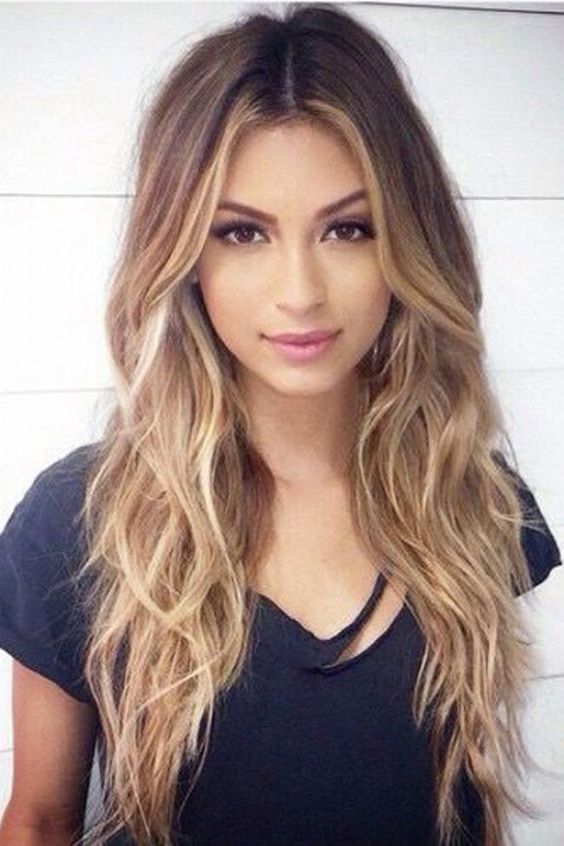
Compared to a balayage, which paints color on the surface for a more piecey effect, a classic ombre blends darker roots into lighter ends with a smoother, more uniform gradient. That makes it the safer bet if you want a polished, timeless look that still has dimension. It is not a low-effort color, though: the blend takes time in the chair, and without a gloss or toner, the blonde can drift brassy. Ask your colorist for: classic dark brown to blonde ombre. The subtle layers in this mid-back cut give the loose waves room to move, so the color shift is part of the shape.
This one is a salon project, not a DIY job. The gradient needs a skilled hand to avoid a harsh line, and the middle parting means both sides have to match. Plan on a few hours and a toner refresh every six to eight weeks to keep the blonde from going orange. The result is a low-fuss daily style: just air-dry with a wave-enhancing cream and let the ombre do the talking.
Chin Length Bob With Caramel Ombré, Wavy
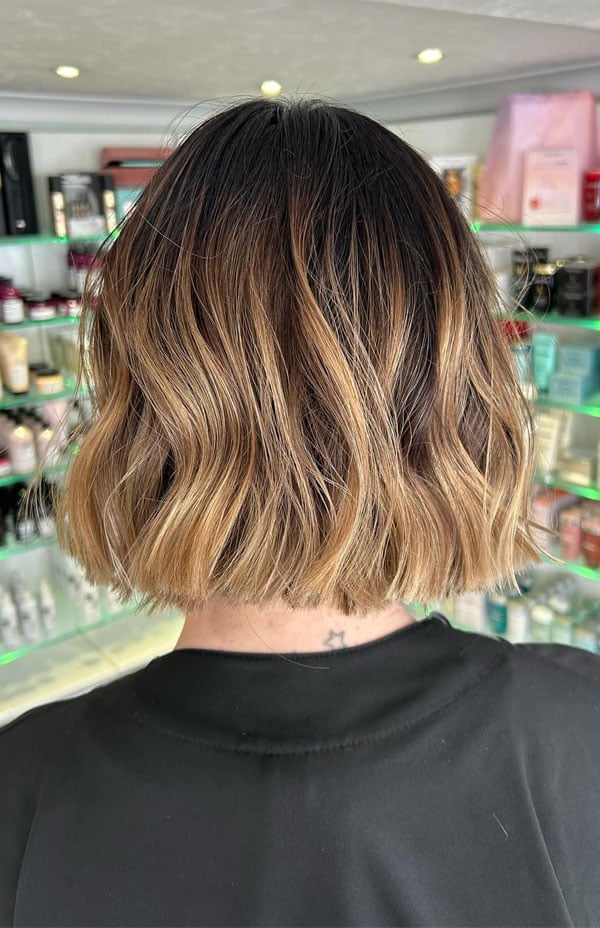
A chin-length bob with a middle parting and soft waves is a smart choice for fine hair, since the shorter length keeps strands from falling flat. The caramel ombré adds a warmth that gives the fine texture a bit of visual weight, and the lighter tones around the face brighten the whole cut without needing a heavy highlight. Ask your stylist for: chin length bob, caramel ombré. This shape suits a round face, as the length below the chin elongates the line. For fine wavy hair, a volumizing spray at the roots helps the waves hold their shape, and a trim every six to eight weeks keeps the bob crisp.
French Bob Brown With Blonde Balayage Ombré
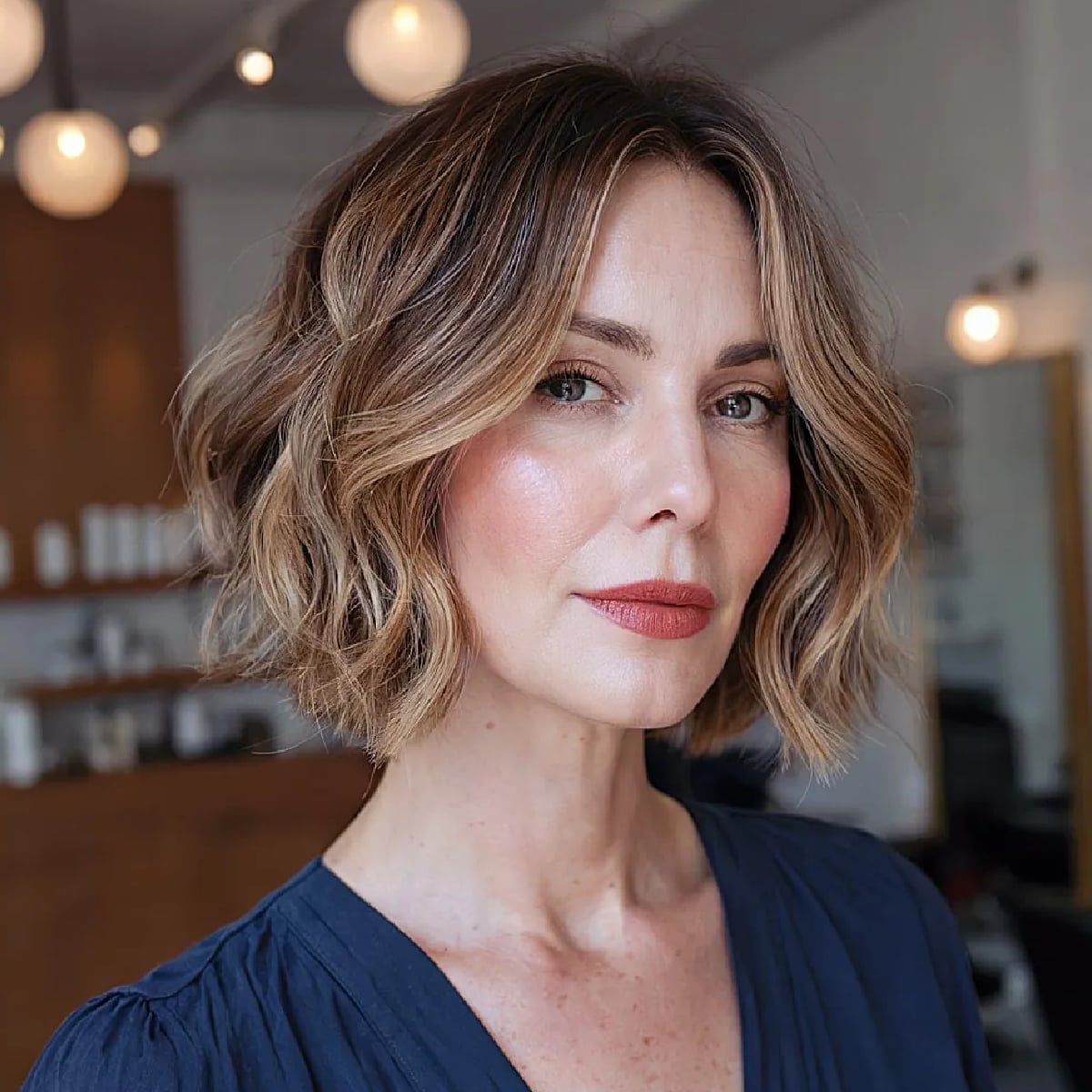
How do you ask for this without getting a harsh, blocky color line? Start with the cut, then the color. A French bob is chin-length and often a bit cropped at the nape, with soft, textured waves that give it a lived-in feel. The brown base melts into a subtle blonde balayage, which is the key: balayage paints the color on the surface, so the ombré effect looks natural, not painted on. Ask your colorist for: french bob, brown to blonde balayage ombré. This cut flatters oval and heart faces, and the fine texture keeps it from looking heavy. For definition, work a texture paste through the waves, and expect a trim every six to eight weeks.
Mid-Back Dark Brown To Blonde Ombré Blowout, Close-Up Take
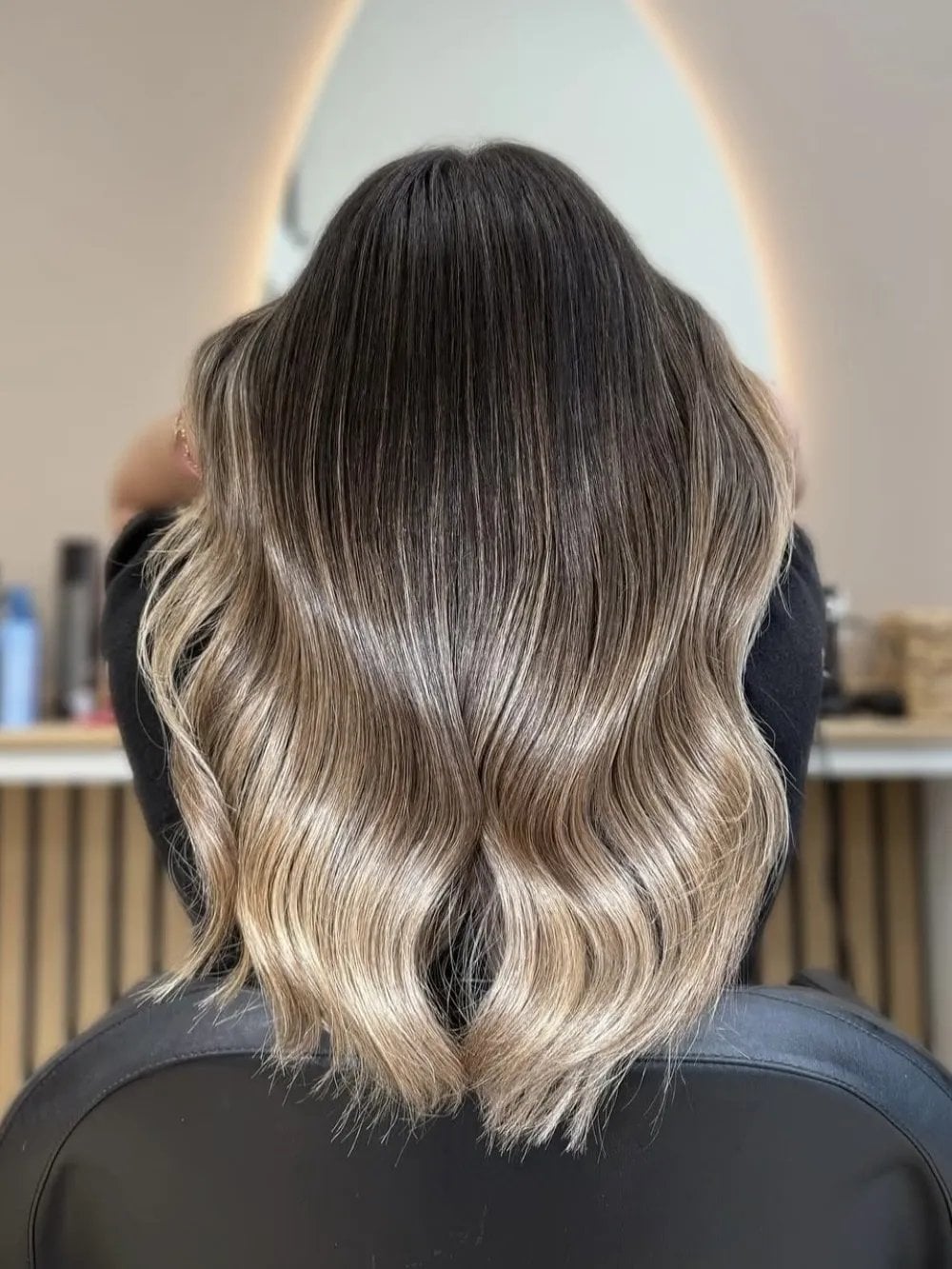
A wavy blowout on thick, mid-back length hair creates a salon-finished look without requiring a full hour. The dark brown to blonde ombré is most visible when the hair moves, so a round brush and a blow dryer are your friends: they add volume at the roots and smooth the length, making the gradient look seamless. Ask your stylist for: dark brown to blonde ombré, wavy blowout. The subtle layers help the waves fall in place, and a heat protectant is needed before you start. This style wears well into the evening, though the ends may need a quick touch-up with a curling iron. A trim every eight to ten weeks keeps the ends healthy, and a toner every six to eight weeks holds the blonde. The styling time is a factor: a full blowout on thick hair runs about twenty minutes, so it is more of a weekend look than a daily one.
Chin Length Bob With Rose Gold Ombré
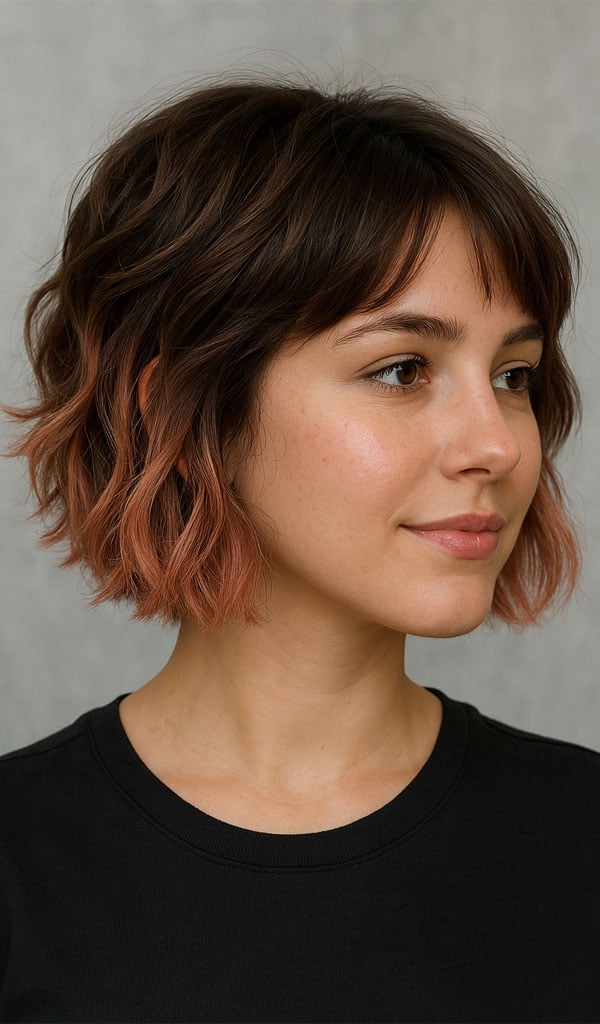
This chin-length bob pairs a dark brown base with rose gold ends, a combination that works as well in September as it does in June. The soft layers and curtain bangs keep the cut from feeling heavy, while the middle parting adds a modern symmetry. It suits medium-density wavy hair that can hold the shape without extra styling effort. Ask your stylist for: chin length bob, rose gold ombré, curtain bangs. A color-safe shampoo will protect the rose gold from dulling, and a trim every six to eight weeks keeps the bob crisp.
Mid-Back Dark Brown Caramel Ombré Curls
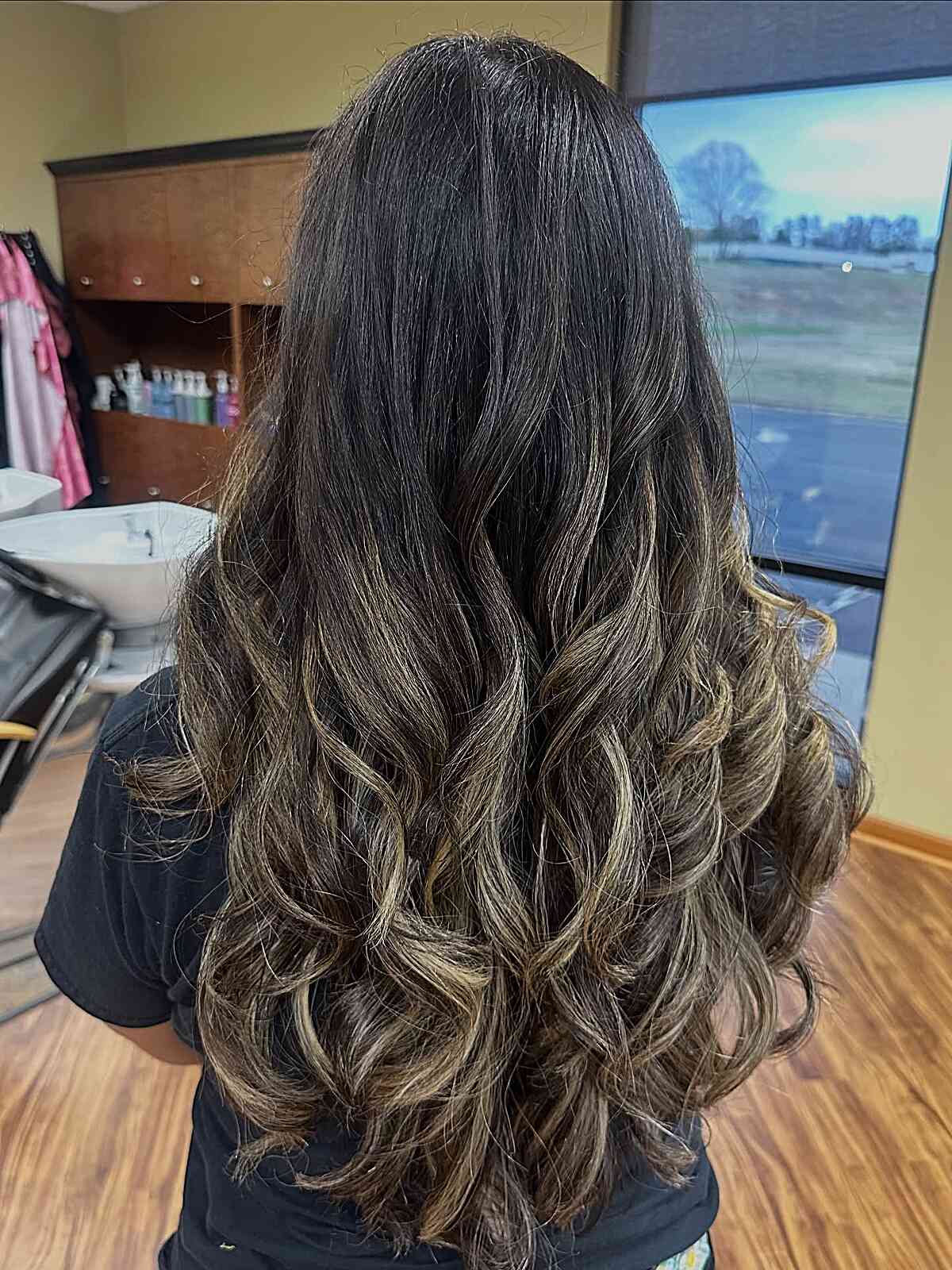
Caramel ombré on dark brown hair is a classic, but it has a habit of going brassy just as you start to enjoy it. The defined gradient here, from a deep base to warm caramel at the ends, relies on regular toning to stay clean. Thick, wavy hair at mid-back length or longer shows off the blend best, with layers that help each curl catch the color. Ask your colorist for: dark brown to caramel ombré, loose curls. The drawback is the upkeep: caramel fades faster on dark bases, so plan for a gloss or toner every four to six weeks, and a trim every eight to ten. This look requires a salon visit, but the gradient stays defined with that routine.
Seamless Dark Brown To Caramel Ombré Waves
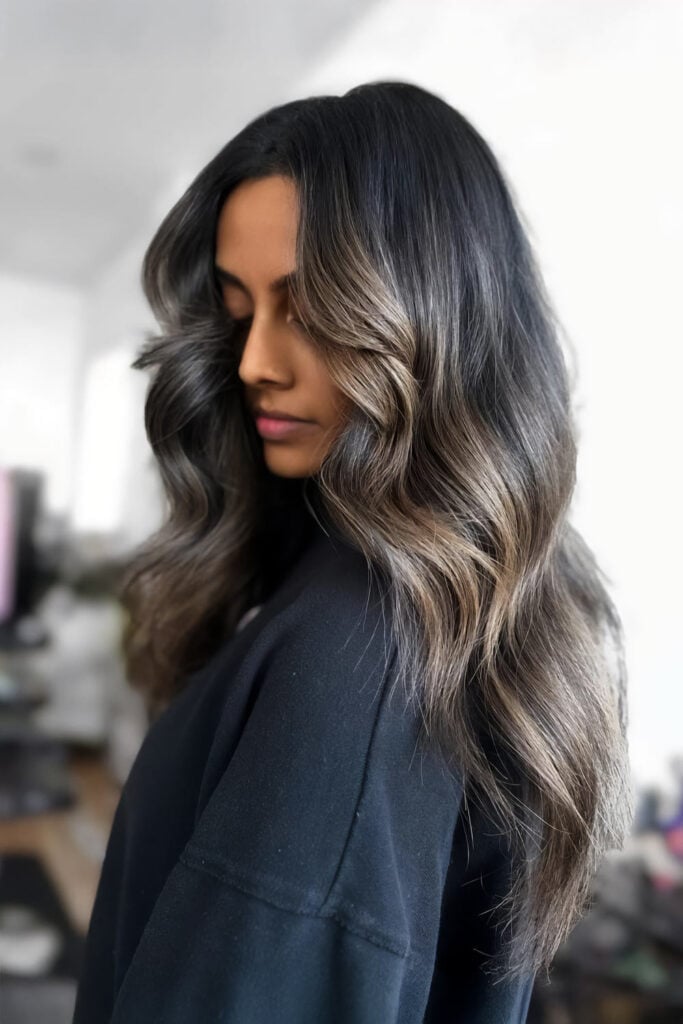
How do you ask for a transition that looks natural instead of harsh? The key is the word seamless. This mid-back length starts with a dark brown root and melts into warm caramel over several inches, with subtle long layers that give the waves room to move. It suits thick, wavy hair that can carry the color without looking flat. Ask your colorist for: seamless dark brown to caramel ombré. Be specific about the transition point, usually around the cheekbones, and request that the lightest pieces stay below the shoulders. A smoothing serum can help the gloss, and a trim every eight to ten weeks keeps the ends healthy.
Another Seamless Dark Brown To Caramel Ombré, Wavy
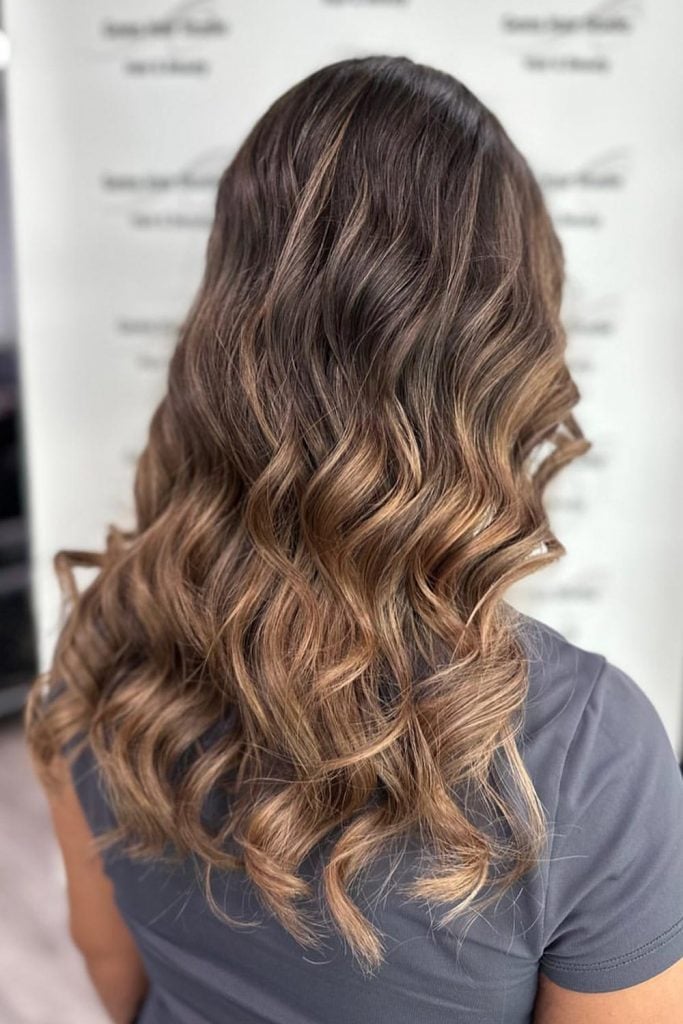
Thick, wavy hair is the canvas this seamless ombré was made for, because the natural movement helps the color blend without any effort on your part. The dark brown base at the roots keeps the look grounded, while the caramel toward the mid-back length adds warmth that reads as sun-kissed rather than painted on. It suits anyone with wavy or thick texture who wants a low-maintenance color that grows out gracefully, though those with very fine hair may find the gradient too subtle. Ask your colorist for: seamless dark brown to caramel ombré. For styling, a texturizing spray at the roots will enhance the waves, and a trim every eight to ten weeks keeps the layers from getting heavy.
Dark Brown To Ash Blonde Ombré Blowout
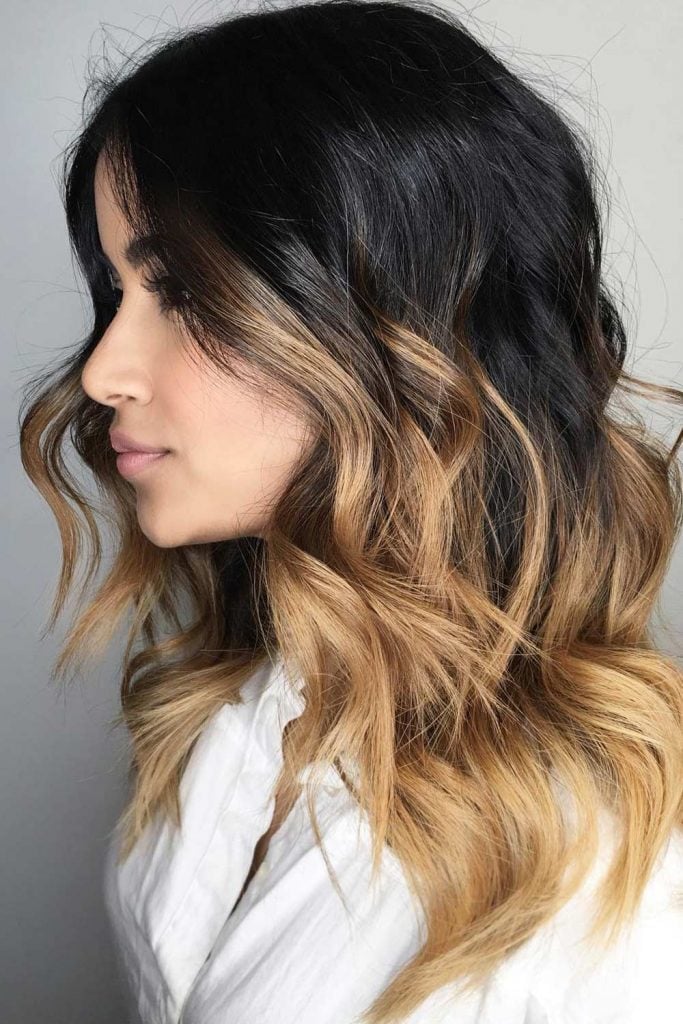
A dark brown to ash blonde ombré is a technical feat, because ash tones are the easiest to get wrong. The process starts with a dark brown base that is lightened gradually toward the mid-back length, then toned to remove any warmth that would turn the blonde brassy. The result here is a cool, smoky blonde that pairs with soft face-framing pieces to soften the transition. It suits thick, wavy hair that can handle the lightening without compromising the texture. Ask your colorist for: dark brown to ash blonde ombré, loose waves blowout. The blowout finish, achieved with a round brush, gives it that polished everyday look. A toner is non-negotiable at the salon, and a toning appointment every six to eight weeks will keep the ash from drifting yellow.
Dark Brown To Red Ombré Waves
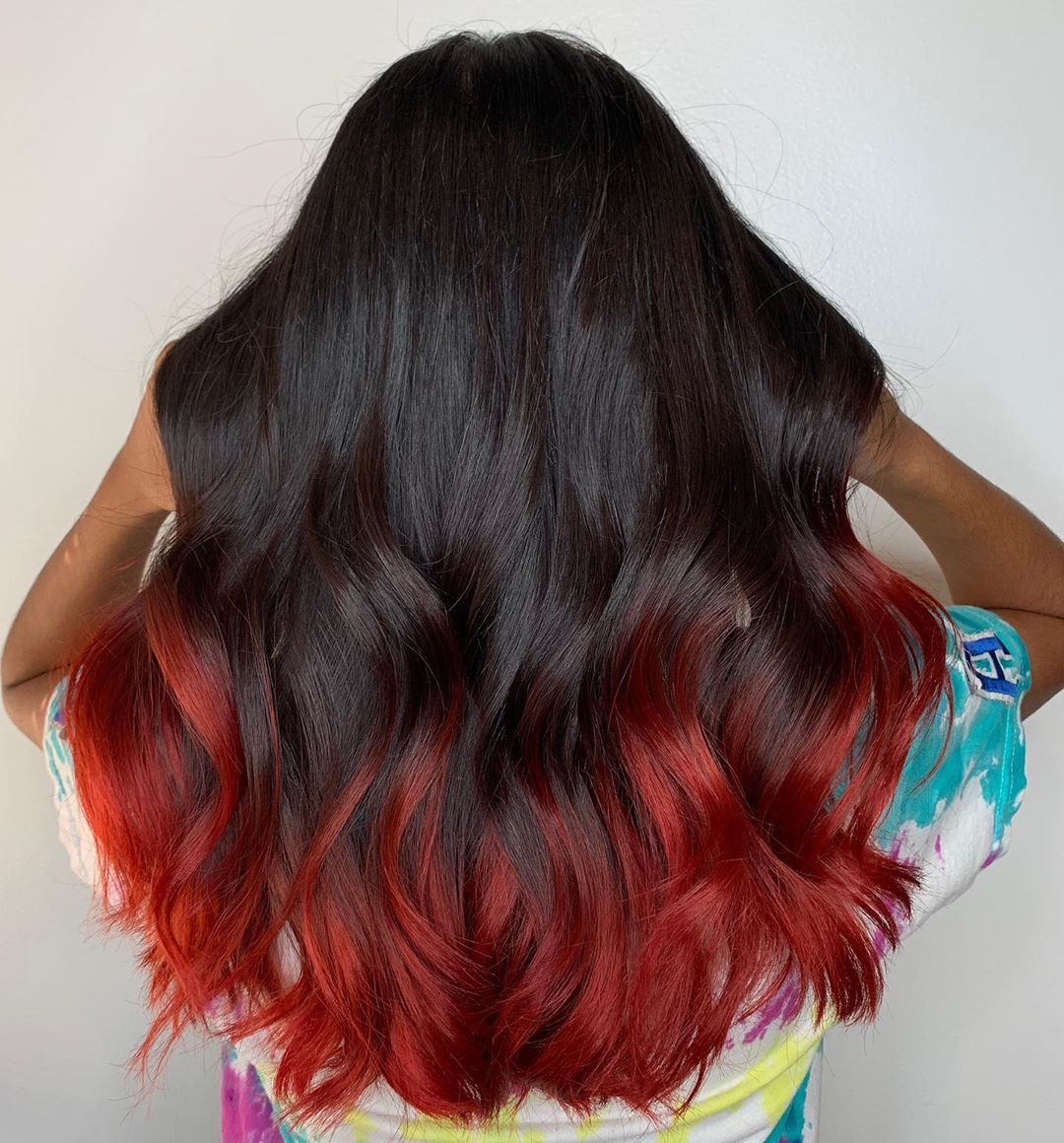
Red is the color that announces itself from across the room, and this ombré does the announcing for you. The dark brown roots ground the vibrant red ends, so the transition reads as a choice rather than a happy accident, and the loose waves give the thick texture room to move at mid-back length.
The upkeep is where red ombré waves earn their reputation. Red tones are the first to fade, so a color-safe shampoo and cooler water will stretch the vibrancy, and a gloss or toner appointment every four to six weeks keeps the ends from turning a muddy rust. Ask your colorist for: dark brown to vibrant red ombré. The layers keep the volume from sitting heavy, and a trim every eight to ten weeks stops the lighter ends from looking stringy. The real drawback is commitment: once the red is in, going back to a single brown shade takes a color correction, not a quick fix.
Ash Blonde Ombré Bob With Curtain Bangs
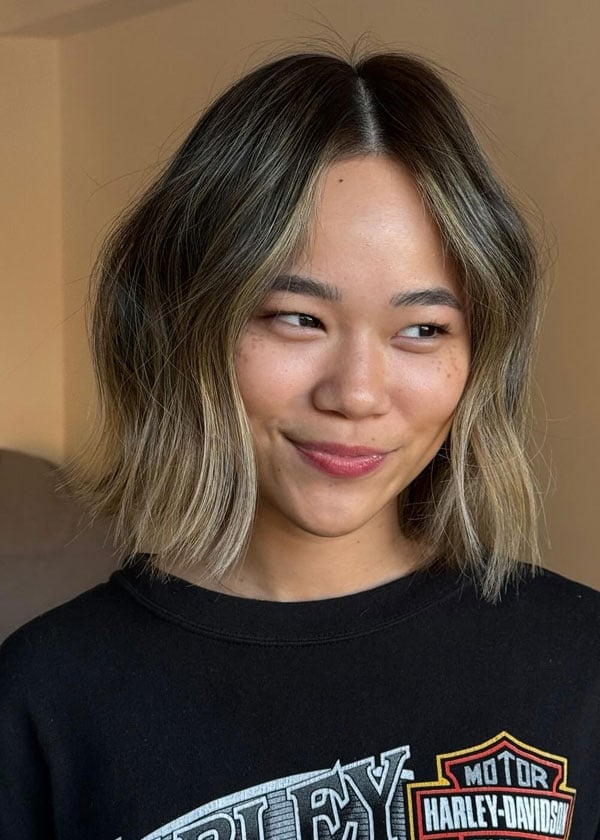
Compared to a solid blonde bob, this ash blonde ombré with natural dark roots behaves more like a grow-out that got promoted. The collarbone length keeps it practical while the curtain bangs and middle parting do the face-framing work, which is why it suits medium density wavy hair that needs a little direction. Ask your stylist for: ash blonde ombré bob, curtain bangs. The wavy blowout gives the cut its soft finish, and this one is strictly salon territory: the root shadow and the light blonde highlights woven through the ends need a practiced hand to land naturally.
Sleek Chin Length Bob With Light Brown Ombré
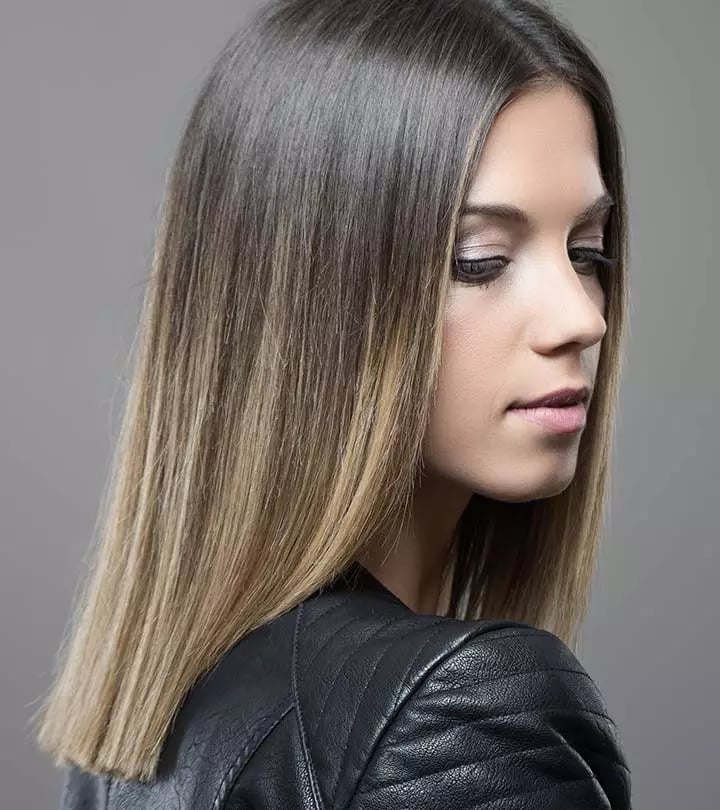
A blunt cut bob at the chin is a statement of intent, and the ombré from dark brown to light brown makes the sharp line work harder. The sleek, straight styling suits fine hair because the precision of the cut adds definition that texture alone cannot, and the side parting keeps the shape from feeling severe. Ask your stylist for: chin length blunt bob, dark brown to light brown ombré. This one flatters oval and square faces best, since the clean line at the jaw does the softening without extra layers. The contrast is the point, so a trim every six to eight weeks keeps the blunt edge from going soft.
Chin Length Bob With Textured Blonde Ombré
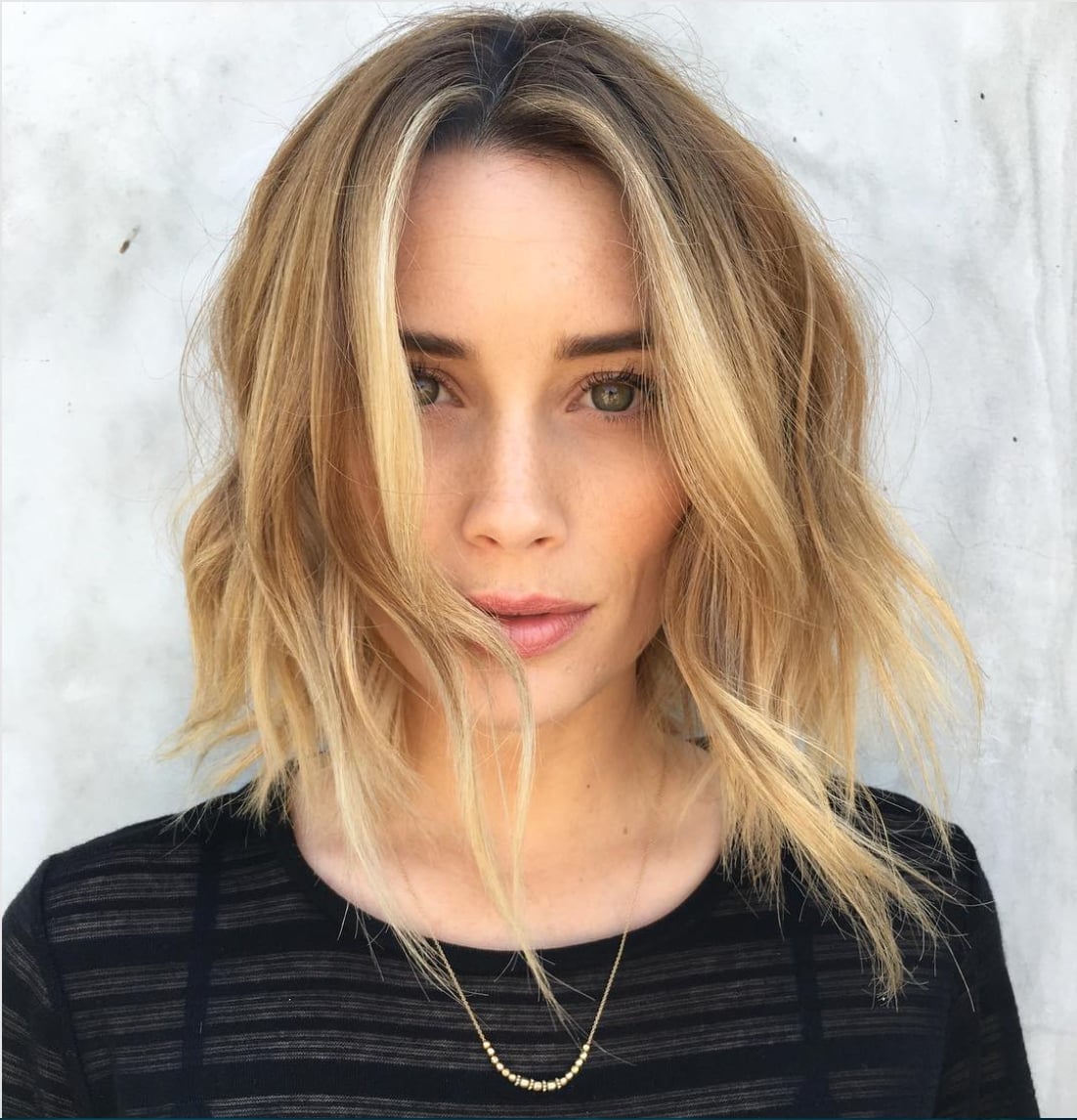
How do you ask for a bob that does not look like you tried too hard? Start with the words “textured waves” and let the stylist handle the rest. This chin length bob with a middle parting keeps the structure, while the loose, wavy styling and the blonde ombré from darker roots to lighter ends give fine hair the appearance of more volume than it actually has. Ask your stylist for: chin length bob, blonde ombré, textured waves. The lived-in finish means you can skip the perfect blowout, and a sea salt spray will encourage the wave pattern on days when the air is not cooperating.
Mid-Back Dark Brown Pink Ombré Waves With Long Layers
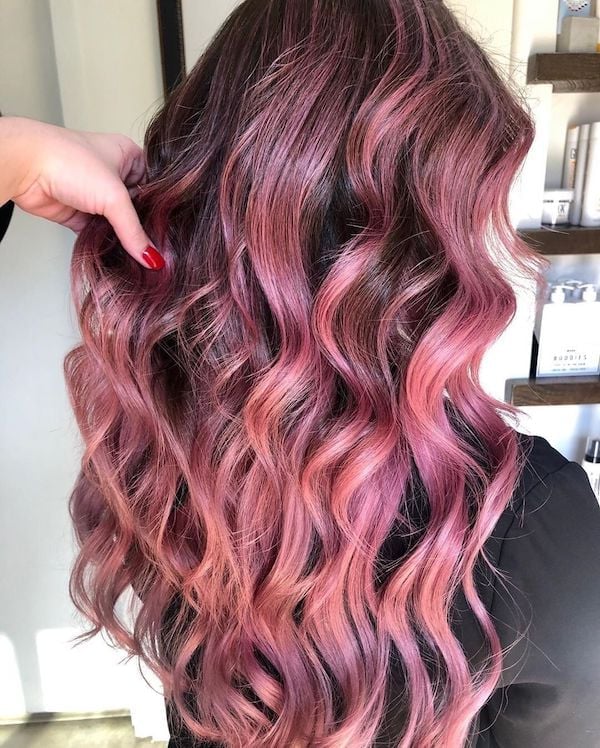
Pink ombré on dark brown hair is not a subtle choice, but the technique keeps it from looking costume-like. The colorist lightens the mid-back length gradually, so the dark brown base melts into the vibrant pink ends instead of stopping at a hard line, and the long layers give the thick waves somewhere to move. Ask your colorist for: dark brown to vibrant pink ombré, loose waves. This is a salon-only project, usually a few hours for the lightening and toning, and it is best saved for a season when you want the hair to do the talking. The smooth gradient is what separates this from a home dye job, so leave the pink to someone with a license.
Collarbone Length Layers With Curtain Bangs Ombré
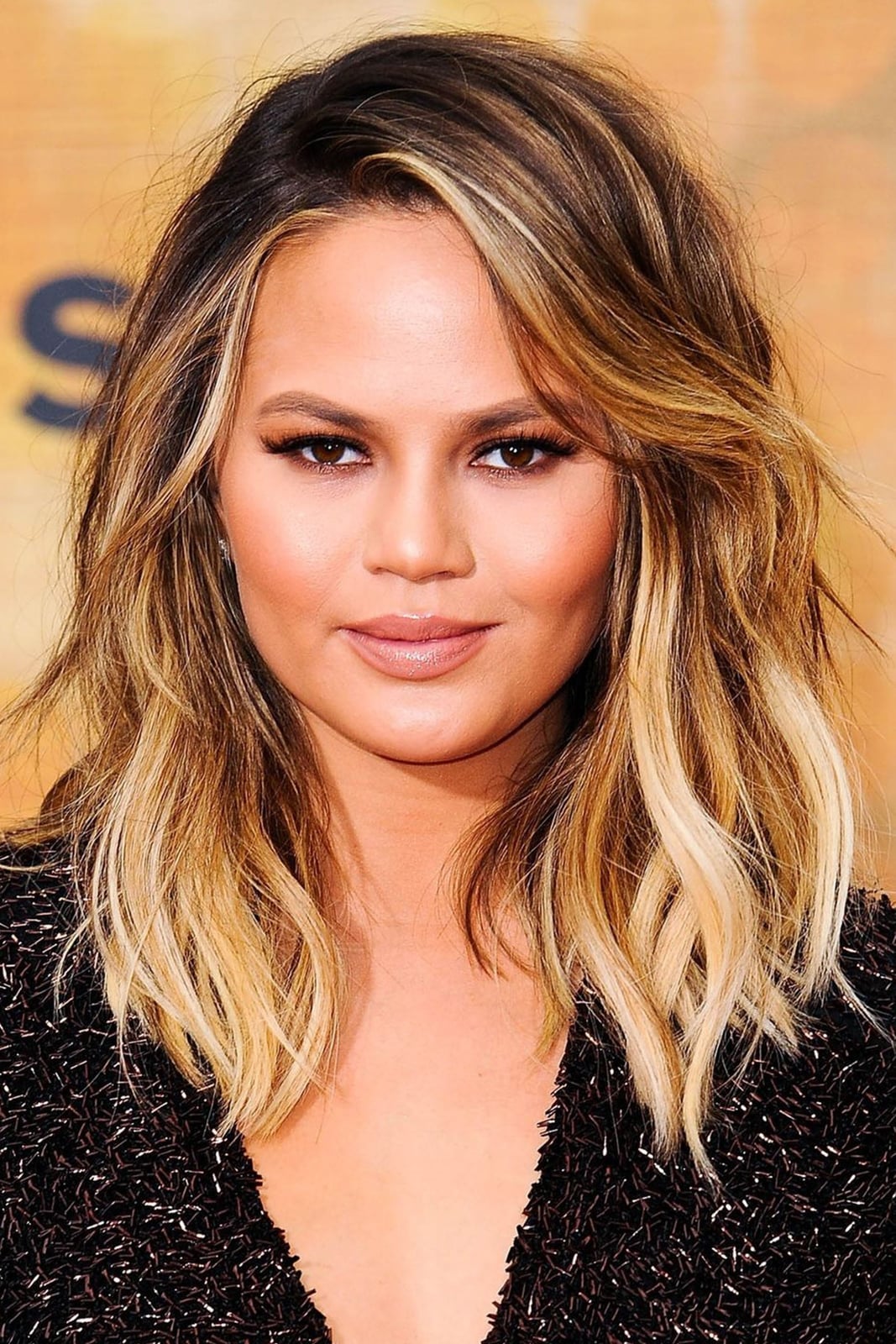
Curtain bangs and face-framing layers do a lot of the work here, so the dark brown to blonde ombré creates a soft glow instead of a hard line. Medium density wavy hair starting at collarbone length gives the layers something to grip, and the curtain bangs soften most face shapes without demanding constant trimming. Ask your stylist for: collarbone length ombré, curtain bangs. The wavy blowout keeps the shape lived-in, but plan on a trim every six to eight weeks, because those bangs will let you know when they are overgrown.
Mid-Back Dark Brown Deep Red Ombré Waves, Wavy
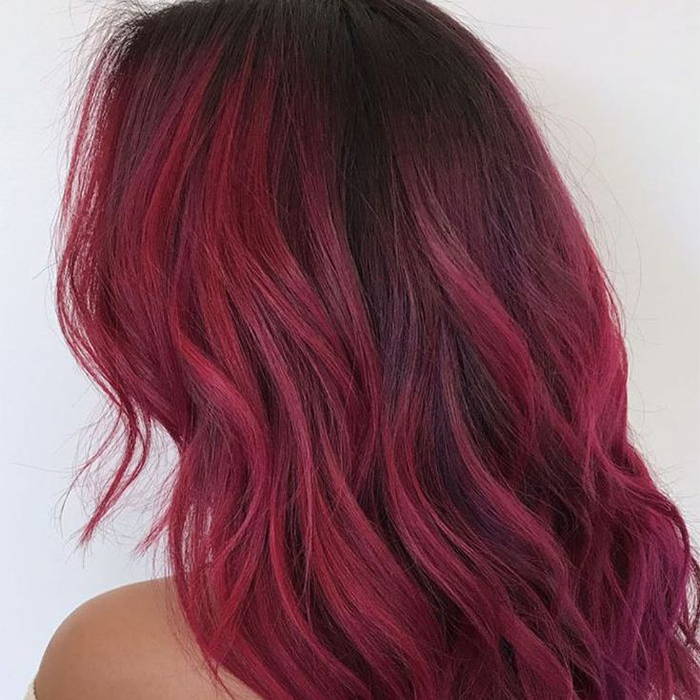
Deep red ombré sits apart from a brighter cherry or a rustier copper: it stays closer to the dark brown base, so the shift looks multidimensional. Thick wavy hair at mid-back length or longer is the ideal canvas, since the loose waves show off the smooth gradient at different points. This is a salon project, and getting the precise shade takes time, because the red has to be pre-lightened just enough to hold its depth without turning brassy. Ask your colorist for: dark brown to deep red ombré, loose waves. A color-safe shampoo and conditioner will stretch the tone, and a trim every eight to ten weeks keeps the ends from looking tired.
Shoulder Length Ombré With Dramatic Color Transition
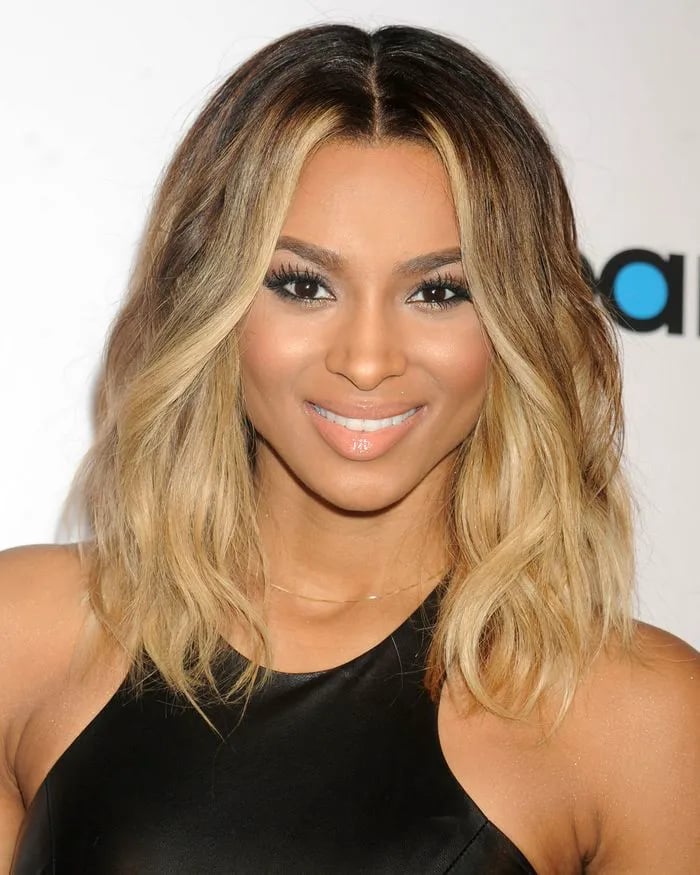
There is no mistaking this one for a subtle grow-out: the dark brown roots give way to bright blonde ends with a transition that is meant to be noticed. Medium density wavy hair at shoulder length benefits most, because the visible layers add movement to the wavy blowout and stop the contrast from sitting flat. Ask your colorist for: shoulder length ombré, dark to bright blonde. The middle parting keeps the gradient symmetrical, and a heat protectant before blow-drying is non-negotiable if you want the wave pattern to hold. A trim every six to eight weeks keeps the ends sharp enough to support that much blonde.
Mid-Back Dark Base Teal Ombré Waves
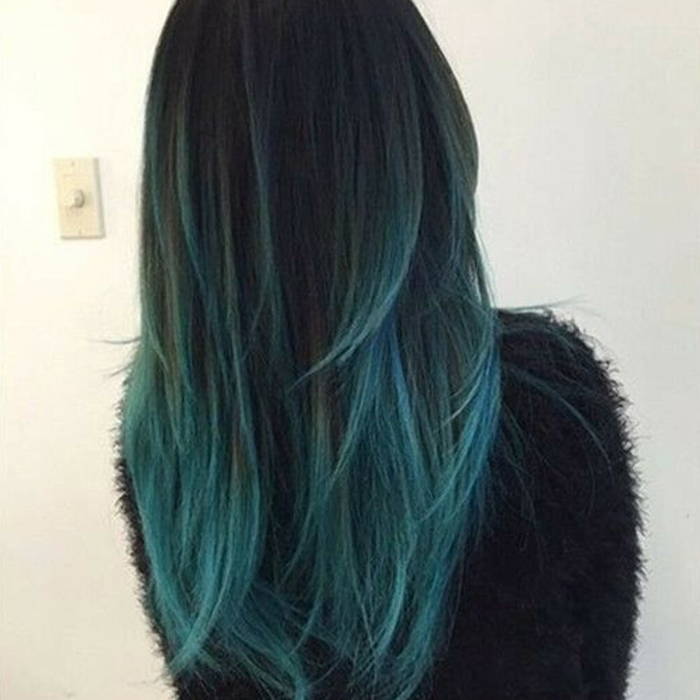
How do you ask for a color that is clearly not natural but still looks considered? You start with the base. The very dark shade stays close to your natural root depth, and the vibrant teal enters lower down, so the effect is deliberate without looking like a costume. Thick wavy hair of mid-back length or longer gives the loose waves enough room to show the color transition from the back view. Ask your colorist for: dark base to teal ombré, loose waves. Be specific about how high the teal should start, because that placement determines whether the result looks edgy or accidental. A color-safe shampoo and conditioner are worth the effort, and a trim every eight to ten weeks keeps the length healthy.
Mid-Back Dark Blonde To Lighter Blonde Ombré Waves, Everyday Version
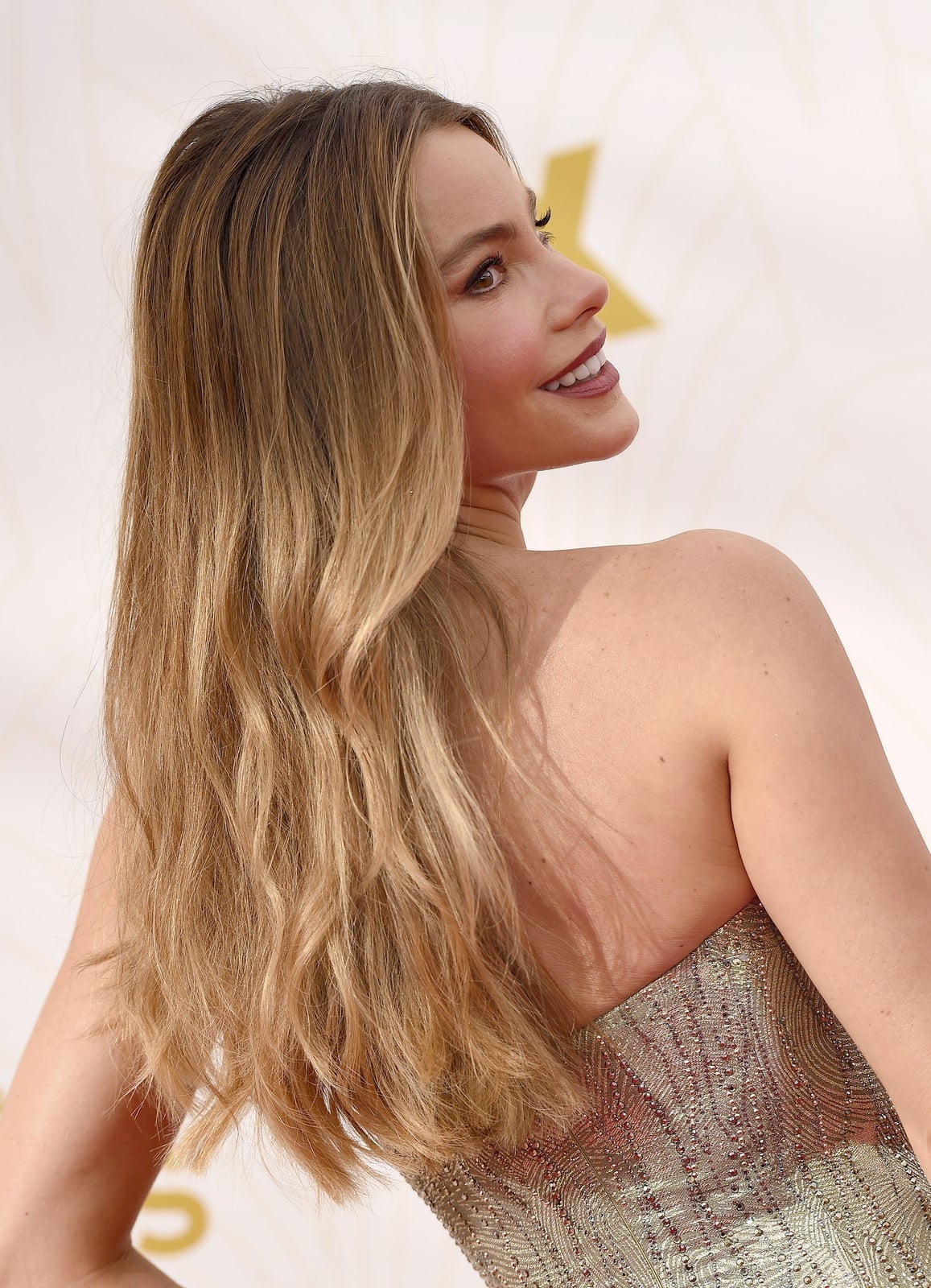
The technique here is all about restraint: the dark blonde roots melt into lighter blonde ends so gradually that the line of demarcation never appears. Medium density wavy hair at mid-back length or longer suits this everyday version best, since the loose waves and middle parting let the blend show without any styling theatrics. Ask your colorist for: dark blonde to lighter blonde ombré, loose waves. A smoothing serum adds the glossy finish that keeps the color looking maintained, and a trim every eight to ten weeks preserves the shape. It is not a dramatic statement, just a reliable way to brighten up without committing to a full blonde.
Angled Collarbone Bob With Blonde Ombré
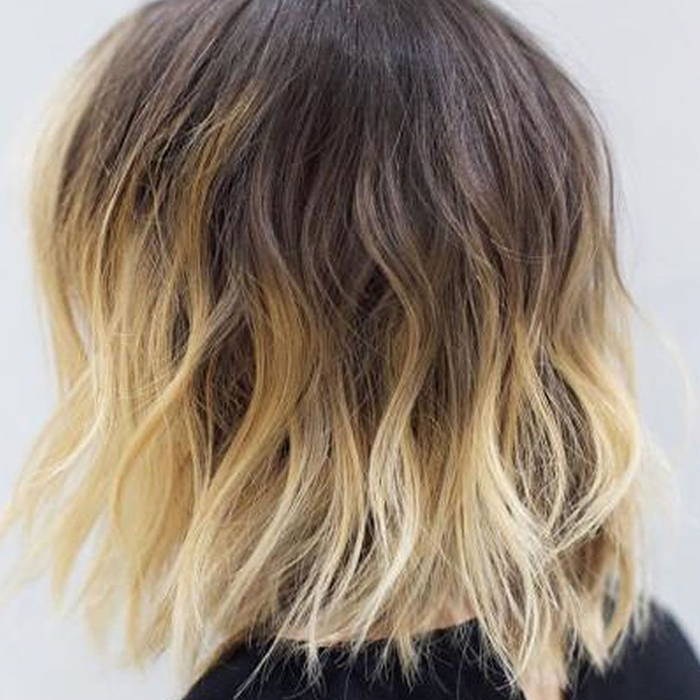
The angled cut stacks the length at the back and lets the front swing forward, which gives the collarbone bob a built-in sense of motion. It suits medium-density wavy hair that already sits at the collarbone, since the angle does the work of elongating the neck without extra styling. Ask your stylist for: angled bob, dark brown to blonde ombré. Loose waves are the easiest way to wear it, and a texturizing spray keeps the ends from looking flat. The one real drawback is the layers: they show split ends faster, so plan on a trim every six to eight weeks.
Braided Black To Blonde Ombré
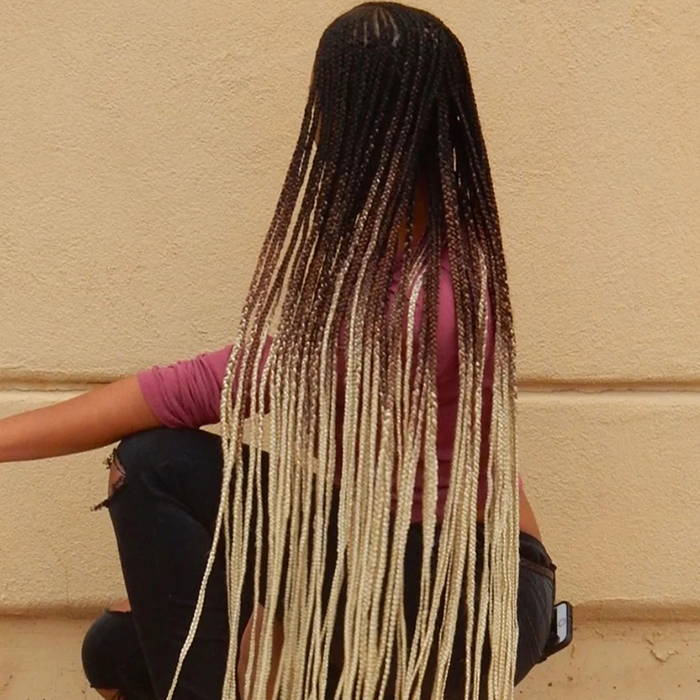
Unlike traditional ombré on loose hair, where the color fades through the shaft, box braids carry the transition in the braid itself, so the black-to-blonde blend reads as a clean, graphic line. This style suits anyone whose hair can be braided, and it offers a break from daily styling, since the braids hold their shape without heat. Ask your stylist for: black to blonde ombré box braids. The upkeep is mostly at night, wrapping the braids in silk or satin to keep them smooth, and refreshing the ends every six to eight weeks as they soften. Getting the ombré right on braids takes a salon visit, because the color has to be applied before the braids go in.
Shoulder Length Dark Brown With Caramel Highlights
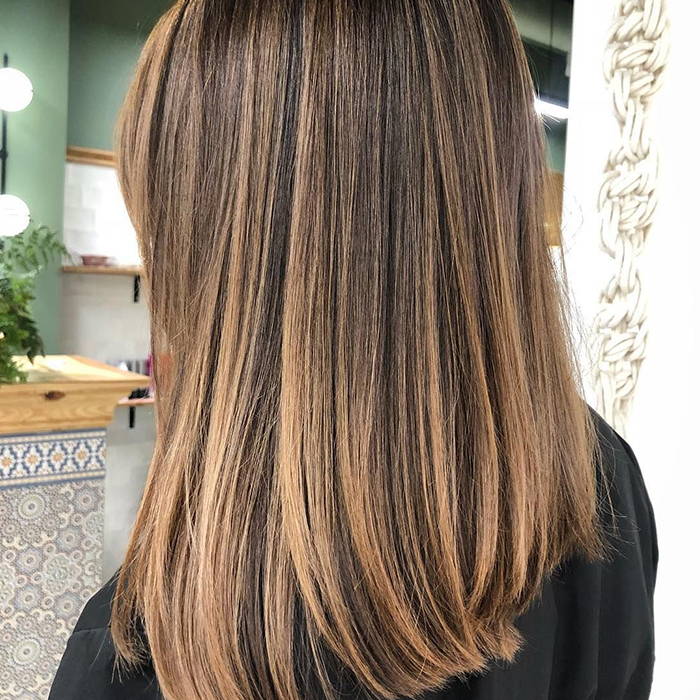
Thick, straight hair at the shoulders gives caramel highlights room to read as natural dimension rather than streaks, especially when the color is worked through long layers. This cut suits straight, dense textures, where the layers give the blowout lift without losing the smooth finish. Ask your stylist for: shoulder length, dark brown with caramel highlights, blowout. A round brush and a smoothing serum keep the ends sleek, and a trim every six to eight weeks preserves the line.
Glossy Mid-Back Dark Brown Caramel Ombré Waves With Styled In Loose
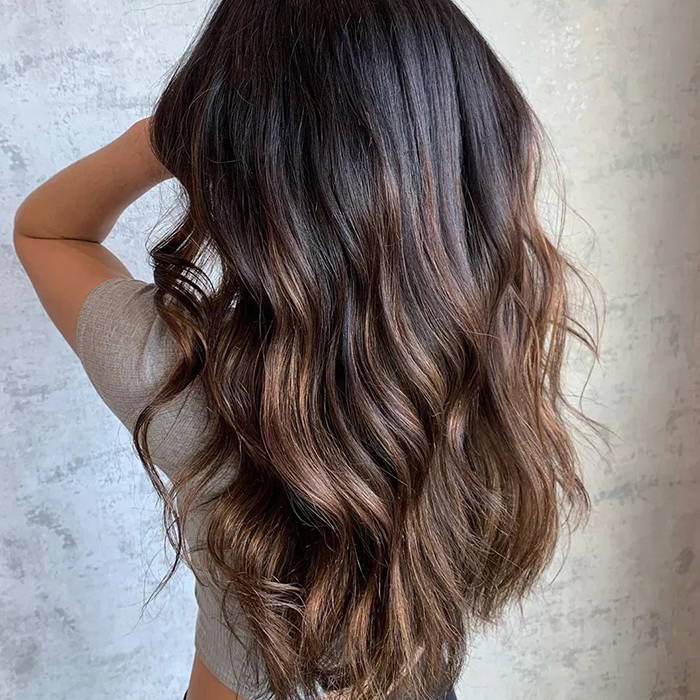
Can a color transition look glossy without looking greasy? When the dark brown base melts into caramel ombré and the waves are set loose, the shine comes from the smooth cuticle, not from product. This finish suits thick, wavy hair at mid-back length or longer, where the waves catch the light and show off the gradient. Ask your colorist for: dark brown to caramel ombré. To style, wrap sections around a large barrel, let them cool, then run a shine serum through the mid-lengths and ends. The real drawback is time: loose waves on thick hair take a good twenty minutes with a heat protectant, and the gloss needs a trim every eight to ten weeks to stay sharp.
Final Thoughts
For a classy ombré, keep the transition subtle and the ends glossy. Fine hair benefits from a darker base and a gradual lightening that starts below the ear. Curly textures need a deep-conditioning routine to keep the lighter ends from feeling brittle. A root shadow at the bowl can buy you an extra four to six weeks between salon visits.
- Maintain ombré color with sulfate-free shampoos to prevent fading. Toning may be needed every 8-12 weeks depending on the shade.
- Deep condition weekly to keep the lighter ends hydrated and prevent dryness.
- Schedule trims every 6-10 weeks to maintain the shape and prevent split ends, especially on layered styles.
- Use heat protectant before styling to shield hair from damage.
Sophisticated ombré is all about the blend.